
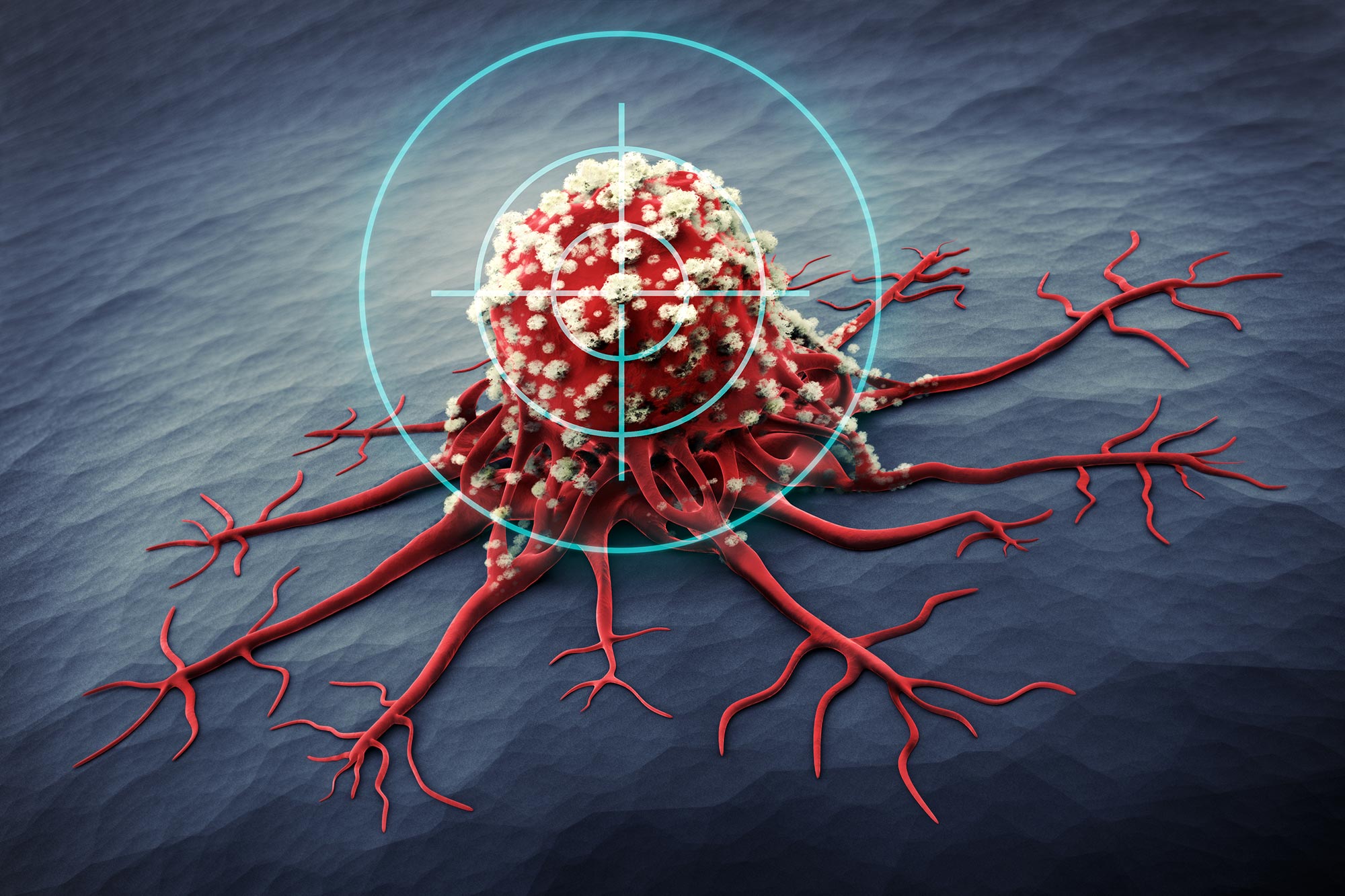
A study links diet and the gut microbiome to responses to immune checkpoint therapy, offering new directions for cancer research.
Cancer treatment can be maddeningly unpredictable. A therapy that works well for one patient may do far less for another, even when doctors use the same approach. One surprisingly ordinary part of daily life may help explain some of that difference: what people eat.
Researchers studying a widely used form of cancer immunotherapy found that certain diets normally associated with weight gain actually helped the treatment work better in mice. The result was unexpected, but it offered a possible explanation for an even stranger pattern scientists have noticed in cancer patients for years.
Some people with a higher body mass index, or BMI, appear to respond better to treatments that help the immune system attack cancer, despite obesity generally being associated with higher cancer incidence and mortality. Researchers have called this contradiction the “obesity paradox.” The new findings suggest that body weight itself may not be the key. Instead, the answer could involve food, the bacteria living in the gut, and the way the two interact with the immune system.
How cancer exploits immune brakes
The treatment the researchers focused on is known as an immune checkpoint inhibitor. The immune system normally has built-in brakes that prevent immune cells from attacking too aggressively. Cancer can take advantage of those brakes to avoid being destroyed. Checkpoint inhibitors interfere with those signals, giving immune cells a better chance to recognize and attack tumor cells.
The treatment can be remarkably effective for some patients, but others receive much less benefit. That uneven response has pushed researchers to look beyond the tumor itself for factors that might influence whether the therapy succeeds.
A team co-led by McGill University researcher Daniela Quail investigated whether diet could be one of them. Other senior members of the team included McGill researcher Logan Walsh and CR-CHUM collaborators Bertrand Routy and Arielle Elkrief. Their research was published in Nature.
“There is a synergistic relationship between the bacteria that reside in our GI tract, and the food we eat,” said Quail, Associate Professor in the Department of Physiology and Principal Investigator at the Rosalind & Morris Goodman Cancer Institute.
Twelve diets reveal an unexpected effect
The researchers tested 12 different diets in mice and found that some diets associated with obesity improved the animals’ responses to immune checkpoint inhibitors. The benefit appeared even after shorter periods on those diets, making it harder to explain the effect simply through long-term weight gain.
That pointed toward the trillions of microorganisms living in the digestive system, collectively known as the gut microbiome. These bacteria depend partly on the nutrients that reach them through food. Changing the diet can therefore change which microbial populations thrive and how they behave, with consequences that can extend beyond digestion and influence the immune system.
“Even with the right composition of bacteria in your gut, the foods you eat to nourish those populations can determine whether or not you respond to treatment,” said Quail, who co-led a team investigating how diet could affect the success of immune checkpoint inhibitors, a common form of immunotherapy.
Food may matter as much as microbes
The finding adds an important complication to the idea that having certain beneficial gut bacteria is enough to improve a treatment response. What those bacteria are being fed may matter too. Diet and microbes can act together, meaning the same collection of gut bacteria may not produce the same effects under different dietary conditions.
That interaction could help explain why higher BMI has sometimes been associated with better responses to checkpoint inhibitors. Rather than excess body weight directly helping the treatment, some of the biological changes produced by particular diets may alter gut microbes in ways that affect the immune response.
“Our findings were surprising because they highlighted a benefit of some obesogenic diets,” Quail said. “That tells us the relationship between diet and cancer treatment is more complex than a simple message to eat healthy and exercise.”
Reference: “Diet–microbiome synergy underlies obesity-associated immunotherapy efficacy” by Lysanne Desharnais, Anikka Swaby, Meriem Messaoudene, Samuel Doré, Miranda W. Yu, Benoit Fiset, Valérie Breton, Mayra Ponce, Yongjia Hu, Liam Wilson, Mark Sorin, Ye Wang, Ken Dewar, Michael Pollak, Arielle Elkrief, Bertrand Routy, Logan A. Walsh and Daniela F. Quail, 8 July 2026, Nature.
DOI: 10.1038/s41586-026-10750-x
Never miss a breakthrough: Join the SciTechDaily newsletter.
Follow us on Google and Google News.