
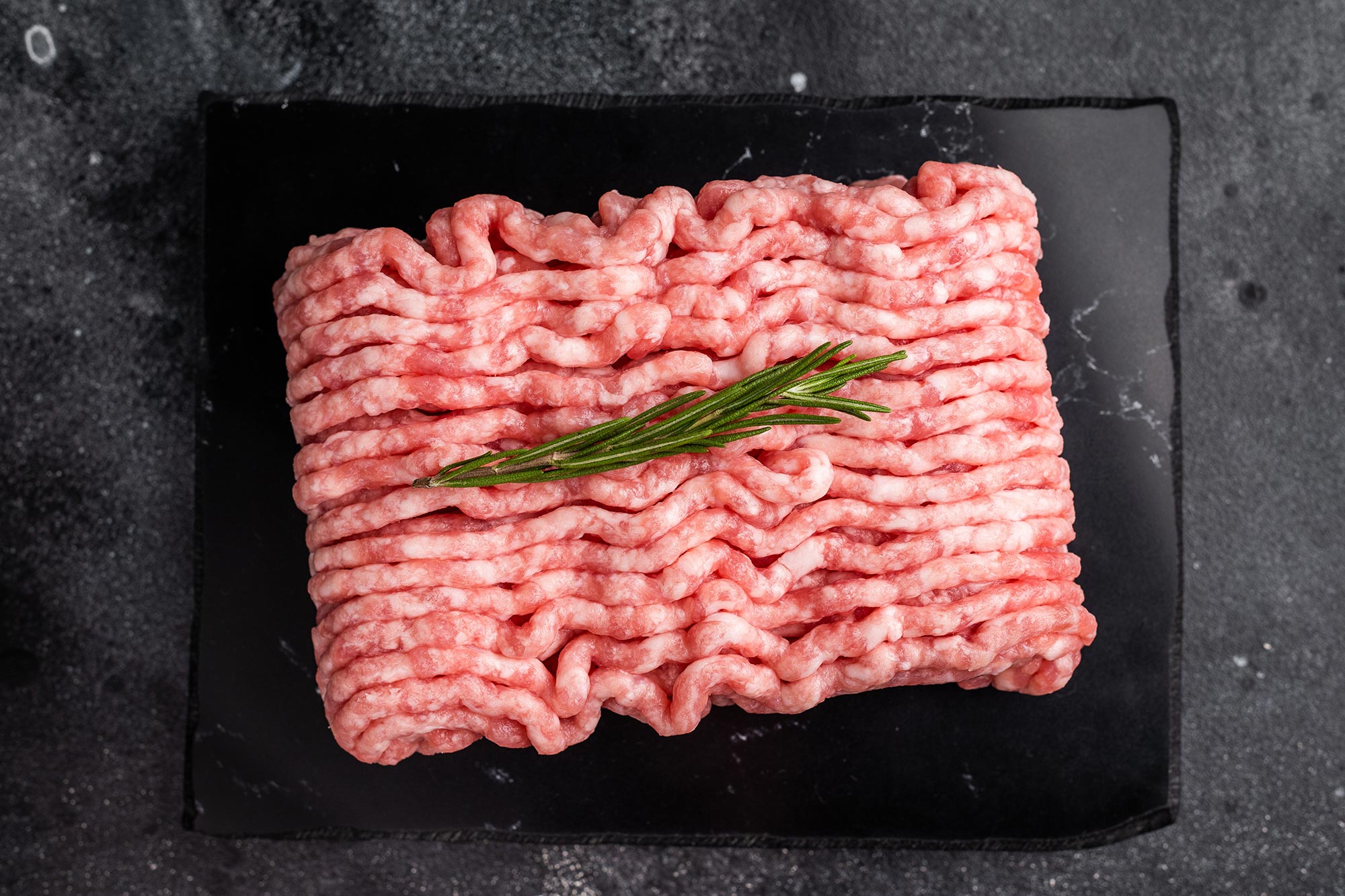
A new study found that lean ground pork triggered a distinctive increase in a naturally occurring peptide linked to muscle growth.
A new study suggests that the way the body processes protein after exercise may depend on more than how much protein a meal contains. Researchers found that lean ground pork produced a distinctive increase in a naturally occurring peptide linked to muscle protein synthesis, the biological process responsible for building and repairing muscle proteins.
Published in Molecular Nutrition & Food Research, the research examined how different protein sources affect amino acids and peptides circulating in the bloodstream after resistance exercise. The findings suggest that the structure and composition of whole foods may influence how protein is digested and made available to the body.
Lean Ground Pork Produces a Distinctive Response
Researchers at the University of Illinois Urbana-Champaign analyzed blood samples and muscle protein synthesis measurements from two randomized controlled trials involving healthy young adults.
Following resistance exercise, participants consumed one of five nutritional treatments: low-fat ground pork, high-fat ground pork, black beans and rice, an isolated nutrient beverage containing amino acids and other nutrients, or a carbohydrate-only control drink. Each protein-containing treatment supplied approximately 20 grams (0.7 ounces) of protein, allowing researchers to compare the body’s responses to different nutritional sources.
Among the five treatments, lean ground pork was the only one to produce a statistically significant increase above baseline in circulating dileucine, a peptide composed of two linked leucine molecules. Blood concentrations rose approximately 90 to 120 minutes after consumption. Dileucine has been associated with muscle protein synthesis, although scientists are still investigating its specific role in muscle metabolism.
How Different Protein Sources Affect the Bloodstream
Peak dileucine concentrations after lean ground pork consumption were significantly higher than those measured after the isolated nutrient beverage and carbohydrate control. However, the differences compared with high-fat ground pork and the beans-and-rice meal were not statistically significant.
Lean ground pork also produced the highest peak concentrations of leucine, an essential amino acid involved in regulating muscle protein synthesis. These levels were significantly higher than those following high-fat ground pork, beans and rice, or the carbohydrate control, but were not significantly different from the isolated nutrient beverage.
“These findings suggest that the body’s response to protein is influenced by more than the amount consumed,” said Nicholas A. Burd, PhD, corresponding author and researcher at the University of Illinois Urbana-Champaign. “Seeing how the whole-food matrix affects the release of amino acids and peptides into the bloodstream gives us a clearer picture of how dietary protein may actually drive muscle protein synthesis and remodeling.”
A Possible Connection to Muscle Protein Synthesis
Across the protein-containing treatments, researchers identified a modest but statistically significant positive relationship between peak dileucine concentrations and changes in muscle protein synthesis. The same association was not observed with conventional leucine measurements.
Importantly, this does not establish that dileucine directly stimulates muscle growth or that lean ground pork produces greater muscle gains than other foods.
One possible explanation involves the food matrix, which encompasses a food’s physical structure and the interactions among its components. Researchers proposed that grinding meat could disrupt connective tissue, potentially making proteins more accessible to digestive enzymes and changing how amino acids and peptides enter the bloodstream.
What the Findings Mean for Everyday Protein Choices
The results add to research investigating how whole-food protein sources influence the body’s response to exercise. Although the protein content of a meal remains relevant, differences in food structure, fat content, and digestion may affect the timing and composition of nutrients reaching the bloodstream.
“Consumers often think about protein in terms of how many grams are on their plate, but science is showing us there is much more to the story,” said Kristen Hicks-Roof, PhD, RDN, LDN, Senior Director of Human Nutrition at the National Pork Board. “What’s exciting about this research is that it helps us better understand how a familiar food like ground pork delivers protein and how the body responds to it after exercise. Ground pork represents an important opportunity to connect emerging protein science with practical, nutritious meals people already enjoy.”
Further studies will be needed to determine whether these short-term biological responses translate into meaningful differences in muscle growth and recovery. Researchers also need to examine how dileucine behaves when protein sources are consumed as part of typical mixed meals and whether similar responses occur in older adults and other populations.
Reference: “Whole-Food Protein Sources Differentially Modulate Postprandial Plasma Dileucine Profiles in the Post-Exercise State” by Žan Zupančič, Geoffrey M. Provenzano, Calvin Chen, Gena L. Irwin, Alexander V. Ulanov and Nicholas A. Burd, 19 October 2026, Molecular Nutrition & Food Research.
DOI: 10.1002/mnfr.70628
This study was supported by the National Pork Board.
Never miss a breakthrough: Join the SciTechDaily newsletter.
Follow us on Google and Google News.