
Close Menu
    Facebook X (Twitter) Instagram
    SciTechDaily
    • Biology
    • Chemistry
    • Earth
    • Health
    • Physics
    • Science
    • Space
    • Technology
    Facebook X (Twitter) Pinterest YouTube RSS
    SciTechDaily
    Home»Health»A Simple Blood Test Could Determine Your Risk of Diabetes
    Health

    A Simple Blood Test Could Determine Your Risk of Diabetes

    By Edith Cowan UniversityMarch 6, 2024No Comments3 Mins Read
    Facebook Twitter Pinterest Telegram LinkedIn WhatsApp Email Reddit
    Share
    Facebook Twitter LinkedIn Pinterest Telegram Email Reddit
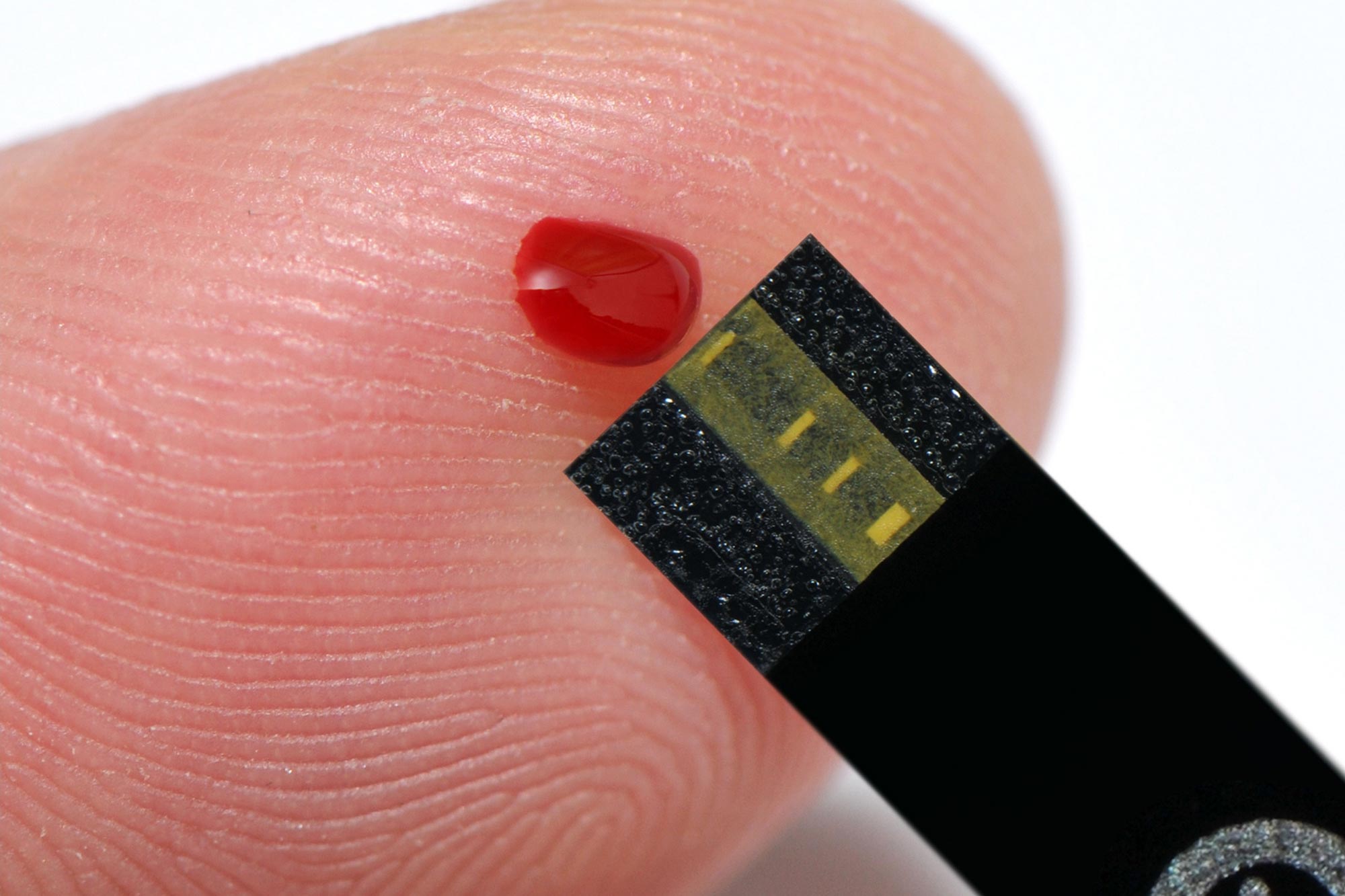
    Diabetes Blood Testing Strip
    Research indicates that combining CRP and MHR levels in a blood test offers a more precise way to predict type 2 diabetes risk, with findings emphasizing chronic inflammation’s impact and the potential for early, personalized preventive measures.

    A new study by Edith Cowan University (ECU) suggests that a blood test may be able to evaluate a patient’s likelihood of developing type 2 diabetes.

    The most commonly used inflammatory biomarker currently used to predict the risk of type 2 diabetes is high-sensitivity C-reactive protein (CRP). However, emerging research has suggested that the joint assessment of biomarkers, rather than assessing each individually, would improve the chances of predicting diabetes risk and diabetic complications.

    A study by ECU researcher Dan Wu investigated the connection between systematic inflammation, assessed by joint cumulative high-sensitivity CRP and another biomarker called monocyte to high-density lipoprotein ratio (MHR), and incident type 2 diabetes.

    The study followed more than 40,800 non-diabetic participants over a near ten-year period, with more than 4,800 of the participants developing diabetes over this period. Wu said that of those patients presenting with type 2 diabetes, a significant interaction between MHR and CRP was observed.

    “Specifically, increases in the MHR in each CRP stratum increased the risk of type 2 diabetes; concomitant increases in MHR and CRP presented significantly higher incidence rates and risks of diabetes.

    “Furthermore, the association between chronic inflammation (reflected by the joint cumulative MHR and CRP exposure) and incident diabetes was highly age- and sex-specific and influenced by hypertension, high cholesterol, or prediabetes. The addition of the MHR and CRP to the clinical risk model significantly improved the prediction of incident diabetes,” said Wu.

    Females most at risk

    The study found that females had a greater risk of type 2 diabetes conferred by joint increases in CRP and MHR, with Wu stating that sex hormones could account for these differences. Wu said that the research findings corroborated the involvement of chronic inflammation in causing early-onset diabetes and merited specific attention.

    “Epidemiological evidence indicates a consistent increase in early-onset diabetes, especially in developing countries. Leveraging this age-specific association between chronic inflammation and type 2 diabetes may be a promising method for achieving early identification of at-risk young adults and developing personalized interventions,” she added.

    Wu noted that the chronic progressive nature of diabetes and the enormous burden of subsequent comorbidities further highlighted the urgent need to address this critical health issue.

    Although aging and genetics are non-modifiable risk factors, other risk factors could be modified through lifestyle changes. Inflammation is strongly influenced by life activities and metabolic conditions such as diet, sleep disruptions, chronic stress, and glucose and cholesterol dysregulation, thereby indicating the potential benefits of monitoring risk-related metabolic conditions.

    Wu said that the dual advantages of cost-effectiveness and the wide availability of cumulative MHR and CRP in current clinical settings, potentiated the widespread use of these measures as a convenient tool for predicting the risk of diabetes.

    The study was funded by the National Natural Science Foundation of China and the Natural Science Foundation of Guangdong Province.

    Never miss a breakthrough: Join the SciTechDaily newsletter.
    Follow us on Google and Google News.

    Biomarkers Blood Diabetes Edith Cowan University
    Share. Facebook Twitter Pinterest LinkedIn Email Reddit

    Related Articles

    Debunking Previous Misconceptions: New Study Indicates That Potatoes Are Healthier Than You Think

    Breakthrough Test for Alzheimer’s: New Biomarker Can Detect Neurodegeneration in Blood

    New Research Finds That Acupuncture May Help Ward Off Diabetes

    FDA-Approved Drug Reduces Blood Vessel Problems Caused by Aging

    Biomarker Discovered That Predicts Type 2 Diabetes Many Years Before Diagnosis

    Lack of microRNA Molecule in Red Blood Cells Causes Vascular Damage in Type 2 Diabetes

    Signs of Dementia Are Written in the Blood: 33 Metabolic Compounds May Be Key to New Treatments

    Researchers Find microRNA Warning Signs for Dementia in the Blood

    New Research Reveals Risk Factors Linking Low Birthweight to Diabetes

    Leave A Reply Cancel Reply

    • Facebook
    • Twitter
    • Pinterest
    • YouTube

    Don't Miss a Discovery

    Subscribe for the Latest in Science & Tech!

    Trending News

    Bone-Strengthening Discovery Could Reverse Osteoporosis

    Scientists Uncover Hidden Trigger Behind Stem Cell Aging

    Scientists Find Way to Reverse Fatty Liver Disease Without Changing Diet

    Could Humans Regrow Limbs? New Study Reveals Promising Genetic Pathway

    Scientists Reveal Eating Fruits and Vegetables May Increase Your Risk of Lung Cancer

    Scientists Reverse Brain Aging With Simple Nasal Spray

    Scientists Uncover Potential Brain Risks of Popular Fish Oil Supplements

    Scientists Discover a Surprising Way To Make Bread Healthier and More Nutritious

    Follow SciTechDaily
    • Facebook
    • Twitter
    • YouTube
    • Pinterest
    • Newsletter
    • RSS
    SciTech News
    • Biology News
    • Chemistry News
    • Earth News
    • Health News
    • Physics News
    • Science News
    • Space News
    • Technology News
    Recent Posts
    • The Neanderthal “Love Story” Isn’t What It Seems
    • Scientists Unlock Hidden Secrets of 2,300-Year-Old Mummies Using Cutting-Edge CT Scanner
    • Men vs. Women: Scientists Uncover Dramatic Differences in How the Immune System Ages
    • Eating Chili Peppers Linked to Longer Life
    • Bread Might Be Making You Gain Weight Even Without Eating More
    Copyright © 1998 - 2026 SciTechDaily. All Rights Reserved.
    • Science News
    • About
    • Contact
    • Editorial Board
    • Privacy Policy
    • Terms of Use

    Type above and press Enter to search. Press Esc to cancel.