
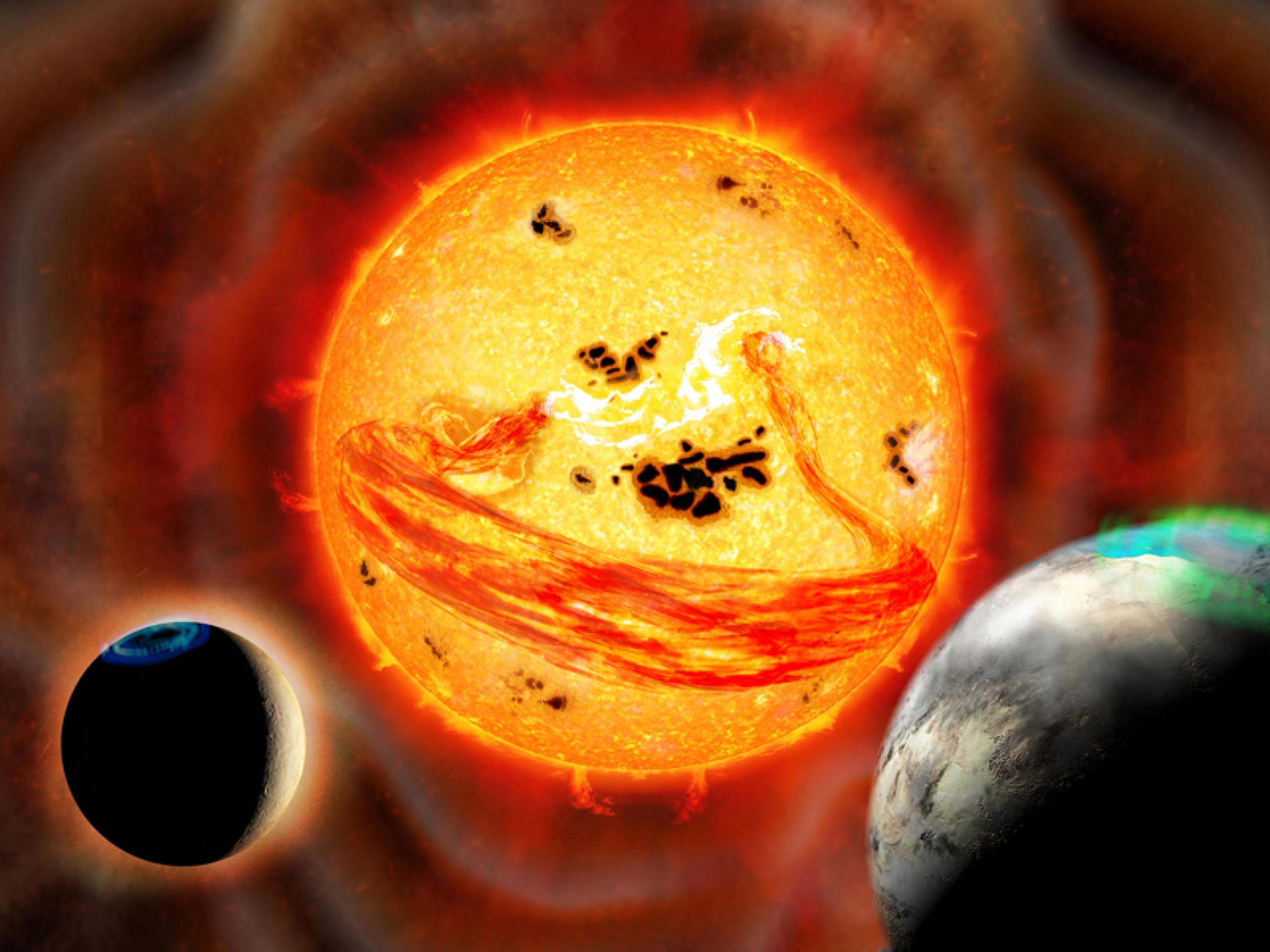
Research on the young star EK Draconis shows that Sun-like stars can emit massive superflares and CMEs, which could strip planetary atmospheres and impact their habitability.
In the search for “potentially habitable” extrasolar planets, one of the main things scientists look at is stellar activity. Whereas stars like our own, a G-type (G2V) yellow dwarf, are considered stable over time, other classes are variable and prone to flare-ups – particularly M-type red dwarf stars. Even if a star has multiple planets orbiting within its habitable zone (HZ), the tendency to periodically flare could render these planets completely uninhabitable.
According to a new study, stars like our own may not be as stable as previously thought. While observing EK Draconis, a G1.5V yellow dwarf located 110.71 light-years away, an international team of astronomers witnessed a massive coronal mass ejection that dwarfed anything we’ve ever seen in our Solar System. These observations suggest that these ejections can worsen over time, which could be a dire warning for life here on Earth.
The study, which appeared in the journal Nature Astronomy, was led by Dr. Kosuke Namekata, a researcher at Kyoto University, the National Astronomical Observatory of Japan (NAOJ), and the National Solar Observatory (NSO). He was joined by researchers from CU Boulder’s Laboratory for Atmospheric and Space Physics (LASP), the Nishi-Harima Astronomical Observatory (NHAO), the Tokyo Institute of Technology, the Graduate School of Advanced Integrated Studies in Human Survivability, and multiple universities.
The Dangers of Coronal Mass Ejections
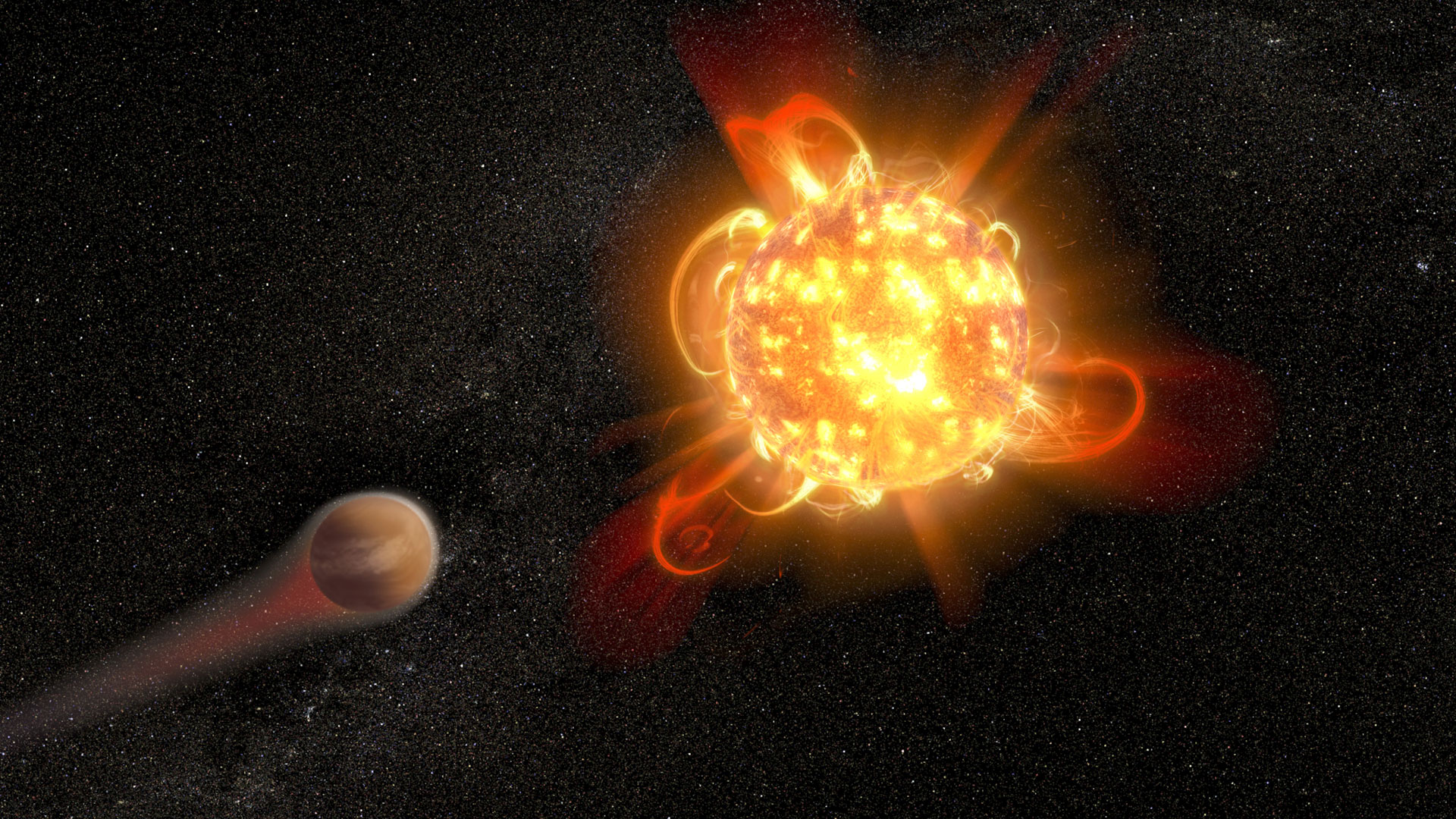
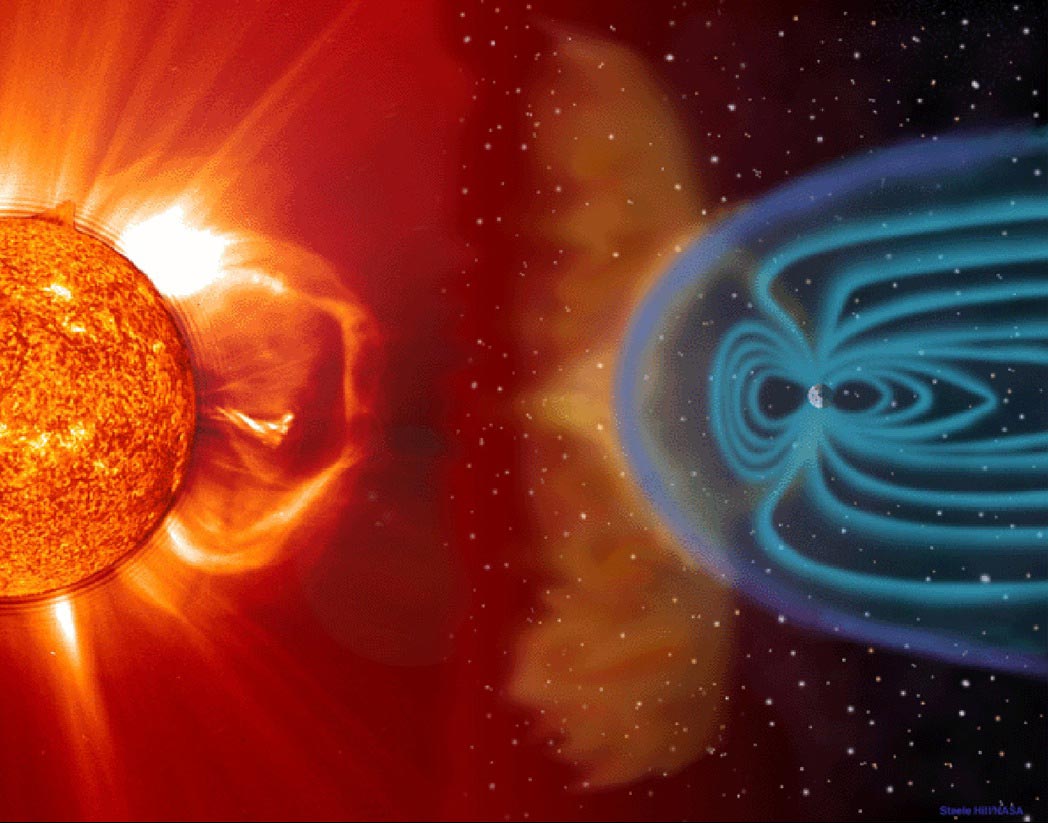
Their study explores a stellar phenomenon known as a “coronal mass ejection” (CME), aka. a solar storm. These ejections, which occur with our Sun regularly, often accompany a stellar flare (or sudden and bright burst of radiation). When they happen, CMEs send clouds of extremely hot charged particles (aka. plasma) at extremely high velocities into space. While Earth is protected from charged particles by its planetary magnetic field, a CME could cause significant damage if it hit Earth head-on.
Astronauts in orbit would be exposed to lethal radiation levels, satellites would be disabled, and Earth-based infrastructure (like electrical grids) would be knocked out. Earth has experienced several powerful geomagnetic storms over time, the most well-known example of which was the Carrington Event in 1859. Several such events have occurred in Earth’s history and are usually several thousand years apart.
While studying EK Draconis, the research team observed evidence that superflares may become worse for Sun-like stars over time. As co-author Yuta Notsu (LASP) explained in a recent CU Boulder Today press release:
“Coronal mass ejections can have a serious impact on Earth and human society. This kind of big mass ejection could, theoretically, also occur on our sun. This observation may help us to better understand how similar events may have affected Earth and even Mars over billions of years.”
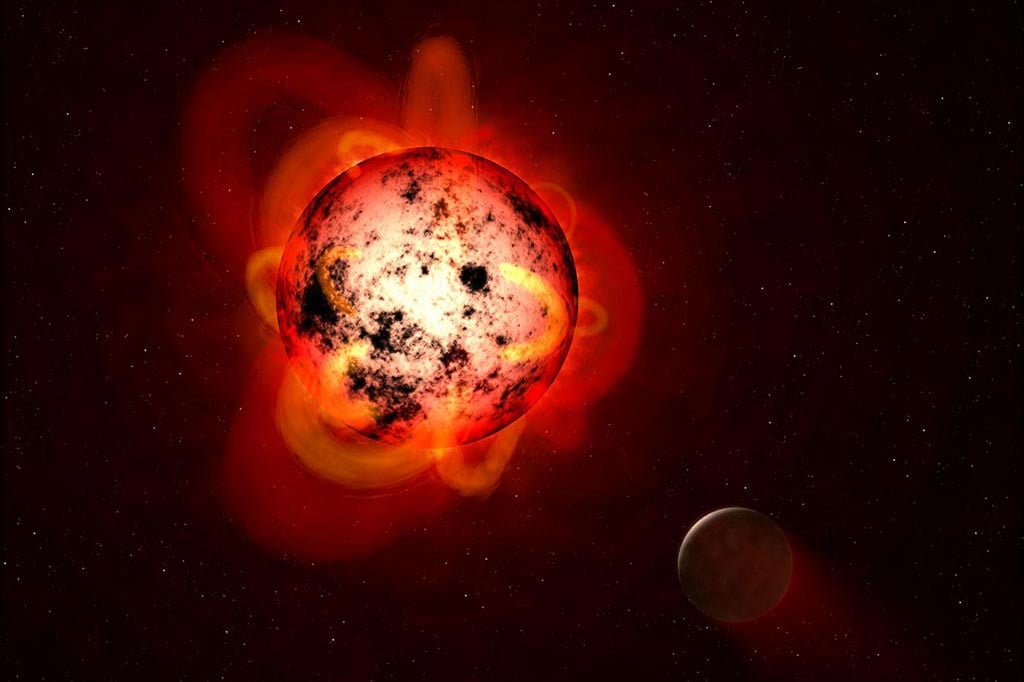
The research builds on previous research by co-author Yuta Notsu, who was joined by many of the researchers who conducted this latest study. They showed how young Sun-like stars experience frequent superflares that are tens to hundreds of times more powerful than solar flares. The Sun has been known to experience superflares, which appear to happen once every several thousand years. This raised the question: could a superflare also lead to an equally massive “super coronal mass ejection”?
While astronomers have speculated about a possible relationship between these two phenomena, no evidence has been found for it before. To investigate this possibility, Namekata, Notsu, and their colleagues decided to study EK Draconis, which is similar to our Sun in terms of size and mass but is significantly young by comparison (100 million years old compared to our Sun, which is 4.6 billion years old).
Observational Studies on Stellar Phenomena
For the sake of their observations, Namekata, Notsu, and their colleagues used NASA’s Transiting Exoplanet Survey Satellite (TESS) and Kyoto University’s SEIMEI Telescope to observe EK Draconis (which looks like a young version of the Sun) for 32 nights in the winter and spring 2020. On April 5th, 2020, the team observed EK Draconis erupt into a superflare, followed 30 minutes later by a massive ejection of super-hot plasma. Said Notsu:
“This kind of big mass ejection could, theoretically, also occur on our Sun. This observation may help us to better understand how similar events may have affected Earth and even Mars over billions of years. It’s what our Sun looked like 4.5 billion years ago.”
The team was only able to observe the first step in the ejection’s life – the “filament eruption” phase – but were still able to obtain mass and velocity estimates. According to their study, the cloud was more than ten times as large as the most powerful CME ever recorded from a Sun-like star and had a top speed of roughly 1.6 million km (1 million mph). The event could indicate just how dangerous space weather can be.
The Implications of Super CMEs for Earth and Mars
If such an eruption were to occur from our Sun, it would have the potential to strip Earth’s atmosphere and render our planet largely sterile. While their findings indicate that the Sun could be capable of such violent extremes, they also suggest that superflares and super CMEs are probably rare for stars as old as the Sun. But as Notsu explained, super CMEs may have been much more common billions of years ago when our Solar System was still forming.
Super CMEs, in other words, could have played a role in the evolution of planets like Earth and Mars, which includes how one gave rise to life while the other did not. “The atmosphere of present-day Mars is very thin compared to Earth’s,” he said. “In the past, we think Mars had a much thicker atmosphere. Coronal mass ejections may help us to understand what happened to the planet over billions of years.”
This same knowledge could come in handy if and when future generations begin to live on Mars. Protecting the atmosphere from solar activity (including CMEs) will allow the atmosphere to replenish over time, making the planet warmer, wetter, and altogether more liveable!
Adapted from an article originally published on Universe Today.
For more on this research, see A Sun-Like Star May Hold Dire Warnings for Life on Earth.
Reference: “Probable detection of an eruptive filament from a superflare on a solar-type star” by Kosuke Namekata, Hiroyuki Maehara, Satoshi Honda, Yuta Notsu, Soshi Okamoto, Jun Takahashi, Masaki Takayama, Tomohito Ohshima, Tomoki Saito, Noriyuki Katoh, Miyako Tozuka, Katsuhiro L. Murata, Futa Ogawa, Masafumi Niwano, Ryo Adachi, Motoki Oeda, Kazuki Shiraishi, Keisuke Isogai, Daikichi Seki, Takako T. Ishii, Kiyoshi Ichimoto, Daisaku Nogami and Kazunari Shibata, 9 December 2021, Nature Astronomy.
DOI: 10.1038/s41550-021-01532-8
Never miss a breakthrough: Join the SciTechDaily newsletter.
Follow us on Google and Google News.
1 Comment
excellent site…well written articles. I’m a recent stroke recipient(i refuse to say ‘victim’) and find it necessary to indulge in heady works. Thank you!