
Close Menu
    Facebook X (Twitter) Instagram
    SciTechDaily
    • Biology
    • Chemistry
    • Earth
    • Health
    • Physics
    • Science
    • Space
    • Technology
    Facebook X (Twitter) Pinterest YouTube RSS
    SciTechDaily
    Home»Science»AI Dog Personality Algorithm Could Find Your Perfect Canine Companion
    Science

    AI Dog Personality Algorithm Could Find Your Perfect Canine Companion

    By DogvatarFebruary 7, 2024No Comments3 Mins Read
    Facebook Twitter Pinterest Telegram LinkedIn WhatsApp Email Reddit
    Share
    Facebook Twitter LinkedIn Pinterest Telegram Email Reddit
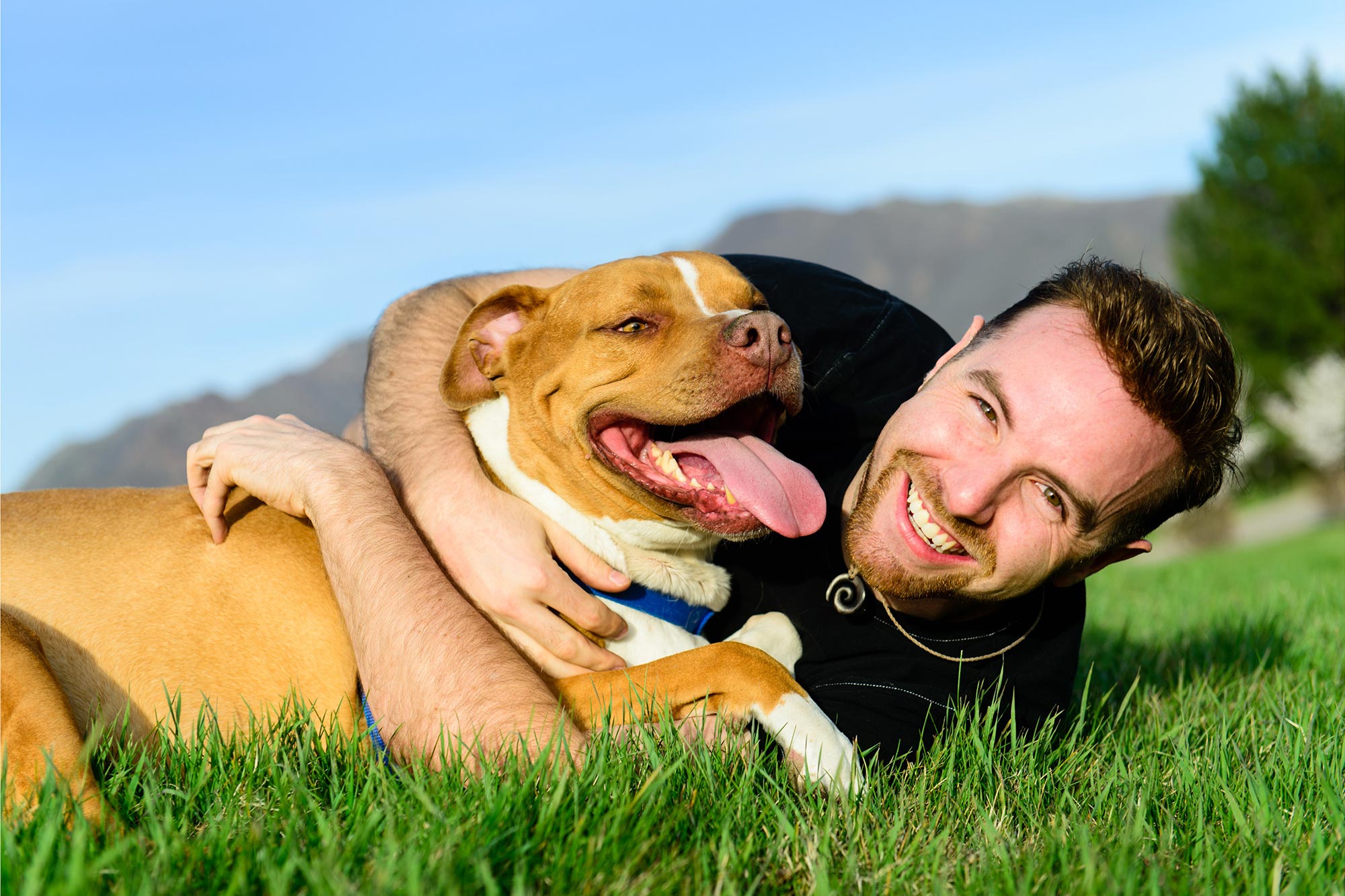
    Dog Best Friend
    An innovative AI algorithm developed by experts in canine behavior aims to accurately assess working dogs’ personalities, facilitating better training and placement outcomes. This collaboration between academia and the canine technology startup Dogvatar uses C-BARQ survey data to predict dog personality types, offering a new approach to dog-human matchmaking.

    Algorithm generates canine personality thumbprint, much like the popular Myers-Briggs test does for people.

    A multi-disciplinary research team specializing in canine behavior and Artificial Intelligence has developed an AI algorithm that automates the high-stakes process of evaluating potential working dogs’ personalities. They hope to help dog training agencies more quickly and accurately assess which animals are likely to succeed long-term in careers such as aiding law enforcement and assisting persons with disabilities. The personality test could also be used for dog-human matchmaking, helping shelters with proper placement, thus reducing the number of animals returned for not being a good fit with their adoptive families.

    Research Collaboration and Findings

    The scientists, from the University of East London and the University of Pennsylvania, conducted the research on behalf of their sponsor Dogvatar, a Miami, Fla.-based canine technology startup. They announced the dog personality testing algorithm results in their paper, “An Artificial Intelligence Approach To Predicting Personality Types In Dogs,” published on January 29, 2024, in Scientific Reports.

    The AI algorithm draws on data from nearly 8,000 responses to the widely used Canine Behavioral Assessment & Research Questionnaire (C-BARQ) to train itself. For over 20 years, the 100-question C-BARQ survey has been the gold standard for evaluating potential working dogs.

    “C-BARQ is highly effective, but many of its questions are also subjective,” said co-Principal Investigator James Serpell, a professor of ethics and animal welfare emeritus at the UPenn School of Veterinary Medicine. “By clustering data from thousands of surveys, we can adjust for outlying responses inherent to subjective survey questions in categories such as dog rivalry and stranger-directed fear.”

    AI Algorithm and Dog Personality Types

    The research team’s experimental AI algorithm works in part by clustering the responses to C-BARQ questions into five main categories that ultimately shape the digital personality thumbprint a given dog receives. These personality types have been identified and described based on analysis of the most influential attributes in each one of the five categories and they include: “excitable/attached,” “anxious/fearful,” “aloof/predatory,” “reactive/assertive,” and “calm/agreeable.” The data points that feed into those ultimate clusters include behavioral attributes such as “excitable when the doorbell rings,” “aggression toward unfamiliar dogs visiting your home,” and “chases or would chase birds given the opportunity.”

    Each attribute is given a “feature importance” value, which is essentially how much weight the attribute receives as the AI algorithm calculates a dog’s personality score.“It’s rather remarkable – these clusters are very meaningful, very coherent,” Serpell said.

    Potential and Future Research

    Dogvatar and its collaborating researchers intend to conduct further research into potential applications for their dog personality testing algorithm.

    “This has been a really exciting breakthrough for us,” said Dogvatar CEO “Alpha Pack Leader” Piya Pettigrew. “This algorithm could greatly improve efficiency in the working dog training and placement process, and could help reduce the number of companion dogs brought back to shelters for not being compatible. It’s a win for both dogs and the people they serve.”

    Reference: “An artificial intelligence approach to predicting personality types in dogs” by Mohammad Hossein Amirhosseini, Vinaykumar Yadav, James A. Serpell, Piya Pettigrew and Paris Kain, 29 January 2024, Scientific Reports.
    DOI: 10.1038/s41598-024-52920-9

    Never miss a breakthrough: Join the SciTechDaily newsletter.
    Follow us on Google and Google News.

    Artificial Intelligence Dogs Machine Learning
    Share. Facebook Twitter Pinterest LinkedIn Email Reddit

    Related Articles

    AI Takes the Pulse: Revolutionizing Heart Disease Detection in Dogs

    AI Reveals Walking Patterns of Movement Disorders Shared Among Worms, Mice, and Humans

    Artificial Intelligence Powers a Disease-Sniffing Device That Rivals a Dog’s Nose

    Counting Elephants From Space: Using Computer Algorithms in Conservation of Endangered Wildlife

    AI Predicts Where and When Lightning Will Strike – Can Even Issue Alerts Before Storm Has Formed

    Artificial Intelligence Model Shows in Striking Detail What Makes Some Images Stick in Our Minds

    New Chip Reduces Neural Networks’ Power Consumption by 95 Percent

    Engineers Develop Automated Process for Discovering Optimal Structure for Metamaterials

    MIT Launches Intelligence Quest To Advance Human and Machine Intelligence Research

    Leave A Reply Cancel Reply

    • Facebook
    • Twitter
    • Pinterest
    • YouTube

    Don't Miss a Discovery

    Subscribe for the Latest in Science & Tech!

    Trending News

    Largest-Ever Study Finds Medicinal Cannabis Ineffective for Anxiety, Depression, PTSD

    250-Million-Year-Old Egg Solves One of Evolution’s Biggest Mysteries

    Living With Roommates Might Be Changing Your Gut Microbiome Without You Knowing

    Century-Old Cleaning Chemical Linked to 500% Increased Risk of Parkinson’s Disease

    What if Your Memories Never Happened? Physicists Take a New Look at the Boltzmann Brain Paradox

    One of the Universe’s Largest Stars May Be Getting Ready To Explode

    Scientists Discover Enzyme That Could Supercharge Ozempic-Like Weight Loss Drugs

    Popular Sweetener Linked to DNA Damage – “It’s Something You Should Not Be Eating”

    Follow SciTechDaily
    • Facebook
    • Twitter
    • YouTube
    • Pinterest
    • Newsletter
    • RSS
    SciTech News
    • Biology News
    • Chemistry News
    • Earth News
    • Health News
    • Physics News
    • Science News
    • Space News
    • Technology News
    Recent Posts
    • This Simple Blood Test Could Outperform “Bad Cholesterol” in Preventing Heart Disease
    • Scientists Uncover Potential Brain Risks of Popular Fish Oil Supplements
    • Scientists Prove There Are Just Six Degrees of Separation in a Social Network
    • Bee Bacteria Could Fix a Major Flaw in Plant-Based Milk
    • Scientists Discover a Surprising Way To Make Bread Healthier and More Nutritious
    Copyright © 1998 - 2026 SciTechDaily. All Rights Reserved.
    • Science News
    • About
    • Contact
    • Editorial Board
    • Privacy Policy
    • Terms of Use

    Type above and press Enter to search. Press Esc to cancel.