
Close Menu
    Facebook X (Twitter) Instagram
    SciTechDaily
    • Biology
    • Chemistry
    • Earth
    • Health
    • Physics
    • Science
    • Space
    • Technology
    Facebook X (Twitter) Pinterest YouTube RSS
    SciTechDaily
    Home»Science»Alarmingly Refreshing: Why Hitting Snooze Might Be Good For You
    Science

    Alarmingly Refreshing: Why Hitting Snooze Might Be Good For You

    By WileyOctober 22, 2023No Comments2 Mins Read
    Facebook Twitter Pinterest Telegram LinkedIn WhatsApp Email Reddit
    Share
    Facebook Twitter LinkedIn Pinterest Telegram Email Reddit
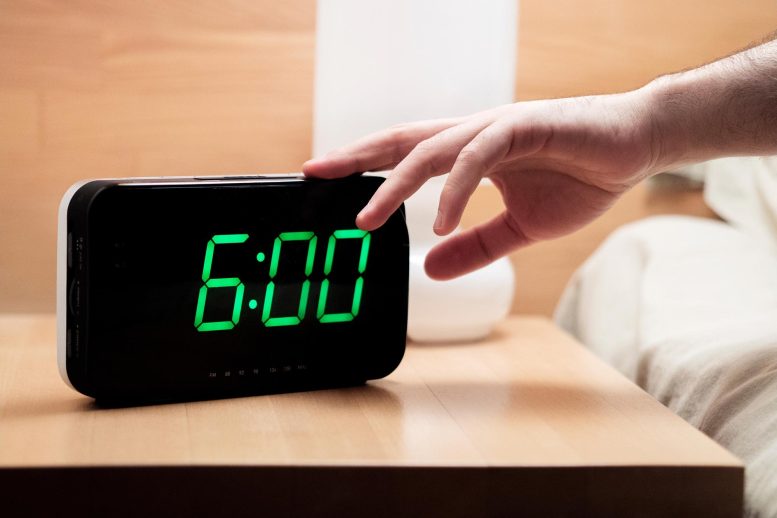
    Alarm Clock 6 AM
    Research from the Journal of Sleep Research indicates potential benefits of hitting the snooze button. Dr. Tina Sundelin of Stockholm University suggests that a short snooze might aid in combating morning drowsiness.

    A study reveals that snoozing might benefit cognitive performance upon waking, with no adverse effects on sleep quality or mood.

    Benefits of Hitting the Snooze Button

    Snoozing, or using intermittent alarms to get in a few more minutes of sleep in the morning, may have benefits for some people, according to research published on October 17 in the Journal of Sleep Research.

    Study Findings on Snoozing Habits

    In a study of 1,732 adults who described their waking habits, 69% of participants reported using the snooze function or setting multiple alarms at least “sometimes.” In those who snoozed, the average time spent snoozing per morning was 22 minutes, ranging from 1 to 180 minutes. Snoozers tended to be younger than non-snoozers and were more likely to be evening types. Morning drowsiness and shorter sleep were also more common in those who snoozed.

    Cognitive Benefits of Snoozing

    In a second study of 31 habitual snoozers, 30 minutes of snoozing improved or did not affect performance on cognitive tests directly upon rising compared with waking up abruptly. Snoozing resulted in about 6 minutes of lost sleep, but it prevented awakening from slow-wave sleep. There were no clear effects of snoozing on stress hormone levels, morning sleepiness, mood, or overnight sleep structure.

    Expert Insight

    “The findings indicate that there is no reason to stop snoozing in the morning if you enjoy it, at least not for snooze times around 30 minutes. In fact, it may even help those with morning drowsiness to be slightly more awake once they get up,” said corresponding author Tina Sundelin, PhD, of Stockholm University.

    For more on this research, see Snoozing Benefits Uncovered in Sleep Research.

    Reference: “Is snoozing losing? Why intermittent morning alarms are used and how they affect sleep, cognition, cortisol, and mood” by Tina Sundelin, Shane Landry and John Axelsson, 17 October 2023, Journal of Sleep Research.
    DOI: 10.1111/jsr.14054

    Never miss a breakthrough: Join the SciTechDaily newsletter.
    Follow us on Google and Google News.

    Psychology Sleep Science Wiley
    Share. Facebook Twitter Pinterest LinkedIn Email Reddit

    Related Articles

    Late-Night Cheese May Fuel Nightmares – New Study Explains How

    Unwind and Thrive: How Evening “Recovery” Impacts Your Workday Mood

    One Brain Region Teaches Another During Sleep, Converting New Data Into Enduring Memories

    Reducing Nightmares: Scientists Manipulate Emotions in Dreams

    Study Finds Listening to Music Near Bedtime Is Disruptive To Sleep

    Catastrophizing: Why We Wake Around 3am and Dwell on Our Fears and Failures

    Research Highlights: The Role of Adult Playfulness in Romantic Life

    Listening to Mozart Can Make You Smarter but No More Than Justin Bieber

    Scientific Study Proves Blogging Therapeutic for Teens

    Leave A Reply Cancel Reply

    • Facebook
    • Twitter
    • Pinterest
    • YouTube

    Don't Miss a Discovery

    Subscribe for the Latest in Science & Tech!

    Trending News

    The Universe Is Expanding Too Fast and Scientists Can’t Explain Why

    “Like Liquid Metal”: Scientists Create Strange Shape-Shifting Material

    Early Warning Signals of Esophageal Cancer May Be Hiding in Plain Sight

    Common Blood Pressure Drug Shows Surprising Power Against Deadly Antibiotic-Resistant Superbug

    Scientists Uncover Dangerous Connection Between Serotonin and Heart Valve Disease

    Scientists Discover a “Protector” Protein That Could Help Reverse Hair Loss

    Bone-Strengthening Discovery Could Reverse Osteoporosis

    Scientists Uncover Hidden Trigger Behind Stem Cell Aging

    Follow SciTechDaily
    • Facebook
    • Twitter
    • YouTube
    • Pinterest
    • Newsletter
    • RSS
    SciTech News
    • Biology News
    • Chemistry News
    • Earth News
    • Health News
    • Physics News
    • Science News
    • Space News
    • Technology News
    Recent Posts
    • The Simple Habit That Could Help Prevent Cancer
    • Forgotten Medicinal Plant Shows Promise in Fighting Dangerous Superbugs
    • Millions Take These IBS Drugs, But a New Study Finds Serious Risks
    • 5 Common Myths About Learning a New Language, Debunked
    • The Neanderthal “Love Story” Isn’t What It Seems
    Copyright © 1998 - 2026 SciTechDaily. All Rights Reserved.
    • Science News
    • About
    • Contact
    • Editorial Board
    • Privacy Policy
    • Terms of Use

    Type above and press Enter to search. Press Esc to cancel.