
 The Study Also Identified a New Prostate Cancer Taxonomy

Two groundbreaking studies recently published in the journals Nature and Genome Medicine found genetic signatures that explain ethnic disparities in the severity of prostate cancer, notably in Sub-Saharan Africa.
By genetically analyzing prostate cancer tumors from Australian, Brazilian, and South African donors, the team developed a new prostate cancer taxonomy (classification scheme) and cancer drivers that not only distinguish patients based on their genetic ancestry but also predict which cancers are likely to become life-threatening, a task that is currently difficult.
The Role of African Genomic Data
“Our understanding of prostate cancer has been severely limited by a research focus on Western populations,” said senior author Professor Vanessa Hayes, genomicist and Petre Chair of Prostate Cancer Research at the University of Sydney’s Charles Perkins Centre and Faculty of Medicine and Health in Australia. “Being of African descent, or from Africa, more than doubles a man’s risk for lethal prostate cancer. While genomics holds a critical key to unraveling contributing genetic and non-genetic factors, data for Africa has till now, been lacking.”
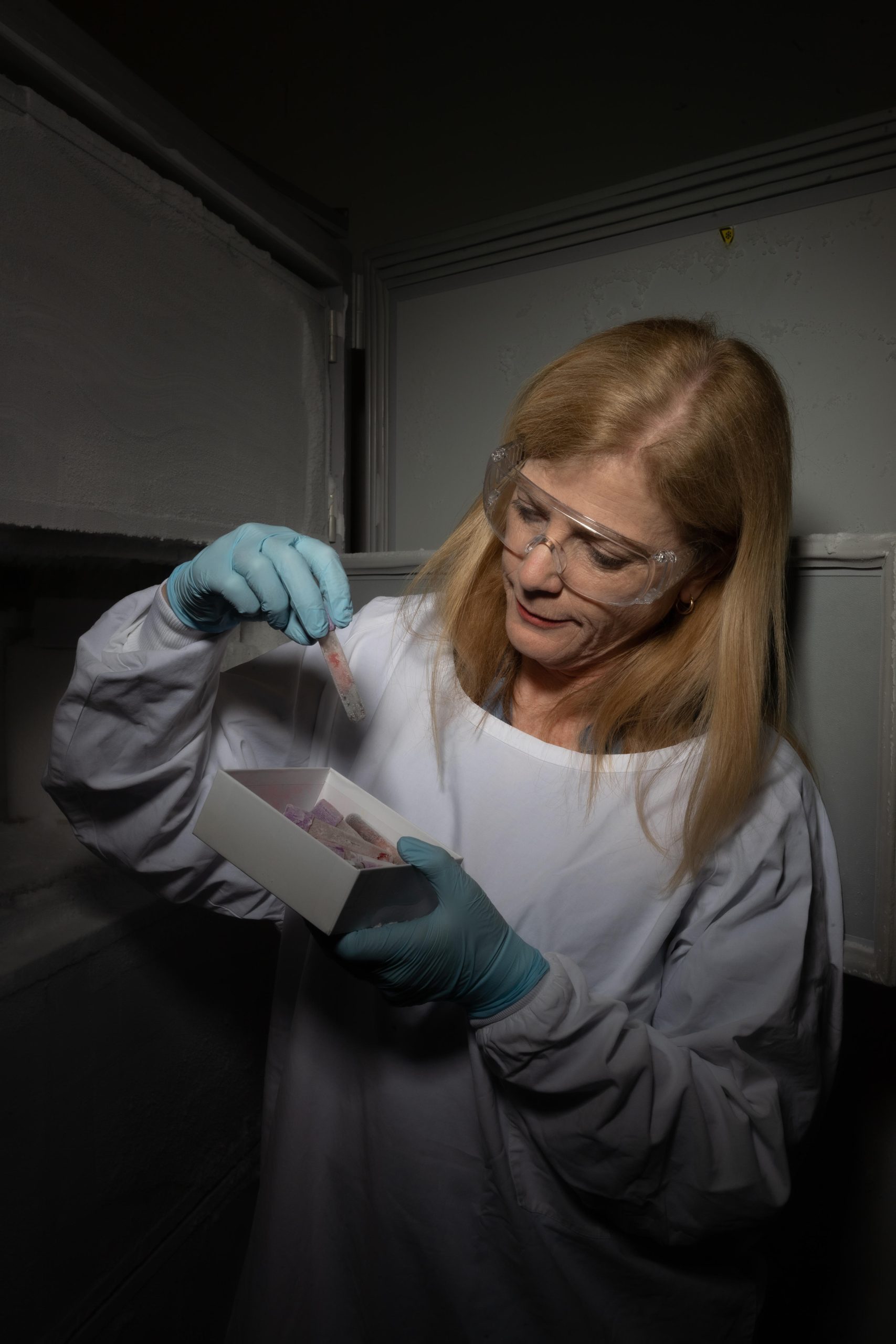
“Prostate cancer is the silent killer in our region,” said University of Pretoria’s Professor Riana Bornman, an international expert in men’s health and clinical lead for the Southern African Prostate Cancer Study in South Africa. “We had to start with a grassroots approach, engaging communities with open discussion, establishing the infrastructure for African inclusion in the genomic revolution, while determining the true extent of prostate disease.”
Genomic Variants and Prostate Cancer Taxonomy
Over two million cancer-specific genomic variants were identified in 183 untreated prostate tumors from males residing throughout the three research zones using advanced whole genome sequencing (a method of mapping the full genetic code of cancer cells).
“We found Africans to be impacted by a greater number and spectrum of acquired (including cancer driver) genetic alterations, with significant implications for ancestral consideration when managing and treating prostate cancer,” said Professor Hayes.
“Using cutting-edge computational data science which allowed for pattern recognition that included all types of cancer variants, we revealed a novel prostate cancer taxonomy which we then linked to different disease outcomes,” said Dr. Weerachai Jaratlerdsiri, a computational biologist from the University of Sydney and first author on the Nature paper.
“Combining our unique dataset with the largest public data source of European and Chinese cancer genomes allowed us to, for the first time, place the African prostate cancer genomic landscape into a global context.”
Chromosomal Changes and Their Impact on Disease Progression
As part of her Ph.D. at the University of Sydney, Dr. Tingting Gong, the first author of the Genome Medicine paper, painstakingly sifted through the genomic data for large changes in the structure of chromosomes (molecules that hold genetic information). These changes are often overlooked because of the complexity involved in computationally predicting their presence, but are an area of critical importance and contribution to prostate cancer.
“We showed significant differences in the acquisition of complex genomic variation in African and European derived tumors, with consequences for disease progression and new opportunities for treatment,” said Dr. Gong.
This cancer genome resource is possibly the first and largest to include African data, in the world.
African Inclusion in Prostate Cancer Research
“Through African inclusion, we have made the first steps not only towards globalizing precision medicine but ultimately to reducing the impact of prostate cancer mortality across rural Africa,” explains Professor Bornman.
“A strength of this study was the ability to generate and process all data through a single technical and analytical pipeline,” added Professor Hayes.
The research featured in the Nature and Genome Medicine paper is part of the legacy of the late Archbishop Emeritus Desmond Tutu. He was the first African to have his complete genome sequenced, data which would be an integral part of genetic sequencing and prostate cancer research in southern Africa.
The results of the sequencing were published in Nature in 2010.
“Diagnosed at age 66 with advanced prostate cancer, to which he succumbed in late December 2021, the Archbishop was an advocate not only for prostate cancer research in southern Africa, but also the benefits that genomic medicine would offer all peoples,” recollected Professor Hayes.
“We hope this study is the first step to that realization.”
References:
“African-specific molecular taxonomy of prostate cancer” by Weerachai Jaratlerdsiri, Jue Jiang, Tingting Gong, Sean M. Patrick, Cali Willet, Tracy Chew, Ruth J. Lyons, Anne-Maree Haynes, Gabriela Pasqualim, Melanie Louw, James G. Kench, Raymond Campbell, Lisa G. Horvath, Eva K. F. Chan, David C. Wedge, Rosemarie Sadsad, Ilma Simoni Brum, Shingai B. A. Mutambirwa, Phillip D. Stricker, M. S. Riana Bornman, and Vanessa M. Hayes, 31 August 2022, Nature.
DOI: 10.1038/s41586-022-05154-6
“Genome-wide interrogation of structural variation reveals novel African-specific prostate cancer oncogenic drivers” by Tingting Gong, Weerachai Jaratlerdsiri, Jue Jiang, Cali Willet, Tracy Chew, Sean M. Patrick, Ruth J. Lyons, Anne-Maree Haynes, Gabriela Pasqualim, Ilma Simoni Brum, Phillip D. Stricker, Shingai B. A. Mutambirwa, Rosemarie Sadsad, Anthony T. Papenfuss, Riana M. S. Bornman, Eva K. F. Chan and Vanessa M. Hayes, 31 August 2022, Genome Medicine.
DOI: 10.1186/s13073-022-01096-w
Professor Hayes acknowledges the foresight of The Petre Foundation and donor Daniel Petre who has supported her vision for inclusive genomic research for over eight years.
Never miss a breakthrough: Join the SciTechDaily newsletter.
Follow us on Google and Google News.
1 Comment
Genetics do not dictate destiny. Our western medicine is based in profit, not health.
We already know that the cause of cancer is due to deterioration of the immune system. So why are we not trying to fix the environmental factors which trigger the genes to turn on? Oh could it be… That polluting the environment is in the interest of profit? And making some type of stupid vaccine benefits the economy because we can continue to destroy the environment while making a profit. Is this the idea of 2 birds and 1 stone?