
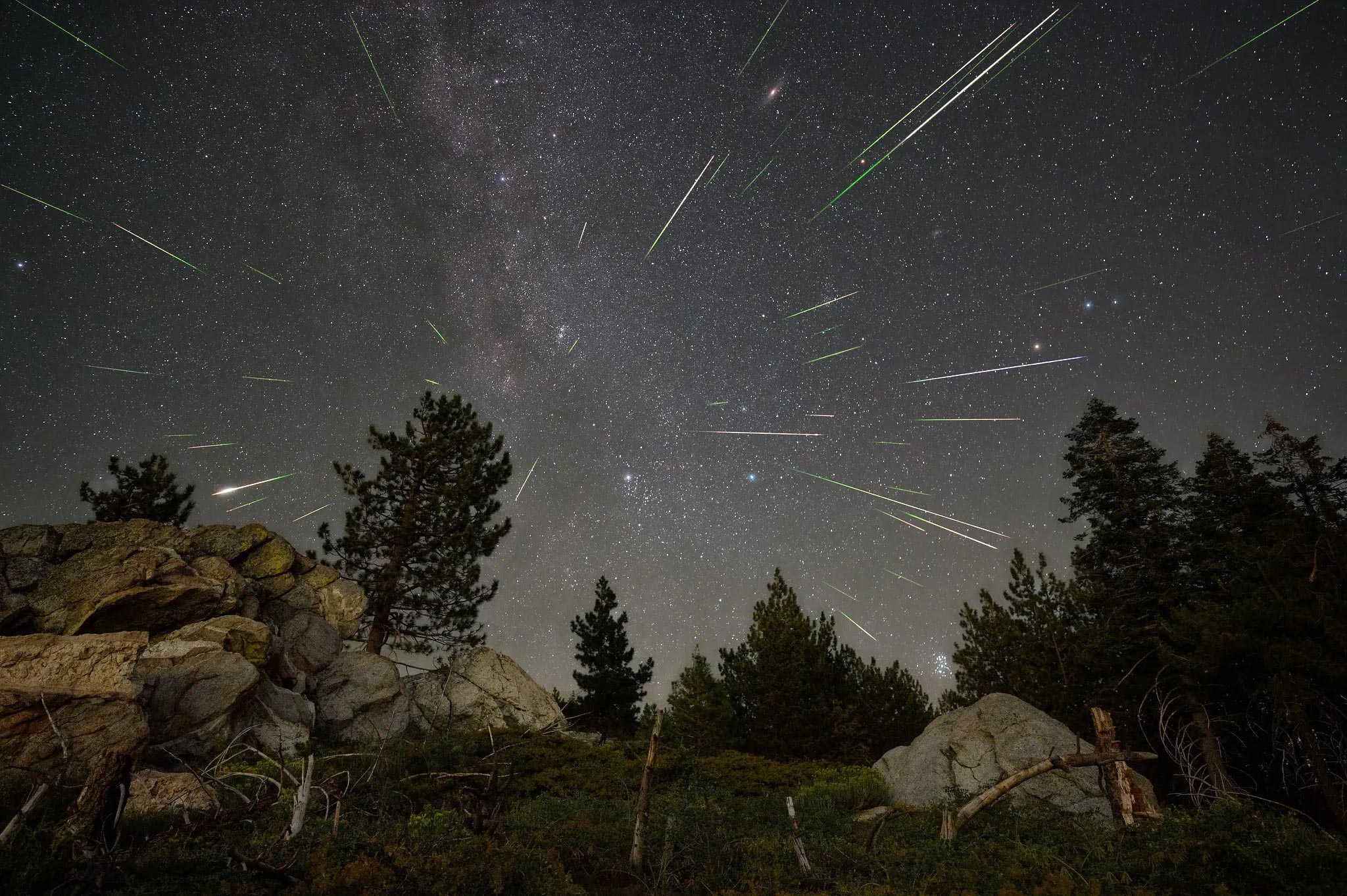
Get ready for a celestial event—but keep your expectations grounded.
The Southern delta Aquariid meteor shower peaks July 30–31 and is best viewed from the Southern Hemisphere. Northern stargazers may only catch a few faint streaks due to the shower’s origin in the Aquarius constellation and the tiny size of the meteors.
Southern Skies Light Up
Attention, stargazers: The Southern delta Aquariid meteor shower will reach its peak late on the night of July 30 and continue into the early hours of July 31. Before heading outside with a blanket and bug spray, it’s worth setting the right expectations.
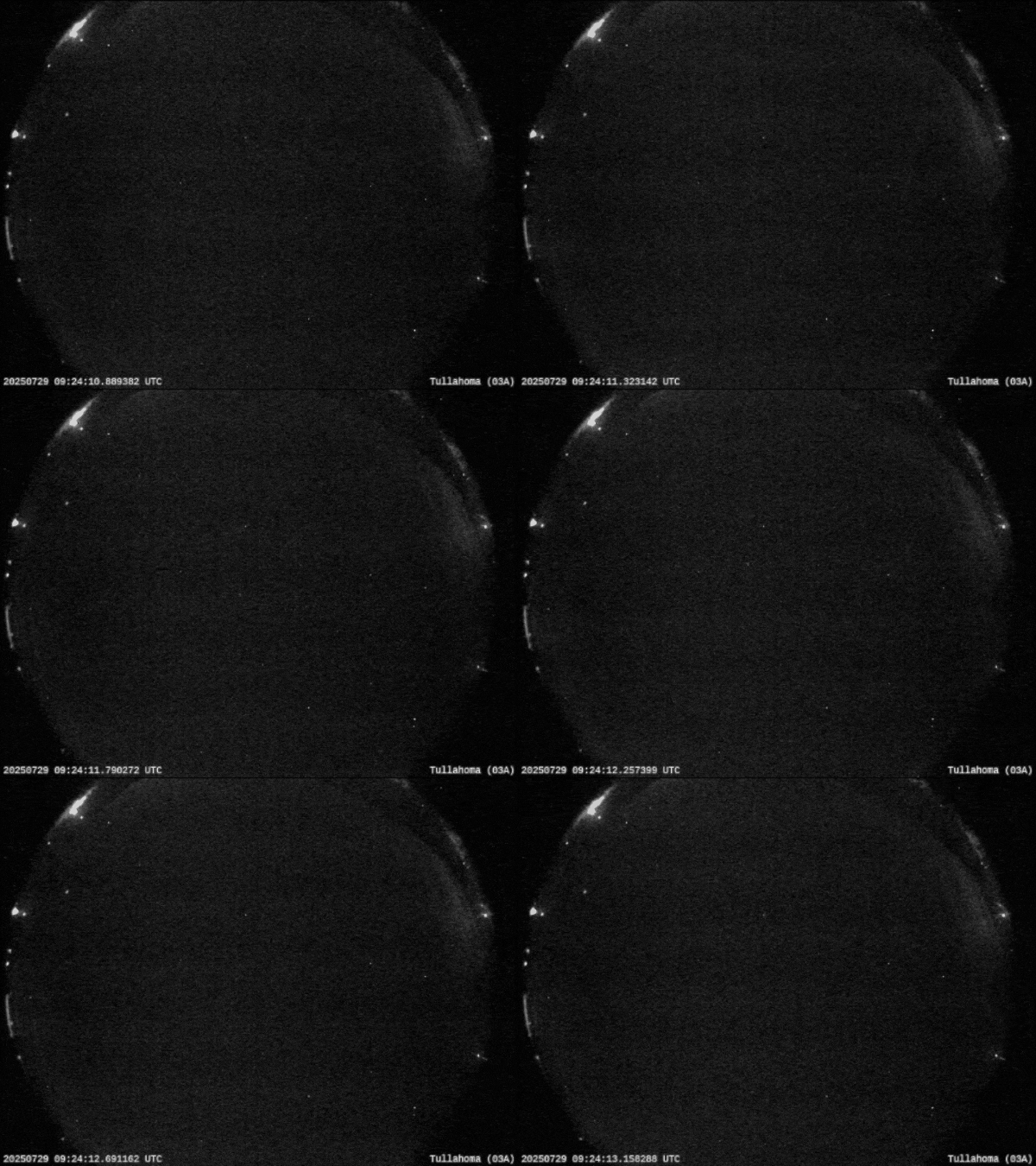
While NASA is a big fan of meteor showers (they even have special cameras that track them), they also value scientific accuracy. And here’s the honest truth: if you’re in the Northern Hemisphere, you probably won’t see very many meteors from this event.
Here’s what you need to know.
The Basics
- Peak: Night of July 30 into early morning of July 31
- Best Viewing: 2:30 a.m. local time
- Peak Rate: Fewer than 10 meteors per hour in the Northern Hemisphere and up to 20 per hour in the Southern Hemisphere, under ideal conditions (perfectly clear, very dark skies)
- Moon Interference: Minimal this year
The Science
The Southern delta Aquariids are what astronomers call a “medium strength” meteor shower, but here’s the catch – they’re better seen by our friends in the Southern Hemisphere. That’s because the shower’s radiant (the point where the meteors appear to come from) sits in the constellation Aquarius, which sits higher in the night sky in southern parts of the world.
Most astronomers think these meteors come from Comet 96P/Machholz, which zips around the Sun every 5.3 years. On each pass, the comet sheds a layer of dust that spreads into a trail around its orbit. When Earth passes through its trail, tiny bits of comet dust enter our atmosphere and burn up, creating the streaks of light we call meteors.
So, why are they so hard to see? Blame it on their size – they’re tiny. We’re talking particles only millimeters across (roughly 1/25th of an inch). Imagine grains of sand zooming through space at about 28 miles (45 kilometers) per second. They burn up high in our atmosphere in a flurry of fast, faint streaks.
Your eyes might miss these faint streaks of light, but meteor radars pick up their signals (ionization trails) loud and clear. For every Southern delta Aquariid you might see, there’s a ton of them streaking across the skies just beyond the reach of the naked eye – a good reminder that we can’t always see tiny meteoroids.
The Bottom Line
Don’t expect fireworks. Think of the Southern delta Aquariids as the introverts of the meteor world – quiet, low-key, and maybe not so great at parties.
Chin up, stargazers! If it’s more drama you crave, the Perseid and Geminid meteor showers are on their way, and they’re known to make a scene.
Never miss a breakthrough: Join the SciTechDaily newsletter.
Follow us on Google and Google News.