
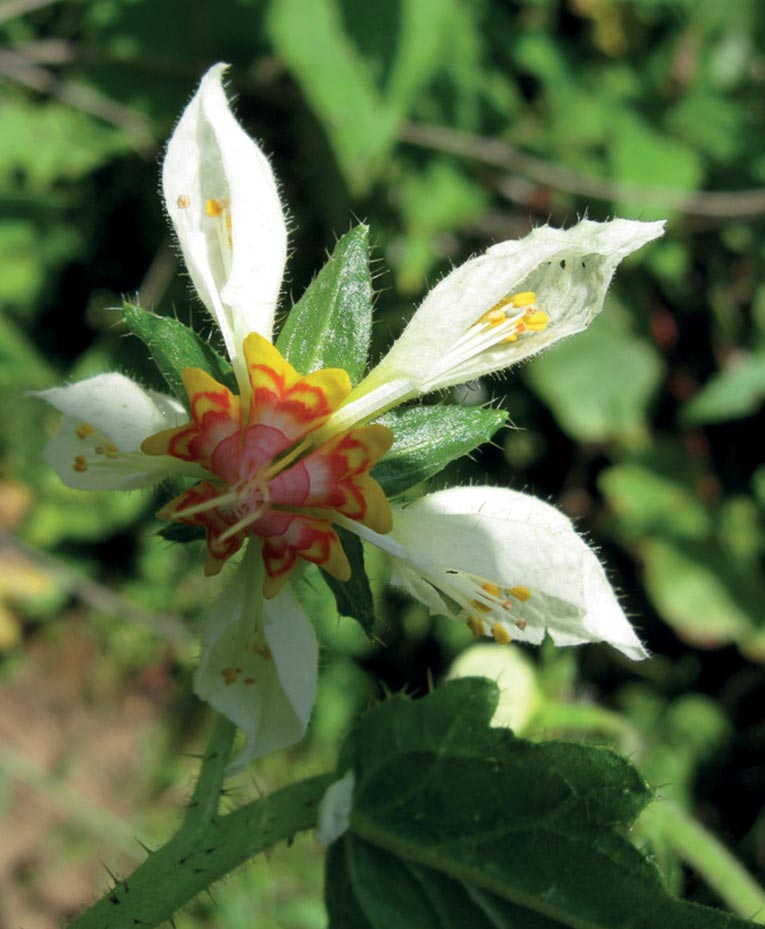
Botanists and plant enthusiasts have rediscovered long-lost plant species in the tropical Andes, using the citizen science platform iNaturalist to uncover hidden biodiversity and emphasize the crucial role of botany in conservation efforts.
Deep in the tropical Andes are hiding plants that were discovered and then forgotten; plants that we knew almost nothing about. Now, thanks to the combined efforts of botanists from Germany, Ecuador, Peru, and Costa Rica and amateur plant enthusiasts, these plants have been rediscovered, some of them after more than 100 years. The findings were described in the open-access journal PhytoKeys.
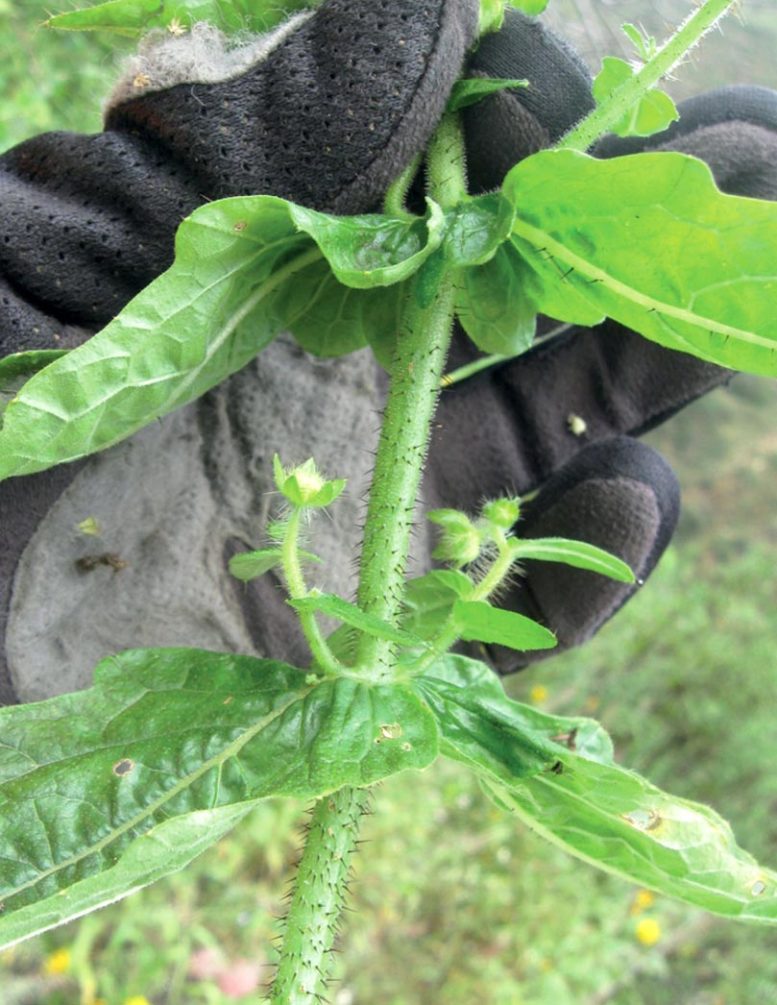
These rediscovered plants belong to Nasa, a genus from the Blazing Star family (Loasaceae) that has long caused headaches to scientists as its delicate but painfully urticant leaves make it difficult to collect. Most of them are rare, highly endemic, and only around for short periods, which makes them even more unlikely to end up in a herbarium collection.
Technological Aid to Plant Rediscovery
Fortunately, modern scientists don’t have to rely on herbaria as their sole source of material and clues. Thanks to the advent of global networking and the increasing use of free data repositories, there is a lot more biodiversity data now that is available to use and easily accessible, for example as geo-referenced occurrence records and photos. Citizen science platform iNaturalist, where users can, among others, post photographic occurrence records, has turned into a valuable tool for biodiversity scientists, and plays a significant role in the rediscovery of these Andean plants.
Remarkable Rediscoveries
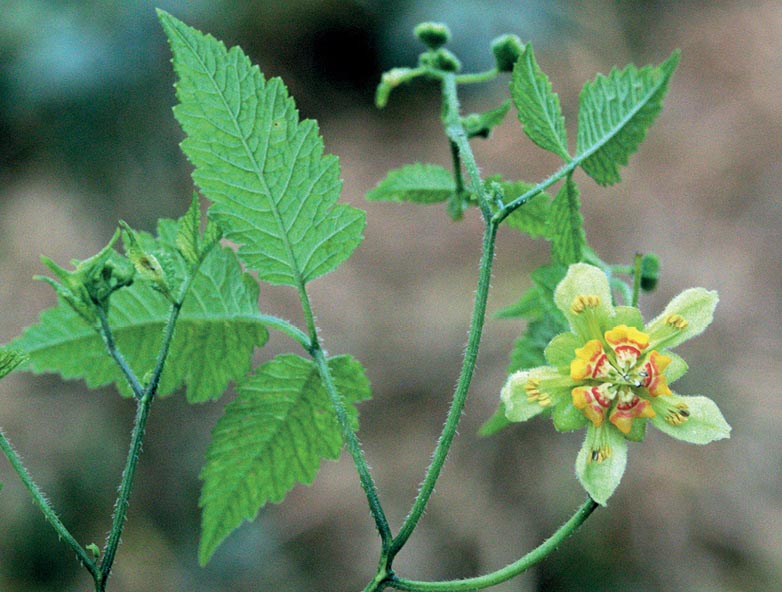
A particularly notable species, Nasa colanii, had only been recorded once, in 1978, until the research team came upon a photograph from 2019. This scarcity in records might have to do with the fact that the plant grows in a highly inaccessible region: in a cloud forest in the buffer zone of Peru’s Cordillera de Colán National Sanctuary, at an elevation of 2,605 meters (8,550 feet).
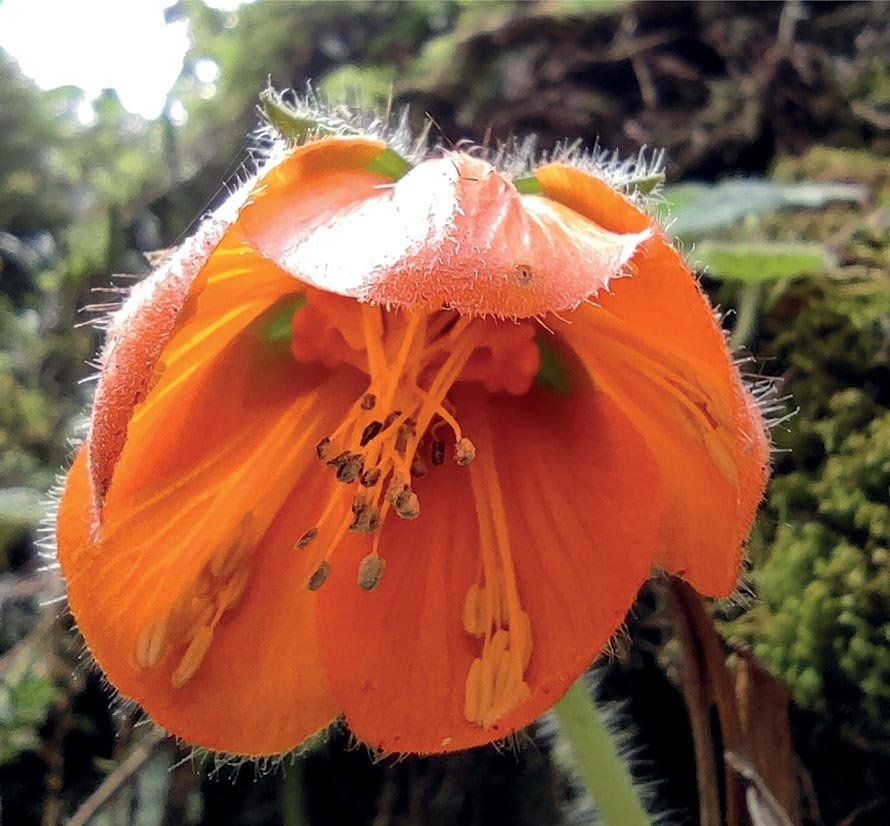
Another species hadn’t been reported for approximately 130 years when iNaturalist users confirmed its existence in 2022 by uploading photographs. Nasa ferox had been known for centuries, but it didn’t get its scientific description until 2000. “Given the location of the park close to the [Ecuadorian] city of Cuenca, and the fact that the important road 582 goes through the park makes it particularly surprising that the species has not been reported in such a long time, even more so if we consider the numerous botanical expeditions that have been carried out in the general region,” the researchers write in their paper. In fact, only a small population of about ten fertile plants of N. ferox has been found, with the plants always growing in sheltered places such as in rock crevices or at the base of shrubs.
Exciting Rediscoveries and The Role of iNaturalist
Remarkably, the typical form of Nasa humboldtiana called Nasa humboldtiana subspecies humboldtiana was rediscovered after 162 years, when the research team found a specimen in a conserved remnant of montane Andean forest in the province of Chimborazo, Ecuador.
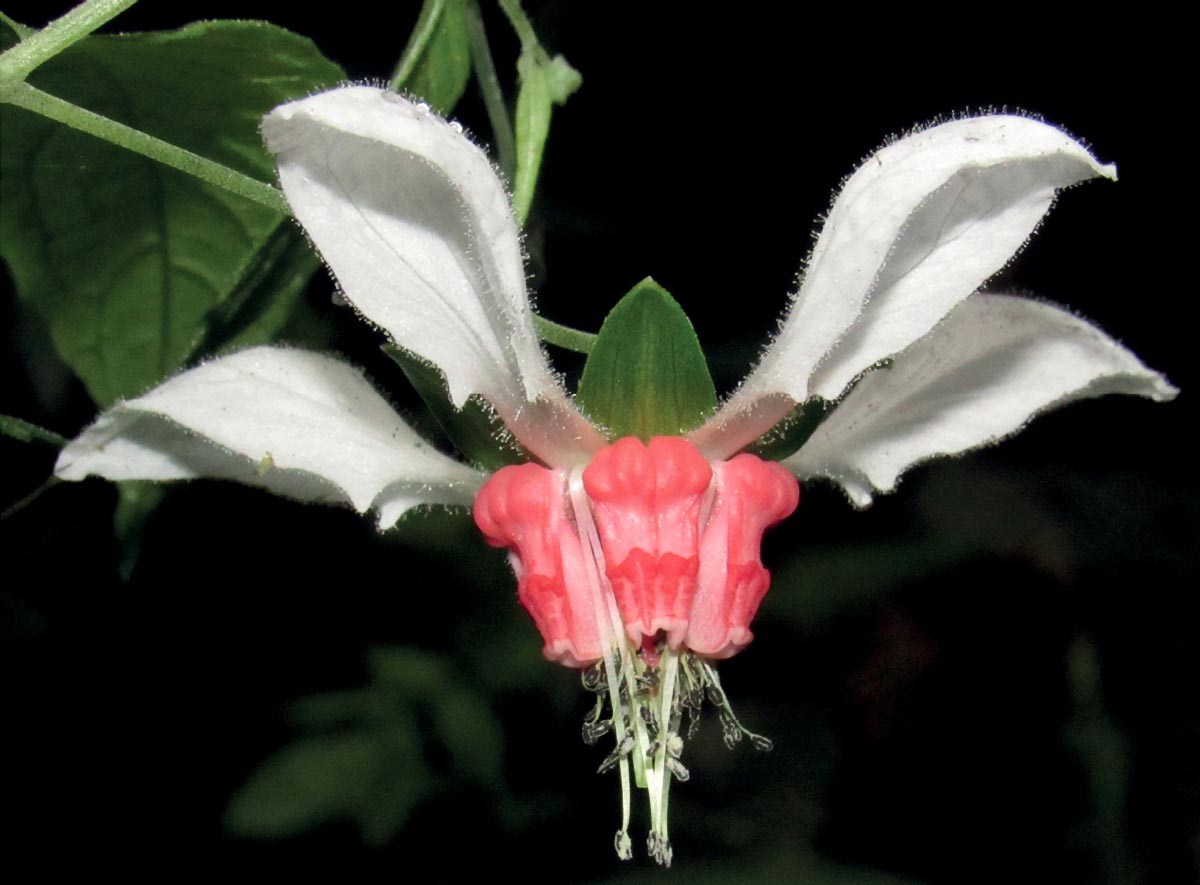
But probably the most exciting discoveries happened when the team found species that have been considered extinct in the wild. Two species of Nasa, namely N. hastata and N. solaria, were believed to share this fate, both from the Peruvian Department of Lima, a comparably well sampled area, given the proximity to the national capital. Until very recently, both species “remained unknown (or almost so) in the wild.” Earlier attempts to recollect these species near their type localities where they have been found some 100 years ago failed and it needed the help of iNaturalist to reveal that they are still present in the area.
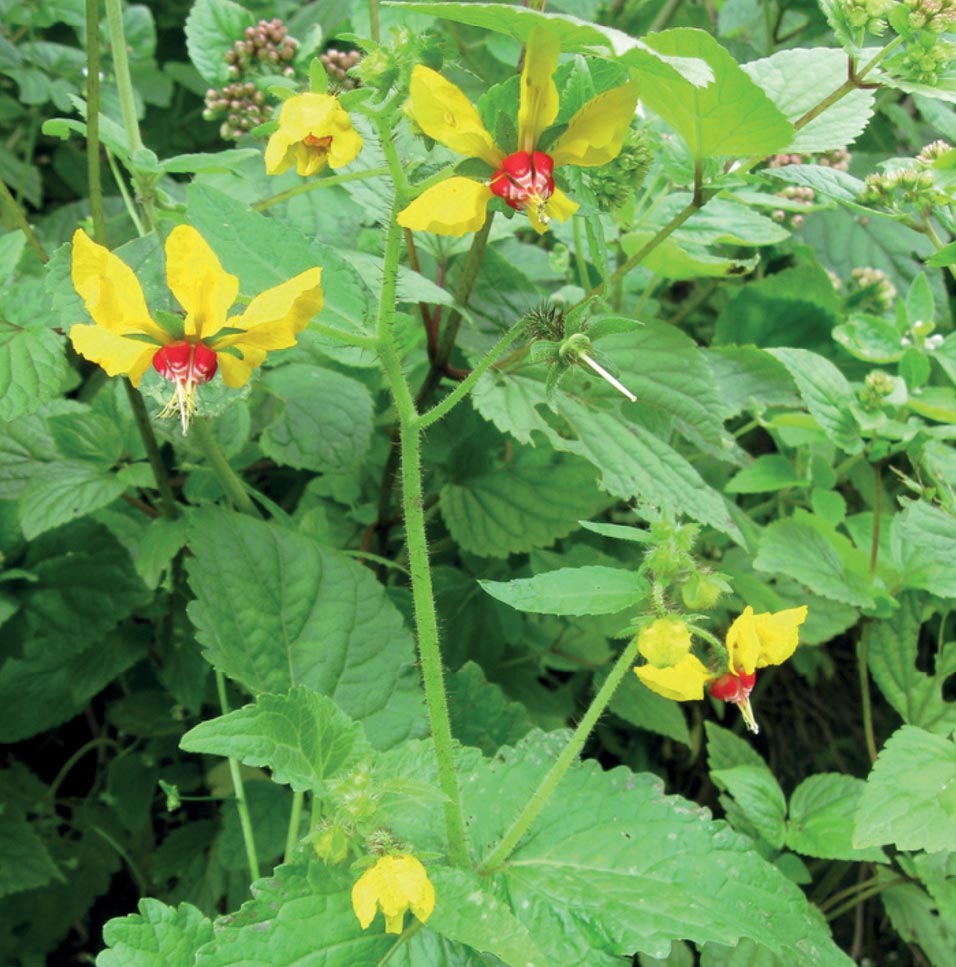
Nasa hastata was recently rediscovered, after, for the first time, photos of living plants showed up taken by the sister of one of the authors. Only a handful of plants have since been reported from two sites, some 7 km apart. Similarly, a few dozens of plants have been found so far from N. solaria occurring in four small relict populations in remnants of forest that once covered larger areas in this region.
Botanical Contributions and Future Outlook
Observations uploaded to iNaturalist also revealed important information on another species, Nasa ramirezii, providing the first photographs of living plants from Ecuador and the first data on its exact location.
“All these discoveries serve as a reminder that even well-studied regions harbor diversity that can so easily remain overlooked and unexplored, and point to the role of botanists in documenting biodiversity which is an essential prerequisite for any conservation effort.” leading author Tilo Henning form the Leibniz Center for Agricultural Landscape Research (ZALF) says.
“Hopefully, as more scientists and members of the public contribute to the database, and more professionals get involved in the curation, more undescribed or ‘long lost’ taxa will be found. Our examples of the rediscovery of Nasa ferox after 130 years and Nasa hastata after 100 years, both ‘found’ on iNaturalist underscore this point,” the researchers say in their study.
Reference: “When the absence of evidence is not the evidence of absence: Nasa (Loasaceae) rediscoveries from Peru and Ecuador, and the contribution of community science networks” by Tilo Henning, Rafael Acuña-Castillo, Xavier Cornejo, Paúl Gonzáles, Edgar Segovia, Akira Armando Wong Sato and Maximilian Weigend, 30 June 2023, PhytoKeys.
DOI: 10.3897/phytokeys.229.100082
Never miss a breakthrough: Join the SciTechDaily newsletter.
Follow us on Google and Google News.