
Close Menu
    Facebook X (Twitter) Instagram
    SciTechDaily
    • Biology
    • Chemistry
    • Earth
    • Health
    • Physics
    • Science
    • Space
    • Technology
    Facebook X (Twitter) Pinterest YouTube RSS
    SciTechDaily
    Home»Earth»Brunt Ice Shelf in Antarctica Speeds Up After Calving of Giant Iceberg
    Earth

    Brunt Ice Shelf in Antarctica Speeds Up After Calving of Giant Iceberg

    By British Antarctic SurveySeptember 15, 20231 Comment4 Mins Read
    Facebook Twitter Pinterest Telegram LinkedIn WhatsApp Email Reddit
    Share
    Facebook Twitter LinkedIn Pinterest Telegram Email Reddit
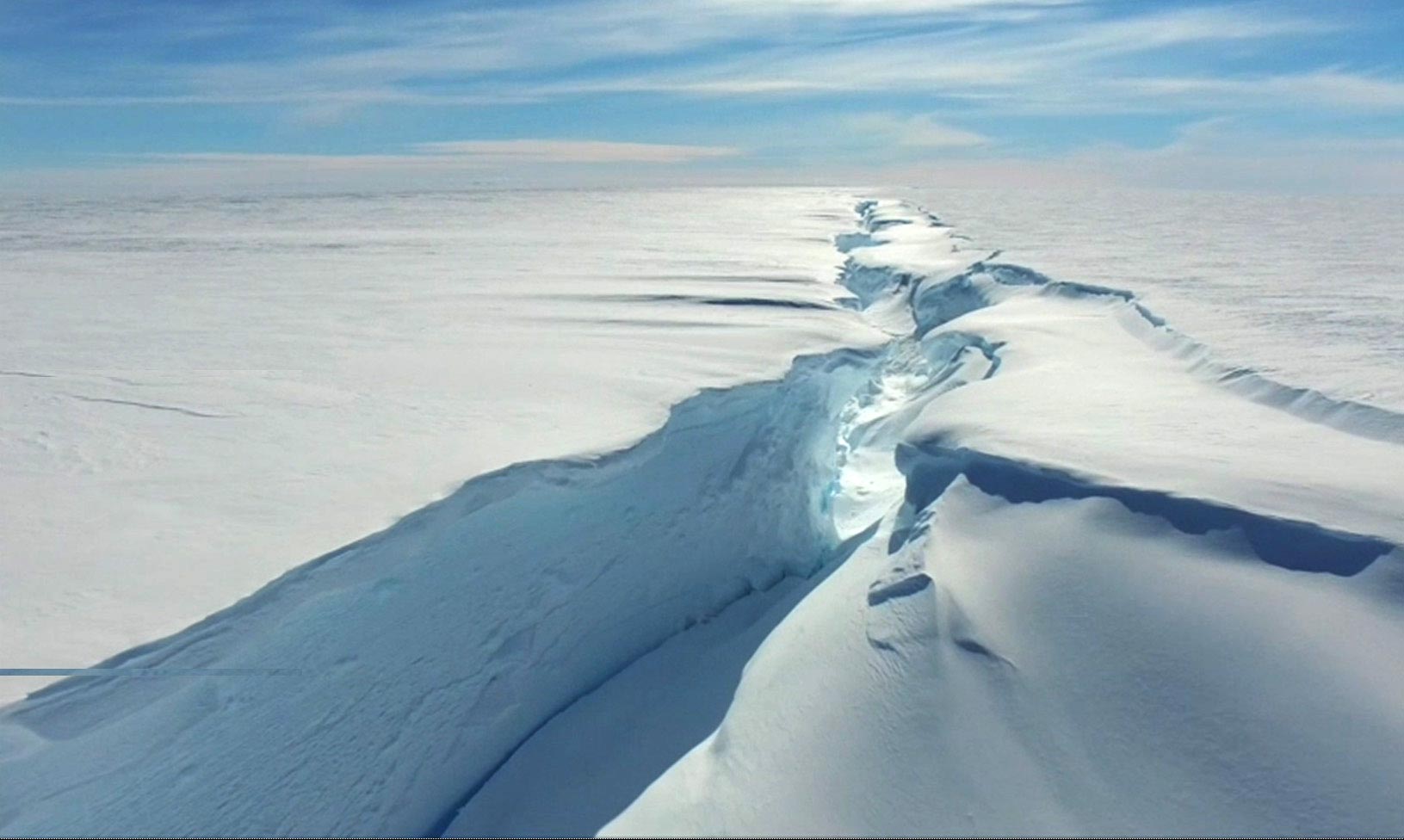
    Chasm 1
    Chasm-1 remained dormant for many years but has now created a new iceberg. Credit: BAS

    Following the calving of the A-81 iceberg at the end of January 2023, the Brunt Ice Shelf in Antarctica is moving faster than before. It is currently moving approximately 4 meters (13 feet) a day towards the sea, whereas before the calving it moved at an average of between 1-2.5 meters (3-8 feet) a day. The observations have been submitted this week to the journal The Cryosphere.

    The Brunt Ice Shelf is among the most studied ice shelves in the world. Its glaciological structure is complex, and the impact of calving events is often unpredictable. Researchers consider that climate change has not played a significant role in the recent acceleration of the Brunt Ice Shelf. It has accelerated due to the loss of its connection with the seafloor in an area known as the McDonald Ice Rumples, following the calving of the A-81 iceberg.

    This connection helped stabilize the ice shelf for most of the last 67 years since it was first occupied and instrumented. The ice shelf is now moving at a rate usually only measured on ice shelves fed by exceptionally fast-flowing outlet glaciers such as Thwaites Glacier in West Antarctica.
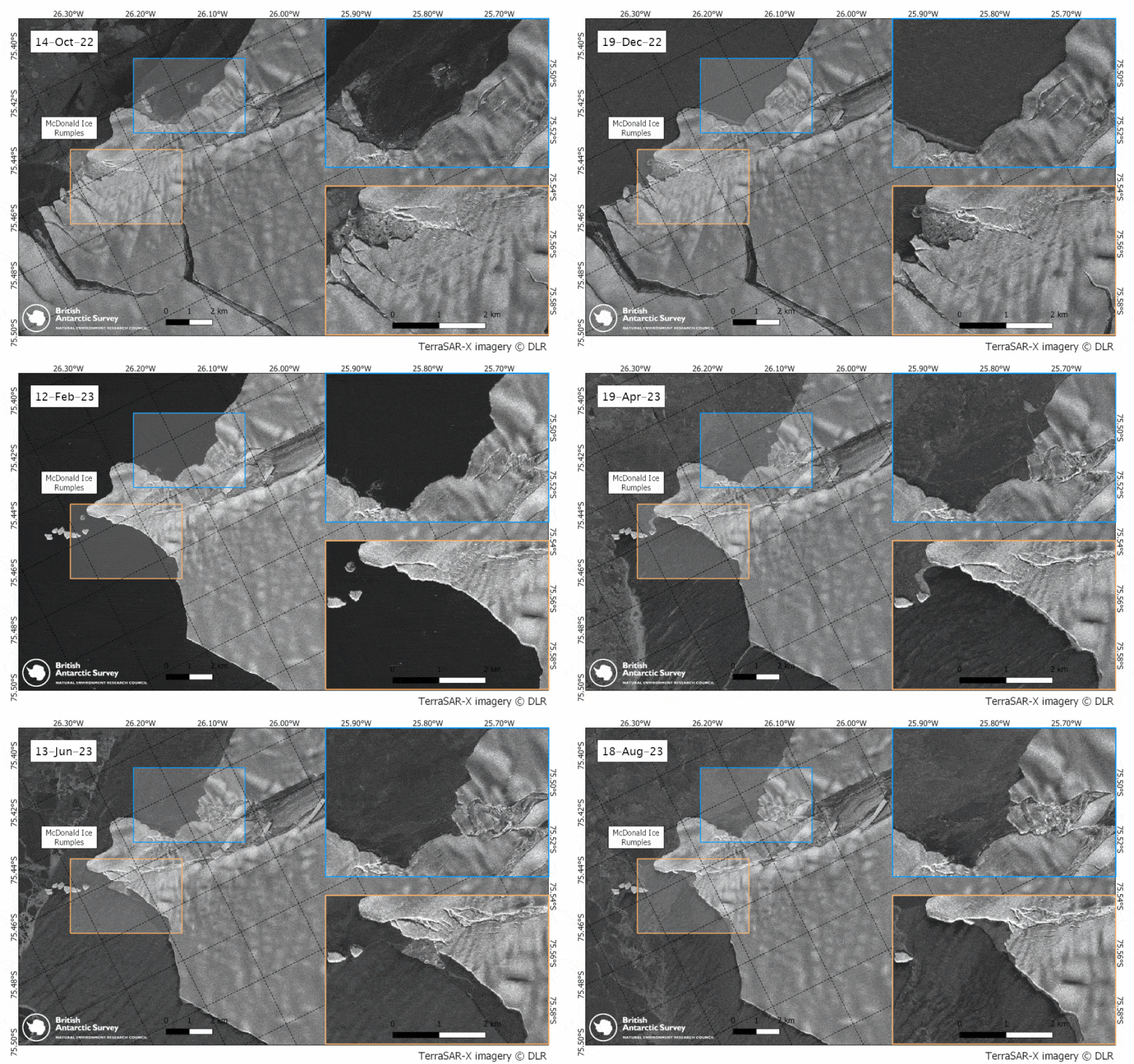
    Brunt Ice Shelf Is Moving Faster
    Following the calving of the A-81 iceberg at the end of January 2023, the Brunt Ice Shelf is moving faster than before. Credit: BAS

    Scientists at British Antarctic Survey (BAS) are closely monitoring the situation using GPS equipment deployed on the ice and satellite data. The monitoring data are used to aid operational planning at Halley Research Station, which is situated on the most stable part of the Brunt Ice Shelf, 20 km from the new ice front. In 2016, BAS took the precaution of relocating Halley Research Station 23 km inland of the fissure (Chasm-1) that eventually caused the calving of the A-81 iceberg, after it began to widen.
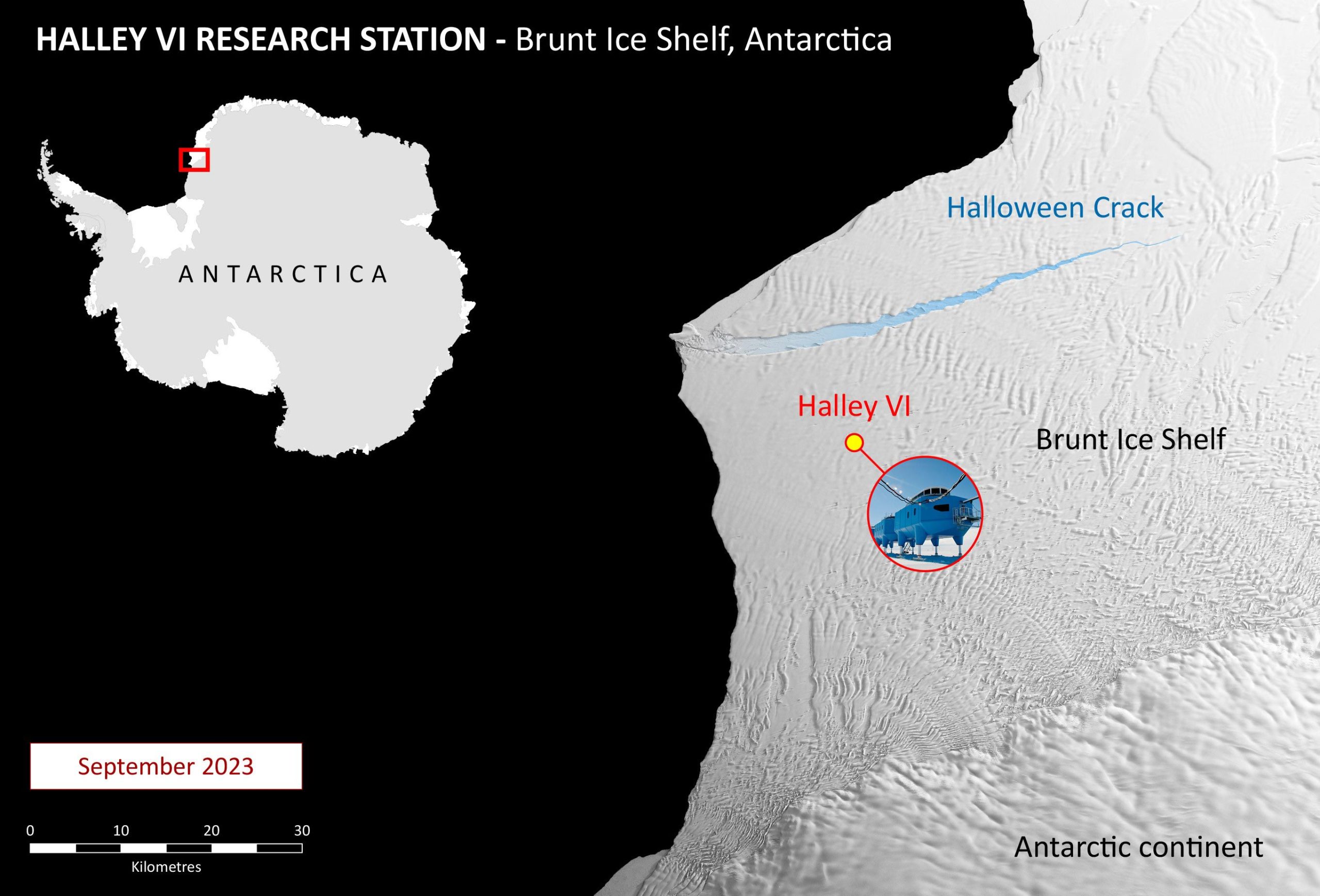
    Halley VI Research Station Brunt Ice Shelf Antarctica
    Scientists at British Antarctic Survey (BAS) are closely monitoring the situation using GPS equipment deployed on the ice and satellite data. Credit: BASA

    Halley is closed during the Antarctic winter and no staff are currently on station. BAS operations teams are currently planning for a routine field season at Halley with a team of 40 people flying to the Brunt Ice Shelf in November 2023. They will spend the season maintaining the power supplies and facilities that keep the scientific experiments operating remotely through the winter. Their work will continue until they are collected by aircraft in February 2024.
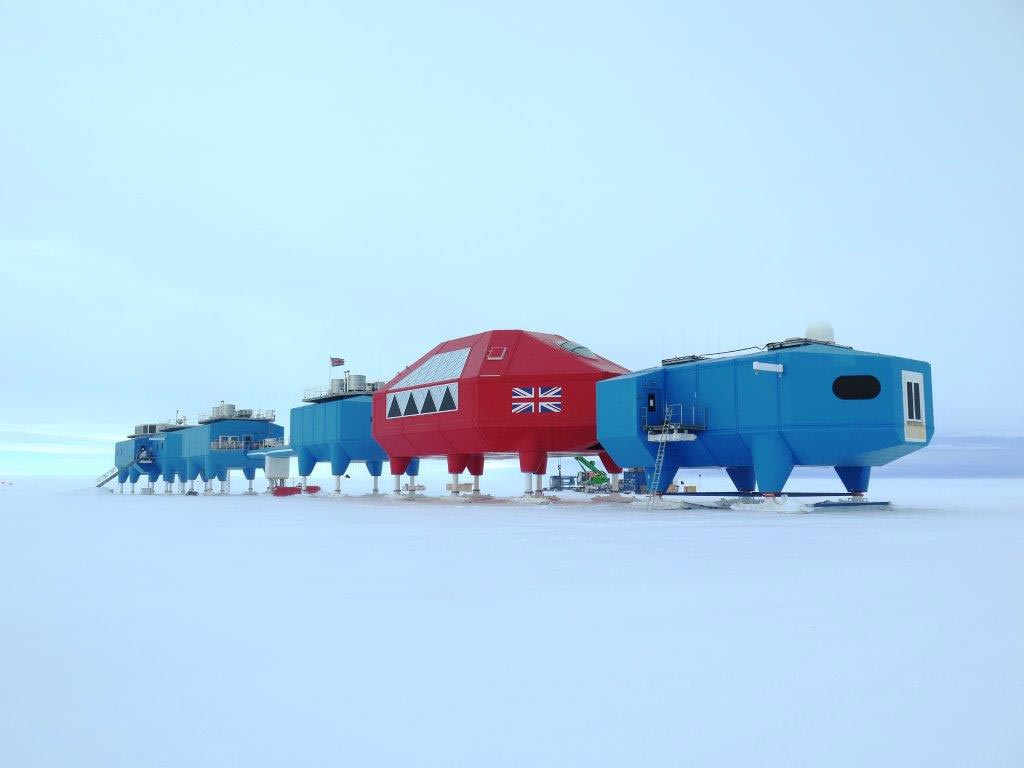
    Five Modules Towed to Halley VIa
    BAS operations teams are currently planning for a routine field season at Halley with a team of 40 people flying to the Brunt Ice Shelf in November 2023. Credit: BAS

    Professor Dominic Hodgson, a BAS glaciologist who is part of the science team that has been studying the Brunt Ice Shelf for over a decade says:

    “This is a dynamic situation. We expected the ice shelf to respond to the calving of A-81. We are monitoring the acceleration and carrying out further experiments to determine if, and when, the ice shelf will re-establish contact with the sea floor. This will be evidenced by a stabilization or decline in ice shelf velocity, which we will be able to record in real-time.  Our science and operations teams continue to monitor the ice shelf to ensure it is safe, and to maintain the delivery of the science we undertake at Halley.”

    Reference: “Brief Communication: Rapid acceleration of the Brunt Ice Shelf after calving of iceberg A-81” by Oliver J. Marsh, Adrian J. Luckman and Dominic A. Hodgson, Submitted, The Cryosphere.
    DOI: 10.5194/egusphere-2023-1949

    Never miss a breakthrough: Join the SciTechDaily newsletter.
    Follow us on Google and Google News.

    Antarctica British Antarctic Survey Iceberg
    Share. Facebook Twitter Pinterest LinkedIn Email Reddit

    Related Articles

    Brunt Ice Shelf in Antarctica Calves Massive Iceberg As Big as Greater London

    Massive Iceberg – 10 Times the Size of San Francisco – Breaks Off Brunt Ice Shelf in Antarctica

    “Missing Link” Found in Process That Leads to an Ice Age on Earth

    Emperor Penguins Are Threatened – Study Recommends Special Protection

    First Evidence of Human-Caused Climate Change Melting the West Antarctic Ice Sheet

    Operation IceBridge Spots the Bluest of Ice

    Delaware Sized Iceberg Splits Off From Antarctica’s Larsen C Ice Shelf

    Larsen C Ice Shelf is Thinning from Above and Below

    Study Blames Warm Ocean Currents for Majority of Ice Loss in Antarctica

    1 Comment

    1. Clyde Spencer on September 15, 2023 7:50 am

      “It has accelerated due to the loss of its connection with the seafloor in an area known as the McDonald Ice Rumples, following the calving of the A-81 iceberg.”

      Has it occurred to anyone that the calving was caused by acceleration of the Brunt Ice Shelf? Visually, I cannot see the claimed acceleration after the calving event. If the grounded iceberg was buttressing or impeding the forward motion of the ice shelf, why was there a large tension crack that allowed the calving? One would expect compression, not tension.

      Reply
    Leave A Reply Cancel Reply

    • Facebook
    • Twitter
    • Pinterest
    • YouTube

    Don't Miss a Discovery

    Subscribe for the Latest in Science & Tech!

    Trending News

    First-of-Its-Kind Discovery: Homer’s Iliad Found Embedded in a 1,600-Year-Old Egyptian Mummy

    Beyond Inflammation: Scientists Uncover New Cause of Persistent Rheumatoid Arthritis

    A Simple Molecule Could Unlock Safer, Easier Weight Loss

    Scientists Just Built a Quantum Battery That Charges Almost Instantly

    Researchers Unveil Groundbreaking Sustainable Solution to Vitamin B12 Deficiency

    Millions of People Have Osteopenia Without Realizing It – Here’s What You Need To Know

    Researchers Discover Boosting a Single Protein Helps the Brain Fight Alzheimer’s

    World-First Study Reveals Human Hearts Can Regenerate After a Heart Attack

    Follow SciTechDaily
    • Facebook
    • Twitter
    • YouTube
    • Pinterest
    • Newsletter
    • RSS
    SciTech News
    • Biology News
    • Chemistry News
    • Earth News
    • Health News
    • Physics News
    • Science News
    • Space News
    • Technology News
    Recent Posts
    • New Research Challenges Long-Held Beliefs About How the Brain Makes Decisions
    • Breakthrough Technology Reveals New Treatment Targets for Cancer
    • Scientists Discover New Way To Make Drug-Resistant Cancer Treatable Again
    • This Simple Exercise Trick Builds Muscle With Less Effort, Study Finds
    • Middle Age Is Becoming a Breaking Point in America, Study Reveals
    Copyright © 1998 - 2026 SciTechDaily. All Rights Reserved.
    • Science News
    • About
    • Contact
    • Editorial Board
    • Privacy Policy
    • Terms of Use

    Type above and press Enter to search. Press Esc to cancel.