
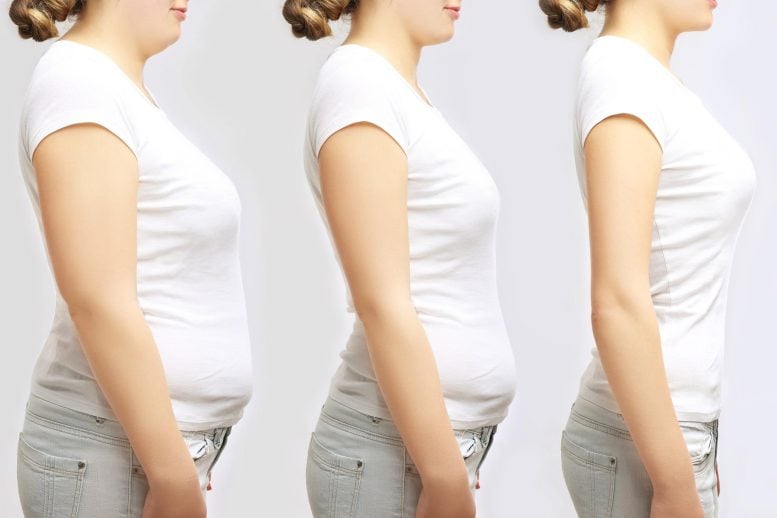
Scientists at Cornell have uncovered a way to potentially reverse age-related weight gain by reactivating a special type of fat called beige fat.
Unlike ordinary white fat that stores calories, beige fat burns energy like brown fat, helping to regulate blood sugar and protect against heart disease.
Fighting Age-Related Weight Gain
Scientists have uncovered a potential way to counter weight gain that often comes with aging, a finding that could also lower the risk of obesity-related illnesses such as Type 2 diabetes, cardiovascular disease, and chronic inflammation.
The approach focuses on encouraging the body to generate a particular kind of fat cell, which may help restore metabolic activity that naturally slows down with age. The work comes from researchers in Cornell’s Division of Nutritional Sciences, part of both the College of Human Ecology and the College of Agriculture and Life Sciences.
In mammals, including humans, fat typically exists in two main forms. White adipose tissue (WAT) acts as the body’s energy storage, keeping extra calories in reserve. Brown adipose tissue (BAT), in contrast, burns calories to generate heat and regulate body temperature.
Beige Fat: The Metabolic Middle Ground
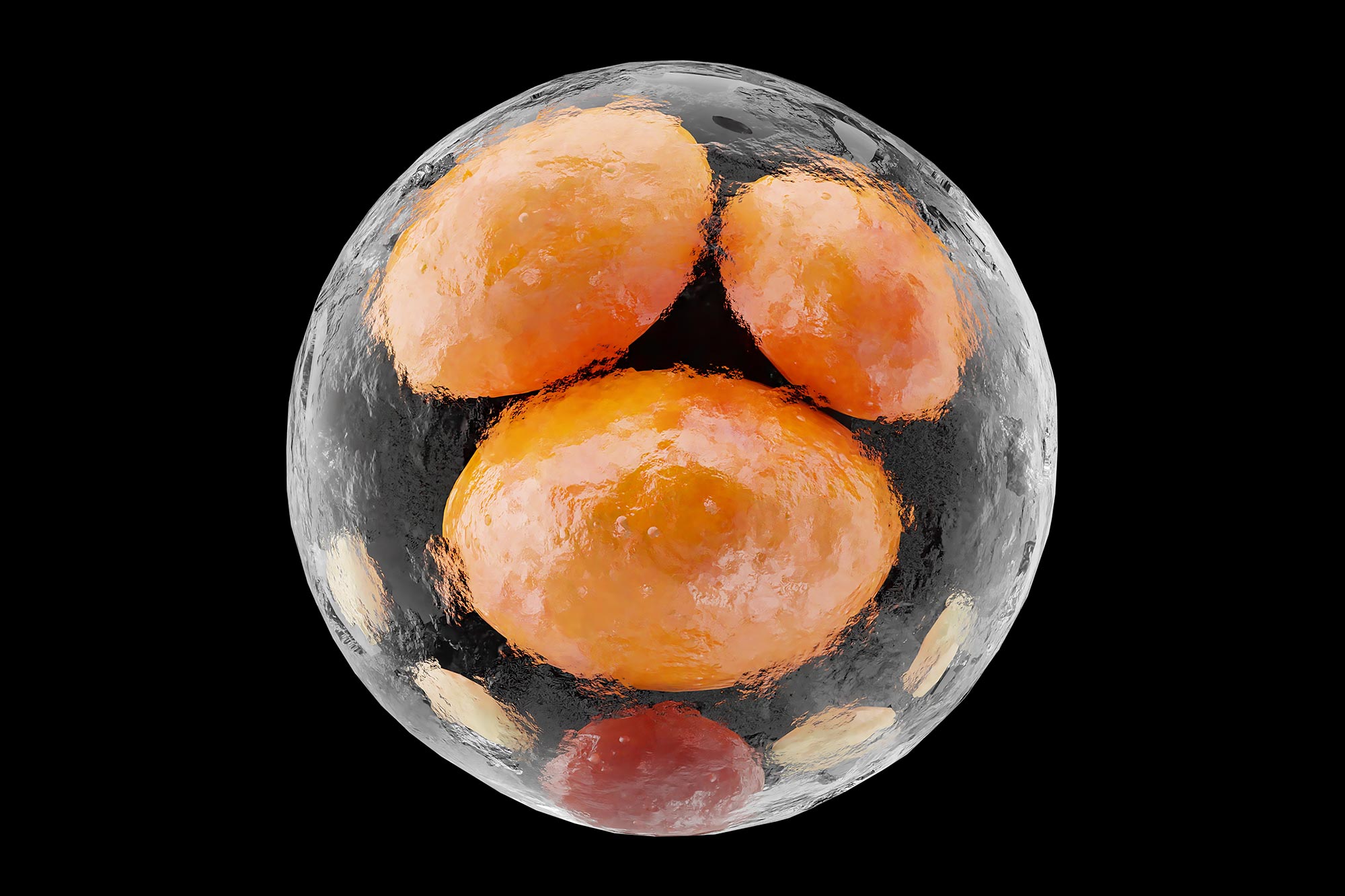
The research, published in Nature Communications, highlights the promise of a third type of fat, known as beige fat. This variety is considered a subtype of white fat but behaves more like brown fat. It shares the same cellular origins as white fat while also having heat-producing capabilities, making it useful for lowering blood sugar and breaking down fatty acids that contribute to hardened arteries and heart disease.
Beige fat is typically triggered when the body experiences prolonged cold. During this process, stem cells called adipose progenitor cells transform into calorie-burning beige fat cells inside white fat stores. With age, however, this response diminishes, leaving the body to favor white fat production instead.
“There are seasonal changes in beige fat in young humans,” explained Dan Berry, assistant professor in the Division of Nutritional Sciences, “but an older person would have to stand outside in the snow in their underwear to get those same effects.”

Unlocking the Biochemistry of Aging Fat
In earlier work, Berry observed that the aging process impairs the formation of beige fat cells in response to cold temperatures. Identify the biochemistry behind the slowdown, he said, and the same process could be reversed to achieve therapeutic outcomes.
“This is the ultimate goal,” said Abigail Benvie, lead author of the new study and a doctoral student researcher in Berry’s lab. “Without having to subject people to cold exposure for prolonged periods of time, are there metabolic pathways we can stimulate that could produce the same effect?”
In the paper, they reveal the role of a specific signaling pathway that suppresses beige fat formation in older mice by antagonizing the immune system. By suppressing that pathway in aging mice, the scientists were able to stimulate beige fat production in aged animals that would not have otherwise.
Reference: “Age-dependent Pdgfrβ signaling drives adipocyte progenitor dysfunction to alter the beige adipogenic niche in male mice” by Abigail M. Benvie, Derek Lee, Benjamin M. Steiner, Siwen Xue, Yuwei Jiang and Daniel C. Berry, 1 March 2023, Nature Communications.
DOI: 10.1038/s41467-023-37386-z
A version of this article was initially published in April 2023.
Since this research was published in 2023, follow-up studies have reinforced and expanded its findings.
Researchers confirmed that Pdgfrβ signaling suppresses beige fat formation with age and showed that blocking this pathway can restore fat-burning activity in older mice. Excitingly, existing cancer drugs such as fludarabine and imatinib have been found to rejuvenate beige fat production when combined with cold exposure, highlighting a potential therapeutic path. Additional work suggests that reversing this signaling also reactivates key immune cells that support beige fat, while other groups are uncovering related molecular regulators. Together, these developments strengthen the idea that targeting beige fat could one day help counter age-related weight gain and metabolic disease.
Never miss a breakthrough: Join the SciTechDaily newsletter.
Follow us on Google and Google News.
6 Comments
So, how does this work in practice – do you need to sit in a cold bath on a regular basis or is there an alternative to weight reduction.
Is age the actual cause for weight gain or an increase in sedentary lifestyles. Wouldn’t zt
Targeting caloric consumption and TDEE be the most effective, per usual?
My question exactly. Does my 45yo neighbors cold plunge tub have additional benefits to the ones he espouses constantly? If so… maybe my 68yo belly should have one too
It’s been shown again and again that achieving and maintaining a healthy weight at any age can be done via a whole foods, plants based diet. With only positive side effects. This study would at best be a supplementary note to that regime. But its not going to help if people keep smashing down the saturated fat and cholesterol heavy foods that got them to that point
How does your average person make sense of this information? What is the simple secret for us to attain the “reversing of the signal ti the beige adipose cells” to get the weight loss benefits? What action do we take?
Please explain this in simple layman’s terms