
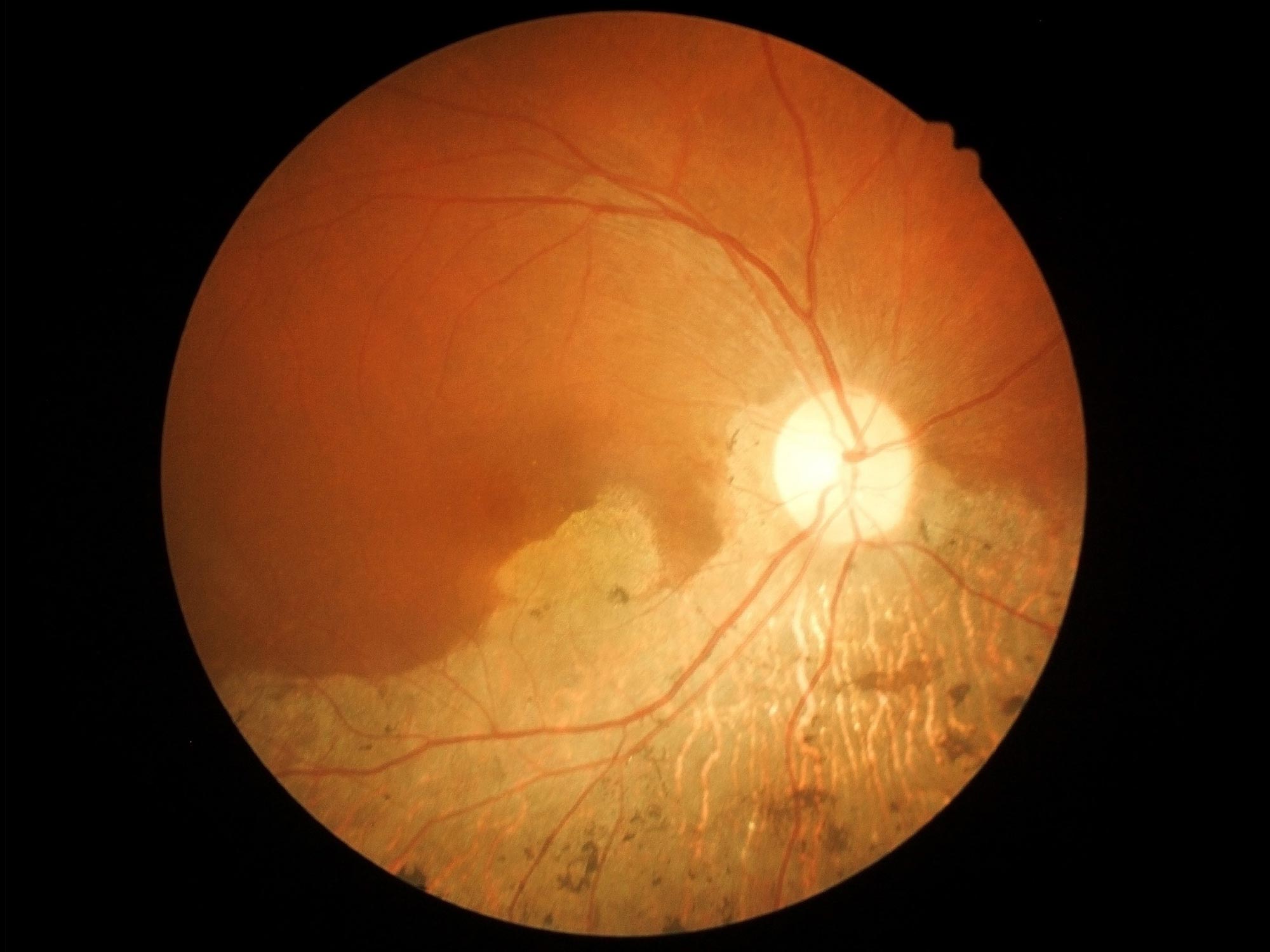
Researchers have identified obstructive sleep apnea as a potential risk factor for wet age-related macular degeneration.
Their study showed that lower nighttime oxygen levels associated with severe sleep apnea correlate with increased risks of developing wet AMD in individuals over 50.
Link Identified Between Sleep Apnea and Wet AMD
Researchers have found that obstructive sleep apnea (OSA) may be a modifiable risk factor for developing the ‘wet’ form of late-stage age-related macular degeneration (AMD). These findings were published in the RANZCO Journal of Clinical and Experimental Ophthalmology.
The study was led by University of Melbourne Master’s student Attiqa Chaudhary, along with the Macular Research unit at the Centre for Eye Research Australia (CERA), headed by Professor Robyn Guymer AM. The team collaborated with sleep disorder expert Professor Matthew Naughton from Monash University to analyze the results.
Impact of Moderate-to-Severe Obstructive Sleep Apnea
The researchers conducted a sleep study involving 225 participants aged 50 and older, each at different stages of AMD. Over three nights, they monitored participants’ oxygen levels using a home-based finger oximeter and assessed their level of obstructive sleep apnea based on overnight blood oxygen levels.
The study revealed that moderate-to-severe OSA, characterized by reduced oxygen levels during sleep, was linked to a higher risk of developing wet AMD compared to individuals without the condition.
Study co-supervisor Dr. Carla Abbott says the findings are something clinicians should be aware of.
“Like AMD, sleep apnea mainly affects people over the age of 50 and many people don’t realize they have it,” Dr. Abbott says.
“If this association is validated it may well be worth asking people with high-risk early stages of AMD if they have any symptoms suggestive of sleep apnea, as treating it might reduce the risk of developing wet macular degeneration.”
Nocturnal Hypoxia: A Key Risk Factor
Nocturnal hypoxia often occurs as a result of obstructive sleep apnea, where a person’s airway becomes blocked or narrowed overnight, reducing their oxygen intake.
A lack of oxygen overnight can cause various health issues over time, but the light-sensitive retina in the eye may be particularly sensitive to small drops in oxygen levels.
“The retina is very active at night – it has its highest need for energy while it recovers from the day,” says Dr. Abbott.

Potential Role of CPAP Therapy in AMD Prevention
Many people diagnosed with sleep apnea use a CPAP device at night, which helps them breathe easier by providing a constant flow of air through a mask.
“If people aren’t currently getting treatment, it’s putting them at risk over years of not sleeping properly and having low oxygen at night, which could be contributing factor to macular degeneration, in particularly wet AMD,” says Dr. Abbott.
Currently, known risk factors for AMD include smoking status, diet, age, and genetics.
Exploring Future Research Directions
Dr. Abbott says the team will need to conduct larger studies to better understand this association and, if validated, will explore whether treating sleep apnea has a clinically meaningful impact on reducing progression to wet AMD.
The work is part of the wider Synergy High Risk AMD Study, which is investigating macular degeneration and the potential underlying causes that make some people more likely to lose their vision.
Reference: “Nocturnal hypoxia and age-related macular degeneration” by Attiqa Chaudhary, Carla J. Abbott, Zhichao Wu, Wendy Y. Fang, Palaniraj R. Raj, Matthew Naughton, Wilson J. Heriot and Robyn H. Guymer, 1 August 2024, Clinical & Experimental Ophthalmology.
DOI: 10.1111/ceo.14428
Never miss a breakthrough: Join the SciTechDaily newsletter.
Follow us on Google and Google News.
1 Comment
Looks like “crap” machine to me.