
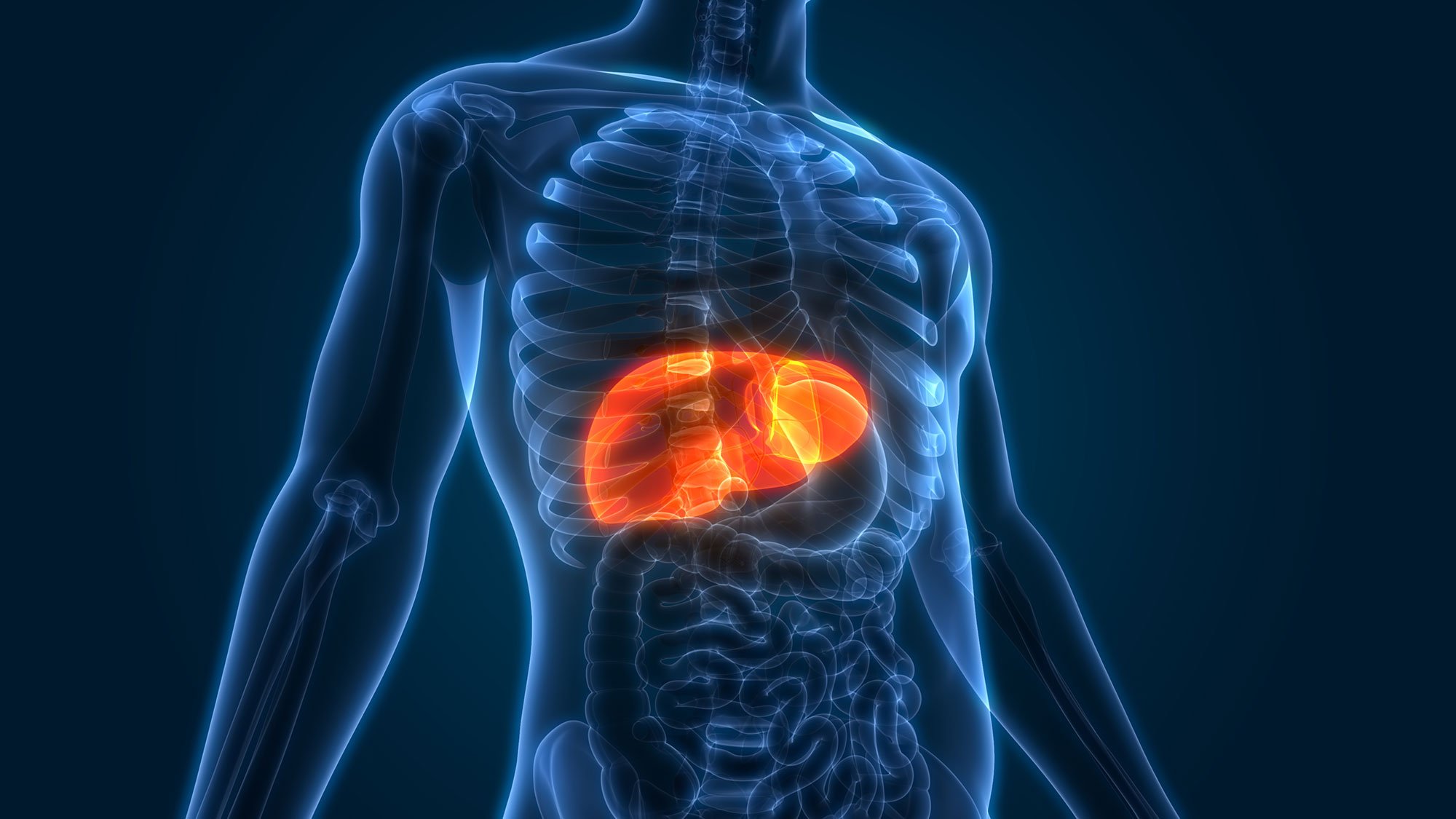
MiR-93 promotes fatty liver disease, but vitamin B3 can counteract its effects. This discovery suggests a new treatment approach.
Roughly 30% of people worldwide are affected by metabolic-associated fatty liver disease (MASLD), a condition that until recently lacked targeted therapies. In an important breakthrough, scientists have identified a genetic factor that worsens the disease, and notably, the FDA-approved compound shown to be most effective against this factor is vitamin B3.
A global first was achieved by a collaborative research group led by Professor Jang Hyun Choi of the Department of Life Sciences at UNIST, together with Professor Hwayoung Yun from the College of Pharmacy and Research Institute for Drug Development at Pusan National University (PNU) and Professor Neung Hwa Park from Ulsan University Hospital (UUH). Their work revealed the critical role of microRNA-93 (miR-93), a molecule expressed in the liver, as a genetic regulator influencing the onset and progression of MASLD.
Role of miR-93 in liver function
MiR-93 is a type of RNA found in hepatocytes that suppresses the activity of specific target genes. Researchers detected unusually high levels of miR-93 in both human patients with fatty liver disease and in experimental animal models. Molecular studies showed that miR-93 drives lipid buildup, inflammation, and fibrosis by blocking the expression of SIRT1, a gene essential for regulating lipid metabolism in liver cells.
When scientists used gene-editing techniques to block miR-93 production in mice, they observed major reductions in liver fat accumulation, along with improved insulin sensitivity and liver function markers. In contrast, mice engineered to overexpress miR-93 displayed more severe impairments in liver metabolism.
Vitamin B3 as a therapeutic candidate
Furthermore, screening 150 FDA-approved drugs revealed that niacin (vitamin B3) most effectively suppresses miR-93. Mice treated with niacin showed a significant decrease in hepatic miR-93 levels and a notable increase in SIRT1 activity. The activated SIRT1 restored disrupted lipid metabolism pathways, thereby normalizing liver lipid homeostasis.
The research team explained, “This study precisely elucidates the molecular origin of MASLD and demonstrates the potential for repurposing an already approved vitamin compound to modulate this pathway, which has high translational clinical relevance.”
They added, “Given that niacin is a well-established and safe medication used to treat hyperlipidemia, it holds promise as a candidate for combination therapies targeting miRNA pathways in MASLD.”
Reference: “Hepatic miR-93 promotes the pathogenesis of metabolic dysfunction-associated steatotic liver disease by suppressing SIRT1” by Yo Han Lee, Jinyoung Lee, Joonho Jeong, Kieun Park, Bukyung Baik, Yuseong Kwon, Kimyeong Kim, Keon Woo Khim, Haneul Ji, Ji Young Lee, Kwangho Kim, Ji Won Kim, Tam Dao, Misung Kim, Tae Young Lee, Yong Ryoul Yang, Haejin Yoon, Dongryeol Ryu, Seonghwan Hwang, Haeseung Lee and Jang Hyun Choi, 12 April 2025, Metabolism.
DOI: 10.1016/j.metabol.2025.156266
This research was supported by various including the National Research Foundation of Korea (NRF) and the Korea Research Institute of Bioscience and Biotechnology (KRIBB).
Never miss a breakthrough: Join the SciTechDaily newsletter.
Follow us on Google and Google News.
6 Comments
Very good 👍
Good analysis
i have carolin disease is there anything for that disease please help i am an adult
I’m concerned that this article gives no dosage information, cautions about side effects, or possible interactions. Readers might see it as encouragement to start taking Vitamin B3 (Niacin) haphazardly and at high doses. Unlike many vitamins, Vitamin B3 can cause serious harm when taken improperly. It is often sold at doses that can be truly dangerous. Before taking Vitamin B3 (Niacin), consult your health care professional.
I agree with you vVitamin B3 can gives horrible reaction at high dose, specially for peoples who take it for the first time. It is good at 50mg for every day use or 100mg when a person is having a cold . For certain conditions it is taken progressively to rich 500mg or sometimes higher but for a very short time and under supervision.
What happens if one has elevated LFTs on SR Niacin, which I have seen in my clinical practice. Is it another mechanism whereby niacin causes this?
I am not sure I am comfortable with with starting this if that history exists