
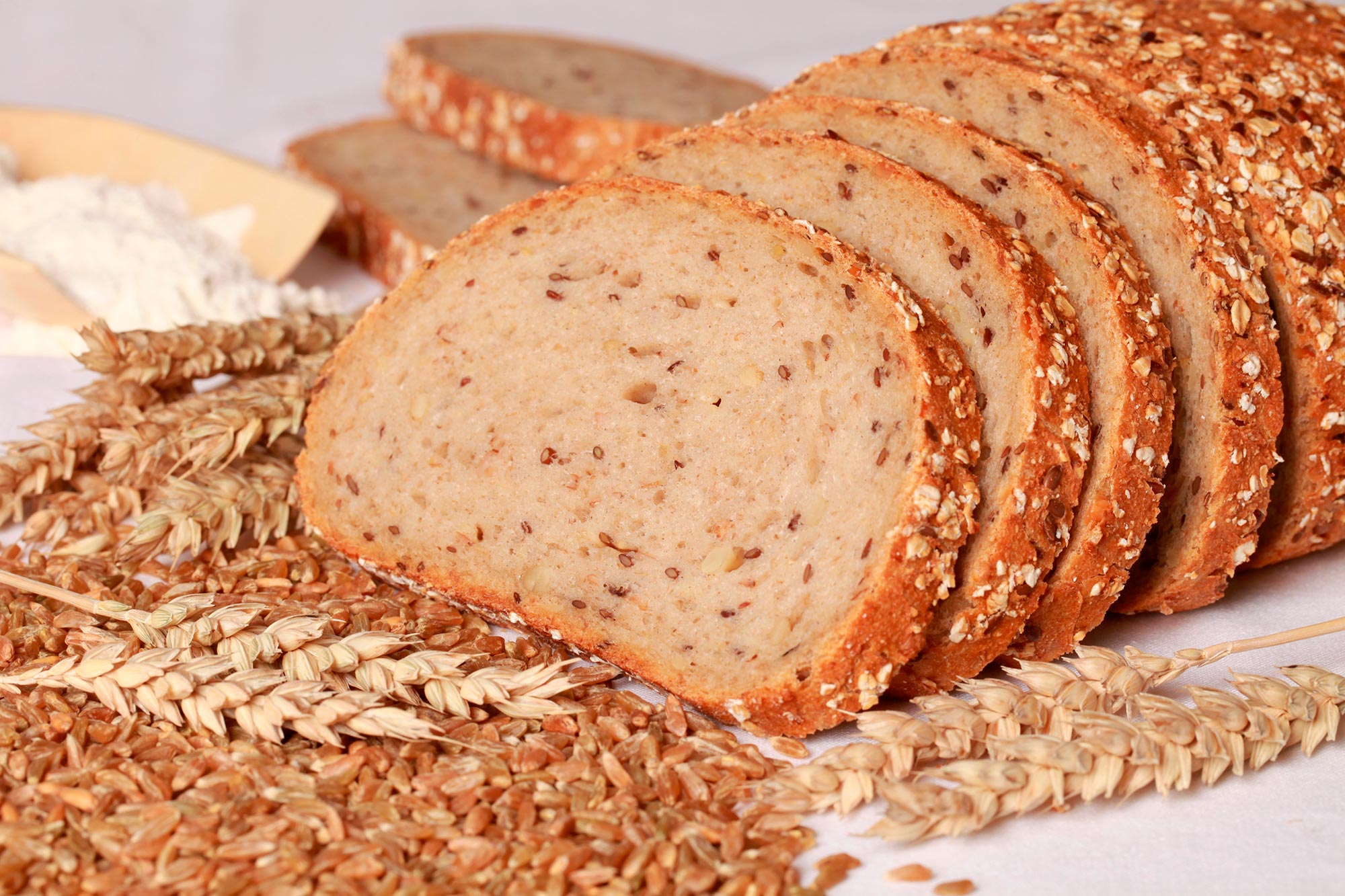
Researchers have mapped the genome of ancient einkorn wheat, opening avenues for breeding more resilient and nutritious bread wheat varieties by leveraging einkorn’s genetic diversity.
Building on the Middle East’s reputation as one of the historical birthplaces of cereal crop domestication, a KAUST-led team has compiled the first complete genome map of an ancient grain known as einkorn.
The 5.2-billion-letter-long sequence provides a window into the evolutionary origins of different wheat species. It could help farmers and crop breeders to develop bread wheat varieties with enhanced disease resistance, higher yields, and improved hardiness.
Leveraging Genetic Diversity for Future Breeding
“By understanding the genetic diversity and evolutionary history of einkorn, researchers can now leverage its potential for future breeding efforts and the development of more resilient and nutritious wheat varieties,” says Hanin Ahmed, one of the study’s first authors, and a former Ph.D. student at KAUST.
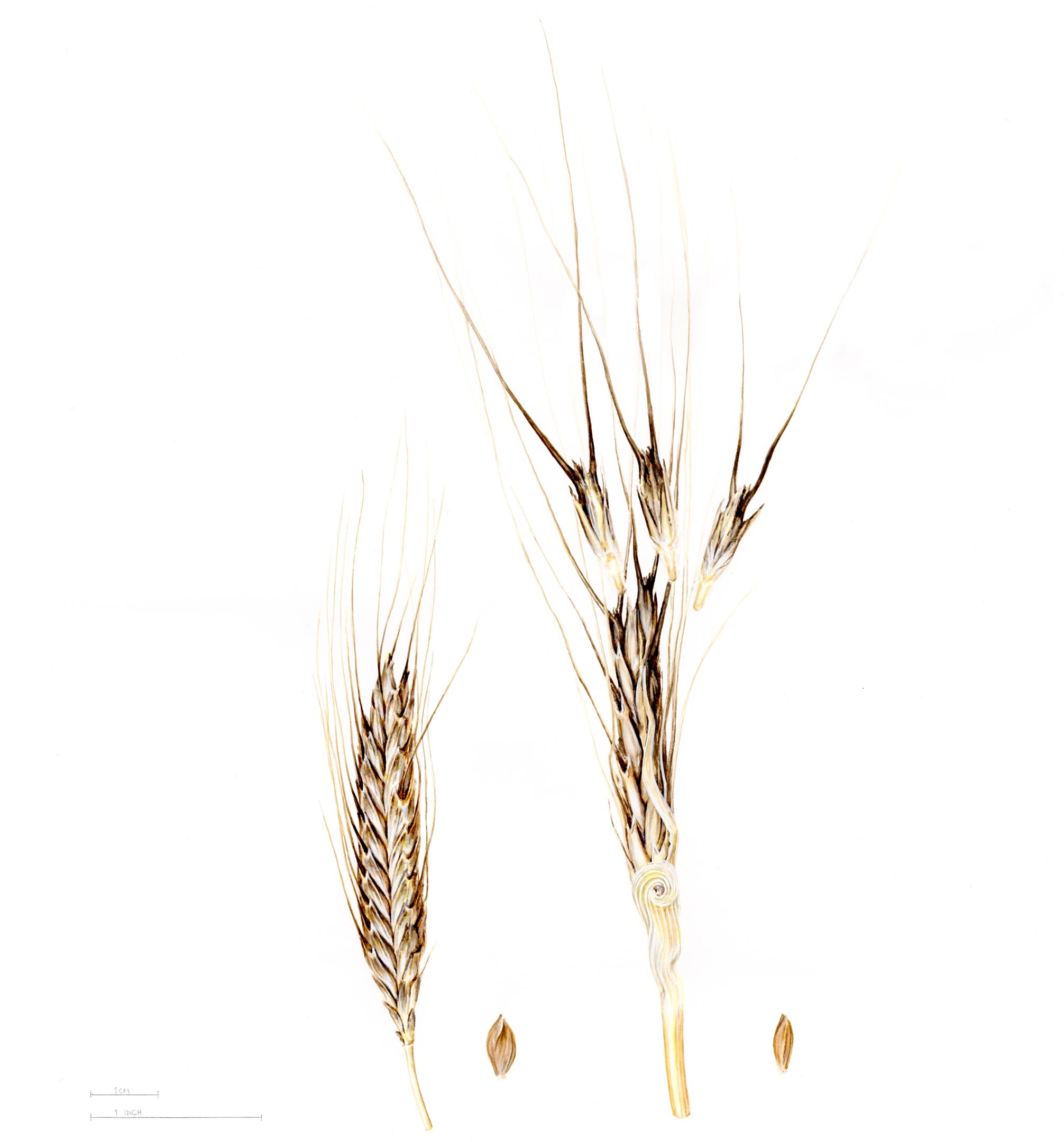
Einkorn is one of the world’s oldest domesticated grains, dating back more than 10,000 years to the fertile regions of the Middle East, where its cultivation began. Known as Triticum monococcum, einkorn is still consumed today, cherished for its unique flavor profile and numerous nutritional benefits. However, its significance in global food production over the millennia has gradually declined as the popularity of bread wheat soared.
Bread wheat varieties generally produce higher yields, making them more economically viable for large-scale commercial agriculture. Yet, compared to its wild cousins, modern bread wheat has a reduced genetic diversity — and many breeders are now concerned about how existing crops will fare in the face of climate change and new disease threats.
Enter einkorn. Because the ancient grain has maintained a larger gene pool, it could hold the genetic secrets needed to develop bread wheat that can continue to feed the world’s growing population.
Unlocking the Secrets of Ancient Grains
To unlock those secrets, a team led by Simon Krattinger and Jesse Poland from KAUST, deployed a combination of DNA sequencing technologies to create high-quality genome assemblies for wild and domesticated einkorn varieties alike.
Researchers had previously assumed that the evolution of wheat was a steady process with limited mixing of different wheat species. But, according to Krattinger: “Our genomic analyses now show that the history of wheat is much more complex and involved a lot of mixing and gene flow between different wheat species,” including einkorn, which likely grew in close proximity to other wheat varieties, leading to DNA mixing between the two closely related species that remains evident to this day.
Just as the human genome contains sequences from our Neanderthal cousins, so too is the modern bread wheat genome littered with remnants of einkorn DNA.
Indeed, the introduction of einkorn genes in the past may have played a role in assisting bread wheat to adapt to changing climatic conditions, Krattinger notes. And if history is any indication, the same could hold true for the future, especially with the aid of modern molecularly guided breeding techniques.
“Our lab’s resources will help to precisely transfer beneficial genes from einkorn into bread wheat,” Krattinger says.
Reference: “Einkorn genomics sheds light on history of the oldest domesticated wheat” by Hanin Ibrahim Ahmed, Matthias Heuberger, Adam Schoen, Dal-Hoe Koo, Jesus Quiroz-Chavez, Laxman Adhikari, John Raupp, Stéphane Cauet, Nathalie Rodde, Charlotte Cravero, Caroline Callot, Gerard R. Lazo, Nagarajan Kathiresan, Parva K. Sharma, Ian Moot, Inderjit Singh Yadav, Lovepreet Singh, Gautam Saripalli, Nidhi Rawat, Raju Datla, Naveenkumar Athiyannan, Ricardo H. Ramirez-Gonzalez, Cristobal Uauy, Thomas Wicker, Vijay K. Tiwari, Michael Abrouk, Jesse Poland and Simon G. Krattinger, 2 August 2023, Nature.
DOI: 10.1038/s41586-023-06389-7
Never miss a breakthrough: Join the SciTechDaily newsletter.
Follow us on Google and Google News.