
Close Menu
    Facebook X (Twitter) Instagram
    SciTechDaily
    • Biology
    • Chemistry
    • Earth
    • Health
    • Physics
    • Science
    • Space
    • Technology
    Facebook X (Twitter) Pinterest YouTube RSS
    SciTechDaily
    Home»Biology»Decoding the Dark Metabolism: Synthetic Biology Exposes Secrets of Life Without Oxygen
    Biology

    Decoding the Dark Metabolism: Synthetic Biology Exposes Secrets of Life Without Oxygen

    By Friederike Gawlik, Leibniz Institute for Natural Product Research and Infection Biology – Hans Knöll InstituteAugust 10, 2024No Comments4 Mins Read
    Facebook Twitter Pinterest Telegram LinkedIn WhatsApp Email Reddit
    Share
    Facebook Twitter LinkedIn Pinterest Telegram Email Reddit
    Bacteria Artist Illustration
    Anaerobic bacteria, which thrived in oxygen-free environments long before oxygen-dependent life forms, are vital for both human health and the ecosystem, influencing everything from gut health to disease. The AnoxyGen project led by Christian Hertweck aims to explore these bacteria’s untapped biosynthetic potentials to discover new compounds, improving medical, ecological, and biotechnological understanding and applications. Credit: SciTechDaily

    The AnoxyGen project, led by Christian Hertweck and funded by the ERC Advanced Grant, explores the potential of anaerobic bacteria in biotechnology, medicine, and ecology, aiming to discover new bioactive compounds.

    The earth was populated with numerous organisms long before photosynthesis brought free oxygen into the world. Since oxygen was toxic to them, they developed completely different metabolic pathways than oxygen-dependent lifeforms such as humans, animals, and plants.

    Anaerobic bacteria have survived the ages in special, oxygen-free niches, some of them very close to us: as an essential part of the intestinal microbiome, where they are of enormous importance for the well-being of the organism. However, certain anaerobes can also trigger life-threatening diseases such as tetanus or botulism. These bacteria therefore have a considerable influence on the quality of life on earth and occupy a key position in the environment. Their special metabolism also makes them sought-after tools in biotechnology.
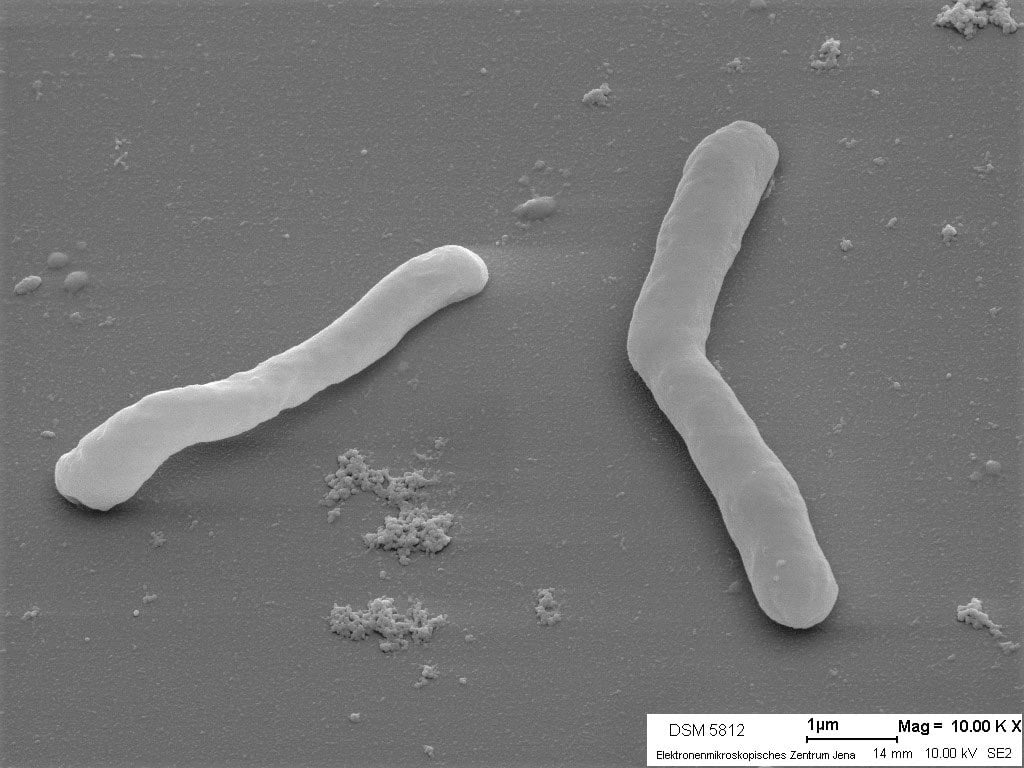
    Ruminiclostridium cellulolyticum
    Scanning electron micrograph of Ruminiclostridium cellulolyticum. Christian Hertweck and his team discovered closthioamide in the cellulose-degrading anaerobic bacterium – the first secondary natural compound in this group of organisms. Credit: S. Nietzsche/EMZ Jena

    Unleashing Anaerobic Potential Through the AnoxyGen Project

    Christian Hertweck’s “AnoxyGen” project aims to unlock the immense, previously untapped biosynthetic potential of anaerobes. Despite their genome-encoded ability to form novel compounds, most of these biosynthetic genes are inactive in the laboratory, so the products have so far remained undiscovered.

    Hertweck and his team now want to change this. Using newly developed molecular and synthetic biology tools, the researchers want to decode and harness the unknown metabolic pathways of these bacteria. The project encompasses several areas of work in which a powerful expression system is used to identify and modify new active compounds. This will also enable the team to produce and research the toxins and virulence factors of pathogenic anaerobes without having to cultivate large quantities of the pathogens themselves.
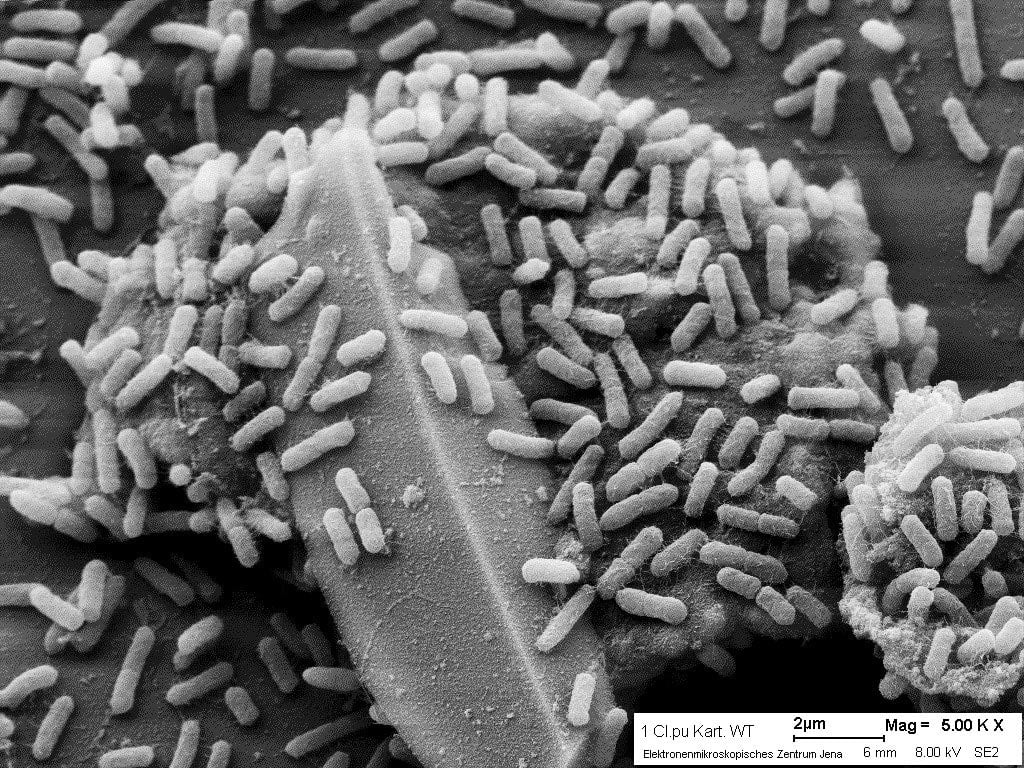
    Clostridium puniceum on Potato Slice
    Scanning electron micrograph of anaerobic bacteria of the species Clostridium puniceum on a potato slice. Clostrubins were discovered on this model system by a team led by Christian Hertweck. Clostrubins have an antibiotic effect and protect the bacteria from oxygen while they infect the potato tuber and use it as a food source. Credit: Gulimila Shabuer / Leibniz-HKI and EMZ Jena

    Recognition and Future Prospects of the AnoxyGen Project

    “With this project, we want to provide novel methods and tools for the scientific community. We hope that ‘AnoxyGen’ will be of great benefit, particularly for medicine, but also for ecology and biotechnology,” explains Hertweck. “Anaerobic bacteria are still under-researched, but their metabolic processes offer great potential for the discovery of new active compounds. We can also gain new insights into their role as pathogens.”

    Christian Hertweck
    Prof. Dr. Christian Hertweck, head of the Department of Biomolecular Chemistry at the Leibniz-HKI and professor of Natural Product Chemistry at the Friedrich Schiller University Jena, has been awarded one of the prestigious ERC Advanced Grants by the European Research Council. Credit: Anna Schroll/Leibniz-HKI

    Hertweck, who has already been awarded the Gottfried Wilhelm Leibniz Prize and the Ernst Jung Prize for Medicine for his great scientific creativity in identifying new active compounds from neglected microorganisms, is also strengthening the Balance of the Microverse Cluster of Excellence, which studies the formation and balance of microbial communities, with this project. Anaerobic bacteria have so far played a subordinate role there, partly because they were difficult to access methodologically. The researcher now wants to close this gap.
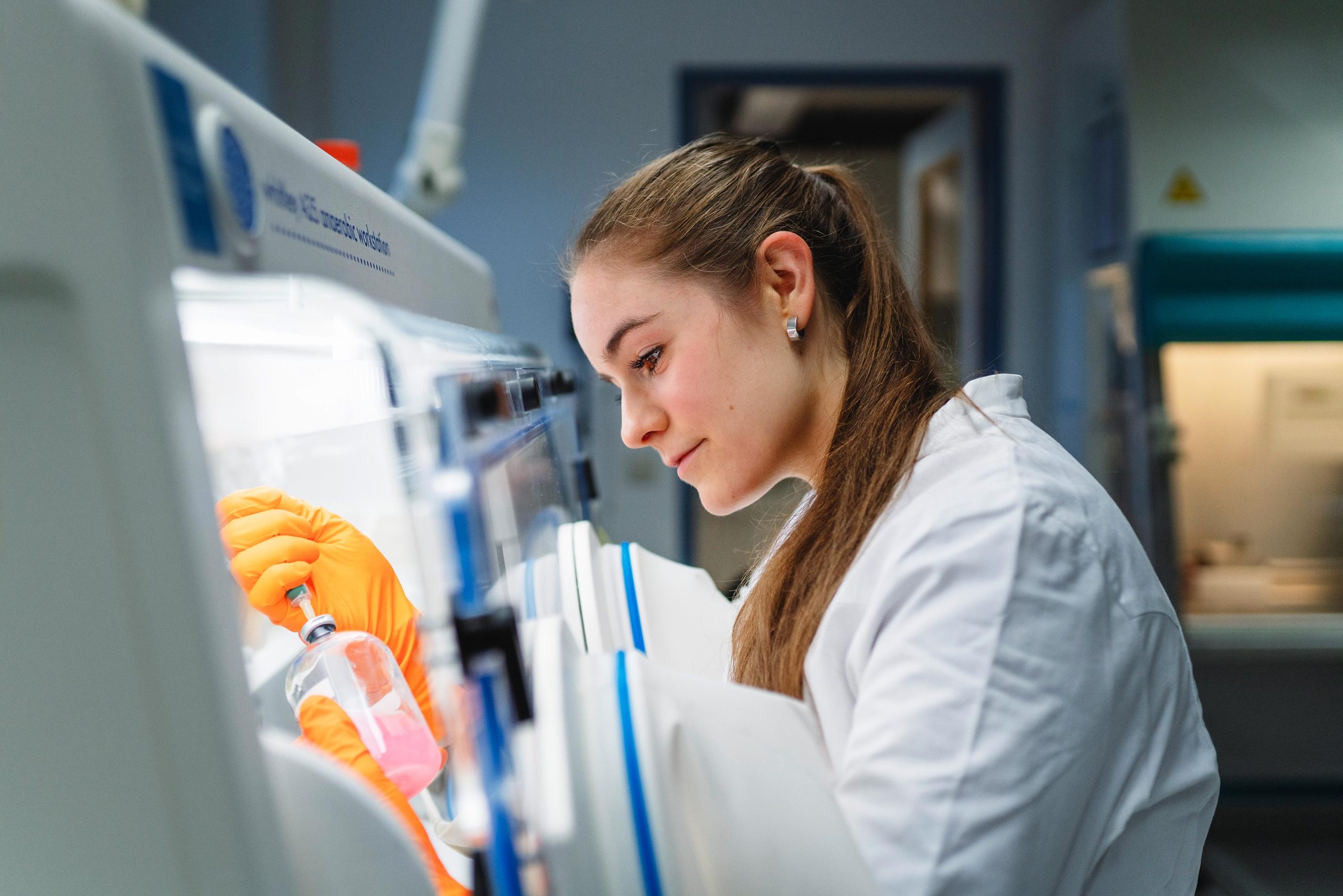
    Hannah Büttner Experimenting in Anaerobic Box
    Hannah Büttner from Christian Hertwecks team is experimenting with oxygen-sensitive bacteria of the genus Clostridium in a protected atmosphere in a so-called anaerobic box. Credit: Anna Schroll/Leibniz-HKI

    The ERC Advanced Grant, one of the most prestigious grants of the European Union, recognizes the excellence and innovation of top researchers. Christian Hertweck’s “AnoxyGen” project was selected due to its great prospects for expanding our understanding of microbial biosynthesis and developing new biotechnological applications. With comfortable financial resources, the researcher and his interdisciplinary team will be tackling this topic over the next five years.

    Never miss a breakthrough: Join the SciTechDaily newsletter.
    Follow us on Google and Google News.

    Bacteria Leibniz Institute Oxygen Pathogens Synthetic Biology
    Share. Facebook Twitter Pinterest LinkedIn Email Reddit

    Related Articles

    Spicing Up Pathogen Defense: Scientists Transform Cinnamon Into Nanotech Antimicrobials

    Microscopic Arms Race: Solving the Mystery Behind Bacteria’s Extensive Weaponry

    Preventing $220 Billion in Damages – Scientists Discover Potential Way To Disarm a Mysterious Family of Microbial Proteins

    A Foul-Smelling Savior: How a New Gut Microbe Fights Dangerous Pathogens

    Permafrost Pandora’s Box: Unleashing “Time-Traveling” Pathogens From the Icy Past

    New Engineered Bacteria Could Prevent Side Effects of Antibiotics

    How Pathogens Learn To Be Pathogens: Partnerships Between Microbes Lead to Human Disease

    Surprising Discovery Proves That Deadly Gene Has Jumped From a Harmless Organism to a Deadly Pathogen

    Antibiotic-Free Meat Might Still Be Contaminated with Drug Resistant Bacteria

    Leave A Reply Cancel Reply

    • Facebook
    • Twitter
    • Pinterest
    • YouTube

    Don't Miss a Discovery

    Subscribe for the Latest in Science & Tech!

    Trending News

    Your Blood Pressure Reading Could Be Wrong Because of One Simple Mistake

    Astronomers Stunned by Ancient Galaxy With No Spin

    Physicists May Be on the Verge of Discovering “New Physics” at CERN

    Scientists Solve 320-Million-Year Mystery of Reptile Skin Armor

    Scientists Say This Daily Walking Habit May Be the Secret to Keeping Weight Off After Dieting

    New Therapy Rewires the Brain To Restore Joy in Depression Patients

    Giant Squid Detected off Western Australia in Stunning Deep-Sea Discovery

    Popular Sugar-Free Sweetener Linked to Liver Disease, Study Warns

    Follow SciTechDaily
    • Facebook
    • Twitter
    • YouTube
    • Pinterest
    • Newsletter
    • RSS
    SciTech News
    • Biology News
    • Chemistry News
    • Earth News
    • Health News
    • Physics News
    • Science News
    • Space News
    • Technology News
    Recent Posts
    • Key Magic Mushroom Ingredient Increases Laziness and Reduces Aggression
    • Researchers Solve 15-Year Mystery Behind Cancer-Causing Gut Toxin
    • One of the World’s Most Popular Weedkillers May Be Fueling Deadly Superbugs
    • Scientists Create Laser “Whirlpools” That Spin Tiny Cells Without Touching Them
    • Scientists Discover “Hidden” Materials That Could Transform Clean Energy and Batteries
    Copyright © 1998 - 2026 SciTechDaily. All Rights Reserved.
    • Science News
    • About
    • Contact
    • Editorial Board
    • Privacy Policy
    • Terms of Use

    Type above and press Enter to search. Press Esc to cancel.