
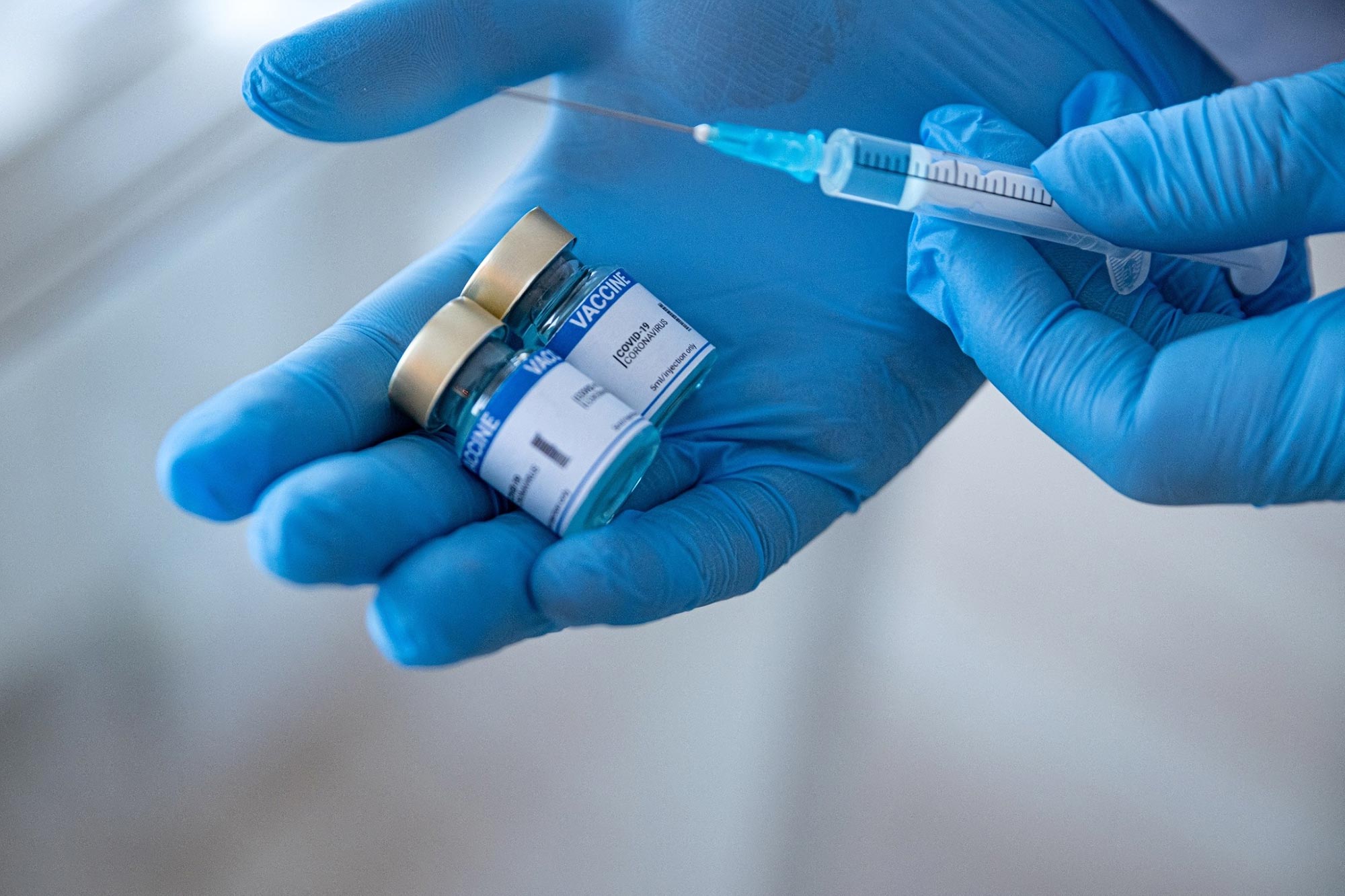
The new study, the first to prospectively assess the relationship between preconception COVID-19 vaccination in both partners and miscarriage, found a marginally reduced risk of miscarriage among partners who were vaccinated and attempting to conceive.
Numerous studies have shown that COVID-19 vaccines do not cause infertility or increase the risk of pregnancy-related issues, including miscarriages. Despite this evidence, people are still wary of potential negative impacts of the vaccine on pregnancy.
Recently, a study conducted by researchers from the Boston University School of Public Health (BUSPH) has offered more comprehensive information about the safety of COVID-19 vaccines for individuals who are considering pregnancy.
Published in the journal Human Reproduction, the study found no increased risk of early or late miscarriage as a result of male or female partners getting a COVID-19 vaccine prior to conceiving.
Insights from a New Study on Vaccine Safety in Preconception
The study is the first to evaluate the risk of early miscarriage (less than eight weeks’ gestation) following preconception COVID-19 vaccination, as well as the first to evaluate male vaccination and miscarriage. The researchers hope these results provide useful information for individuals planning to become pregnant, as well as their healthcare providers.
“These findings should be replicated in other populations, but are reassuring for couples who are planning pregnancy,” says lead author Jennifer Yland, an epidemiology PhD student at BUSPH at the time of the study.
Study Details and Findings
For the study, Yland and colleagues analyzed survey data on COVID-19 vaccination and miscarriage among female and male participants in the BUSPH-based Pregnancy Study Online (PRESTO), an ongoing National Institutes of Health-funded study that enrolls women trying to conceive, and follows them from preconception through six months after delivery. Participants in this new analysis included 1,815 female individuals in the US and Canada who were followed in the study from December 2020 through November 2022. They were observed from their first positive pregnancy test until a miscarriage or other event (such as induced abortion, ectopic pregnancy, or 20 weeks’ gestation)—whichever occurred first.
Among the female participants, 75 percent had received at least one dose of a COVID-19 vaccine by the time they became pregnant. Almost a quarter of the pregnancies resulted in miscarriage, and 75 percent of these miscarriages occurred prior to 8 weeks’ gestation, but there was no increased risk.
The risk of miscarriage was 26.6 percent among unvaccinated female participants, 23.9 percent among female participants who had received one dose of the vaccine before conception, 24.5 percent among those who completed a full primary series before conception, 22.1 percent among those who completed the vaccine series three months before conception, and 20.1 percent among those who received only one dose of a two-dose vaccine before conception.
“The rate of miscarriage among vaccinated individuals was not only comparable with that of PRESTO participants who conceived before the pandemic, but our data indicated a slightly lower risk of miscarriage among vaccinated individuals compared to unvaccinated individuals,” Yland says.
Federal health officials continue to recommend COVID-19 vaccination to individuals planning to conceive, and stress that the benefits of receiving a COVID-19 vaccine outweigh the potential risks of vaccination during preconception or pregnancy.
Reference: “A prospective cohort study of preconception COVID-19 vaccination and miscarriage” by Jennifer J Yland, Amelia K Wesselink, Annette K Regan, Elizabeth E Hatch, Kenneth J Rothman, David A Savitz, Tanran R Wang, Krista F Huybrechts, Sonia Hernández-Díaz, Michael L Eisenberg and Lauren A Wise, 20 October 2023, Human Reproduction.
DOI: 10.1093/humrep/dead211
The study was funded by the Eunice Kennedy Shriver National Institute of Child Health and Human Development, the National Institute of Allergy and Infectious Diseases, and the National Science Foundation.
Never miss a breakthrough: Join the SciTechDaily newsletter.
Follow us on Google and Google News.