
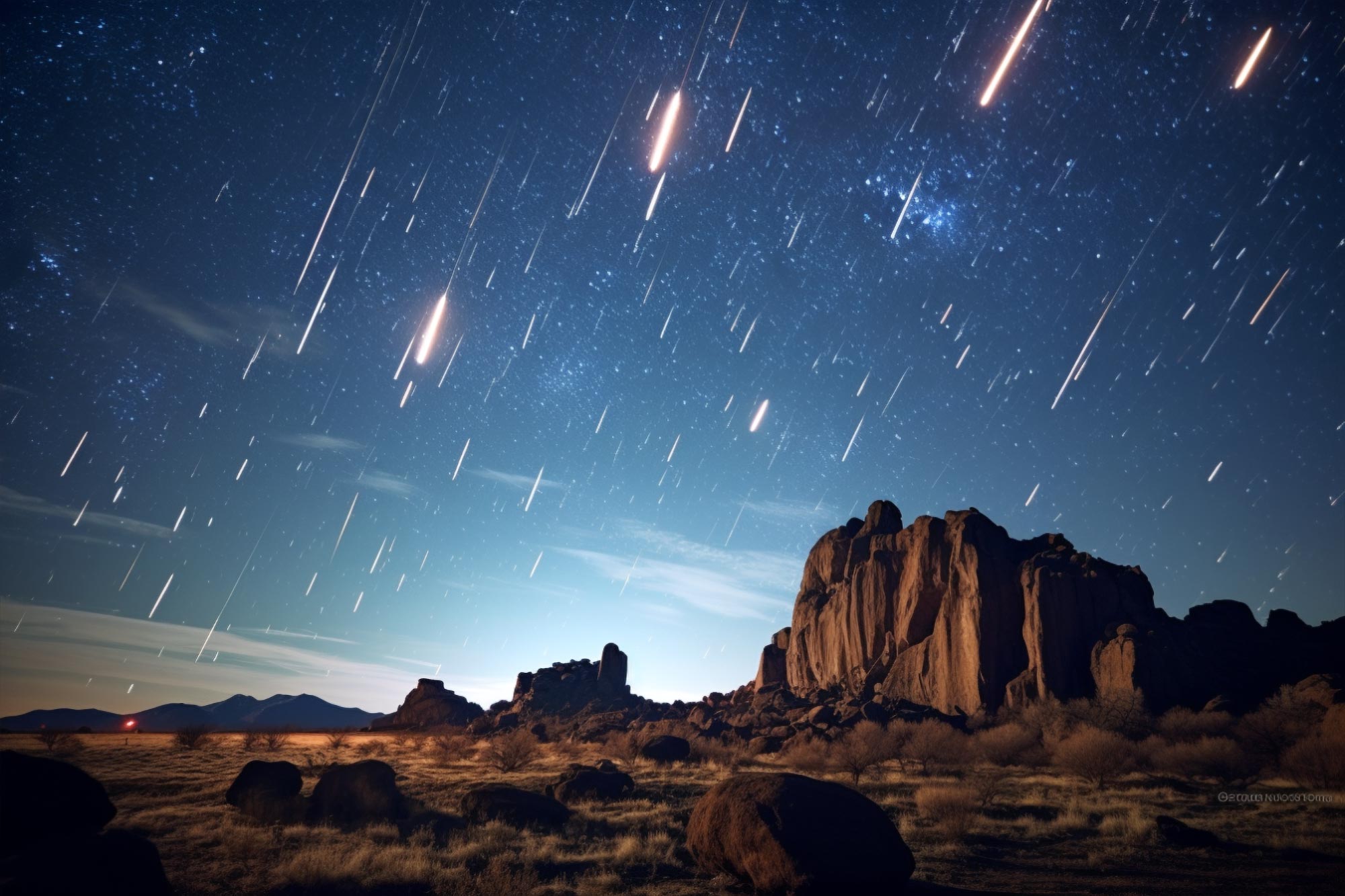
The 2024 Perseids meteor shower, peaking on the night of August 11, promises an impressive display, though visibility may be slightly hindered by a waxing moon.
Ideal viewing conditions include dark, clear skies away from city lights, and the shower can be best enjoyed by attending a local viewing party, staying warm, and being patient. Helpful resources from NASA and other astronomy sites offer tips and tools for tracking the shower’s peak.
2024 Perseids Meteor Shower
Are you ready for the 2024 Perseids? Their peak is expected to be on the night of August 11 through the morning of the 12th, with good seeing to be had the nights before and after. You may have already spotted a few Perseids streaking across the summer skies!
This shower, part of the debris stream of comet Swift-Tuttle, actually starts in mid to late July and lasts through most of August. While most of these nights only showcase a few meteors each hour, the peak of the Perseids brings many, many more. How much more? The number actually varies every year; there can be as little as a few dozen per hour, but some rare years bring a brief “burst’ of up to two hundred beautiful “shooting stars” an hour.
Viewing Conditions and Timing
This year’s Perseids will be slightly impacted by a 53% waxing Moon, but the Moon will set right as the Perseids begin to peak! This means that if you are in an area free from light pollution and enjoy clear skies, you may be able to see quite a few meteors over the course of the night! How many will you be able to see? There’s only one way to find out for yourself how strong the Perseids will be this year: go outside and patiently watch!
Tips for Enhancing Your Viewing Experience
We have a few tips on how to make the most of your meteor shower viewing experience:
- Get out of the city! Try to get to the darkest location you can. The darker it is where you are, the more meteors you will see streaking across the sky.
- Check the weather forecast for that night. You may need to check out two or three areas for predictions on fog, clouds, and temperature. Some weather sites even offer forecasts specially tailored for sky watching. Make sure you have clear skies to go along with those dark ones.
- Find a meteor shower party! Go to a gathering of like-minded folks in a local park, or an event hosted by a local astronomy club – especially if it’s your first time! Find a Perseids party by searching the Night Sky Network for clubs near you, or by searching for events near you
- Stay warm and comfortable outside-be prepared! You will be out for a good long while and will want to lie flat on your back to soak up as much of the sky as possible. To stay cozy, bring a blanket, jacket, hat, a warm drink, and water. You may think it’s silly to bring some warm clothes in the middle of the summer, but late at night the temperature can drop just enough to be chilly. If you are in a buggy area, you will want to apply some bug spray to avoid irritating bites
- Bring your friends and family! Company under starry skies is wonderful, and they provide a bonus since there are more eyes on the sky! Groups can spot more meteors than single individuals and help each other find ‘hot spots” in the sky. (Also- if you are out in the wilderness in the dark, good company helps you feel safer.)
Additional Resources and Information
For more information on one of our favorite meteor showers, check out NASA’s Perseid page and EarthSky’s great observing guide. You should also check out JPL’s August 2023 “What’s Up? video (embedded above) as Preston Dyches offers great tips on how to watch for the Perseids, as well as other objects to look for in the night skies while you wait for these brilliant streaks. You can also use NASA’s “Fluximator” meteor shower activity application to try to predict when the peak activity will be for your location. We also have a handout you can use at your star parties and outreach events: Heads up! It’s a Meteor Shower resource page.
Have fun and may you have clear skies and great weather for your meteor shower party!
Never miss a breakthrough: Join the SciTechDaily newsletter.
Follow us on Google and Google News.