
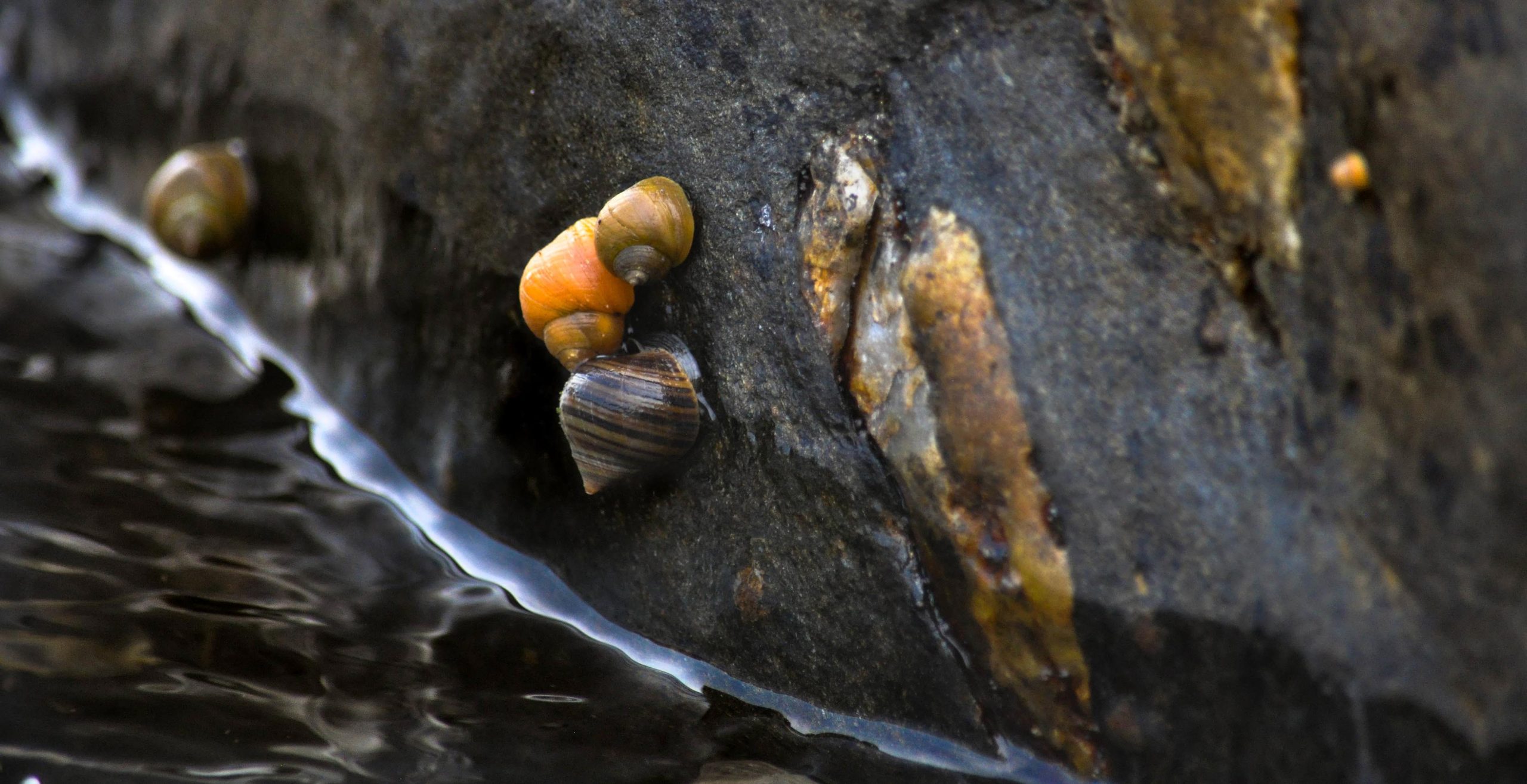
The Koster archipelago’s snail populations, affected by a toxic algae bloom, became the focus of a decades-long study revealing how rapid evolutionary changes can occur when driven by genetic diversity and environmental pressures.
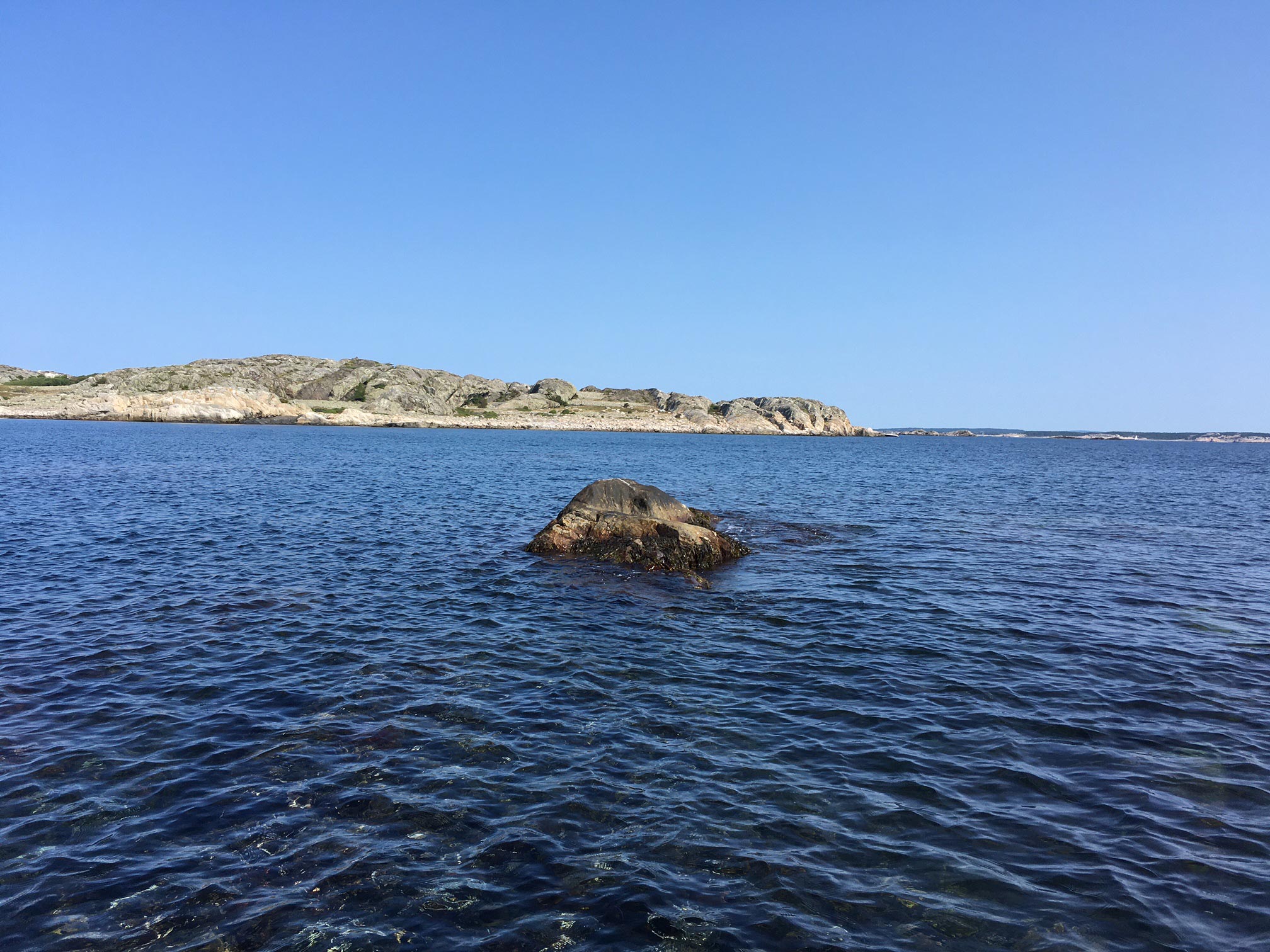
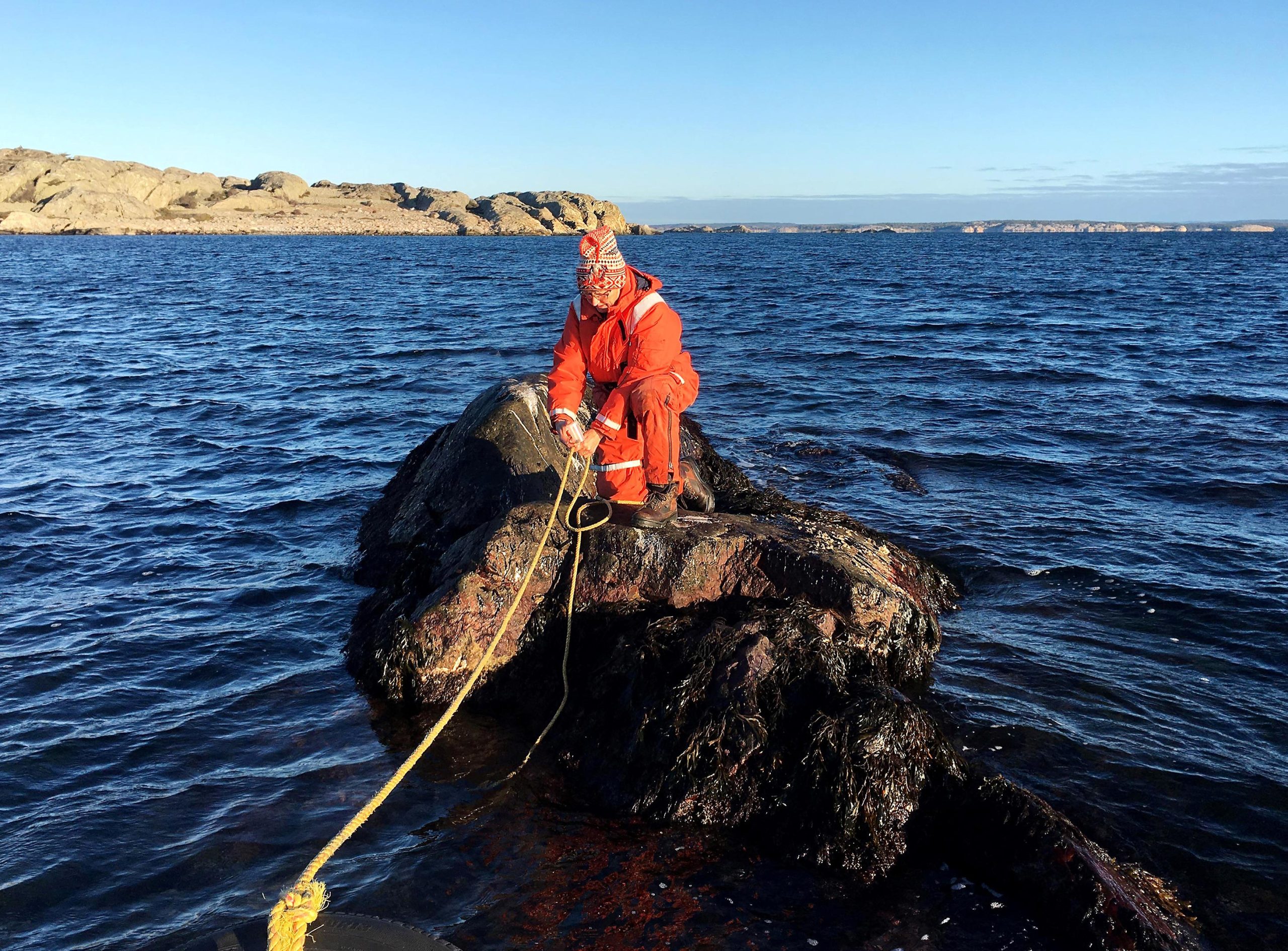
In 1988, the Koster archipelago, a cluster of islands off Sweden’s west coast near Norway, was struck by a particularly dense bloom of toxic algae, decimating the marine snail populations. One might wonder why the fate of snails on a tiny, three-square-meter rock in the open sea would matter. Yet, this event would create a unique opportunity to predict and witness evolution unfolding before our eyes.
Previously, the islands and their small intertidal skerries—rocky islets—harbored dense and diverse populations of the marine snail species Littorina saxatilis. Although the snail populations on the larger islands—some of which were reduced to less than 1%—rebounded within two to four years, several skerries struggled to recover from the devastation.
A Groundbreaking Experiment Begins
Marine ecologist Kerstin Johannesson from the University of Gothenburg, Sweden, saw a unique opportunity. In 1992, she re-introduced L. saxatilis snails to their lost skerry habitat—starting an experiment that would have far-reaching implications more than 30 years later. It allowed an international collaboration led by researchers from the Institute of Science and Technology Austria (ISTA), Nord University, Norway, the University of Gothenburg, Sweden, and The University of Sheffield, UK, to predict and witness evolution in the making.
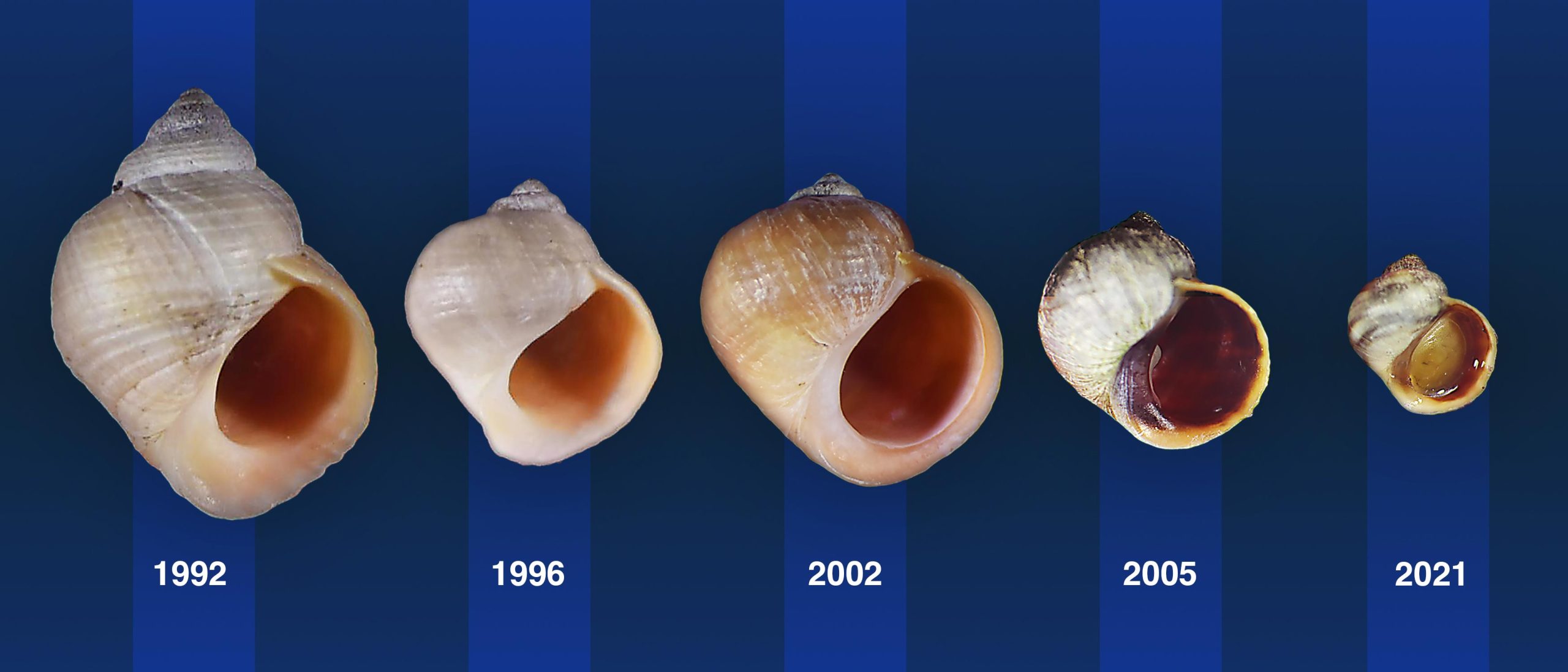
L. saxatilis is a common species of marine snails found throughout the North Atlantic shores, where different populations evolved traits adapted to their environments. These traits include size, shell shape, shell color, and behavior. The differences among these traits are particularly striking between the so-called Crab- and Wave-ecotype. These snails have evolved repeatedly in different locations, either in environments exposed to crab predation or on wave-exposed rocks away from crabs. Wave snails are typically small, and have a thin shell with specific colors and patterns, a large and rounded aperture, and bold behavior. Crab snails, on the other hand, are strikingly larger, have thicker shells without patterns, and a smaller and more elongated aperture. Crab snails also behave more warily in their predator-dominated environment.

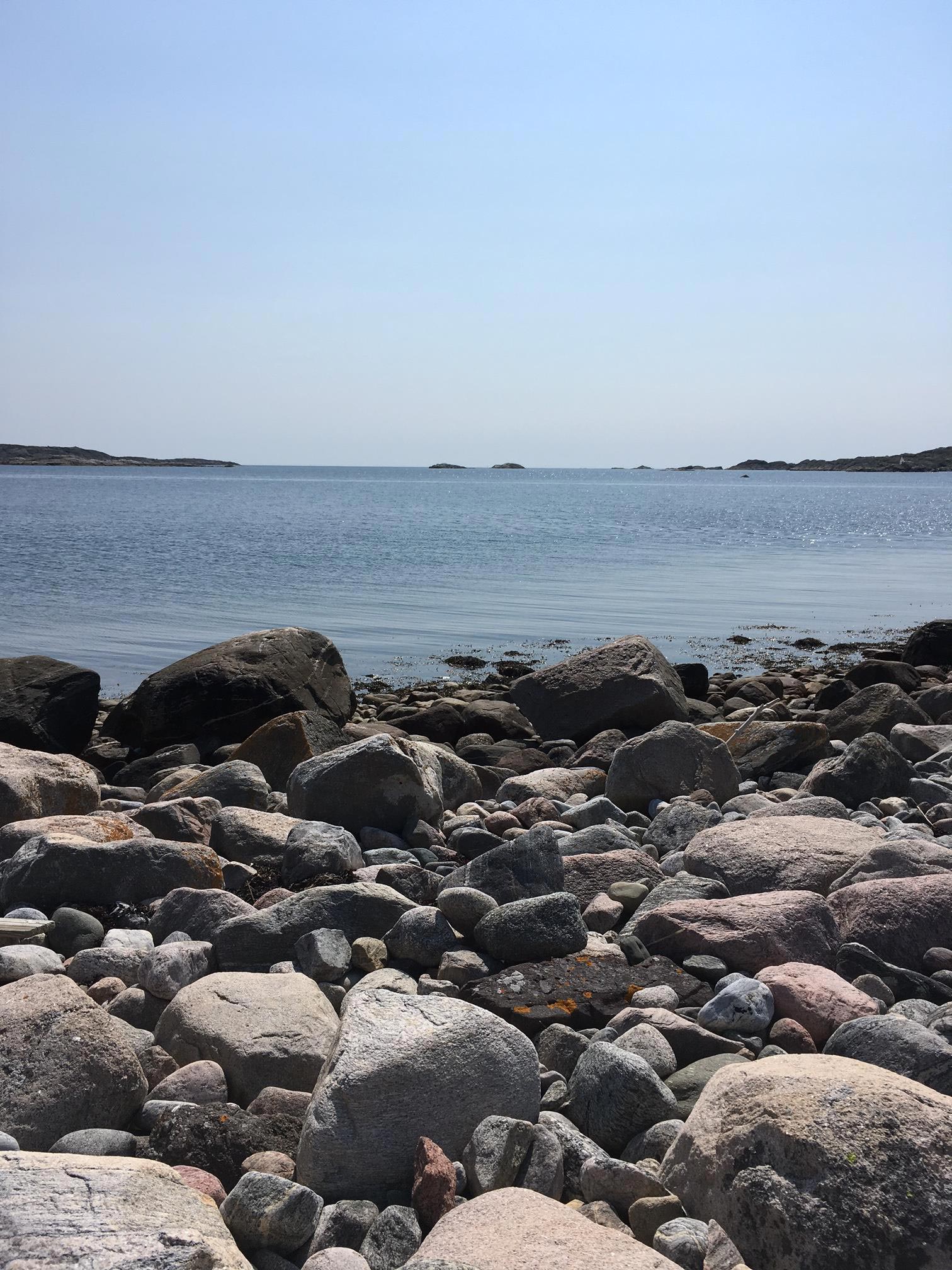
The Swedish Koster archipelago is home to these two different L. saxatilis snail types, often neighboring one another on the same island or only separated by a few hundred meters across the sea. Before the toxic algal bloom of 1988, Wave snails inhabited the skerries, while nearby shores were home to both Crab and Wave snails. This close spatial proximity would prove crucial.
Rediscovering Evolutionary Traits
Seeing that the Wave snail population of the skerries was entirely wiped out due to the toxic algae, Johannesson decided in 1992 to reintroduce snails to one of these skerries, but of the Crab-ecotype. With one to two generations each year, she rightfully expected the Crab snails to adapt to their new environment before scientists’ eyes. “Our colleagues saw evidence of the snails’ adaptation already within the first decade of the experiment,” says Diego Garcia Castillo, a graduate student in the Barton Group at ISTA and one of the authors leading the study. “Over the experiment’s 30 years, we were able to predict robustly what the snails will look like and which genetic regions will be implicated. The transformation was both rapid and dramatic,” he adds.
However, the snails did not evolve these traits entirely from scratch. Co-corresponding author Anja Marie Westram, a former postdoc at ISTA and currently a researcher at Nord University, explains, “Some of the genetic diversity was already available in the starting Crab population but at low prevalence. This is because the species had experienced similar conditions in the recent past. The snails’ access to a large gene pool drove this rapid evolution.”
Genetic Diversity and Evolutionary Change
The team examined three aspects over the years of the experiment: the snails’ phenotype, individual gene variabilities, and larger genetic changes affecting entire regions of the chromosomes called “chromosomal inversions.”
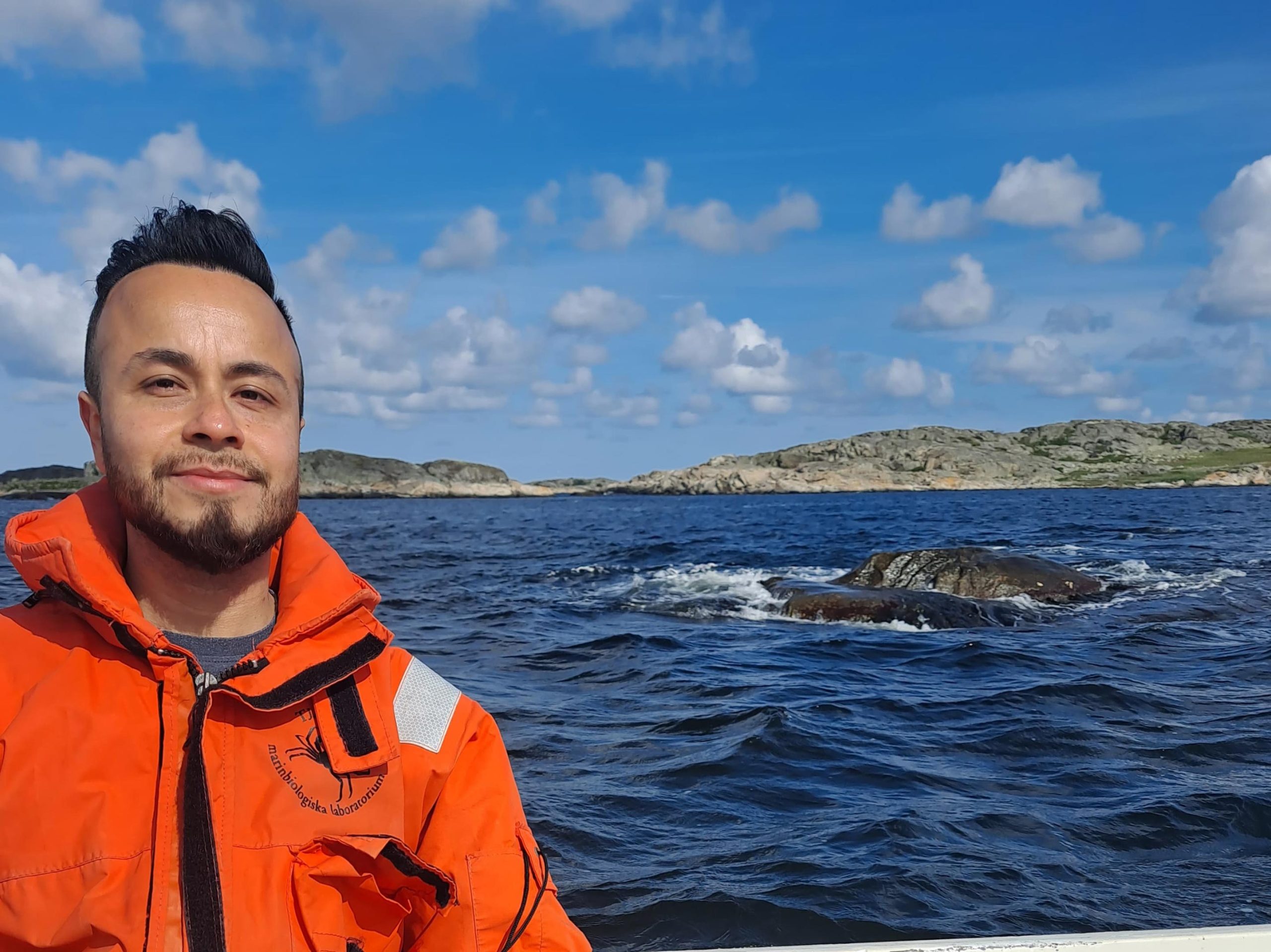
In the first few generations, the researchers witnessed an interesting phenomenon called “phenotypic plasticity”: Very soon after their transplantation, the snails modified their shape to adjust to their new environment. But the population also quickly started to change genetically. The researchers could predict the extent and direction of the genetic changes, especially for the chromosomal inversions. They showed that the snails’ rapid and dramatic transformation was possibly due to two complementary processes: A fast selection of traits already present at a low frequency in the transplanted Crab snail population and gene flow from neighboring Wave snails that could have simply rafted over 160 meters to reach the skerry.
Evolution in the Face of Environmental Pressures
In theory, scientists know that a species with high enough genetic variation can adapt more rapidly to change. However, few studies aimed to experiment with evolution over time in the wild. “This work allows us to have a closer look at repeated evolution and predict how a population could develop traits that have evolved separately in the past under similar conditions,” says Garcia Castillo.
The team now wants to learn how species can adapt to modern environmental challenges such as pollution and climate change. “Not all species have access to large gene pools and evolving new traits from scratch is tediously slow. Adaptation is very complex and our planet is also facing complex changes with episodes of weather extremes, rapidly advancing climate change, pollution, and new parasites,” says Westram. She hopes this work will drive further research on maintaining species with large and diverse genetic makeups. “Perhaps this research helps convince people to protect a range of natural habitats so that species do not lose their genetic variation,” Westram concludes.
Now, the snails Johannesson brought to the skerry in 1992 have reached a thriving population of around 1,000 individuals.
Reference: “Predicting rapid adaptation in time from adaptation in space: A 30-year field experiment in marine snails” by Diego Garcia Castillo, Nick Barton, Rui Faria, Jenny Larsson, Sean Stankowski, Roger Butlin, Kerstin Johannesson and Anja M. Westram, 11 October 2024, Science Advances.
DOI: 10.1126/sciadv.adp2102
Never miss a breakthrough: Join the SciTechDaily newsletter.
Follow us on Google and Google News.