
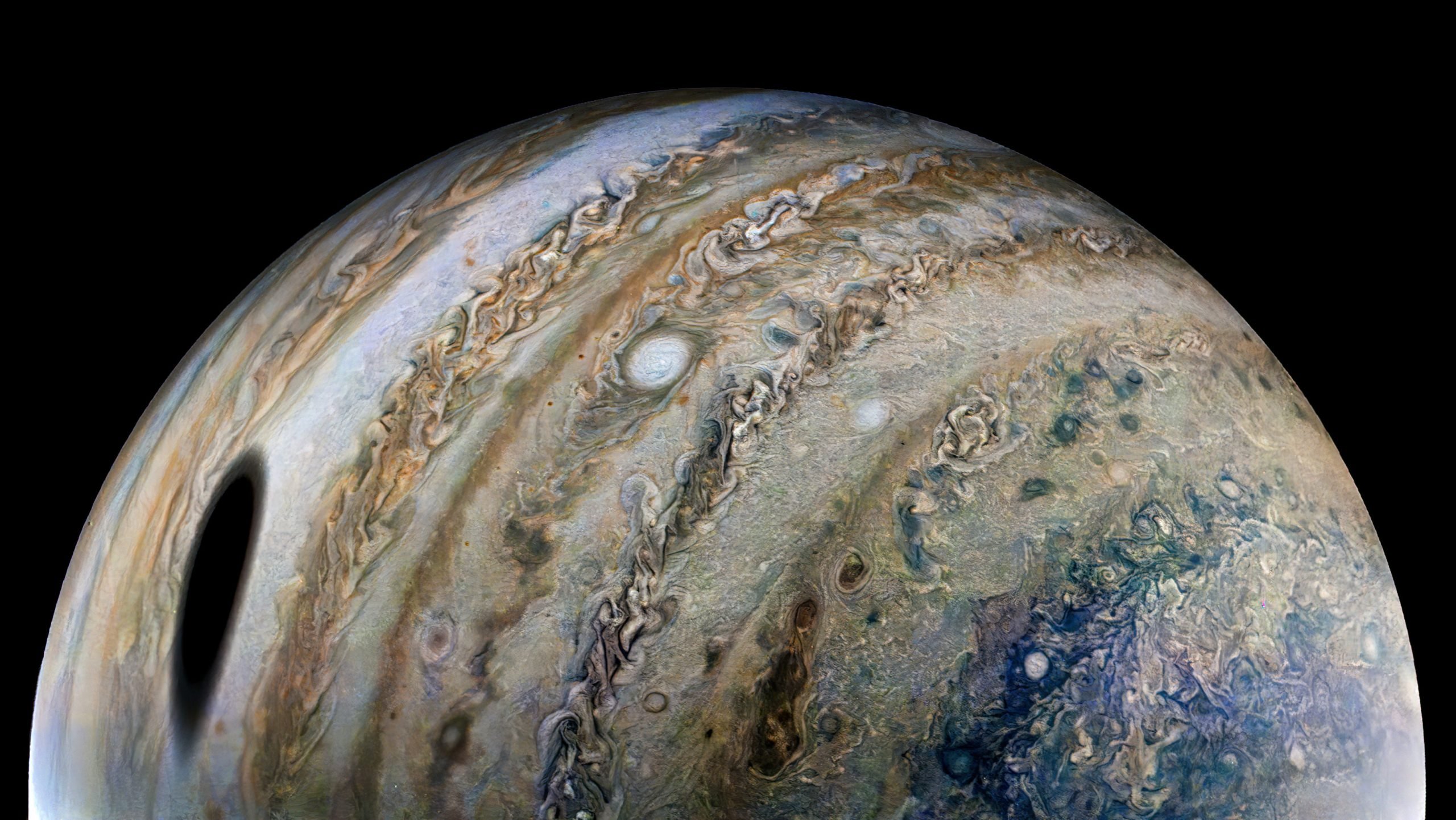
For the first time, a tool designed to discover planets many light years distant has been employed on an object in the Solar System, in a study on Jupiter’s winds.
We find ourselves at a time when it has become almost commonplace to discover planets orbiting another star, with more than 5,000 already registered. The first distant worlds to incorporate this list were mainly giant planets, similar to but also very different in many ways from Jupiter and Saturn.
Astrophysicists have already begun to obtain data on the atmospheres of exoplanets, but fundamental questions about the atmosphere of the largest planet in the Solar System are yet to be answered. To understand what happens in Jupiter’s clouds and air layers, it is necessary to study it over time, in continuous observations. Now, for the first time, an instrument developed to find and analyze worlds light years away, exoplanets, has been pointed at a target in the Solar System, 43 light minutes away from Earth: the planet Jupiter.
Utilizing the ESPRESSO Spectrograph
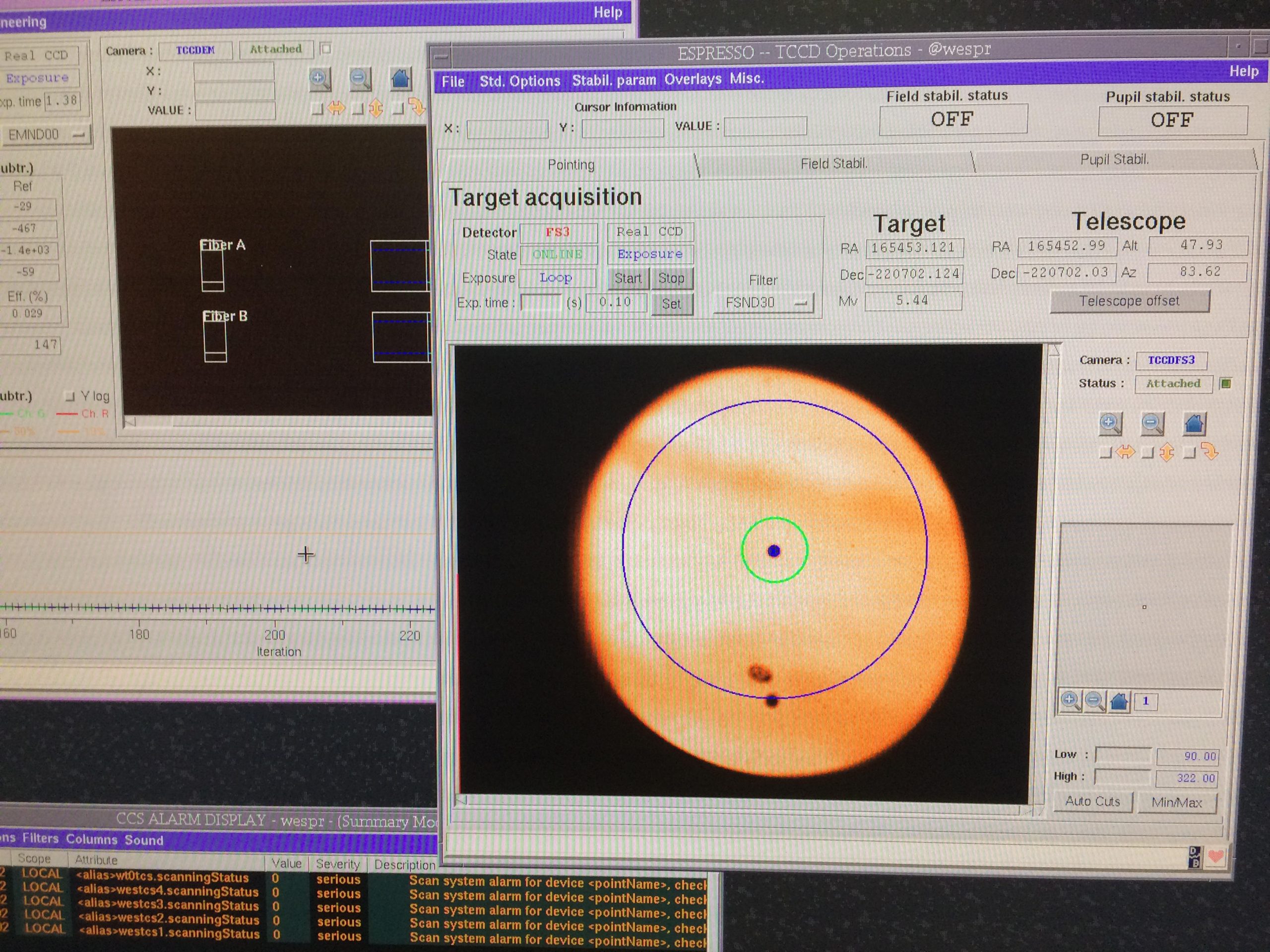
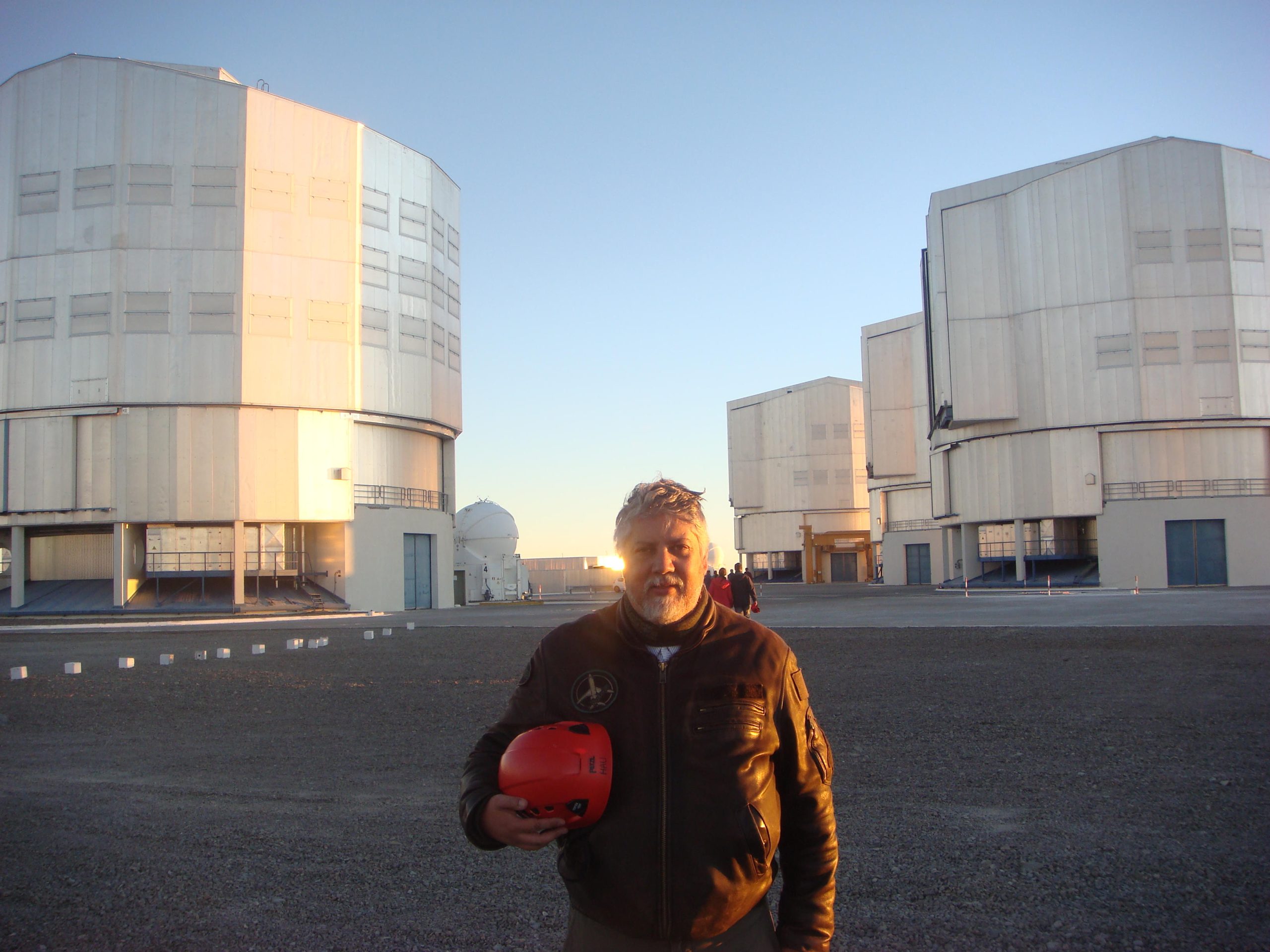
Researchers from the Institute of Astrophysics and Space Sciences (IA), at the Faculty of Sciences of the University of Lisbon (Portugal) (Ciências ULisboa), used the ESPRESSO spectrograph installed on the VLT telescope at the European Southern Observatory (ESO) to measure wind speeds on Jupiter. The results are now published in the scientific journal Universe.
The method that the team developed is called Doppler velocimetry and is based on the reflection of visible light from the Sun by clouds in the target planet’s atmosphere. This reflected light is bent in wavelength in proportion to the speed at which the clouds are moving relative to the telescope on Earth. This gives the instantaneous wind speed at the observed point.
The method now used with ESPRESSO was developed by the Planetary Systems research group of IA, with other spectrographs, to study the atmosphere of Venus. The researchers have been measuring the winds of this neighboring planet and have been contributing to the modelling of its general atmosphere for several years. Now, the exploratory application of this method with a “top of the range” instrument such as ESPRESSO has resulted in a success that opens new horizons to the knowledge of our cosmic neighborhood. This work affirms the feasibility of systematically monitoring the most distant atmospheres on gaseous planets.
Methodology and Observations
For five hours, in July 2019, the team pointed the VLT telescope at the equatorial zone of Jupiter, where light clouds are located at a higher altitude, and at the north and south equatorial belts of this planet, which correspond to descending air and which it forms bands of dark, warmer clouds in a deeper layer of the atmosphere.
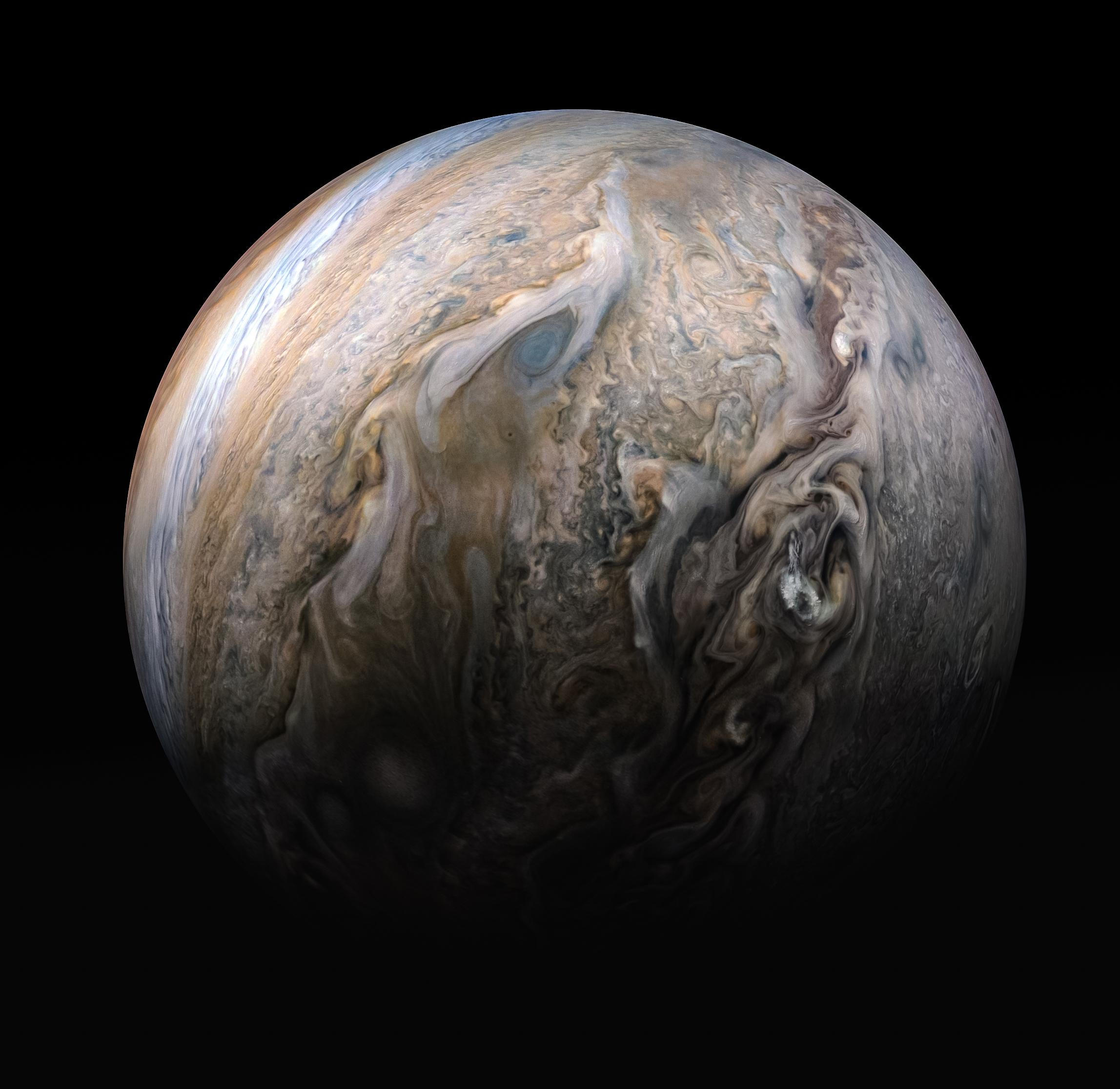
“Jupiter’s atmosphere, at the level of the clouds visible from Earth, contains ammonia, ammonium hydrosulfide, and water, which form the distinct red and white bands,” says Pedro Machado, from IA and Ciências ULisboa, “The upper clouds, located in the pressure zone of 0.6 to 0.9 bars, are made of ammonia ice. Water clouds form the densest, lowest layer, and have the strongest influence on the dynamics of the atmosphere,” adds the researcher.
Challenges and Innovations in Research
With ESPRESSO, the team was able to measure winds on Jupiter from 60 to 428 km/h with an uncertainty of less than 36 km/h. These observations, applied with a high-resolution instrument to a gaseous planet, have their challenges: “One of the difficulties centered on ‘navigation’ over Jupiter’s disk, that is, knowing exactly which point on the planet’s disk we were pointing to, due to the enormous resolution of the VLT telescope,” explains Pedro Machado.
“In the research itself, the difficulty was related to the fact that we were determining winds with an accuracy of a few meters per second when Jupiter’s rotation is on the order of ten kilometers per second at the equator and, to complicate matters, because it is a gaseous planet, and not a rigid body, it rotates at different speeds depending on the latitude of the point we observe,” adds the researcher.
To verify the effectiveness of Doppler velocimetry from telescopes on Earth in measuring winds on Jupiter, the team also gathered measurements obtained in the past in order to compare the results. Most of the existing data was collected by instruments in space and used a different method, which consists of obtaining average values of wind speed by following cloud patterns in images captured at nearby times.
The consistency between this history and the values measured in the study now published confirms the feasibility of implementing Doppler velocimetry in a program for monitoring Jupiter’s winds from Earth.
The monitoring will allow the research team to collect data on how winds change over time and will be essential for developing a reliable model for the global circulation of Jupiter’s atmosphere. This computational model should reproduce the differences in winds depending on latitude, as well as Jupiter’s storms, to help understand the causes of the atmospheric phenomena we observe on this planet. Conversely, the model will help prepare future observations with information about the pressure and altitude of the clouds in telescope’s sights.
The team intends to extend observations with ESPRESSO to a greater coverage of planet Jupiter’s disk, as well as temporally, collecting wind data throughout the planet’s entire rotation period, which is almost 10 hours. Restricting observations to certain ranges of wavelengths will also make it possible to measure winds at different altitudes, thus obtaining information on the vertical transport of air layers.
Once the technique has been mastered for the largest planet in the Solar System, the team hopes to apply it to the atmospheres of other gaseous planets, with Saturn as the next target. The success of these observations with ESPRESSO proves to be important at a time when its successor, ANDES, is being designed for the future Extremely Large Telescope (ELT), also from ESO and currently under construction in Chile, but also the future JUICE mission, from the European Space Agency, dedicated to Jupiter and which will provide additional data.
Reference: “Jupiter’s Atmosphere Dynamics Based on High-Resolution Spectroscopy with VLT/ESPRESSO” by Pedro Machado, José E. Silva, Francisco Brasil, José Ribeiro, Ruben Gonçalves and Miguel Silva, 23 November 2023, Universe.
DOI: 10.3390/universe9120491
Never miss a breakthrough: Join the SciTechDaily newsletter.
Follow us on Google and Google News.