
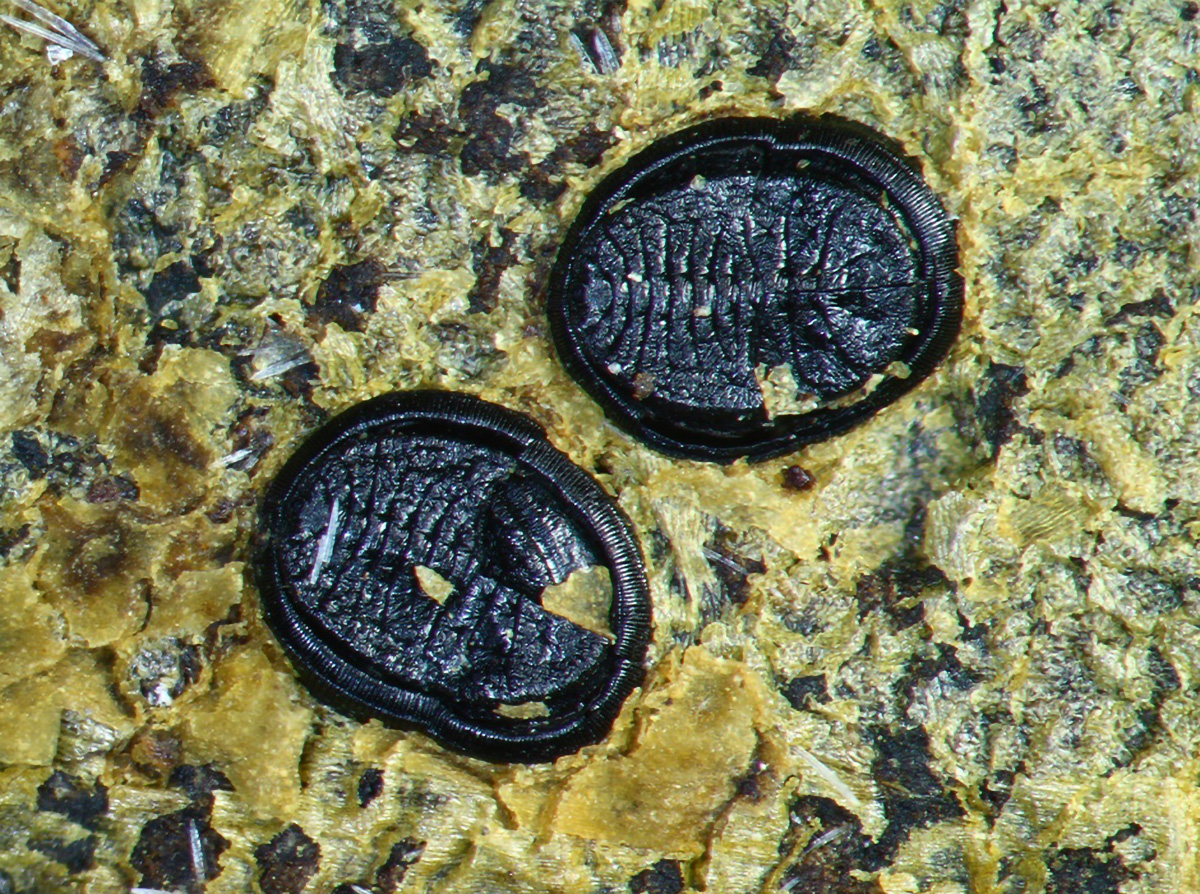
Tiny whitefly fossils discovered in Hindon Maar offer rare insights into New Zealand’s ancient ecosystems. These 15-million-year-old specimens highlight whiteflies’ role in past forests and mark a significant addition to New Zealand’s growing insect fossil record.
Newly discovered insect fossils are so small they can barely be seen by the human eye but have been preserved in an “extraordinary” way.
Published in the journal Palaeobiodiversity and Palaeoenvironments, a new study reveals rare whitefly insect fossils have been found in Miocene age crater lake sediments at Hindon Maar, near Dunedin.
Adult whiteflies are tiny insects about 3mm in size, smaller if they are immature.
The fossils found at Hindon Maar are about 1.5mm by 1.25mm and have been preserved in the position they lived and died, attached to the underside of a fossil leaf.
Exceptional Preservation and Unique Features
Black with an oval-shaped body, they have some similarities to modern-day whiteflies – such as the shape and color – but differ in that all the segments of the body are distinctly defined by deep sutures.
Co-author Dr Uwe Kaulfuss, of the University of Göttingen in Germany and former postdoctoral fellow in the University of Otago’s Department of Geology, discovered the tiny fossils during an excavation at Hindon earlier this year.
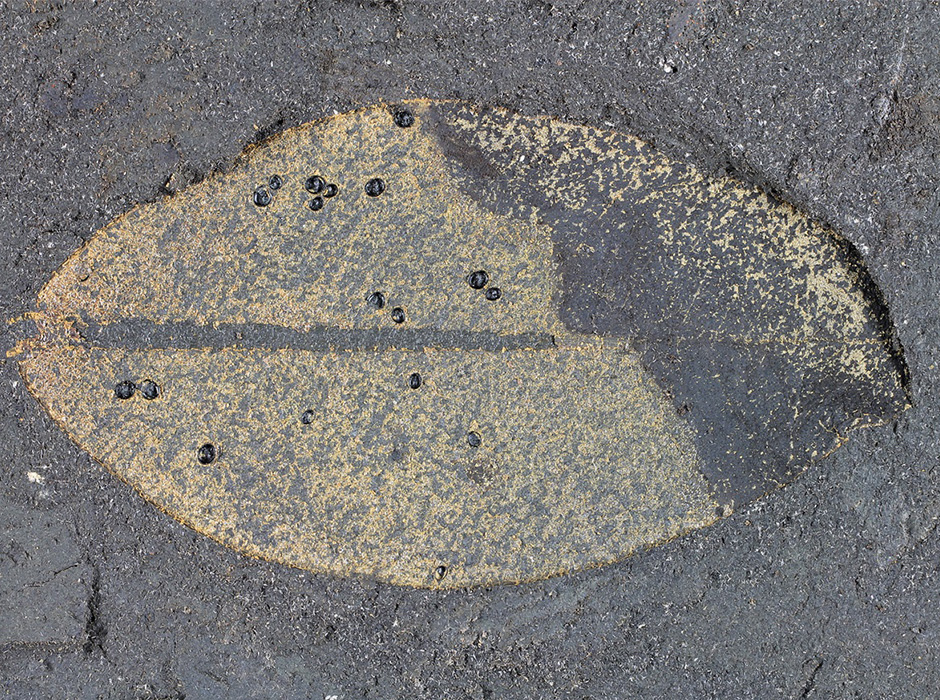
“Fossils of adult whitefly insects are not uncommon, but it takes extraordinary circumstances for the puparia – the protective shell the insect emerges from – to become fossilized,” Dr Kaulfuss says.
“Some 15 million years ago, the leaf with the puparia must have become detached from a tree, blown into the small lake, and sank to the deep lake floor to be covered by sediment and become fossilized. It must have happened in rapid succession as the tiny insect fossils are exquisitely preserved.
“The new genus and species described in our study reveals for the first time that whitefly insects were an ecological component in ancient forests on the South Island.”
Study co-author Emeritus Professor Daphne Lee, of Otago’s Department of Geology, says they add to the expanding insect fauna revealed in the maar.
Insight into New Zealand’s Fossil Record
“It was difficult to see much with the naked eye but once the fossils were under a microscope, we could see the amazing detail,” she says.
“The fact that they are still in life position on the leaf is incredible and extremely rare. These little fossils are the first of their kind to be found in New Zealand and only the third example of such fossil puparia known globally.
“Until about 20 years ago, the total number of insects in the country older than the Ice Ages was seven, and now we have 750. Almost all are housed in the Otago Geology Department collections.
“New discoveries such as these from fossil sites in Otago mean we’ve gone from knowing almost nothing about the role played by insects to a new appreciation of their importance in understanding New Zealand’s past biodiversity and the history of our forest ecosystems.”
Professor Lee says while most people are interested in big fossils – large charismatic ones – most animals in forests are insects.
“There are 14,000 insects in New Zealand and 90 percent are found nowhere else in the world,” she says.
“Discovery of these minute fossils tells us this group of insects has been in Aotearoa New Zealand for at least 15 million years. This provides a well-dated calibration point for molecular phylogenetic studies.”
Other small fossils new to science have also been found at Otago sites this year, including the first dancefly, cranefly, phantom midge, and marsh beetle fossils from New Zealand. These studies show the extent of Otago’s scientific collaborations around the world with co-authors of these papers coming from Germany, France, Spain, Poland, and the USA.
Reference: “First Miocene whiteflies and psyllids (Hemiptera: Sternorrhyncha: Aleyrodoidea and Psylloidea) from Aotearoa New Zealand” by Jowita Drohojowska, Gregory A. Evans, Uwe Kaulfuss, Daphne E. Lee and Jacek Szwedo, 9 November 2024, Palaeobiodiversity and Palaeoenvironments.
DOI: 10.1007/s12549-024-00628-z
Never miss a breakthrough: Join the SciTechDaily newsletter.
Follow us on Google and Google News.