
Close Menu
    Facebook X (Twitter) Instagram
    SciTechDaily
    • Biology
    • Chemistry
    • Earth
    • Health
    • Physics
    • Science
    • Space
    • Technology
    Facebook X (Twitter) Pinterest YouTube RSS
    SciTechDaily
    Home»Technology»Eyeing the Future: How NASA’s Human Pilots Shape Autonomous Air Taxis
    Technology

    Eyeing the Future: How NASA’s Human Pilots Shape Autonomous Air Taxis

    By NASA Armstrong Flight Research CenterOctober 8, 2023No Comments3 Mins Read
    Facebook Twitter Pinterest Telegram LinkedIn WhatsApp Email Reddit
    Share
    Facebook Twitter LinkedIn Pinterest Telegram Email Reddit
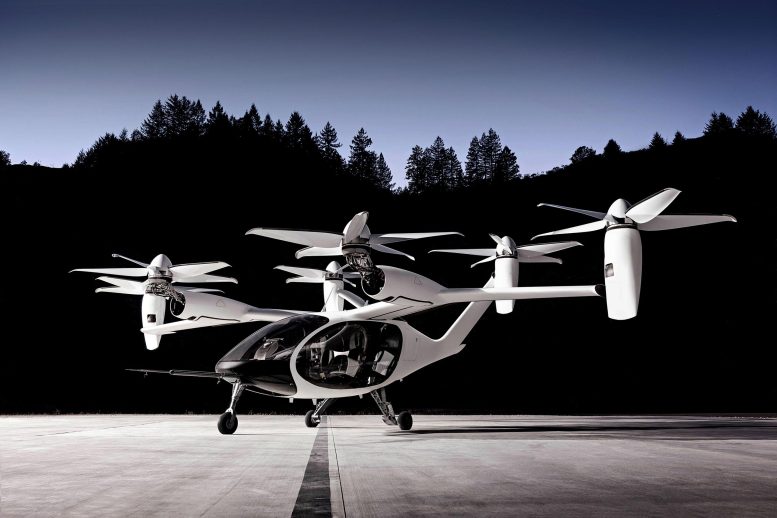
    Joby eVTOL Aircraft
    NASA and the U.S. Air Force are testing Joby Aviation’s eVTOL air taxi for potential civilian and military applications. Credit: Joby Aviation

    Air taxis may become an important part of the U.S. transportation ecosystem, quickly carrying people relatively short distances – and eventually, some may fly without a pilot aboard. NASA is helping prepare for that future with research to ensure that fully autonomous flight technology is safe.

    Research Focus and Collaboration

    Currently, a NASA study team is evaluating how autonomous software can work with flight navigation tools. And to get that information, they’re investigating how human pilots interact with the new flight navigation technology.

    This work, involving the agency’s research pilots, software developers, and flight engineers, is critical for NASA’s Advanced Air Mobility mission, which envisions a future of new air transportation options including air taxis and delivery drones. The research is part of an automation software development collaboration between NASA, the Defense Advanced Research Projects Agency (DARPA), and the aircraft manufacturer Sikorsky.
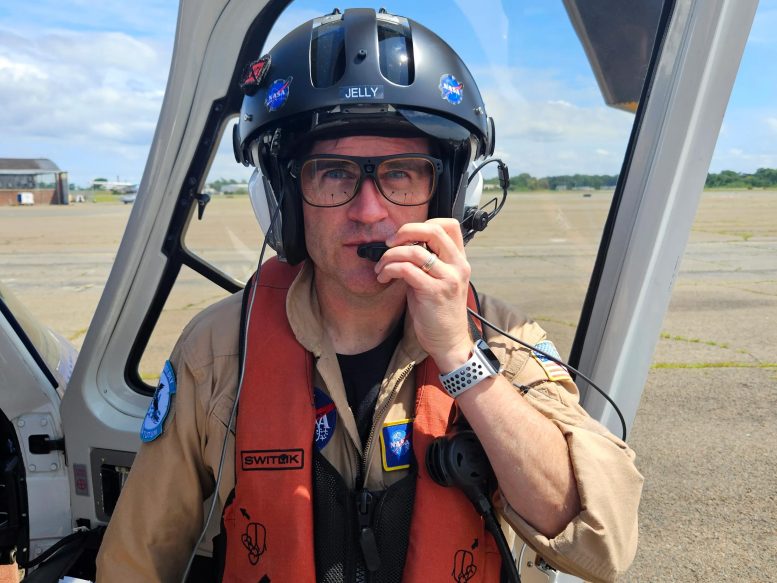
    NASA Research Pilot Scott “Jelly” Howe
    NASA research pilot Scott “Jelly” Howe tested specialized retinal movement tracking glasses at Sikorsky Memorial Airport in Bridgeport, Connecticut on June 27, 2023. The glasses will help researchers working to design air taxis understand how a pilot visually experiences the cockpit and interacts with flight navigation tools. Credit: NASA/Dr. Tyler Fettrow

    The Upcoming Test

    During an upcoming test, NASA research pilot Scott “Jelly” Howe will wear specially designed glasses that track the movement of his pupils, as well as biometric sensors that measure his body temperature and brain activity during flight. Data gathered will include Howe’s real-time reactions to ground control instructions, aircraft controls, the presence of other aircraft, and weather. The research will also monitor his use of a specially designed tablet into which he will select algorithm suggested flight path options and manually input commands.

    Understanding Human Factors

    Biometric indicators such as dilated pupils, increased brain activity, elevated heart rate, respiration, and temperature can reveal when a pilot is experiencing excessive workload or heightened stress levels. The data gathered through this study will provide insight into pilots’ tendencies during flight. NASA researchers will use that data to improve future autonomous systems, so they can respond to hazards like human pilots would, paving the way for air taxi operations in the U.S. airspace

    “The biometric devices we employ enable us to quantify physiological aspects that are typically subconscious,” said NASA human factors researcher Dr. Tyler Fettrow. “Through these devices, we capture eye tracking data, providing insights into where the pilot’s attention is focused, the duration of their fixations, and changes in pupil dilation.”

    Challenges and Integration

    This type of human-factors research is important because of the unique challenges involved with integrating air taxis in the existing airspace system, where autonomous systems will have to avoid obstacles like other aircraft, buildings, birds, and weather. NASA is looking at the larger blueprint of how these aircraft will be integrated into the national airspace.

    “Advanced Air Mobility systems typically involve a high degree of automation and interaction between the humans and technology,” Fettrow said. “Designing interfaces that provide clear situational awareness, appropriate alerts and notifications, and effective communication channels is vital for safe operations.”

    Never miss a breakthrough: Join the SciTechDaily newsletter.
    Follow us on Google and Google News.

    Autonomous Vehicles DARPA NASA Transportation
    Share. Facebook Twitter Pinterest LinkedIn Email Reddit

    Related Articles

    High Flyers Go Green: NASA’s Trailblazing Study on Aircraft Contrails and Sustainable Fuel

    Future of Aviation? NASA and U.S. Air Force Testing Joby’s Electric Vertical Takeoff and Landing (eVTOL) Aircraft

    Scientists Reveal That Self-Driving Cars Can Make Traffic Slower

    This One Weird Trick by NASA Is Saving Billions of Gallons of Fuel

    NASA’s Newest X-Plane: Next Generation Experimental Aircraft X-66A “Will Help Shape the Future of Aviation”

    Jet Engine Installed on NASA’s X-59 QueSST Quiet Supersonic Aircraft

    Ape-Like RoboSimian Robot in Development

    NASA to Test Jet Engine With a Helping of Cereal and Crayons

    NASA Reviews Ideas for Greener Aircraft

    Leave A Reply Cancel Reply

    • Facebook
    • Twitter
    • Pinterest
    • YouTube

    Don't Miss a Discovery

    Subscribe for the Latest in Science & Tech!

    Trending News

    Millions Take These IBS Drugs, But a New Study Finds Serious Risks

    Scientists Unlock Hidden Secrets of 2,300-Year-Old Mummies Using Cutting-Edge CT Scanner

    Bread Might Be Making You Gain Weight Even Without Eating More Calories

    Scientists Discover Massive Magma Reservoir Beneath Tuscany

    Europe’s Most Active Volcano Just Got Stranger – Here’s Why Scientists Are Rethinking It

    Alzheimer’s Symptoms May Start Outside the Brain, Study Finds

    Millions Take This Popular Supplement – Scientists Discover a Concerning Link to Heart Failure

    The Universe Is Expanding Too Fast and Scientists Can’t Explain Why

    Follow SciTechDaily
    • Facebook
    • Twitter
    • YouTube
    • Pinterest
    • Newsletter
    • RSS
    SciTech News
    • Biology News
    • Chemistry News
    • Earth News
    • Health News
    • Physics News
    • Science News
    • Space News
    • Technology News
    Recent Posts
    • Doctors Surprised by the Power of a Simple Drug Against Colon Cancer
    • Why Popular Diabetes Drugs Like Ozempic Don’t Work for Everyone: The “Genetic Glitch”
    • Scientists Create Improved Insulin Cells That Reverse Diabetes in Mice
    • Scientists Stunned After Finding Plant Thought Extinct for 60 Years
    • A Common Diabetes Drug May Hold the Key to Stopping HIV From Coming Back
    Copyright © 1998 - 2026 SciTechDaily. All Rights Reserved.
    • Science News
    • About
    • Contact
    • Editorial Board
    • Privacy Policy
    • Terms of Use

    Type above and press Enter to search. Press Esc to cancel.