
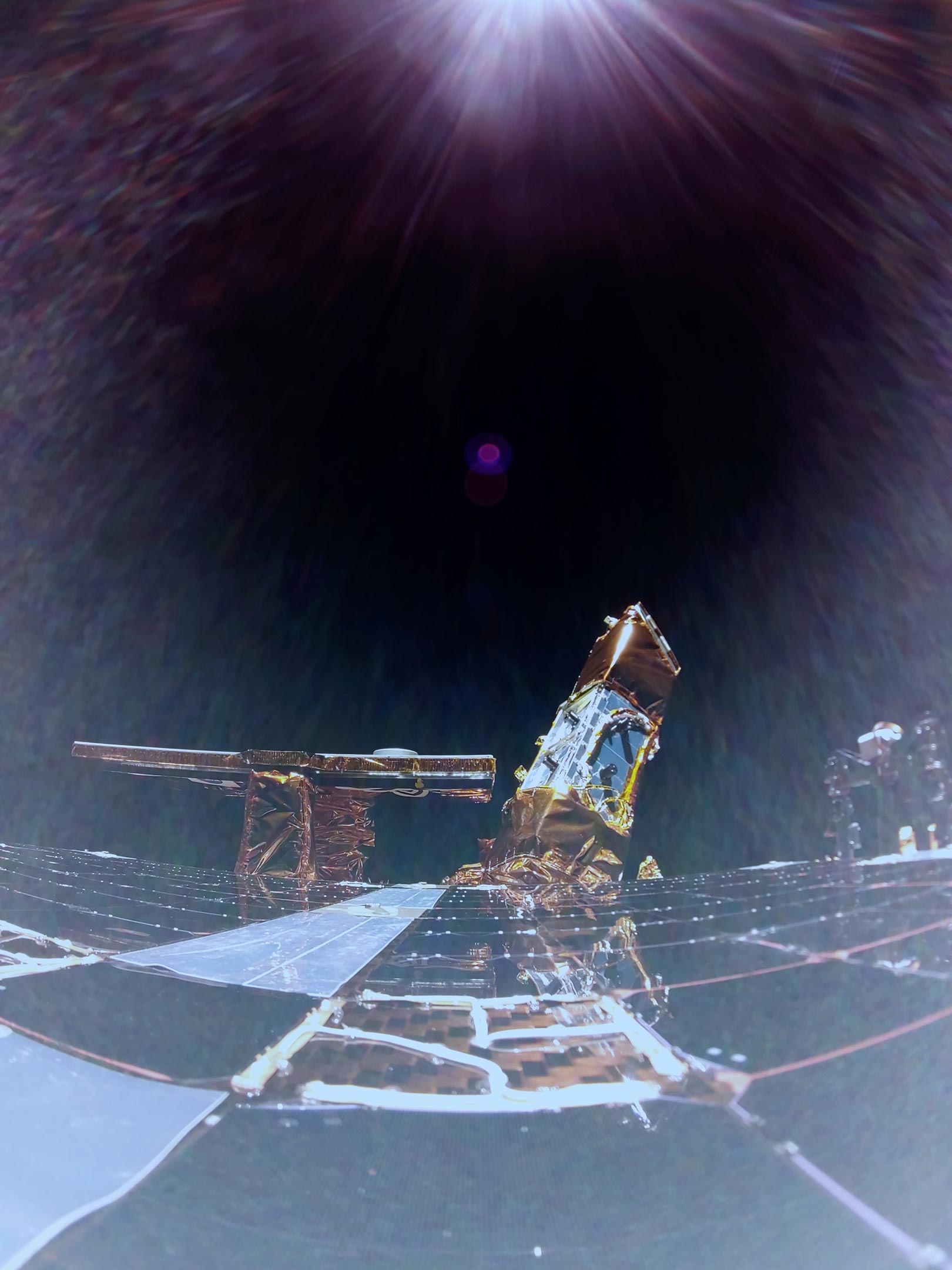
In a significant leap for lunar exploration, Firefly Aerospace’s recent mission launched 10 NASA instruments towards the Moon, with successful initial operations reported.
Key technologies demonstrate effective performance as they transmit preliminary data back to Earth, heightening anticipation for the planned lunar landing.
Successful Launch and Initial Operations
On January 15, Firefly Aerospace successfully launched 10 NASA science and technology instruments as part of its first Commercial Lunar Payload Services (CLPS) mission. NASA teams are now conducting initial health checks and gathering data from the instruments in preparation for a planned lunar landing in early March. According to flight controllers for Blue Ghost Mission 1, the spacecraft is meeting key milestones, including establishing a signal and maintaining reliable communications through its Mission Operations Center in Cedar Park, Texas.
Payload Performance and Data Transmission
Six NASA payloads aboard the flight, including the Radiation Tolerant Computer (RadPC) technology demonstration, Stereo Camera for Lunar Plume-Surface Studies (SCALPSS), Lunar PlanetVac (LPV), Lunar Instrumentation for Subsurface Thermal Exploration with Rapidity (LISTER), Lunar GNSS Receiver Experiment (LuGRE), and the Electrodynamic Dust Shield (EDS) are already sending initial data back to Earth. All NASA payloads are healthy, and additional payload data sets are expected during this transit period, as the mission continues its 45-day trajectory before landing on the surface of the Moon.

Blue Ghost Mission 1, led by Firefly Aerospace, is the company’s inaugural Commercial Lunar Payload Services (CLPS) mission in partnership with NASA. The mission launched 10 advanced science and technology instruments designed to study and test lunar environments. Over its 45-day trajectory to the Moon, the spacecraft is collecting and transmitting data back to Earth. With a planned lunar landing in early March, Blue Ghost Mission 1 aims to support NASA’s Artemis program by advancing lunar science, demonstrating new technologies, and paving the way for future exploration efforts.
Never miss a breakthrough: Join the SciTechDaily newsletter.
Follow us on Google and Google News.