
Close Menu
    Facebook X (Twitter) Instagram
    SciTechDaily
    • Biology
    • Chemistry
    • Earth
    • Health
    • Physics
    • Science
    • Space
    • Technology
    Facebook X (Twitter) Pinterest YouTube RSS
    SciTechDaily
    Home»Biology»“Flipping the Script” – New Research Rewrites the Evolutionary Story of Gills
    Biology

    “Flipping the Script” – New Research Rewrites the Evolutionary Story of Gills

    By University of British ColumbiaNovember 19, 2022No Comments3 Mins Read
    Facebook Twitter Pinterest Telegram LinkedIn WhatsApp Email Reddit
    Share
    Facebook Twitter LinkedIn Pinterest Telegram Email Reddit
    Evolution of Gills
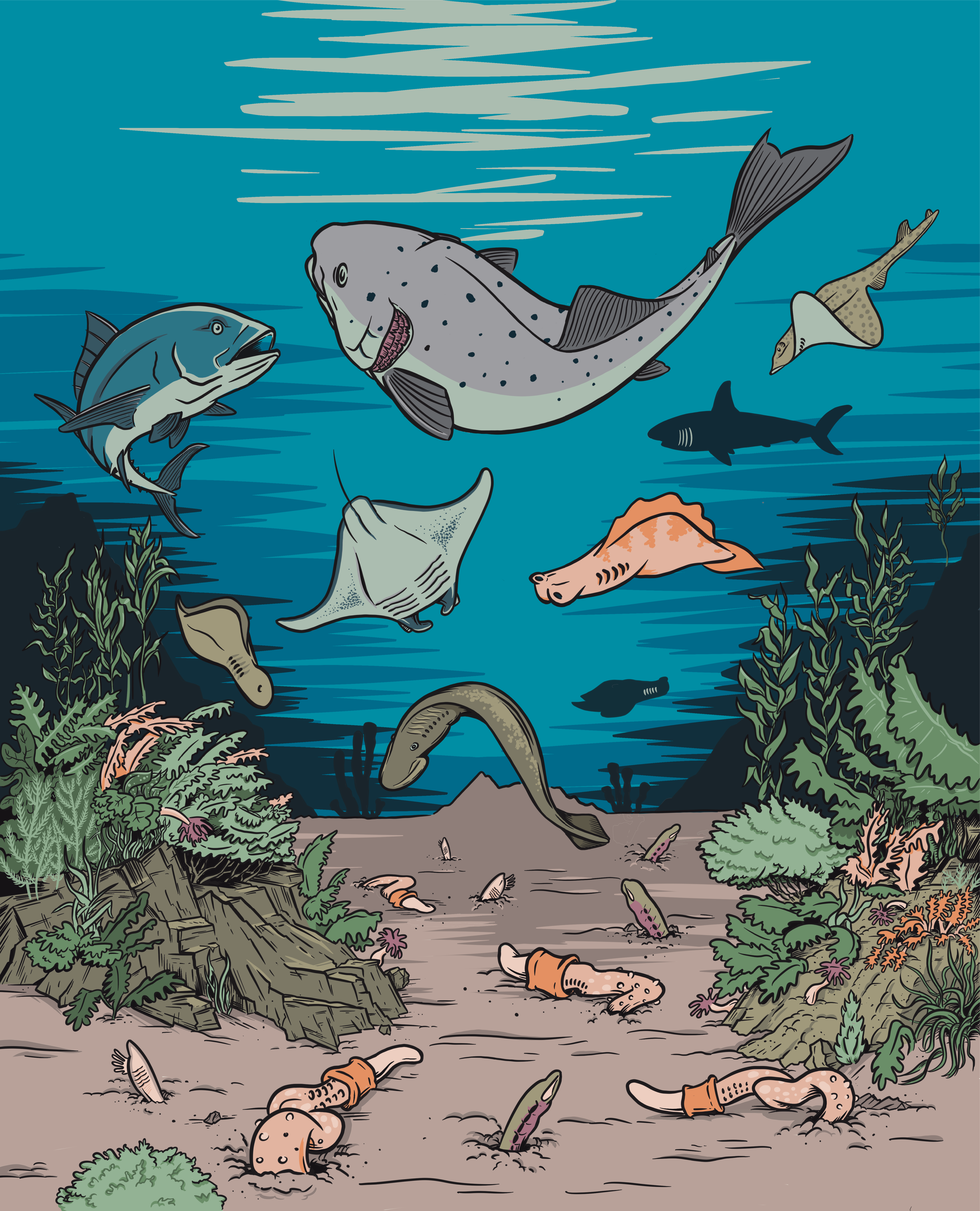
    Well before evolving to help vertebrates breathe underwater, gills played an early and equally important role in regulating the salt and pH balance of blood, according to surprising new research from University of British Columbia zoologists. Credit: Rashpal Dhillon, Rush Studio

    The Study Adds a New, Early Chapter to the Evolutionary Tale of Gills

    Most fish species depend on their gills to breathe underwater. Less widely known is the fact that, like kidneys in other animals, fish gills control the pH and salt balance of their blood. This lesser-known gill function referred to as “ion regulation,” has historically been assumed to have evolved in tandem with breathing.

    However, a surprising new study published in Nature is introducing a new, early chapter to the evolutionary history of gills.

    “Our work suggests that the early, simplified gills of our worm-like ancestors played an important role in ion regulation. And that role might have originated as early as the very inception of gills, well before they played any role in breathing,” says Dr. Michael Sackville, a zoologist who led the study while with the University of British Columbia (UBC).

    “This really does flip the script on our understanding of how gills and gill function evolved.”
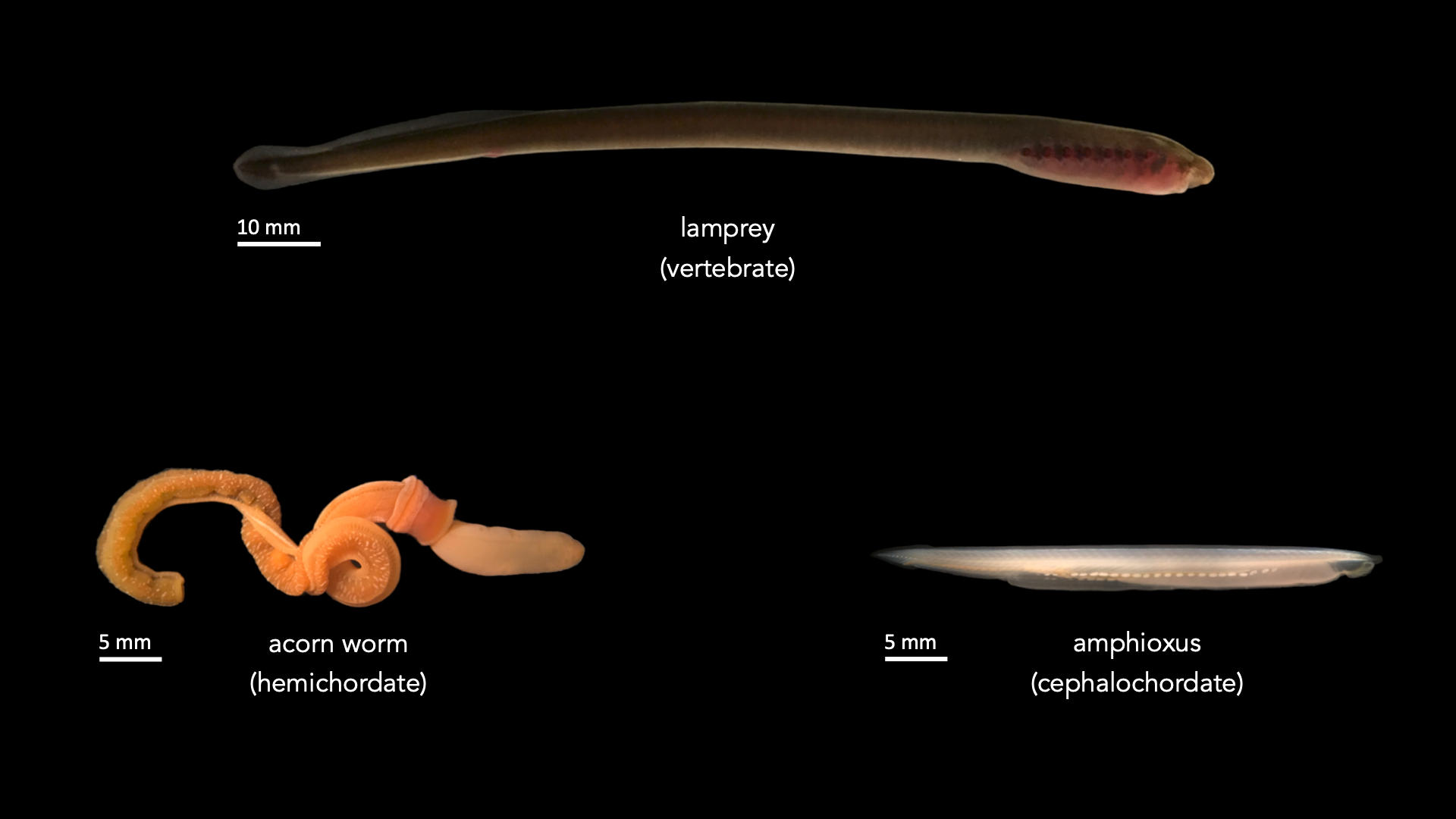
    Lamprey, Acorn Worm, and Amphioxus
    Researchers at the University of British Columbia used three representative animals as a foundation to learn when and how gills acquired their functions. Credit: Michael Sackville, University of British Columbia

    For more than a century, scientists, including Darwin, have been captivated by the evolution of gills and lungs. Prior to this research, it was believed that gills were initially utilized for breathing and ion control near the beginning of vertebrate life. These two functions changed from the skin to the gills in tandem in this traditional timeline, helping vertebrates in their transformation from tiny, worm-like organisms to larger, active fishes. This transformation from “small and wormy” to “big and fishy” is a defining moment in vertebrate evolution.

    The research compared three species that are still alive today but belong to distinct lineages: lampreys, which are vertebrates, and amphioxus and acorn worms, which are close relatives of vertebrates. The researchers reasoned that any gill functions shared by the animals were acquired from a common ancestor, which is thought to have existed well over 500 million years ago.

    “We found that gills were used for breathing in only our vertebrate representative, and only with increasing body size and activity,” says Dr. Colin Brauner, a UBC zoologist and senior author on the paper.

    “But we found ion-regulating cells in the gills of all three of our animals. This allowed us to trace the origin of ion regulation at gills all the way back to early deuterostome animals when very simple gill structures are thought to have first evolved. The finding supports the classic story that gills were first used for breathing in early vertebrates, but adds an exciting new, earlier chapter to the story, clearly worthy of further study.”

    Reference: “Ion regulation at gills precedes gas exchange and the origin of vertebrates” by Michael A. Sackville, Christopher B. Cameron, J. Andrew Gillis and Colin J. Brauner, 19 October 2022, Nature.
    DOI: 10.1038/s41586-022-05331-7

    The study was conducted in collaboration with researchers at the University of Montreal and Cambridge University.

    The study was funded by the Natural Sciences and Engineering Council of Canada and Royal Society.

    Never miss a breakthrough: Join the SciTechDaily newsletter.
    Follow us on Google and Google News.

    Evolution Fish University of British Columbia
    Share. Facebook Twitter Pinterest LinkedIn Email Reddit

    Related Articles

    Unexpected Discovery of a 410-Million-Year-Old Fossil Forces Rethink of Shark Evolution

    Sexual Parasitism: Loss of Adaptive Immunity Helps Deep Sea Anglerfish Physically Fuse With Their Mates

    Sexual Parasitism: Deep-Sea Anglerfish Evolved a New Type of Immune System to Physically Fuse With Their Mates

    Supergenes – Massive Blocks of Genes – May Help Fill Lingering Gaps in Darwin’s Theories of Evolution

    Dramatic Fish Evolution in Action: Land Fish Forced to Adapt After Leap Out of Water

    Sturgeon “Methuselah Fish” Genome Sequenced – Important Piece of Evolutionary Puzzle

    Evolutionary Origin of the Human Hand Revealed by Ancient Fish Fossil

    Finding Nemo’s Cousins: Meet the Little Fish That Can See UV Light

    Old Theory on How Piranhas Keep Their Teeth Sharp Finally Proven With New Technology

    Leave A Reply Cancel Reply

    • Facebook
    • Twitter
    • Pinterest
    • YouTube

    Don't Miss a Discovery

    Subscribe for the Latest in Science & Tech!

    Trending News

    What Causes Chronic Pain? Scientists Identify Key Culprit in the Brain

    Semaglutide Shows Surprising Mental Health Benefits in Massive 100,000-Person Study

    This Liquid Snapped Instead of Flowing and Scientists Were Shocked

    Breakthrough Alzheimer’s Drug Rewires the Brain Instead of Just Clearing Plaques

    Scientists Discover Hidden “Footprint of Death” That Could Transform How We Fight Disease

    A Simple Nose Swab Could Detect Alzheimer’s Years Before Symptoms Appear

    Scientists Just Rewrote the Timeline of Complex Life on Earth

    Teenager’s Fossil Find Leads to Discovery of Shark Teeth in 5 Million-Year-Old Whale Skull

    Follow SciTechDaily
    • Facebook
    • Twitter
    • YouTube
    • Pinterest
    • Newsletter
    • RSS
    SciTech News
    • Biology News
    • Chemistry News
    • Earth News
    • Health News
    • Physics News
    • Science News
    • Space News
    • Technology News
    Recent Posts
    • Even “Failed” Diets May Deliver Long-Term Health Gains, Study Finds
    • Childhood Junk Food May Rewire the Brain for Life
    • NIH Scientists Discover Powerful New Opioid That Relieves Pain Without Dangerous Side Effects
    • Breakthrough Study Reveals Why Damaged Nerves Struggle To Heal
    • 20-Year Study Reveals Cholera’s Surprising Weakness
    Copyright © 1998 - 2026 SciTechDaily. All Rights Reserved.
    • Science News
    • About
    • Contact
    • Editorial Board
    • Privacy Policy
    • Terms of Use

    Type above and press Enter to search. Press Esc to cancel.