
Close Menu
    Facebook X (Twitter) Instagram
    SciTechDaily
    • Biology
    • Chemistry
    • Earth
    • Health
    • Physics
    • Science
    • Space
    • Technology
    Facebook X (Twitter) Pinterest YouTube RSS
    SciTechDaily
    Home»Biology»Floral Scents Have Provided Olfactory Excitement Since Mid-Cretaceous Period
    Biology

    Floral Scents Have Provided Olfactory Excitement Since Mid-Cretaceous Period

    By Steve Lundeberg, Oregon State UniversityAugust 8, 2018No Comments3 Mins Read
    Facebook Twitter Pinterest Telegram LinkedIn WhatsApp Email Reddit
    Share
    Facebook Twitter LinkedIn Pinterest Telegram Email Reddit
    Dinosaurs Enjoyed the Scent of Flowers
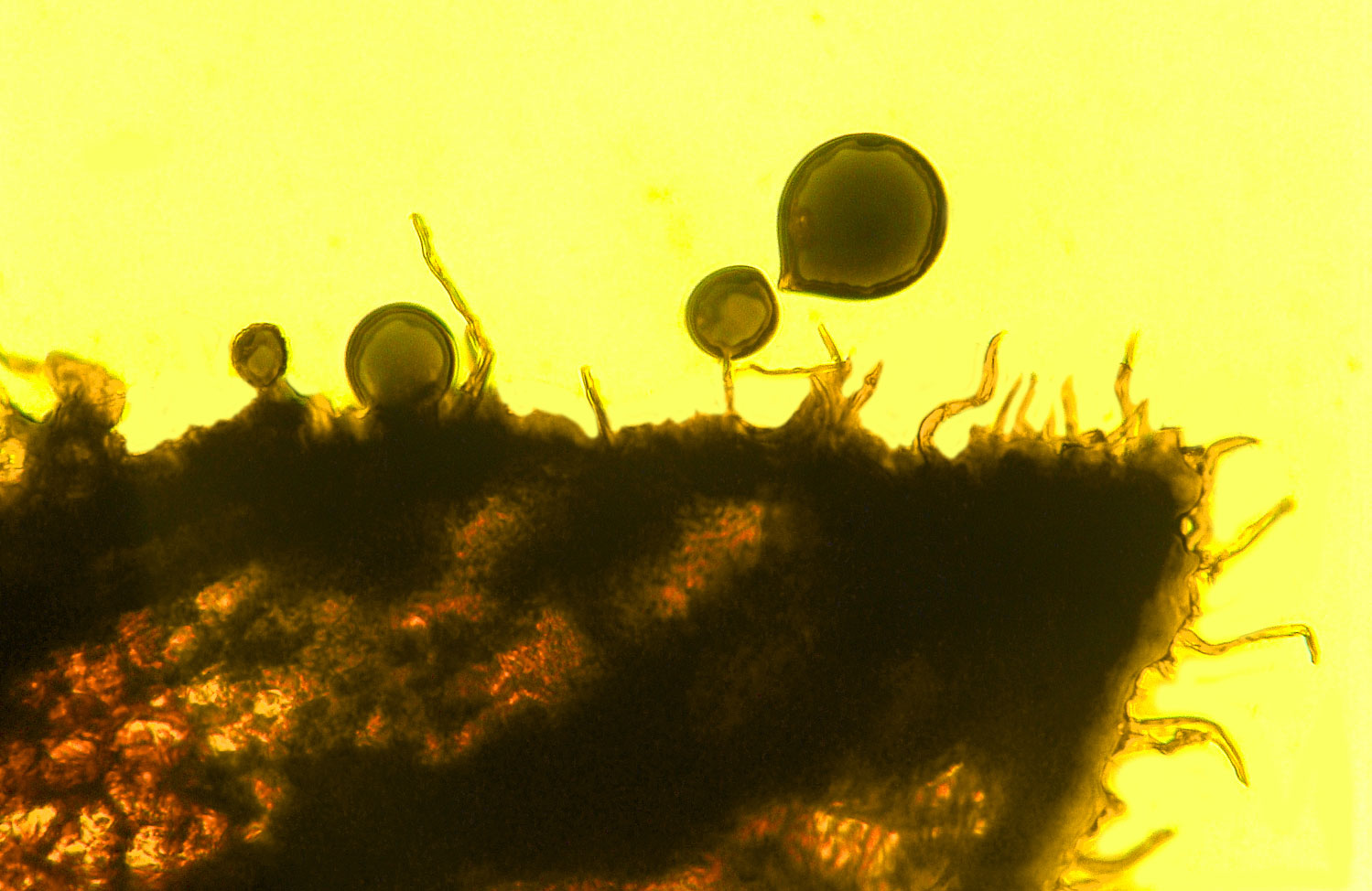
    Glands secreting oil

    The compounds behind the perfumes and colognes you enjoy have been eliciting olfactory excitement since dinosaurs walked the Earth amid the first appearance of flowering plants, new research reveals.

    Oregon State University entomologist George Poinar Jr. and his son Greg, a fragrance collector, found evidence that floral scents originated in primitive flowers as far back as 100 million years ago as pollinator attractants – a role they still play even though today’s flowers also have colorful petals for luring pollinators.

    “I bet some of the dinosaurs could have detected the scents of these early flowers,” George Poinar said. “In fact, floral essences from these early flowers could even have attracted these giant reptiles.”

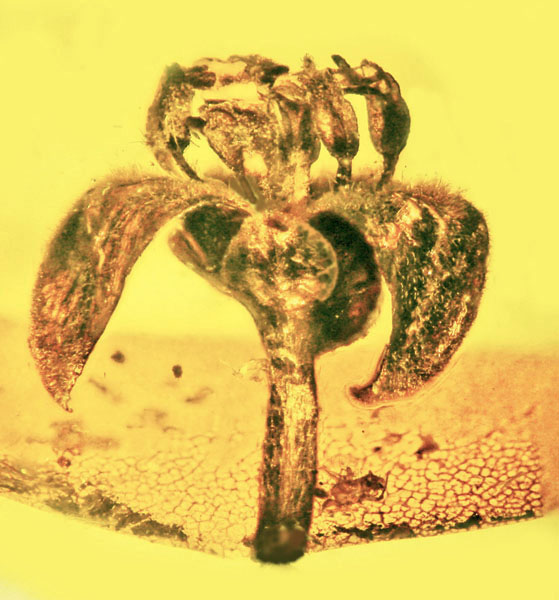
    The Poinars examined amber flowers from Burma, including the now extinct glandular laurel flower (Cascolaurus burmensis) and veined star flower (Tropidogyne pentaptera).

    The research revealed that the flower-based chemical compounds that are the basis for the perfumes and colognes we use today have been providing olfactory excitement to pollinating insects and other animals since the mid-Cretaceous Period.
    Dinosaurs Enjoyed the Smell of Flowers
    Glandular laurel

    Without colorful petals, flowers from that period had to rely solely on scents to attract pollinators.

    “You can’t detect scents or analyze the chemical components of fossil flowers, but you can find the tissues responsible for the scents,” said George Poinar, professor emeritus in the OSU College of Science.

    The floral secretory tissues producing these scents include nectaries, glandular trichomes, eliaphores, and osmophores.

    Nectaries are glands that produce fragrances and sweet deposits that insects love. Glandular trichomes are hairs with cells that make and send out scented secretory products. Eliaphores are stalked aromatic oil glands. Osmophores, also known as floral fragrance glands, are cell clusters specializing in scent emission.

    The study also found that the secretory tissues of these Cretaceous flowers are similar in structure to those of their modern descendants. That suggests modern and ancient flowers of the same lineages produced similar essences.

    Some of the flowers studied were even in the process of emitting compounds at the time they were engulfed by the tree resin that later became amber.

    The study also included a milkweed flower (Discoflorus neotropicus) and an acacia flower (Senegalia eocaribbeansis) in 20- to 30-million-year-old Dominican Republic amber.

    The anther glands on the fossil acacia flower were especially attractive to bees, one of which was fossilized while visiting the stamens. Today, honeybees are still visiting acacia flowers that have the same type of flora glands that existed in the ancient past.

    “It’s obvious flowers were producing scents to make themselves more attractive to pollinators long before humans began using perfumes to make themselves more appealing to other humans,” George Poinar said.

    Reference: “The antiquity of floral secretory tissues that provide today’s fragrances,” by George Poinar and Greg Poinar, 25 July 2018, Historical Biology.
    DOI: 10.1080/08912963.2018.1502288

    Never miss a breakthrough: Join the SciTechDaily newsletter.
    Follow us on Google and Google News.

    Dinosaurs Entomology Flowers Oregon State University
    Share. Facebook Twitter Pinterest LinkedIn Email Reddit

    Related Articles

    Rare Beetle Rediscovered After 55 Years

    Mushroom Growing Out of 50-Million-Year-Old Fossilized Ant Reveals New Species of Fungal Parasite

    Meet the ‘Mold Pigs,’ a Newly Discovered Invertebrate From 30 Million Years Ago

    Jurassic Period Super-Sized Fleas Had Armored Mouthparts to Attack the Thick Hide of Dinosaurs

    Flies Drink Alcohol to Medicate Against Wasp Infections

    Researchers Believe Triceratops had Upright Forelimbs

    European Cave Spiders Produce Extremely Stretchable Silk

    Fungus Transforms North American Red Turpentine Beetle into Tree Killer in Asia

    Adanson’s Jumping Spiders Hunt Using Unusual Depth Perception

    Leave A Reply Cancel Reply

    • Facebook
    • Twitter
    • Pinterest
    • YouTube

    Don't Miss a Discovery

    Subscribe for the Latest in Science & Tech!

    Trending News

    Scientists May Have Found the Key to Jupiter and Saturn’s Moon Mystery

    Scientists Uncover Brain Changes That Link Pain to Depression

    Saunas May Do More Than Raise Body Temperature – They Activate Your Immune System

    Exercise in a Pill? Metformin Shows Surprising Effects in Cancer Patients

    Hidden Oceans of Magma Could Be Protecting Alien Life

    New Study Challenges Alzheimer’s Theories: It’s Not Just About Plaques

    Artificial Sweeteners May Harm Future Generations, Study Suggests

    Splashdown! NASA Artemis II Returns From Record-Breaking Moon Mission

    Follow SciTechDaily
    • Facebook
    • Twitter
    • YouTube
    • Pinterest
    • Newsletter
    • RSS
    SciTech News
    • Biology News
    • Chemistry News
    • Earth News
    • Health News
    • Physics News
    • Science News
    • Space News
    • Technology News
    Recent Posts
    • As Cities Invade the Amazon, Yellow Fever Makes a Dangerous Comeback
    • “Asian Flush” May Be a Hidden Trigger for Deadly Heart Damage
    • AI Could Detect Early Signs of Alzheimer’s in Under a Minute – Far Before Traditional Tests
    • What if Dark Matter Has Two Forms? Bold New Hypothesis Could Explain a Cosmic Mystery
    • Researchers Expose Hidden Chemistry of “Ore-Forming” Elements in Biology
    Copyright © 1998 - 2026 SciTechDaily. All Rights Reserved.
    • Science News
    • About
    • Contact
    • Editorial Board
    • Privacy Policy
    • Terms of Use

    Type above and press Enter to search. Press Esc to cancel.