
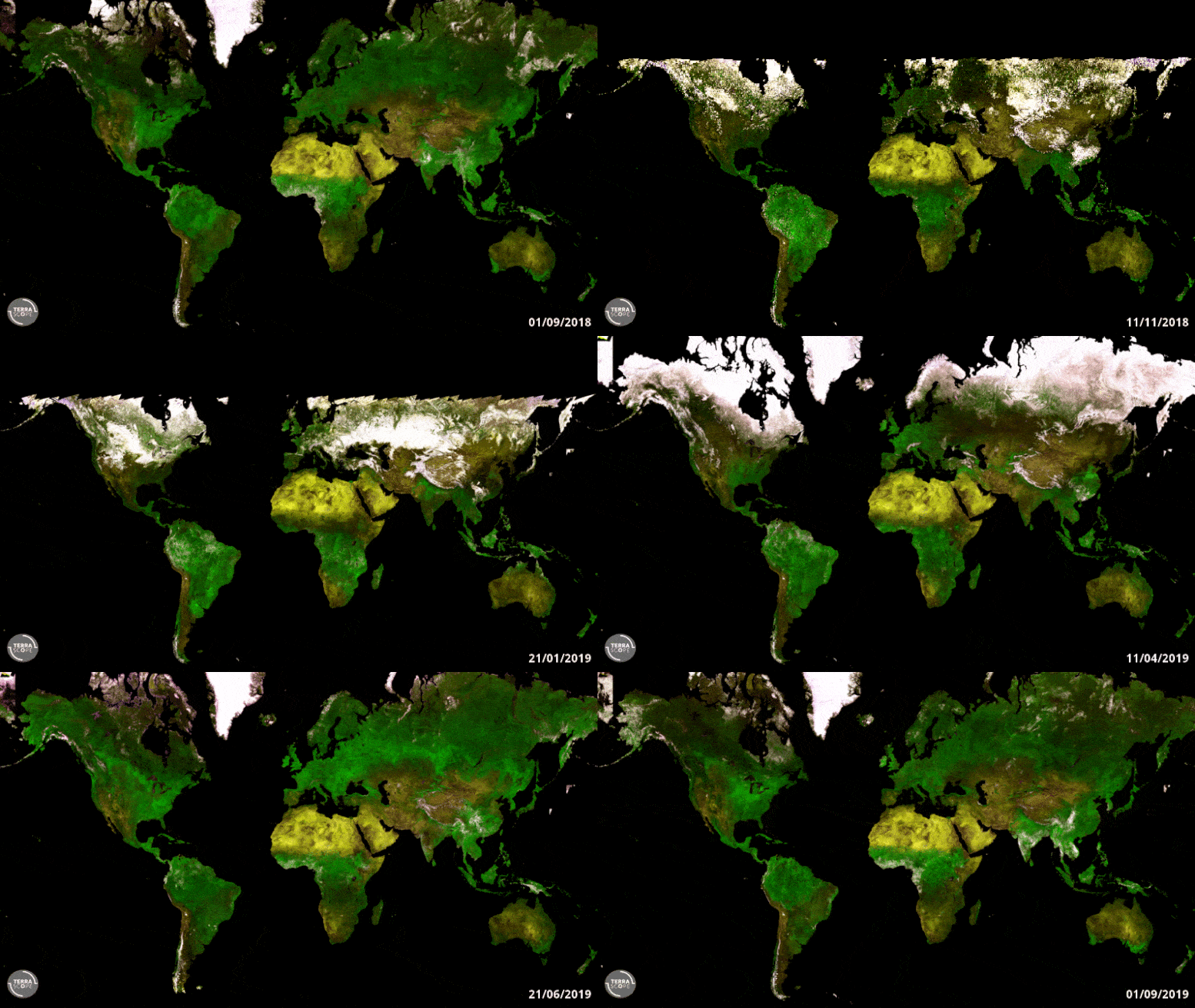
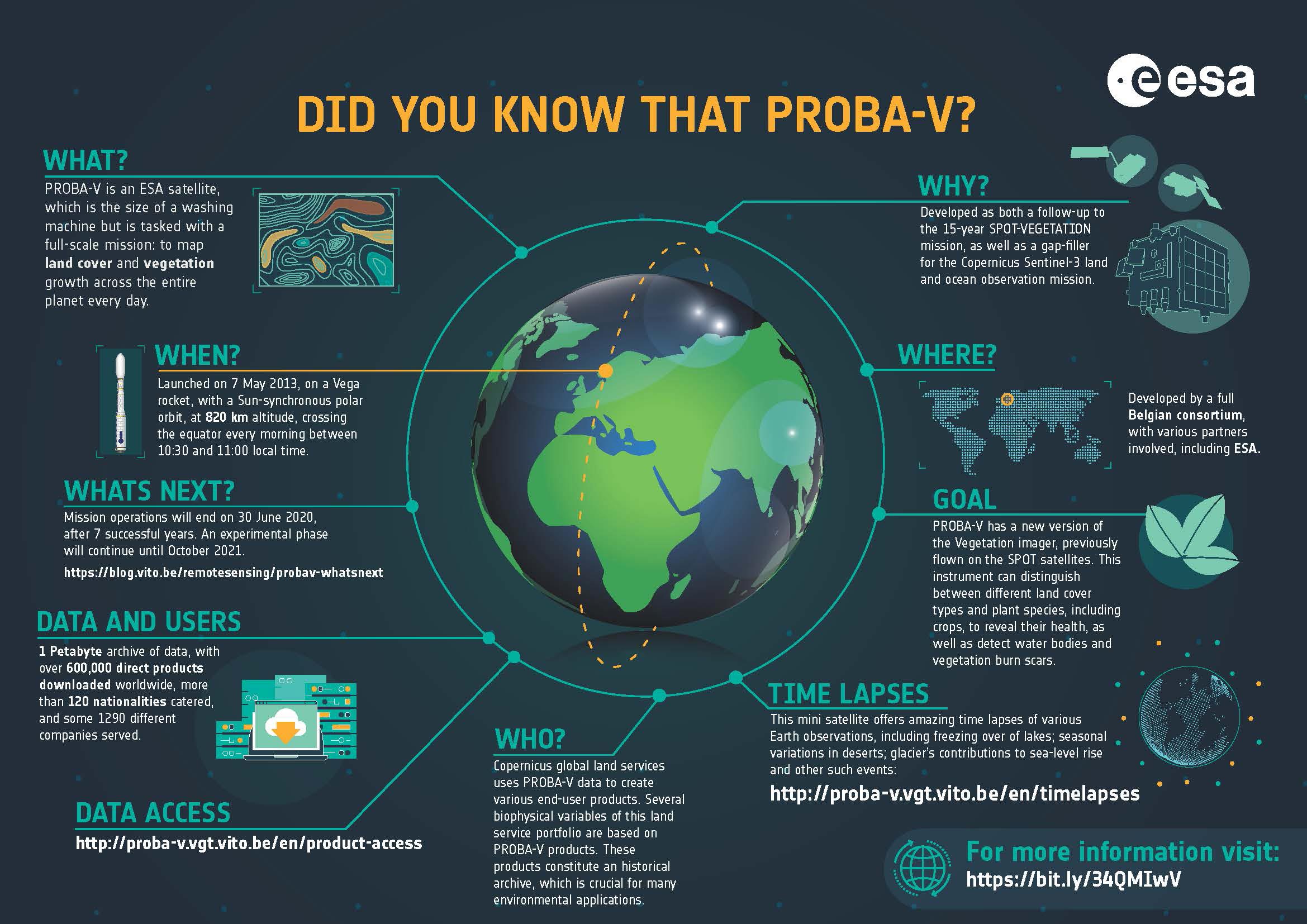
ESA’s cubic-meter-sized Proba-V minisatellite will soon end its nearly seven-year global mission to monitor the daily growth of all Earth’s vegetation. As Copernicus Sentinel-3 takes on this task instead, Proba-V will be free to perform experimental monitoring over Europe and Africa – including co-observations with new companion missions.
Despite its small size, Proba-V maintains a continent-spanning perspective: its main Vegetation imager has a 2250-km wide swath. This enables it to cover nearly the entire vegetated surface of the globe every day. Allowing for cloud cover, the mission builds up a complete snapshot of global plant growth every 10 days. Overall, the mission has acquired more than a petabyte of environmental data during its time in orbit.

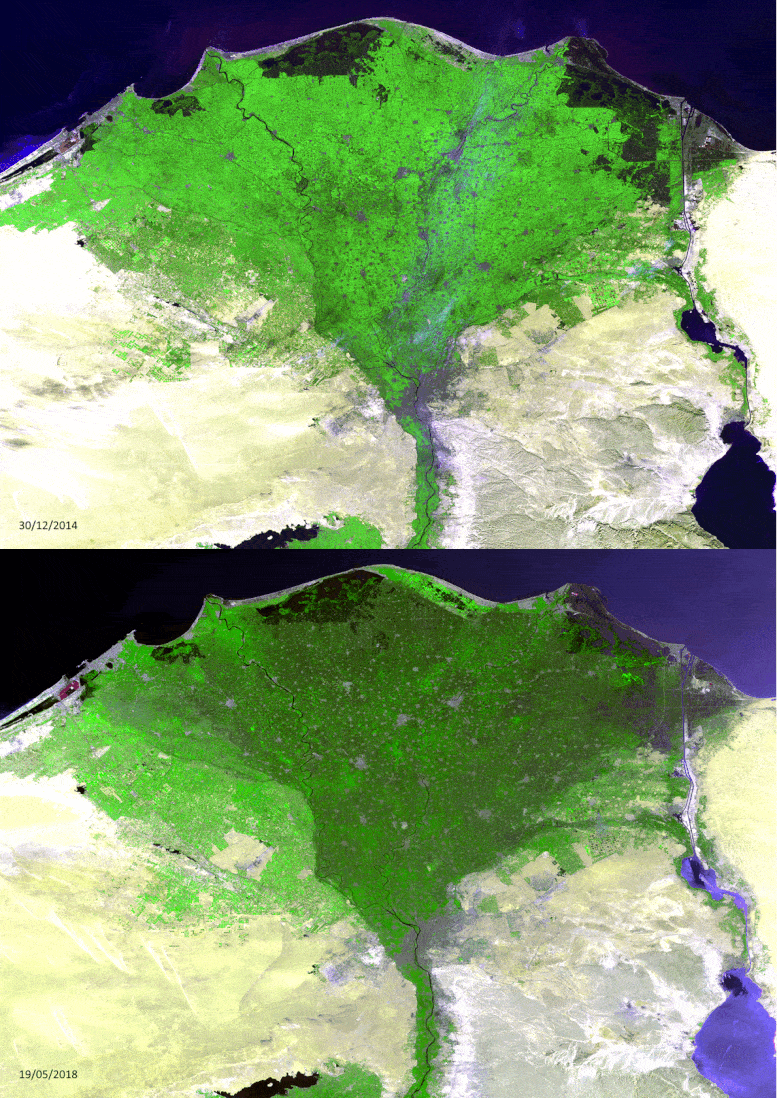
Proba-V’s extremely wide view comes about because Vegetation is made up of three separate imaging telescopes, possessing 300 m spatial resolution, which rises to 100 m resolution in the central telescope – a marked improvement on the previous generation of Vegetation instruments.
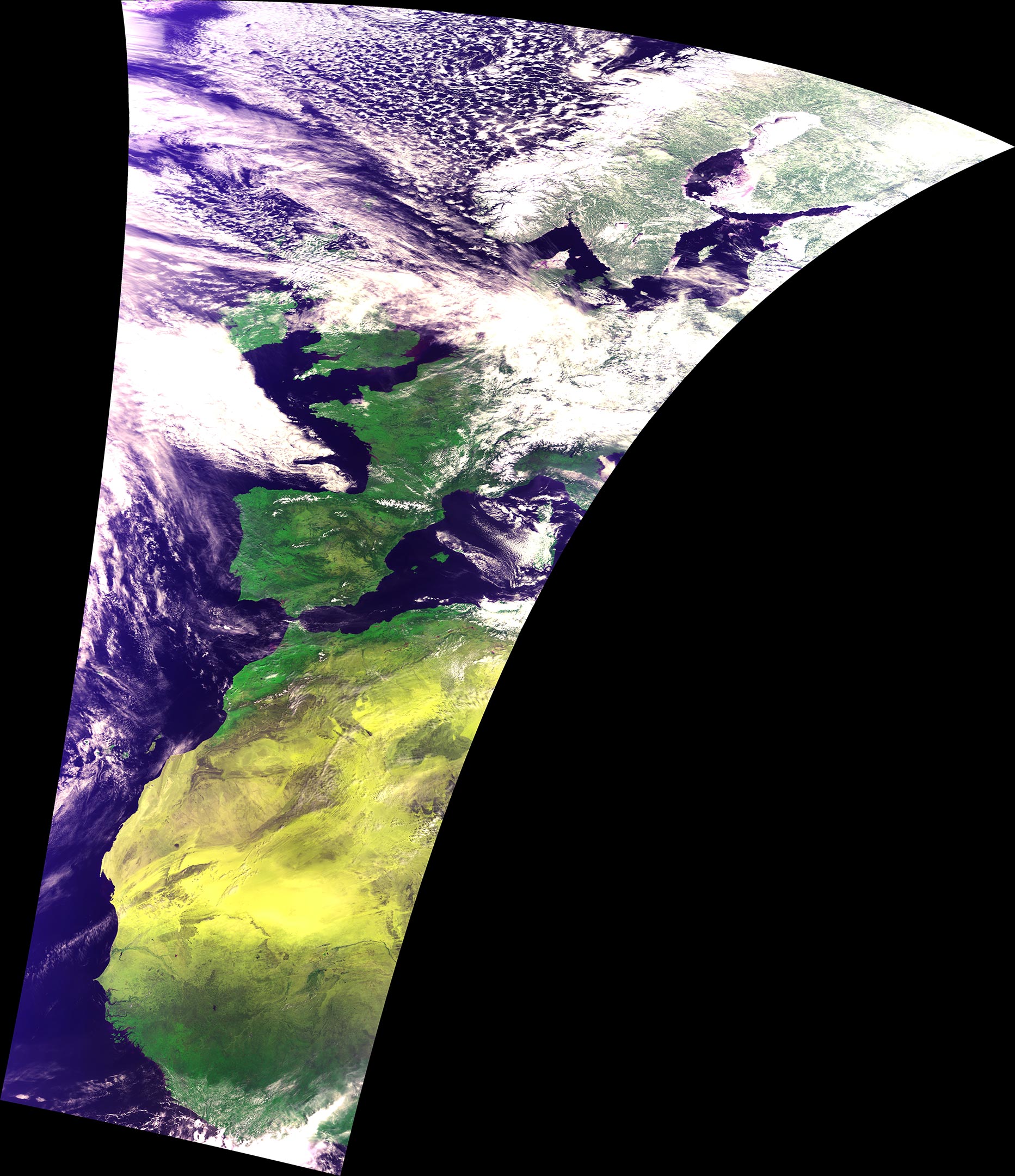
Image swath from Spot’s Vegetation instrument stretching from West Africa to Norway. Credit: CNES/VITO
“Proba-V began as a ‘gap-filler’ mission to ensure data coverage between the Vegetation instruments flown on the full-sized Spot-4 and -5 satellites and Copernicus Sentinel-3,” explains ESA Earth Observation operations manager Roberto Biasutti.
“It started with a two-year mission lifetime, which was repeatedly extended, and the satellite remains in excellent overall health. So even though its global mission is due to end this June, shortly after its seventh birthday, the plan is to let it go on working.”
Proba-V was launched into what is called a ‘Sun-synchronous’ orbit, where it keeps pace with the Sun as it circles Earth at 820 km altitude, allowing it the maximum possible observing daylight. This orbit is gradually decaying however, and the minisatellite lacks onboard thrusters to correct it. Tugged by the gravitational pull of Earth’s equatorial bulge, its observing time is gradually growing earlier in the local morning.

“Basically one of the cameras on Proba-V will soon be observing night-time rather than daylight, meaning it cannot go on delivering daily global coverage anymore to continue the 20 year plus Vegetation time series, so its operational global mission has to end,” comments Dennis Clarijs of VITO, the Belgian research and service center processing and distributing Proba-V data to users.
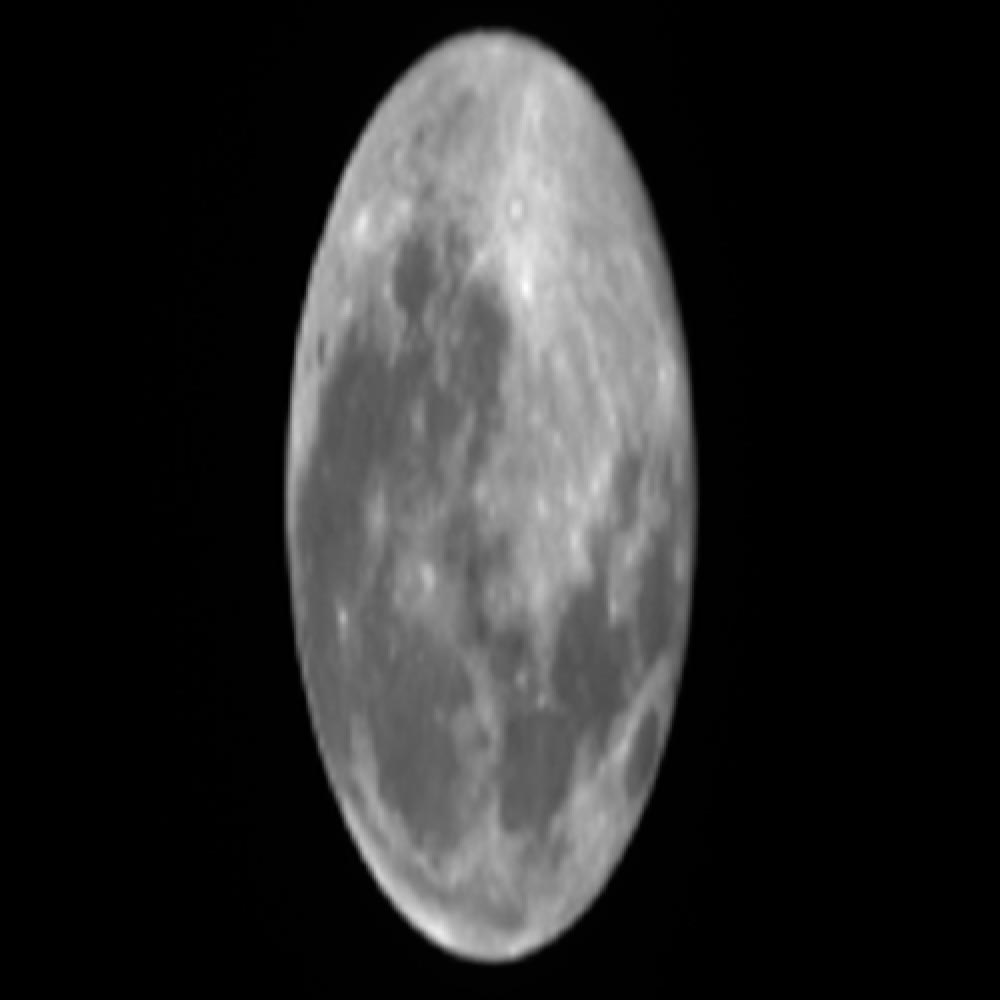
“But this isn’t the end of the mission. Instead ESA will be applying its excellent geometric and radiometric performance to make test observations in Europe and Africa, particularly the African Sahel where its results help provide early drought warnings.
“This means the more than 1800 research teams making use of Proba-V data today still have more data to look forward to, albeit on an experimental rather than operational basis. This is good because its 100-m imagery fills a particular niche, as a midway step between Copernicus Sentinel-2 and -3, able to resolve individual field delineations in some cases. Proba-V’s 100-m imagery is also routinely used to cross-check other products, such as the Copernicus Global Land Service.”
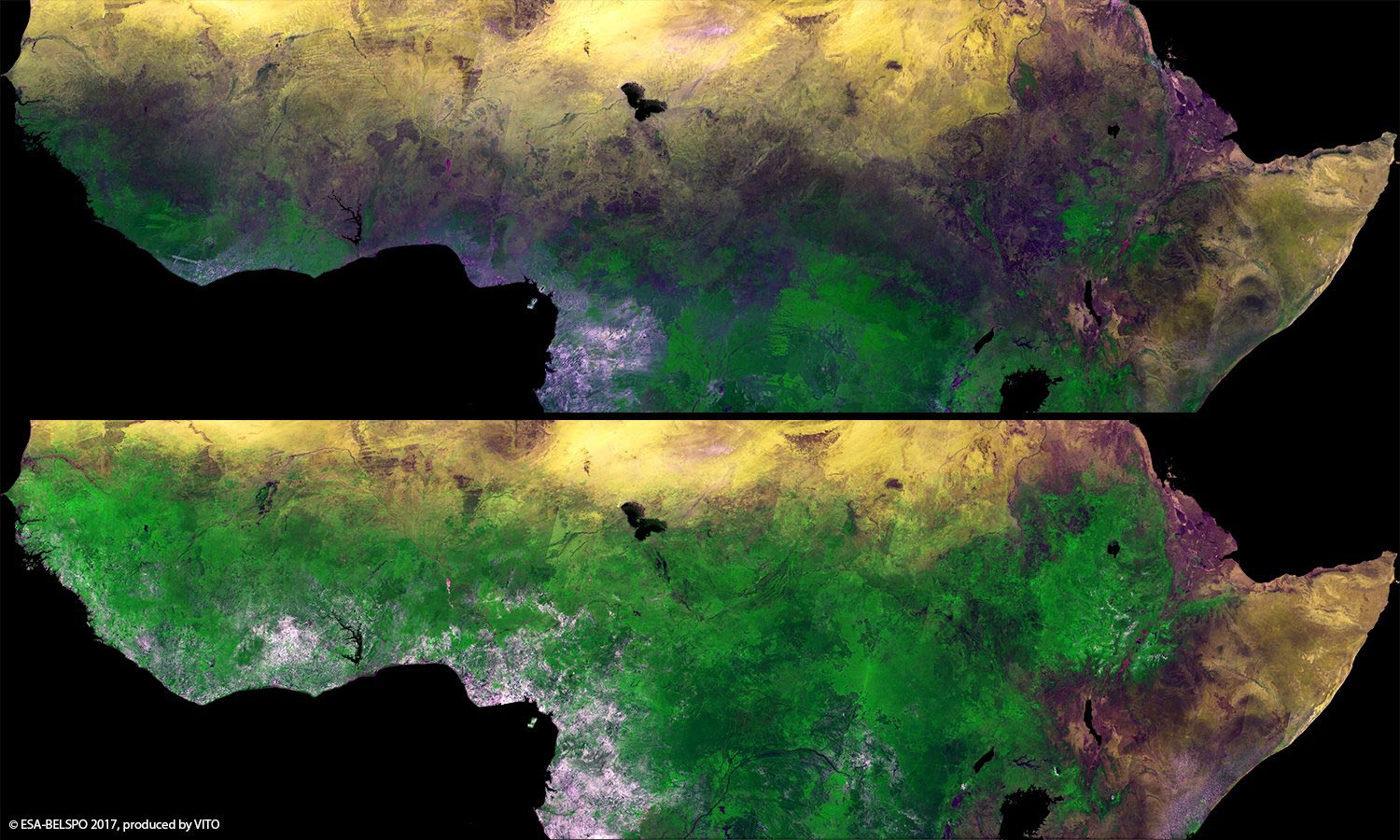
Proba-V will also be increasing its observations of the Moon. It is not generally known, but many Earth observation satellites routinely observe our planet’s natural satellite along with Earth itself: the unchanging state of the lunar surface makes it an excellent calibration target.
In the past Proba-V made such lunar acquisitions on a monthly basis. Now the minisatellite will increase them, experimenting with changing frequencies and view angles for the benefit of future Earth-observing missions.
In addition, the plan is to launch in 2021 an additional tiny satellite carrying a single telescope version of the same Vegetation imager aboard Proba-V. This mission is being developed through ESA’s General Support Technology Programme, backing advanced technologies for space testing, which also supported the development of Proba-V itself.
Roberto comments: “This companion mission is currently being developed by Belgian startup Aerospace Lab for launch next year. Based on a tiny 12-unit CubeSat – built up from standardized 10 cm cubic units – it will image the same targets as Proba-V areas at the same time except from a different viewing angle, allowing the creation of combined ‘fusion’ image products.
“A major motive behind the original Proba-V mission was to see if an instrument previously hosted on a full-sized satellite could do good work from a smaller platform. With this companion satellite we will raise the bar, using an even smaller, cheaper platform.”
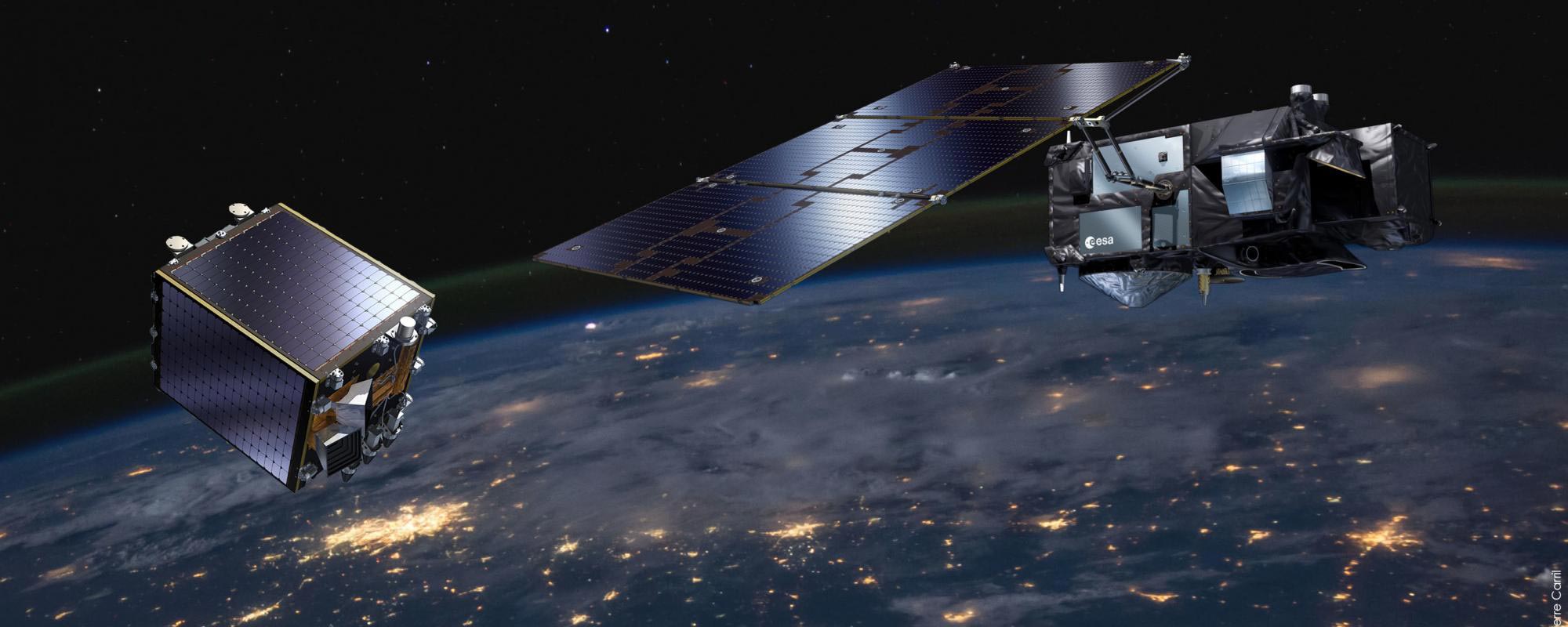
Another companion satellite is also being planned, to host either a thermal infrared imager or an hyperspectral instrument, both of which would offer valuable synergies with Vegetation observations, and test the feasibility of small satellite constellations entering operations in future.
Proba-V’s orbital decay will finally bring it into complete darkness in October 2021, when it will either be shut down, or placed in suspended animation, awaiting a time when its orbit brings it into daylight again.
“There is a precedent for such an arrangement,” adds Roberto, “with predecessor mission Proba-1, launched back in 2001, hosting a hyperspectral camera. Having passed through such a period of orbital darkness it is still observing to this day.”
The next in the series of Proba technology-testing missions will be Proba-3, a double satellite mission to demonstrate precision formation flying while studying the surrounding corona of the Sun, due to fly in 2022.
Never miss a breakthrough: Join the SciTechDaily newsletter.
Follow us on Google and Google News.