
Close Menu
    Facebook X (Twitter) Instagram
    SciTechDaily
    • Biology
    • Chemistry
    • Earth
    • Health
    • Physics
    • Science
    • Space
    • Technology
    Facebook X (Twitter) Pinterest YouTube RSS
    SciTechDaily
    Home»Earth»Frozen in Time: The Eternal Winter Island in Antarctica
    Earth

    Frozen in Time: The Eternal Winter Island in Antarctica

    By Kathryn Hansen, NASA Earth ObservatoryJanuary 2, 20241 Comment2 Mins Read
    Facebook Twitter Pinterest Telegram LinkedIn WhatsApp Email Reddit
    Share
    Facebook Twitter LinkedIn Pinterest Telegram Email Reddit
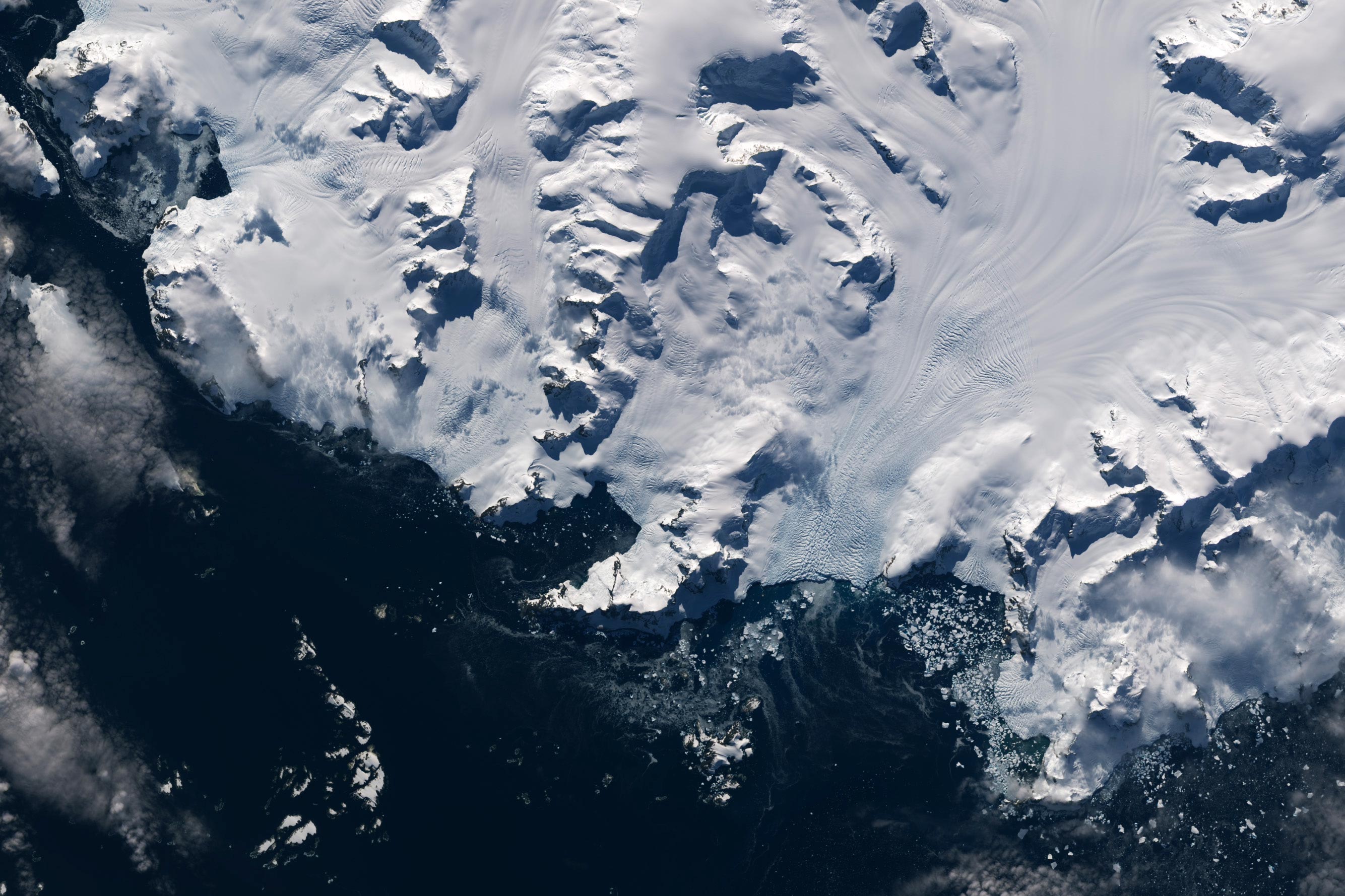
    Antarctica’s Argentine Islands February 2023 Annotated
    Satellite image of Antarctica’s Argentine Islands captured on February 16, 2023, by the Operational Land Imager-2 on Landsat 9.

    The Antarctic island served as a winter base for early 20th-century polar explorers.

    Topped year-round with a layer of ice, Antarctica’s Argentine Islands display a winter-like appearance even in summer. Ice caps are visible across half of the total land area in summer, though the proportion is a bit higher on Winter Island where an ice cap spans about 70 percent of the land.

    Landsat 9’s OLI-2 (Operational Land Imager-2) acquired these images on February 16, 2023, during the southern hemisphere’s summer. The wide view (above) shows the island group’s location with respect to the Kyiv Peninsula that projects from the western side of the Antarctic Peninsula.
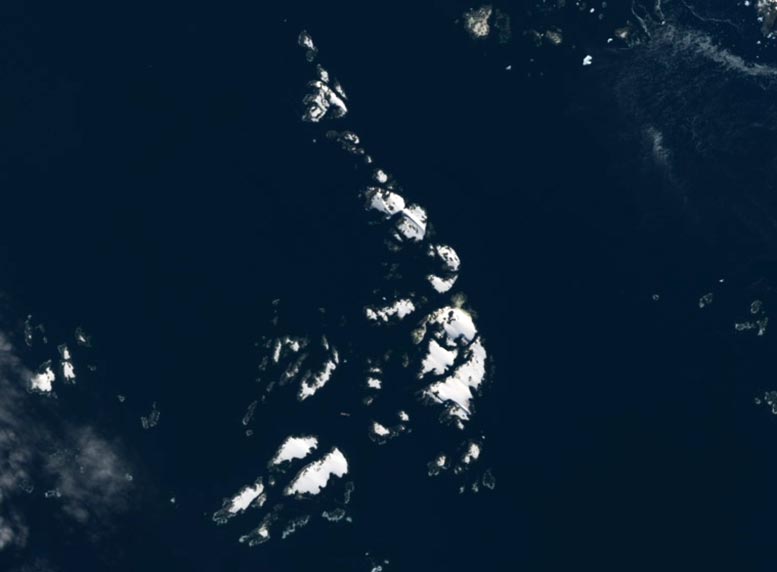
    Winter Island February 2023 Annotated
    Close-up view of Antarctica’s Argentine Islands captured on February 16, 2023, by the Operational Land Imager-2 on Landsat 9.

    The summer season provides enough daylight for satellites to acquire natural color images this far south. It is also the time of year when sea ice around Antarctica has melted, making it easier to distinguish the ice-capped islands against the dark-blue Bellingshausen Sea. Several days after these images were acquired, sea ice around Antarctica reached the lowest extent ever observed since the start of the satellite record in 1979. The low-ice trend continued through winter—a time when the ice cover should have been growing at a much faster pace during the darkest and coldest months.

    Before there were satellites, knowledge of the region came from the polar explorers and surveyors who visited in person. Winter Island takes its name from the British Graham Land Expedition (1934–1937) that used the island as a winter base in 1935. Expedition members surveyed the region from the air with aircraft and from the ground with dogsled teams, taking advantage of sea ice to travel along the coast. The expedition successfully mapped much of the coastline of Graham Land, the northern portion of the Antarctic Peninsula.

    Research operations have since been moved to the neighboring Galindez Island, which is now the site of Ukraine’s Vernadsky Research Base. But visitors with permission can still access Wordie House, the historic base on Winter Island. Visitors might also encounter some of the region’s locals, including the Adélie and Gentoo penguins.

    NASA Earth Observatory images by Wanmei Liang, using Landsat data from the U.S. Geological Survey.

    Never miss a breakthrough: Join the SciTechDaily newsletter.
    Follow us on Google and Google News.

    Antarctica NASA NASA Earth Observatory
    Share. Facebook Twitter Pinterest LinkedIn Email Reddit

    Related Articles

    Ice Shelf Completely Disintegrates in East Antarctica

    March of the Antarctic Icebergs

    Enduring Antarctic Sea Ice – Icebreaker Cut Through on Expedition That Located Shackleton’s Lost Ship

    As Many as 300,000 Meteorites Await Discovery in Antarctica

    Sea Ice Highs and Lows 2020–21: Downward Trends in Polar Ice Continue

    Breakup at Brunt: Giant Iceberg Split From the Antarctic Ice Shelf

    Rapidly Accelerating Crack: Brunt Ice Shelf Breaking Up With Antarctica This Year?

    Extensive Early Melting Detected Along the Antarctic Peninsula

    Scientists Concerned As Denman Glacier Retreats Both Above and Below the Water Line

    1 Comment

    1. Not here for chicks, paid or otherwise on January 3, 2024 6:11 am

      I came here to read about science, not to see ads for sex talk and hookups (LiveBeam, AsiaTalk). Gross. Insulting sexist garbage. Do better.

      Reply
    Leave A Reply Cancel Reply

    • Facebook
    • Twitter
    • Pinterest
    • YouTube

    Don't Miss a Discovery

    Subscribe for the Latest in Science & Tech!

    Trending News

    Scientists Discover Stem Cells That Could Regrow Teeth and Bone

    Early Cannabis Use May Stall Key Brain Skills in Teens

    Popular Vitamin D Supplement Has “Previously Unknown” Negative Effect, Study Finds

    Study Reveals Malaria’s Hidden Role in Human Evolution

    The Hidden Risk of Taking Breaks From Weight-Loss Drugs Like Ozempic

    Scientists Warn That This Common Pet Fish Can Wreck Entire Ecosystems

    Scientists Make Breakthrough in Turning Plastic Trash Into Clean Fuel Using Sunlight

    This Popular Supplement May Interfere With Cancer Treatment, Scientists Warn

    Follow SciTechDaily
    • Facebook
    • Twitter
    • YouTube
    • Pinterest
    • Newsletter
    • RSS
    SciTech News
    • Biology News
    • Chemistry News
    • Earth News
    • Health News
    • Physics News
    • Science News
    • Space News
    • Technology News
    Recent Posts
    • Stretching Diamonds Unlocks Powerful New Quantum Sensing Abilities
    • This Robot Could Explore Mars 3x Faster Than Today’s Rovers
    • Scientists Just Built a Quantum Battery That Charges Almost Instantly
    • Researchers Unveil Groundbreaking Sustainable Solution to Vitamin B12 Deficiency
    • Scientists Identify Immune Protein That Could Mimic Anti-Aging Effects of Calorie Restriction
    Copyright © 1998 - 2026 SciTechDaily. All Rights Reserved.
    • Science News
    • About
    • Contact
    • Editorial Board
    • Privacy Policy
    • Terms of Use

    Type above and press Enter to search. Press Esc to cancel.