
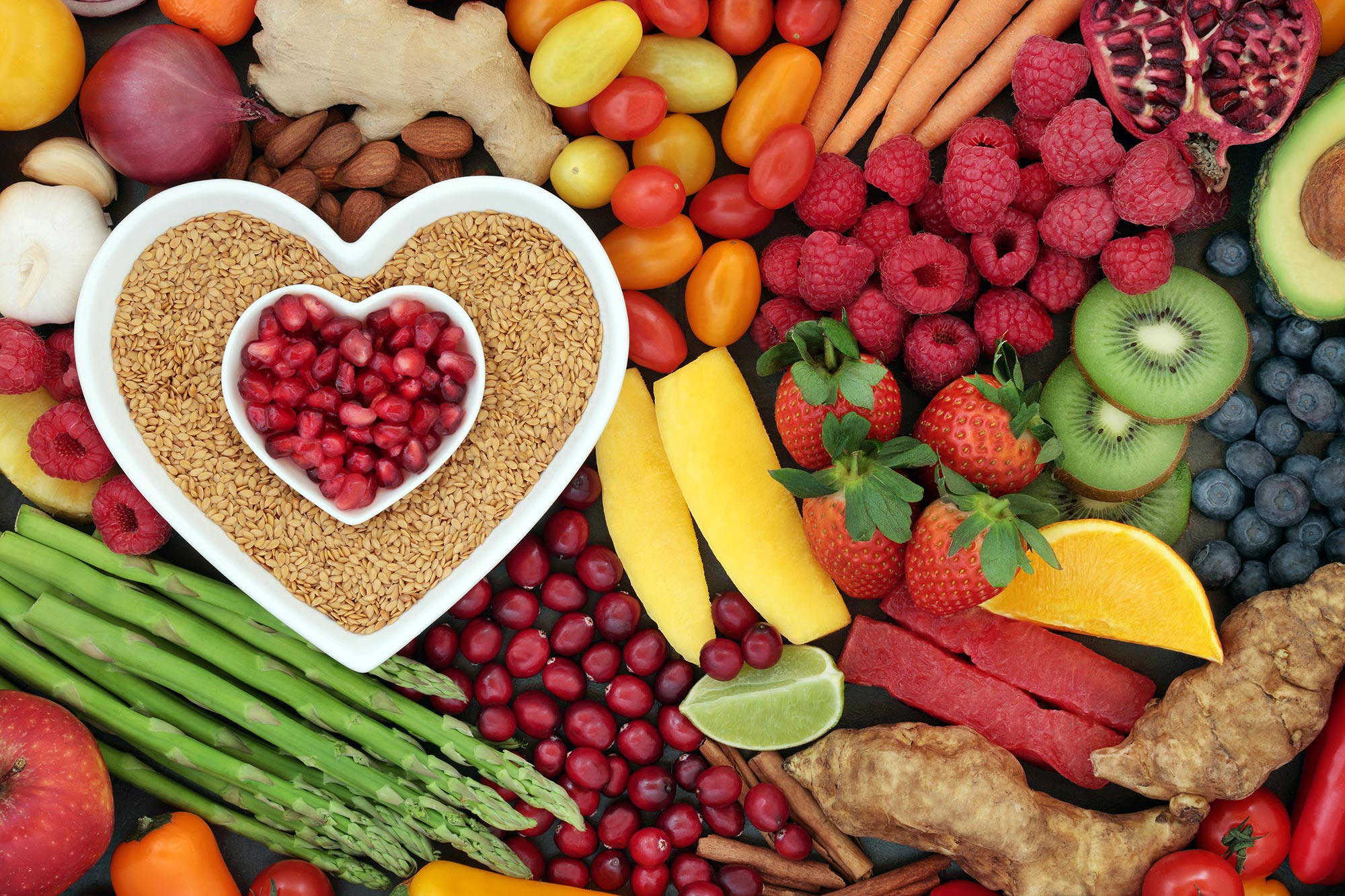
Following nutritional recommendations is vital for managing cardiovascular disease, but it’s not always easy, especially for those with limited resources.
Dietary management is crucial for cardiovascular health, particularly in low-resourced areas where economic and informational barriers prevail. Community support and cultural inclusion in diet plans are essential, highlighting the need for systemic changes to enhance access to nutritious foods.
Heart Health and Diet
Cardiovascular disease continues to be one of the top causes of death globally, and effective management involves more than just medical treatments. Diet significantly influences heart health.
For people with heart conditions, adhering to dietary guidelines is essential, not optional. Eating a diet that promotes heart health can help manage critical risk factors such as high blood pressure, high cholesterol, and obesity, all of which are key contributors to heart disease.
The Challenges of Dietary Compliance in Cardiac Care
A healthy diet will help you prevent new heart problems, which is called secondary prevention, and it will help improve functional capacity and quality of life, giving you more independence for daily activities. However, for many patients, adhering to these dietary guidelines can be a significant challenge even while they are in a cardiac rehabilitation program. This is especially challenging for those who live in low-resourced settings (areas or communities with few resources and little support for health and wellness).
Cardiac rehab is an interdisciplinary approach focused on interventions for secondary prevention and improving cardiovascular prognosis, to reduce the global impact of cardiovascular disease. We recently conducted a study aimed at understanding the barriers and facilitators that low-resourced patients face when trying to follow nutritional recommendations in cardiac rehab.
The findings underscore how critical, yet complex, it is for patients to maintain a heart-healthy diet. The results of this study are not just informative — they are a call to action for healthcare providers, policymakers, and communities alike.

Economic Barriers to a Healthy Diet
One of the primary barriers we identified is the cost of healthy foods. Many heart-healthy foods — like fresh fruits, vegetables, and lean proteins — can be expensive, especially for individuals or families living on a tight budget. In low-income areas, access to these foods is often limited, with more affordable but less healthy options readily available.
This economic reality makes it difficult for patients to consistently choose foods that support their heart health. In the last few years the cost of healthy food in Canada, a high-income setting, has been rising due to high food inflation. Despite that, the current Canada’s Food Guide is less expensive for adults to follow compared to the previous ones.
Cultural and Educational Challenges in Nutrition
Another significant barrier is the complexity of nutritional information. Patients are often bombarded with a wealth of dietary guidelines, which can be confusing and overwhelming. Without proper guidance, including education and individualization, it’s easy for someone to feel lost or discouraged, particularly if they lack basic nutritional knowledge. This can lead to frustration and, ultimately, poor adherence to dietary recommendations.
Cultural factors also play a role. In many cases, traditional diets may not align with the standard dietary guidelines recommended for heart health. Patients may find it challenging to adapt their eating habits without feeling like they are losing an important part of their cultural identity. This disconnect can make it even harder for patients to stick to a heart-healthy diet.
Empowering Heart Patients to Eat Better
Despite these challenges, our study also highlighted several facilitators that can make a significant difference. One of the most effective is community support. Programs that provide affordable access to healthy foods, like food banks or community gardens, can help alleviate some of the financial pressures.
Additionally, accessible information sources that break down complex nutritional advice into simple, actionable steps can empower patients to make healthier choices.

Importantly, incorporating culturally relevant foods into dietary plans can make the transition to a heart-healthy diet more manageable and acceptable. When patients see that their traditional foods can be part of their diet, they are more likely to embrace and maintain the recommended changes.
Our findings emphasize the importance of a tailored approach to nutritional guidance in cardiac rehab, especially for low-resourced patients. It’s not enough to simply tell patients what to eat — healthcare providers need to listen and understand the unique challenges patients face and provide practical, sustainable solutions. This means working closely with patients, offering personalized advice that considers their financial situation, providing access to resources, and considering cultural preferences.
Making Heart-Healthy Diets Accessible
The implications of our research extend beyond individual patient care. They highlight the need for systemic changes that make healthy eating more accessible for everyone. This could include policies that subsidize healthy foods, increase the availability of fresh produce in underserved areas, or create educational programs that are accessible to all.
Following nutritional recommendations is vital for managing cardiovascular disease, but it’s not always easy, especially for those with limited resources. Identifying and addressing the specific barriers these patients face can help them make lasting, positive changes to their diet and, ultimately, their heart health.
This research underscores the need for a more equitable approach to health care, one that ensures all patients have the support they need to live healthier, longer lives.
Written by:
- Gabriela Ghisi, Affiliate Scientist, KITE Research Institute, Adjunct Professor, Department of Physical Therapy, University of Toronto
- Camila Kümmel Duarte, Professor do Departamento de Nutrição, Universidade Federal de Minas Gerais (UFMG)
Adapted from an article originally published in The Conversation.
Never miss a breakthrough: Join the SciTechDaily newsletter.
Follow us on Google and Google News.