
Research Highlights
- In France, researchers found that lowering salt levels in baguettes and other common breads could reduce daily sodium intake by about 0.35 grams per person. Over time, this small change could prevent more than 1,000 deaths nationwide, showing how subtle food reformulations can deliver meaningful public health gains.
- In the United Kingdom, a separate study estimated that meeting the country’s 2024 sodium reduction targets could cut average daily salt intake by 17.5%. The resulting drop in blood pressure could help prevent roughly 100,000 cases of ischemic heart disease and about 25,000 ischemic strokes over a 20 year period.
- Together, the findings highlight the power of coordinated action among governments, the food industry, and public health leaders. Strengthening and enforcing sodium reduction programs worldwide could significantly improve heart health and save lives over the long term, researchers said.
Lowering sodium levels in packaged and prepared foods could lead to major improvements in heart health and help prevent large numbers of heart attacks, strokes, and premature deaths in France and the United Kingdom. That is the conclusion of two new studies published today (January 26) in Hypertension, a journal of the American Heart Association.
Why Sodium Matters for Heart Health
Eating too much sodium is a well-established risk factor for hypertension, also known as high blood pressure. According to the American Heart Association, high blood pressure raises the risk of serious health problems, including heart attack, stroke, chronic kidney disease, dementia, and other cardiovascular conditions.
Because sodium is widely consumed through salt, many countries have adopted national strategies aimed at lowering salt intake. These efforts are designed to improve public health while also reducing long-term health care costs linked to cardiovascular disease.
Small Food Changes With Big Population Benefits
The new research includes two modeling studies. One focuses on France and proposed sodium reduction targets for baguettes and other bread products by 2025. The other examines the United Kingdom’s 2024 sodium targets for packaged foods and takeaway meals. Both studies estimated what could happen if those targets were fully achieved across the population.
The findings suggest that modest reductions in sodium levels in commonly eaten foods could deliver meaningful health benefits without requiring people to change their diets. Instead, the health gains would come from changes made directly to the food supply.
“This approach is particularly powerful because it does not rely on individual behavior change, which is often difficult to achieve and sustain. Instead, it creates a healthier food environment by default,” said Clémence Grave, M.D., lead author of the French study and an epidemiologist and public health physician at the French National Public Health Agency in Saint-Maurice near Paris.
How Much Sodium Is Recommended
The World Health Organization advises adults to consume less than 2,000 milligrams (mg) of sodium per day, yet average intake around the world remains well above that level. The American Heart Association recommends no more than 2,300 milligrams (mg) per day, which is about 1 teaspoon of table salt. It also notes that an ideal limit is no higher than 1,500 mg per day for most adults, especially those with high blood pressure.
Sodium Reduction in Bread (France)
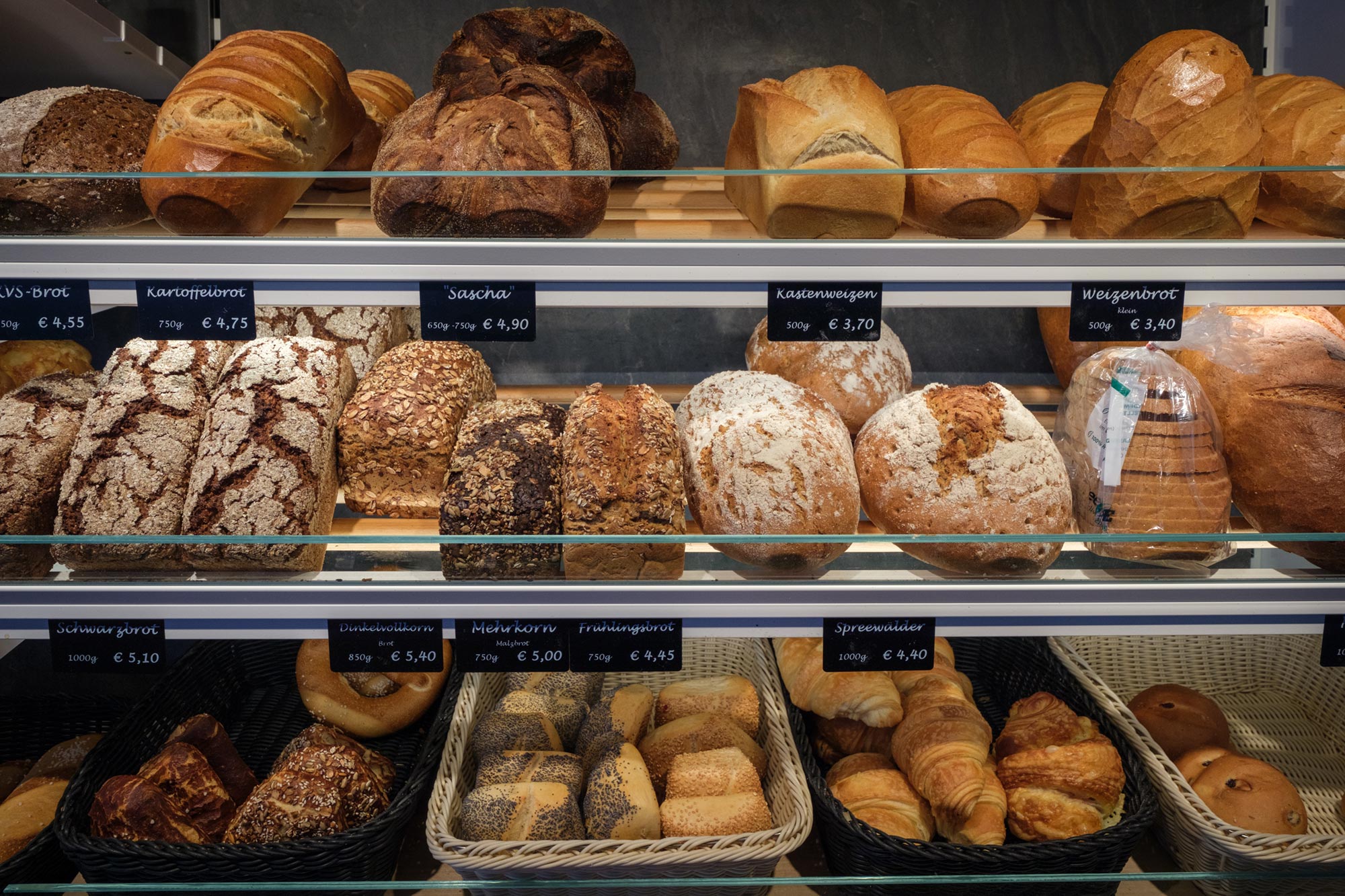
France set a national goal in 2019 to cut salt consumption by 30%. In 2022, the government reached a voluntary agreement with bread producers to reduce salt levels in bread by 2025. Bread, particularly the baguette, plays a central role in French diets but is also a significant source of salt, traditionally providing about 25% of the recommended daily intake. By 2023, most bread produced in France already met the new sodium targets.
To estimate the health impact of this policy, researchers analyzed national data using a mathematical model. They examined how many cases of cardio-cerebrovascular disease (conditions and diseases that affect both the heart and the brain’s blood vessels), kidney disease, and dementia could be avoided if the sodium reduction targets were fully met.
The model showed that if bread consumption stayed the same and sodium targets were achieved, daily salt intake would drop by 0.35 g per person. This reduction would slightly lower average blood pressure across the population.
Under a scenario of full compliance, the researchers estimated the following annual effects:
- Deaths are estimated to have declined 0.18% (by 1,186) annually.
- Hospitalizations for ischemic heart disease have dropped by 1.04%, while hospitalizations for hemorrhagic stroke and ischemic stroke have fallen by 1.05% and 0.88% respectively.
- The study’s modeling suggests men received the greatest benefits across all age groups, with 0.87% of heart diseases and strokes prevented among men (vs 0.63% among women). Among women, the avoidable proportion is highest among those aged 55 to 64 years old.
“This salt-reduction measure went completely unnoticed by the French population—no one realized that bread contained less salt,” Grave said. “Our findings show that reformulating food products, even with small, invisible changes, can have a significant impact on public health.”
“These results highlight the need for collaboration between policymakers, industry, and health care professionals,” she said. “By combining individual counseling with population-level strategies, we can achieve greater reductions in cardiovascular risk and improve long-term health.”
Study Limitations in the French Analysis
The study’s main limitation ties to the assumptions required for modeling and the availability of data to estimate the impact of salt reduction. “It is impossible to directly measure the isolated impact of reducing salt in bread because this change over time occurs alongside other factors, such as behavioral modifications or variations in bread consumption, which cannot be fully estimated here,” Grave explained.
Additionally, the research is cross-sectional, estimating the potential effects for a single year. Future research, requiring additional assumptions and introducing other sources, could use models to project over a longer period.
Sodium Reduction in Packaged Foods and Take-out Meals (United Kingdom)
For the study in the U.K., researchers used national survey data to estimate the amount of salt people consumed from pre-prepared packaged and take-out meals. They then estimated daily sodium intake if all relevant food categories met the 2024 sodium-reduction targets.
Sales-weighted average and maximum salt content targets were set for 84 grocery food categories—including bread, cheeses, meats, and snacks—and, for the first time, 24 out-of-home categories such as burgers, curries, and pizza. The modeling also covered how these changes could affect heart disease, stroke, quality of life, and health care costs.
The research found that fully meeting the sodium reduction goals could have reduced average salt intake from about 6.1 g to 4.9 g per day — translating to an estimated average of 17.5% less salt consumed per person per day. Men would experience slightly larger reductions than women because they tend to consume more salt in general.
Even this small, daily reduction in salt would lower blood pressure modestly across the population, and the improvements could add up.
- During a 20-year period, the modeling suggests that about 103,000 cases of ischemic heart disease and approximately 25,000 strokes could be prevented in the U.K.
- Over people’s lifetimes, the blood pressure reductions would translate into roughly 243,000 additional quality-adjusted life years (a standard measure of health benefit) and £1 billion in savings (about $1.3 billion in U.S. dollars) for the U.K.’s National Health Service.
Expert Perspectives and Policy Implications
The findings did not surprise researchers. “We know that cardiovascular disease is a leading cause of death in the U.K. — as it is worldwide — so any reductions in salt intake and blood pressure could lead to big benefits,” said Lauren Bandy, D.Phil., the study’s lead author and a researcher in food and population health at the University of Oxford in Oxford, England. “We also know that the food industry still has a lot of progress to make when it comes to salt reduction, so there’s a lot of room for improvement.”
“If U.K. food companies had fully met the 2024 salt reduction targets, the resulting drop in salt intake across the population could have prevented tens of thousands of heart attacks and strokes, saved substantially in health costs and significantly improved public health,” she said, “all without requiring people to change their eating habits. Strengthening and enforcing salt reduction policies both in the U.K. and globally could unlock these benefits.”
Limitations of the U.K. Study
Among the study’s limitations, some of the data on the salt content of foods used in the research may not be updated to 2024, which means the reformulation captured may not have taken place more recently. Also, the dietary survey data used is based on self-reported data, so some salt consumption may be under-reported, especially in takeaway meals and prepared foods bought at restaurants.
Relevance Beyond Europe
Daniel W. Jones, M.D., FAHA, chair of the 2025 American Heart Association/American College of Cardiology High Blood Pressure Guideline and dean and professor emeritus of the University of Mississippi School of Medicine in Jackson, Mississippi, said the results are “absolutely relevant” to the U.S. and any country where much of the food consumed is prepared outside the home.
“Both of these modelling studies demonstrate the potential benefit in reducing risk for heart disease and stroke by reducing sodium consumption,” he said. “This ‘national’ approach to limiting salt content in commercially prepared foods is a key strategy for countries where a major part of food consumption is from foods prepared outside the home. Though sodium reduction makes small improvements in blood pressure at the individual level, these small changes in individuals result in major improvements in a large population.”
Study details, background and design for the research in France:
- The average daily salt consumption was 8.1 g per day in France in 2015, with more than 90% of adults exceeding the recommended daily threshold. Traditional French bread and baguettes contained about 1.7 g of salt per 100 g, contributing around 2 g of salt per day per person, roughly 25% of total daily intake.
- The French government set a target of reducing salt intake by 30%, and in March 2022 reached a voluntary agreement with the bakery sector to progressively reduce salt in all breads by 2025.
- To quantify the potential impact of this agreement, researchers modeled expected reductions in systolic blood pressure and avoidable health conditions related to hypertension under the scenario of the sodium reduction targets meeting full compliance. The analysis accounted for differential reductions in systolic blood pressure between people with hypertension and those with normal blood pressure based on the expected decrease in sodium in breads.
- The analysis included systolic blood pressure data for adults ages 35 and older and salt intake from a 2014-2016 national survey. Salt intake was estimated by asking participants to recall what they had eaten within the last 24 hours on three occasions. and combined with 2022 statistics from the national claims database, which includes comprehensive data on hospitalizations, outpatient care and mortality for people in France who received care through their national health care system.
Study details, background and design for the research in the U.K.:
- The study’s long-term health modeling was based on the U.K.’s adult population.
- The study estimated the impact of salt reduction on ischemic heart disease and stroke, quality-adjusted life years and health care costs using a mathematical model that simulates the U.K. population’s health outcomes over time.
- Researchers collected daily salt intake from the U.K.’s National Diet and Nutrition Survey in 2018-2019 to estimate changes in salt intake if the reductions met the specified targets for 2024.
- The survey collects data on food consumption and nutrient intakes of a representative sample of about 1,000 people (around 500 children and 500 adults) using repeated food diaries for a three- to four-day period to account for day-to-day variations.
- The sample for this study included 586 participants ages 18 and older, weighted to be representative of the U.K. population based on midyear estimates for 2017. The participants reportedly ate 2,549 unique foods, of which 1,532 were matched to a salt reduction target category.
Reference: “From French Gastronomy to Cardiovascular Health: Cutting Salt in the Baguette Has Saved Thousands of Lives in France” by Clémence Grave, Laure Carcaillon-Bentata, Christophe Bonaldi, Jacques Blacher and Valérie Olié, 26 January 2026, Hypertension.
DOI: 10.1161/HYPERTENSIONAHA.125.25977
Never miss a breakthrough: Join the SciTechDaily newsletter.
Follow us on Google and Google News.
1 Comment
“….requiring people to change their eating habits,…” Thus spake the authoritarian.
The scientist who said this has no idea how nasty that sounds to Americans. Persuasion and tasty alternatives to sodium salt are a better way to achieve the goal.
{o.o}