

The silver-cheeked toadfish is spreading north in the Mediterranean, threatening biodiversity
Researchers have recorded the northernmost appearance of the highly invasive silver-cheeked toadfish, Lagocephalus sceleratus, in the Mediterranean, raising concerns about its potential effects on marine biodiversity, fisheries, and coastal tourism.
The discovery, detailed in a study published in the open-access journal Acta Ichthyologica et Piscatoria, was made by a team from the Faculty of Natural Sciences at Juraj Dobrila University of Pula and the Institute of Oceanography and Fisheries in Split.
A dangerous species with toxic traits
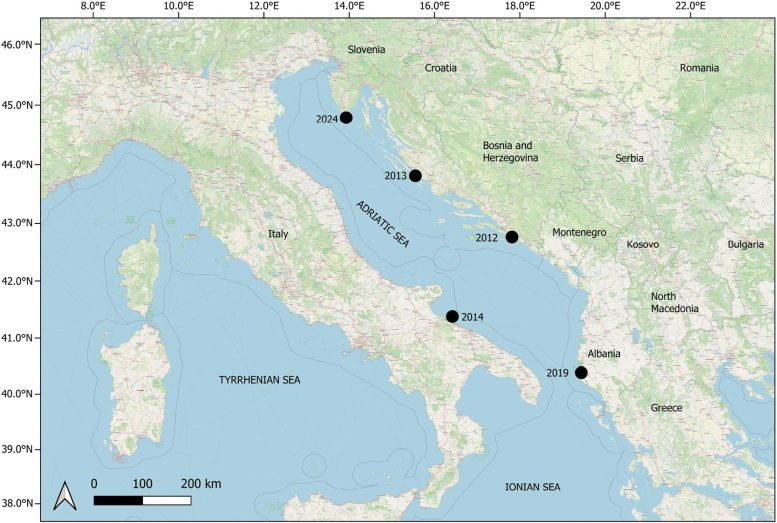
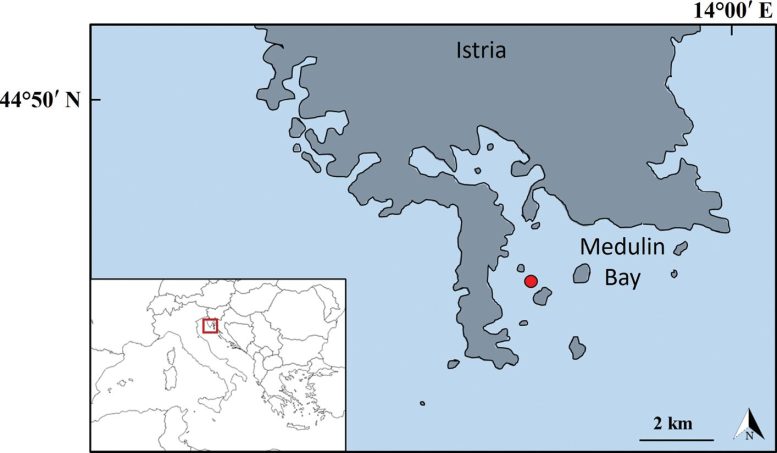
The specimen, a 522 mm male weighing 1330 grams, was captured on May 13, 2024, in the Bay of Medulin in the northern Adriatic at a depth of 19.7 meters. It marks the fourth confirmed sighting of this species in the Adriatic and the first recorded in its northernmost region.
The pufferfish poses a threat to local marine life, fisheries, and public safety. Recent evidence from the southern and eastern Mediterranean shows that bites from its powerful beak-like jaws can result in severe injuries such as partial amputations of fingers. Its flesh and organs contain a potent neurotoxin, tetrodotoxin, which is potentially lethal if consumed.
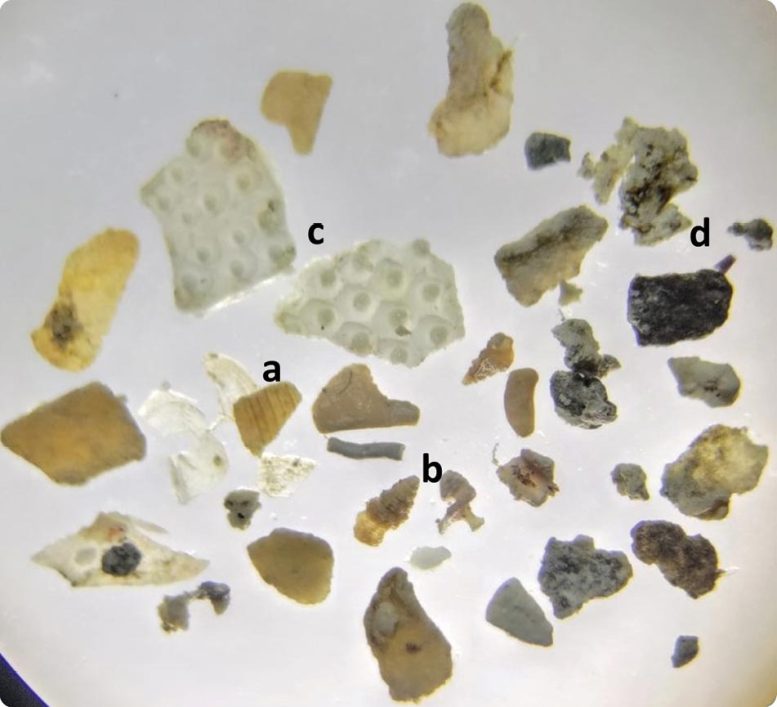
In Mediterranean coastal regions, Lagocephalus sceleratus has become an increasingly significant portion of small-scale fishing catches, often causing damage to fishing gear with its bite. The study’s stomach analysis revealed a diet consisting of bivalves, gastropods, and sea urchins, suggesting potential disruptions to the Adriatic’s ecological balance.
Origin and spread through the Suez Canal
The species is a Lessepsian migrant, meaning it migrated through the artificially created Suez Canal. Originating from the Indo-Pacific, it has spread aggressively through the Mediterranean since its first sighting in 2003.
“The presence of Lagocephalus sceleratus in the northern Adriatic is a clear warning sign of the species’ expanding range and potential ecological and economic consequences. Proactive monitoring and management strategies are important to mitigating its impact on local marine biodiversity, fisheries, and public safety,” said Dr. Neven Iveša, the study’s co-author.
Increased monitoring, regulatory measures, and public awareness campaigns are recommended to address the threats posed by the species. The research team proposes targeted removal efforts, public education on handling and reporting sightings, and further research into its ecological impact. Finally, they urge local fishers to report sightings of Lagocephalus sceleratus to support early detection and management efforts.
Reference: “Northernmost Mediterranean record of the silver-cheeked toadfish, Lagocephalus sceleratus (Actinopterygii, Tetraodontiformes, Tetraodontidae)” by Neven Iveša, Moira Buršić and Jakov Dulčić, 20 March 2025, Acta Ichthyologica et Piscatoria.
DOI: 10.3897/aiep.55.146945
Never miss a breakthrough: Join the SciTechDaily newsletter.
Follow us on Google and Google News.
2 Comments
If it wasn’t for change we could not have made it to this point and extinction is forever . It’s only a matter of time 😔
I saw pufferfish in japan