

Ateneo biologists have confirmed the presence of the invasive tinfoil barb (Barbonymus schwanefeldii) in Laguna de Bay, raising concerns that the species could disrupt native fish populations and damage the lake’s delicate ecosystem.
A shimmering silver fish, often seen in home aquariums, has been quietly living in the wild in the Philippines’ largest freshwater lake. Its presence has sparked renewed alarm over the unchecked release of non-native species into the country’s already vulnerable ecosystems.
In 2024, scientists from Ateneo de Manila University closely examined a specimen caught in Laguna de Bay. Through detailed morphological analysis, they confirmed the fish as Barbonymus schwanefeldii (commonly referred to as the “tinfoil barb” in the pet trade). Although not native to the Philippines, this species originates from various regions across Southeast Asia.
Known for its rapid growth and omnivorous diet, the tinfoil barb’s reflective, metallic appearance has made it a favorite among aquarium enthusiasts. But in natural habitats, its introduction poses a serious threat, as it can quickly surpass native species in competing for food sources and breeding space.
A Growing Pattern of Invasions
Previous reports of the species in the Philippines were either unverified or based only on anecdotal sightings. And while it cannot be ascertained when and how tinfoil barbs were introduced to Laguna de Bay, the confirmation of their presence in the area highlights the largely unmonitored trend of invasive freshwater fishes establishing themselves in Philippine inland waters, with potential long-term ecological consequences.
The Ateneo de Manila University biologists recently published their findings in the Philippine Journal of Systematic Biology.
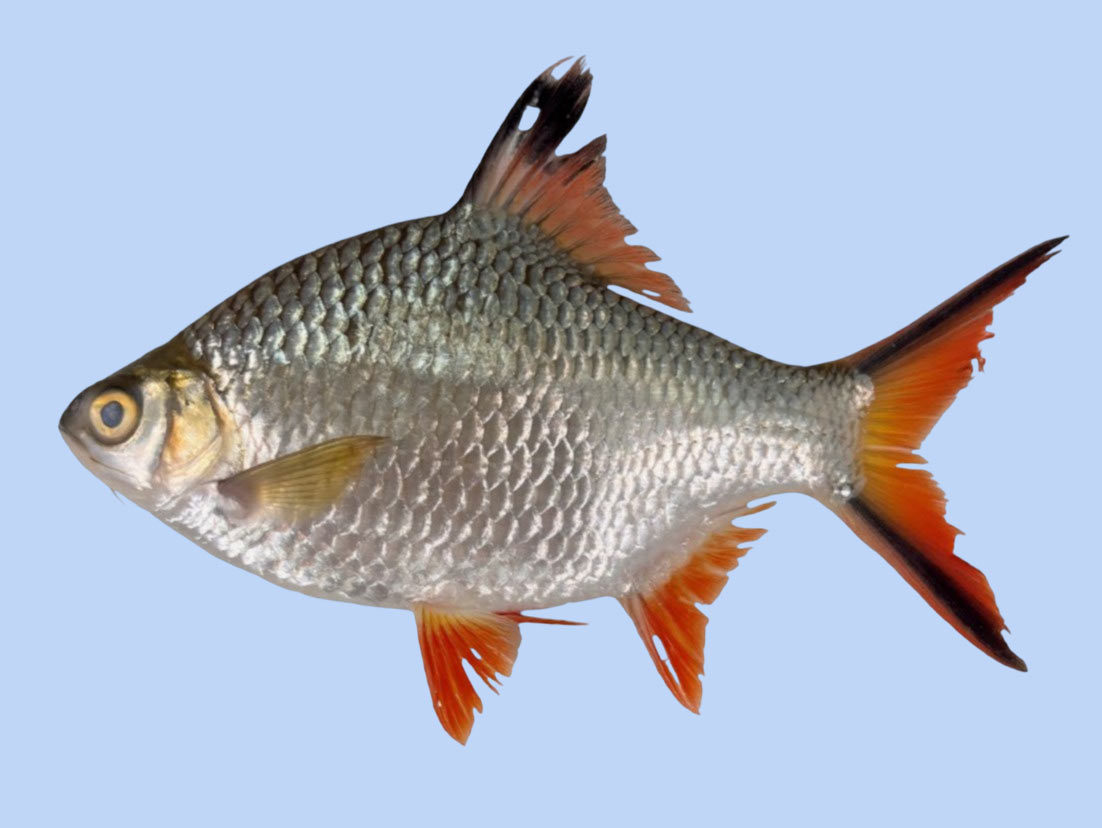
“Although ours was the first confirmed sighting of B. schwanefeldii in Laguna de Bay, sightings have also been reported in nearby rivers such as in Pagsanjan, Laguna, and elsewhere. We hope that local authorities can help raise awareness and put in further monitoring efforts, not just for this but for other invasive species as well,” said lead researcher Kent Elson S. Sorgon.
Lessons from Other Invasive Species
The authors warn that the establishment of B. schwanefeldii could further stress the already degraded ecosystem of Laguna de Bay, which supports millions of Filipinos through fisheries, water supply, and flood regulation.
If this spread continues unchecked, it could mirror the ecological disruptions caused by other invasive fish worldwide—such as tilapia or janitor fish—leading to biodiversity loss and irreversible changes to aquatic food webs. Their study underscores the urgent need for comprehensive biosecurity policies and a national inventory of freshwater alien species before more irreversible introductions occur.
Reference: “First specimen-based record of Barbonymus schwanefeldii (Bleeker, 1854) (T , 1854) (Teleostei: Cyprinidae) fr eleostei: Cyprinidae) from Laguna de Ba om Laguna de Bay, Philippines” by Kent Elson S. Sorgon, Marjorie Juliana L. Martinez, Andrei Justin F. So, Mariko Franccesca R. Aboganda, Jazreen Nicole G. Parungo, Aeris Johanne G. Poricallan, Keona Tiffany B. Prieto, Mellissa Jewel S. Magday, Alexa Charlize DC Geronimo, Ma. Vianca Julia E. Anupol and Derreck O. De Leon, 5 May 2025, Philippine Journal of Systematic Biology.
DOI: 10.26757/pjsb202418006
Never miss a breakthrough: Join the SciTechDaily newsletter.
Follow us on Google and Google News.
4 Comments
Who cares?
Yes who cares and this fish is a common fish pet someone probably dump their unwanted pet in the lake. Stupid discovery by a university who claims one of the best in the country 🤮
Is the fish edible? If not, then be all means remove the fish from the lake asap
This foolish, moronicly selfish, careless attitude is why human beings will cease to exist in 40 years tops, probably less. U will care when u and your kids, gran kids are dying of starvation n thirst.. because small things like this are happening all across the world and have been for 3-4 decades. Eventually, sooner than u think, if action is not taken or “cared for”,, 100’s of millions, if not billions of us, die off from not caring or taking action. The collapse has already started…