
Close Menu
    Facebook X (Twitter) Instagram
    SciTechDaily
    • Biology
    • Chemistry
    • Earth
    • Health
    • Physics
    • Science
    • Space
    • Technology
    Facebook X (Twitter) Pinterest YouTube RSS
    SciTechDaily
    Home»Science»How Copper Smelters Accidentally Sparked the Birth of the Iron Age
    Science

    How Copper Smelters Accidentally Sparked the Birth of the Iron Age

    By Cranfield UniversityOctober 1, 2025No Comments4 Mins Read
    Facebook Twitter Pinterest Telegram LinkedIn WhatsApp Email Reddit
    Share
    Facebook Twitter LinkedIn Pinterest Telegram Email Reddit
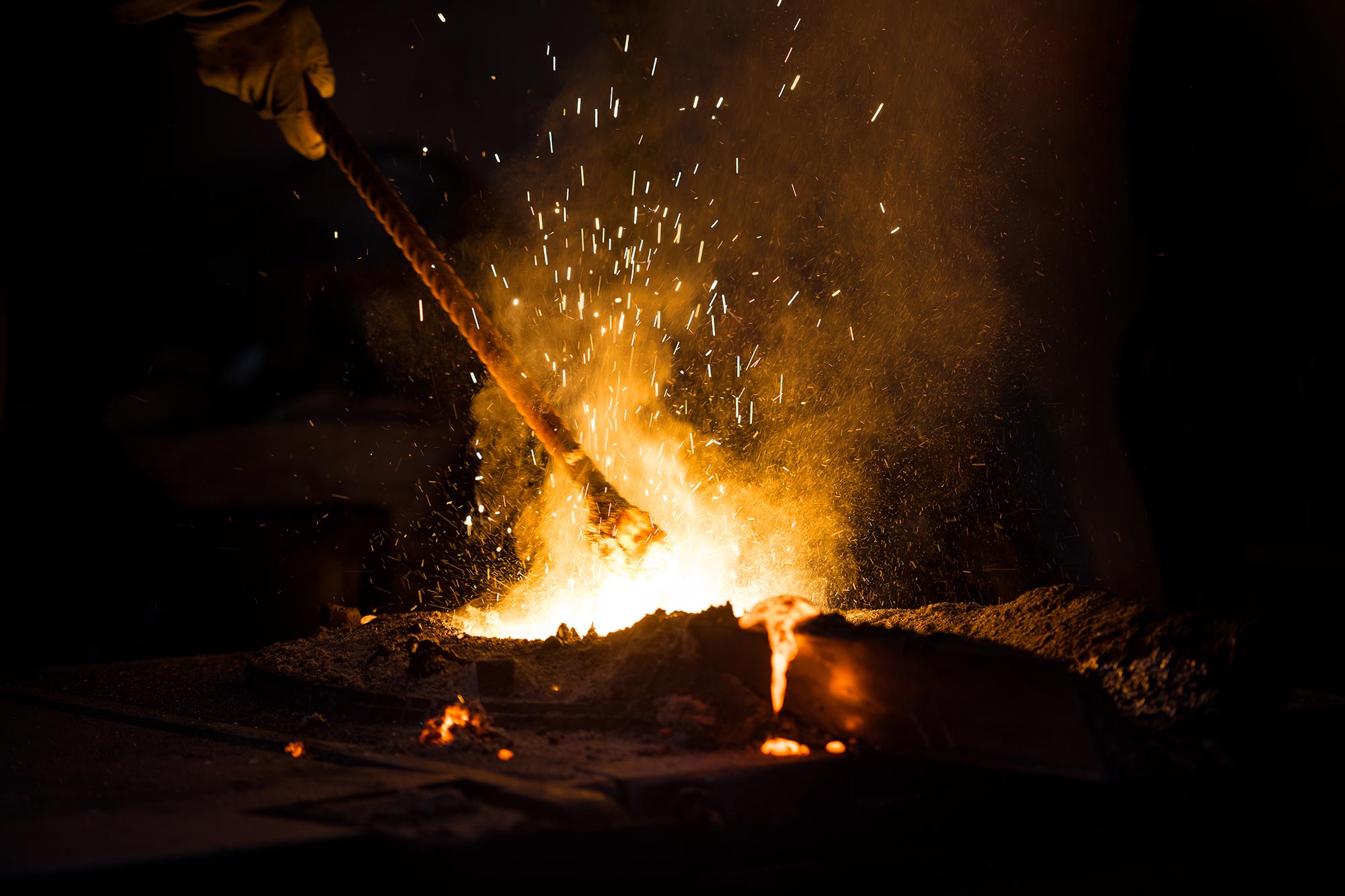
    Hot Fire Metal Sparks Mine Blending
    Ancient copper smelters experimenting with iron oxide may have unlocked the secret to iron production. That discovery reshaped human history, fueling the rise of the Iron Age and beyond. Credit: Shutterstock

    Copper smelters once used iron oxide to refine copper, unintentionally advancing the path toward iron metallurgy.

    Research conducted at Cranfield University provides new insight into the shift from the Bronze Age to the Iron Age, suggesting that copper smelters experimenting with iron-rich rocks may have unintentionally paved the way for the invention of iron.

    The study revisited metallurgical remains from Kvemo Bolnisi, a 3000-year-old smelting site in southern Georgia. When the site was first examined in the 1950s, archaeologists uncovered heaps of hematite (an iron oxide mineral) and slag (the by-product of metalworking). Because of the iron oxides, the original team concluded that the workshop had been used for early iron production.

    Microscope Image of Copper Ore With Hematite Impurities
    Copper smelters at the site used copper ores that lacked iron. Adding the iron oxide hematite to the furnace helped the copper metal to separate more easily from the impurities in the ore. Credit: Dr. Nathaniel Erb-Satullo

    Copper smelting with iron oxides

    Recent analysis challenges that interpretation. Instead of producing iron, the smelters at Kvemo Bolnisi were working copper and added iron oxide as a flux, a material that improves efficiency by boosting the amount of copper extracted.

    This finding supports the long-standing idea that the origins of iron metallurgy may be traced to copper workers. Evidence now shows that ancient metallurgists deliberately introduced iron-bearing materials into their furnaces, marking a critical stage in the eventual development of iron smelting.

    From rare iron to widespread use

    Although the Iron Age represents the start of large-scale ironworking, the metal itself was already known in earlier periods. Iron artifacts from the Bronze Age include notable examples such as Tutankhamun’s dagger, which featured a gold and rock crystal hilt with an iron blade. However, these early objects were crafted from metallic iron that had fallen to Earth in meteorites rather than extracted from ore. Because of its scarcity, iron was at that time considered even more precious than gold.
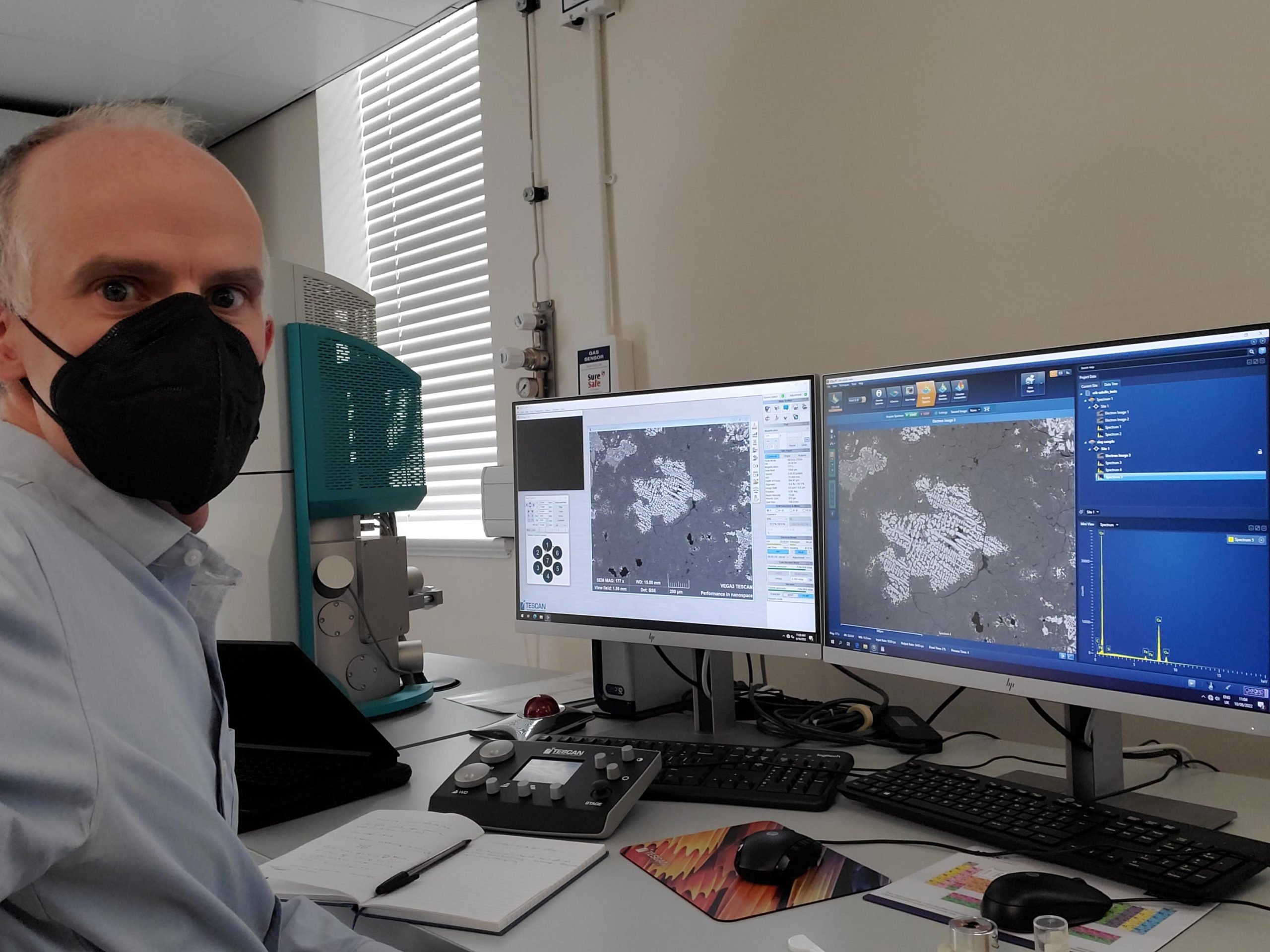
    Erb Satullo Analyzing Electron Microscope Images
    A scanning electron microscope was used to analyze the chemistry, mineralogy, and microstructure of the samples. Credit: Dr. Nathaniel Erb-Satullo

    The development of extractive iron metallurgy changed all this. Iron is one of the most abundant elements on Earth, even though naturally occurring iron metal is very rare. The ability to extract iron from iron ore and work it into useful materials such as tools or weapons is one of the defining technological transformations in human history. The transition into the Iron Age was far from instantaneous, but it gave rise to the iron-wielding armies of Assyria and Rome and later the railroads and steel-frame buildings of the Industrial Revolution.

    Insights from Kvemo Bolnisi

    Dr. Nathaniel Erb-Satullo, Visiting Fellow in Archaeological Science at Cranfield University, said: “Iron is the world’s quintessential industrial metal, but the lack of written records, iron’s tendency to rust, and a lack of research on iron production sites have made the search for its origins challenging.
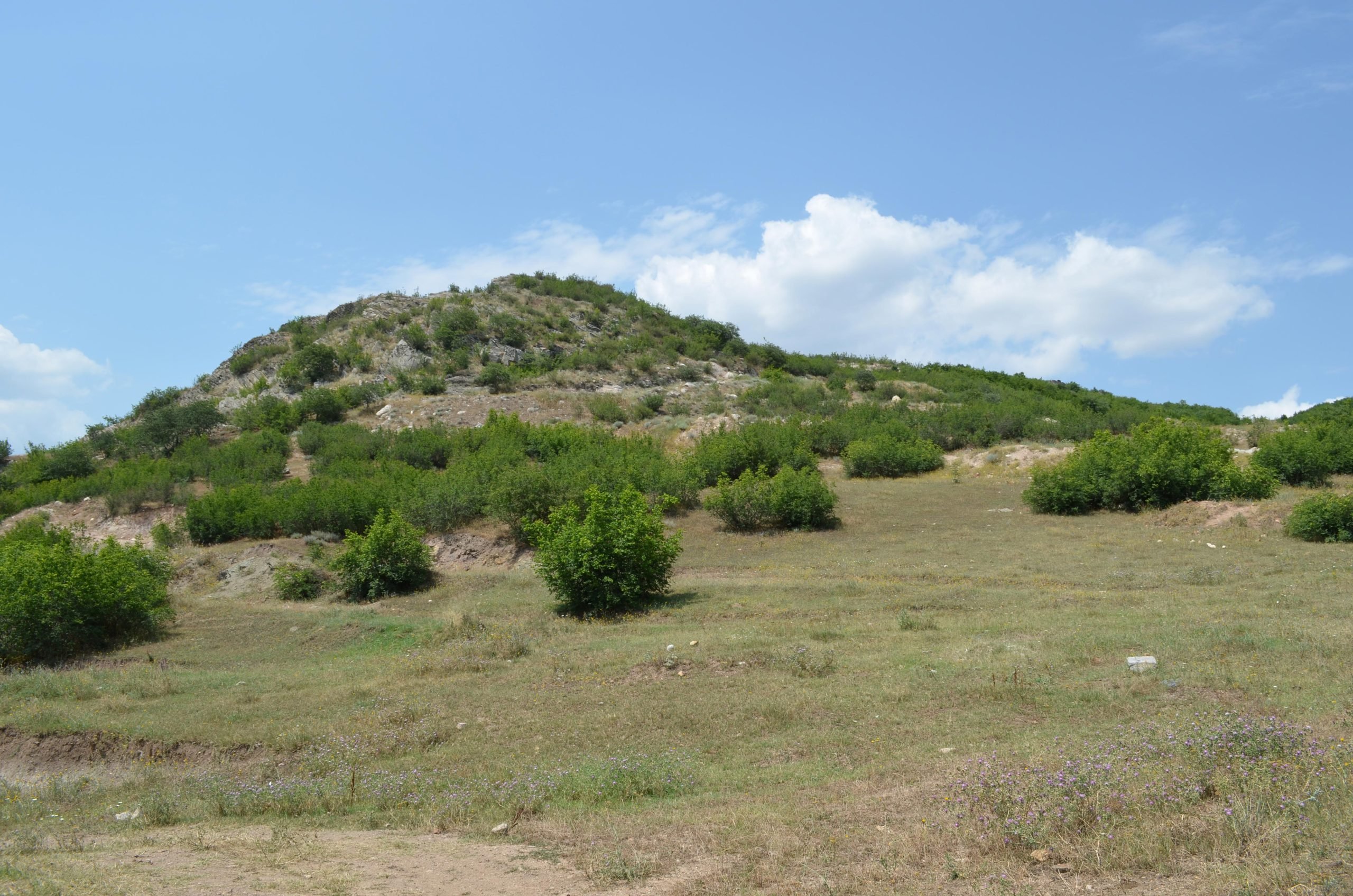
    Kvemo Bolnisi Hillside
    The site, shown here, was originally excavated during the Soviet period and was relocated using hand-drawn maps from a 1964 book. Credit: Dr. Nathaniel Erb-Satullo

    “That’s what makes this site at Kvemo Bolnisi so exciting. It’s evidence of intentional use of iron in the copper smelting process. That shows that these metalworkers understood iron oxide – the geological compounds that would eventually be used as ore for iron smelting – as a separate material and experimented with its properties within the furnace. Its use here suggests that this kind of experimentation by copper-workers was crucial to the development of iron metallurgy.

    “There’s a beautiful symmetry in this kind of research, in that we can use the techniques of modern geology and materials science to get into the minds of ancient materials scientists. And we can do all this through the analysis of slag—a mundane waste material that looks like lumps of funny-looking rock.”
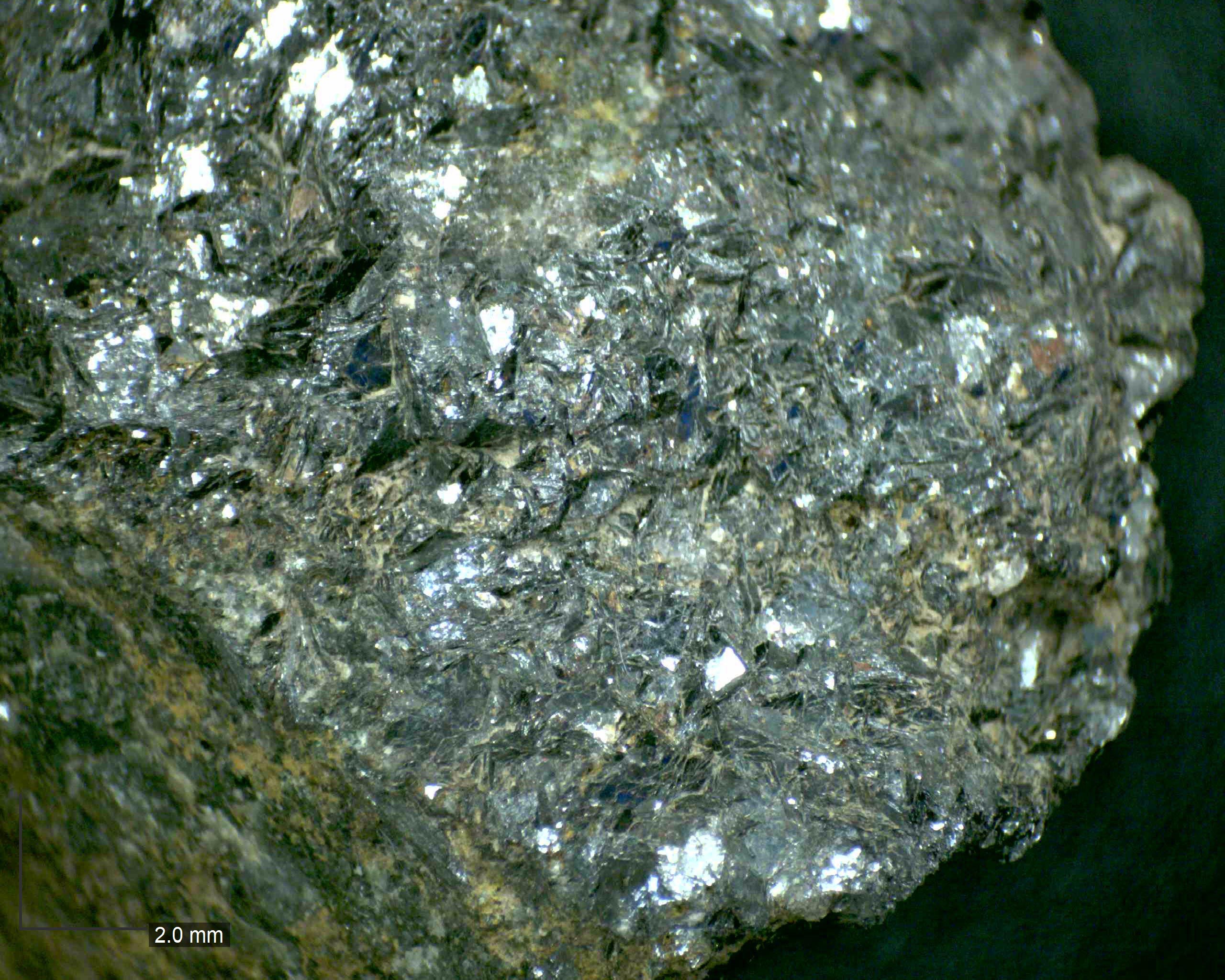
    Up Close Shot of Hematite Mineral
    Sparkly hematite mineral was used as a flux by copper smelters. Its distinctive appearance may have helped to attract attention from ancient miners and prospectors. Credit: Dr. Nathaniel Erb-Satullo

    Reference: “Iron in copper metallurgy at the dawn of the Iron Age: Insights on iron invention from a mining and smelting site in the Caucasus” by Nathaniel L. Erb-Satullo and Bobbi W. Klymchuk, 26 September 2025, Journal of Archaeological Science.
    DOI: 10.1016/j.jas.2025.106338

    The research was supported by grants from the British Institute of Ankara, the Gerda Henkel Foundation, and the American Research Institute of the South Causcasus.

    Never miss a breakthrough: Join the SciTechDaily newsletter.
    Follow us on Google and Google News.

    Archaeology History Materials Science Popular
    Share. Facebook Twitter Pinterest LinkedIn Email Reddit

    Related Articles

    Vast Stone Monuments Discovered in Saudi Arabia Were Constructed in 7,000 Years Ago

    Extinct Genetic Strains of Smallpox – World’s Deadliest Virus – Discovered in the Teeth of Viking Skeletons

    Revolutionary Archaeology: Entire Roman City Revealed Without Any Digging

    Year 777: Radiocarbon Dating Pinpoints Date for Construction of Mysterious Por-Bajin Complex

    Dead in Unmarked Graves Identified by Combining Genetics With Genealogy

    Mystery Surrounding Dinosaur Footprints on a Cave Ceiling Finally Solved

    How Ancient Poop Debunked Myth of Native American Lost Civilization

    Mystifying Puzzle of Early Neolithic House Orientations Finally Solved

    Previously Dismissed As Myths, New Study Boosts Credibility of Columbus’ Cannibal Claims

    Leave A Reply Cancel Reply

    • Facebook
    • Twitter
    • Pinterest
    • YouTube

    Don't Miss a Discovery

    Subscribe for the Latest in Science & Tech!

    Trending News

    Bone-Strengthening Discovery Could Reverse Osteoporosis

    Scientists Uncover Hidden Trigger Behind Stem Cell Aging

    Scientists Find Way to Reverse Fatty Liver Disease Without Changing Diet

    Could Humans Regrow Limbs? New Study Reveals Promising Genetic Pathway

    Scientists Reveal Eating Fruits and Vegetables May Increase Your Risk of Lung Cancer

    Scientists Reverse Brain Aging With Simple Nasal Spray

    Scientists Uncover Potential Brain Risks of Popular Fish Oil Supplements

    Scientists Discover a Surprising Way To Make Bread Healthier and More Nutritious

    Follow SciTechDaily
    • Facebook
    • Twitter
    • YouTube
    • Pinterest
    • Newsletter
    • RSS
    SciTech News
    • Biology News
    • Chemistry News
    • Earth News
    • Health News
    • Physics News
    • Science News
    • Space News
    • Technology News
    Recent Posts
    • Scientists Create “Neurobots” – Living Machines With Their Own Nervous Systems
    • Europe’s Most Active Volcano Just Got Stranger – Here’s Why Scientists Are Rethinking It
    • Why Are Giant Ants Letting Tiny Ants Crawl All Over Them?
    • Revolutionary Technique Sends Healthy Mitochondria Exactly Where They’re Needed
    • This Student Recreated the Universe in a Bottle. What She Discovered Could Help Reveal How Life Started on Earth
    Copyright © 1998 - 2026 SciTechDaily. All Rights Reserved.
    • Science News
    • About
    • Contact
    • Editorial Board
    • Privacy Policy
    • Terms of Use

    Type above and press Enter to search. Press Esc to cancel.