

Diamonds aren’t just for jewelry anymore — they’re stepping into the future of technology.
Scientists have discovered how adding boron to diamonds unlocks new properties that could revolutionize quantum computing, biomedical devices, and high-power electronics.
Unveiling Diamond’s Potential in Electronics and Optics
Diamond, renowned for its extraordinary hardness and clarity, is proving to be an exceptional material for high-power electronics and cutting-edge quantum optics. By introducing impurities like boron, diamond can be engineered to conduct electricity much like a metal.
Researchers from Case Western Reserve University and the University of Illinois Urbana-Champaign have uncovered a remarkable new property in boron-doped diamonds. These enhanced diamonds could lead to groundbreaking advancements in biomedical and quantum optical devices, enabling faster, more efficient technologies capable of processing information in ways traditional systems cannot. The findings, published today (January 14) in Nature Communications, highlight the transformative potential of this discovery.
Advancements in Nanoscale Optical Devices
The researchers found that boron-doped diamonds exhibit plasmons—waves of electrons that move when light hits them—allowing electric fields to be controlled and enhanced on a nanometer scale. This is important for advanced biosensors, nanoscale optical devices, and for improving solar cells and quantum devices. Previously, boron-doped diamonds were known to conduct electricity and become superconductors, but not to have plasmonic properties. Unlike metals or even other doped semiconductors, boron-doped diamonds remain optically clear.
Insights into Quantum and Optical Innovations
“Diamond continues to shine,” said Giuseppe Strangi, professor of physics at Case Western Reserve, “both literally and as a beacon for scientific and technological innovation. As we step further into the era of quantum computing and communication, discoveries like this bring us closer to harnessing the full potential of materials at their most fundamental level.”
“Understanding how doping affects the optical response of semiconductors like diamond changes our understanding of these materials,” said Mohan Sankaran, professor of nuclear, plasma and radiological engineering at Illinois Grainger College of Engineering.

Historical Context and Future Implications of Plasmonic Materials
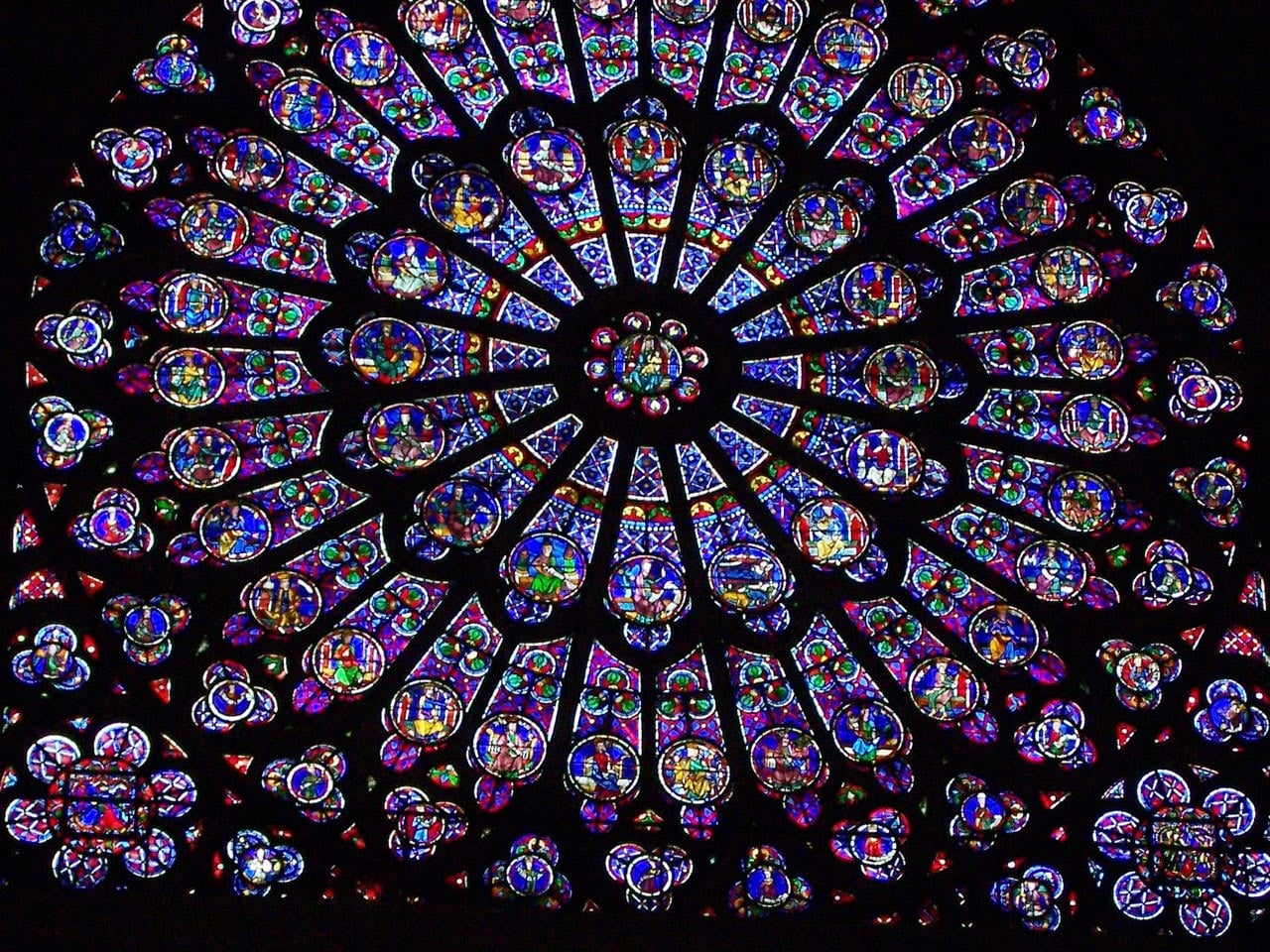
Plasmonic materials, which affect light at the nanoscale, have captivated humans for centuries, even before their scientific principles were understood. The vibrant colors in medieval stained-glass windows result from metal nanoparticles embedded in the glass. When light passes through, these particles generate plasmons that produce specific colors. Gold nanoparticles appear ruby red, while silver nanoparticles display a vibrant yellow. This ancient art highlights the interaction between light and matter, inspiring modern advancements in nanotechnology and optics.
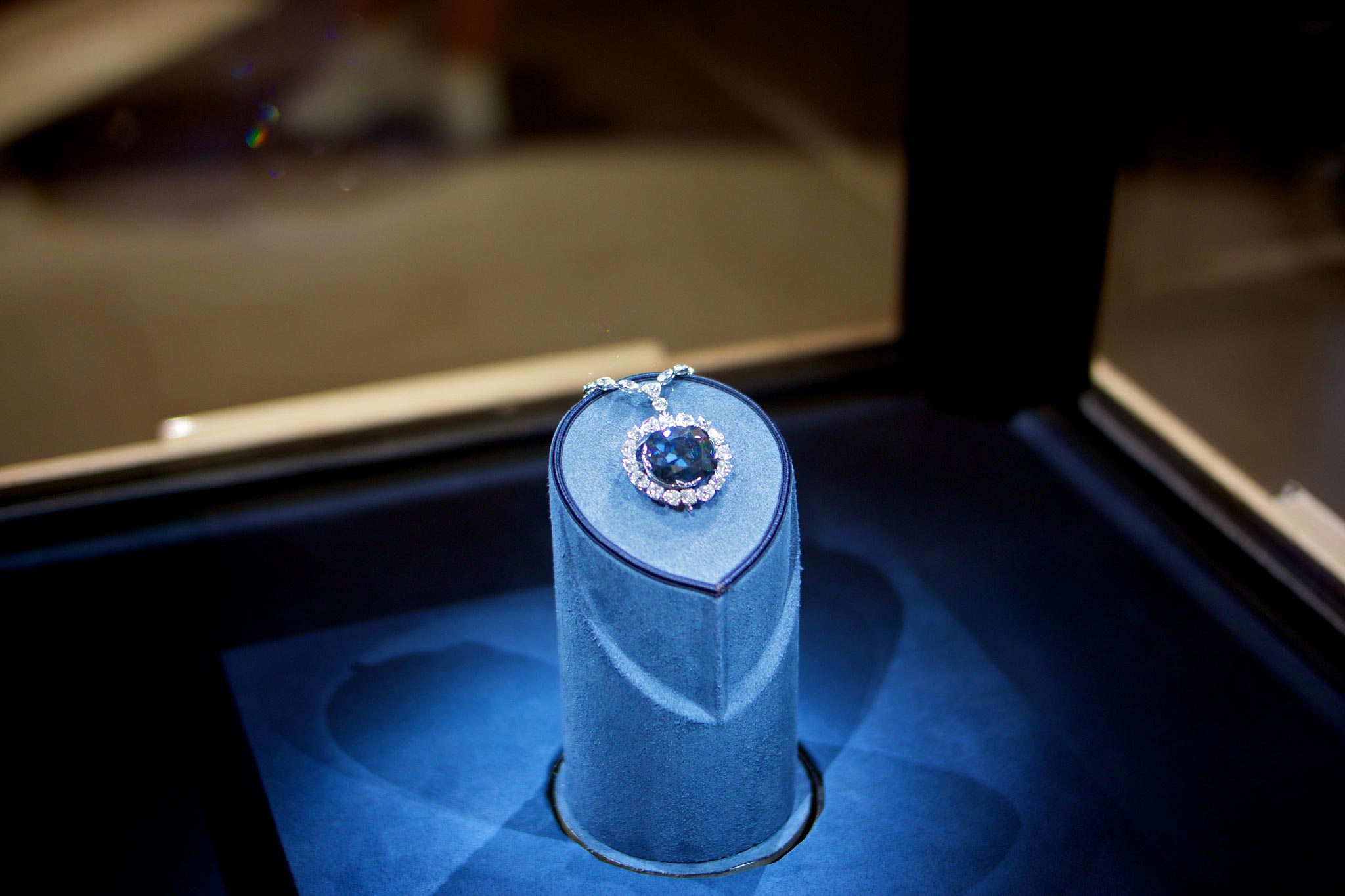
Diamonds, composed of transparent crystals of the element carbon, can be synthesized with small amounts of boron, adjacent to carbon on the periodic table. Boron contains one less electron than carbon, allowing it to accept electrons. Boron essentially opens up a periodic electronic “hole” in the material that has the effect of increasing the ability of the material to conduct current. The boron-doped diamond lattice remains transparent, with a blue hue. (The famous Hope Diamond is blue because it contains small amounts of boron).

Potential Biomedical Applications of Boron-Doped Diamonds
Because of its other unique properties—it’s also chemically inert and biologically compatible—boron-doped diamond could potentially be used in contexts that other materials could not, such as for medical imaging or high-sensitivity biochips or molecular sensors.
Reference: “Intervalence plasmons in boron-doped diamond” by Souvik Bhattacharya, Jonathan Boyd, Sven Reichardt, Valentin Allard, Amir Hossein Talebi, Nicolò Maccaferri, Olga Shenderova, Aude L. Lereu, Ludger Wirtz, Giuseppe Strangi and R. Mohan Sankaran, 14 January 2025, Nature Communications.
DOI: 10.1038/s41467-024-55353-0
Diamonds synthesized at low pressure were pioneered at Case Western Reserve (then Case Institute of Technology) in 1968 by faculty member John Angus, who died in 2023. Angus was also the first to report on the electrical conductivity of diamond doped with boron.
Strangi and Sankaran collaborated with Souvik Bhattacharya, lead author, a graduate student at Illinois; Jonathan Boyd, Case Western Reserve; Sven Reichardt and Ludger Wirtz, University of Luxembourg; Vallentin Allard, Aude Lereu and Amir Hossein Talebi, Marseilles University; and Nicolo Maccaferri, Umeå University, Sweden.
The research was supported by the National Science Foundation.
Never miss a breakthrough: Join the SciTechDaily newsletter.
Follow us on Google and Google News.