
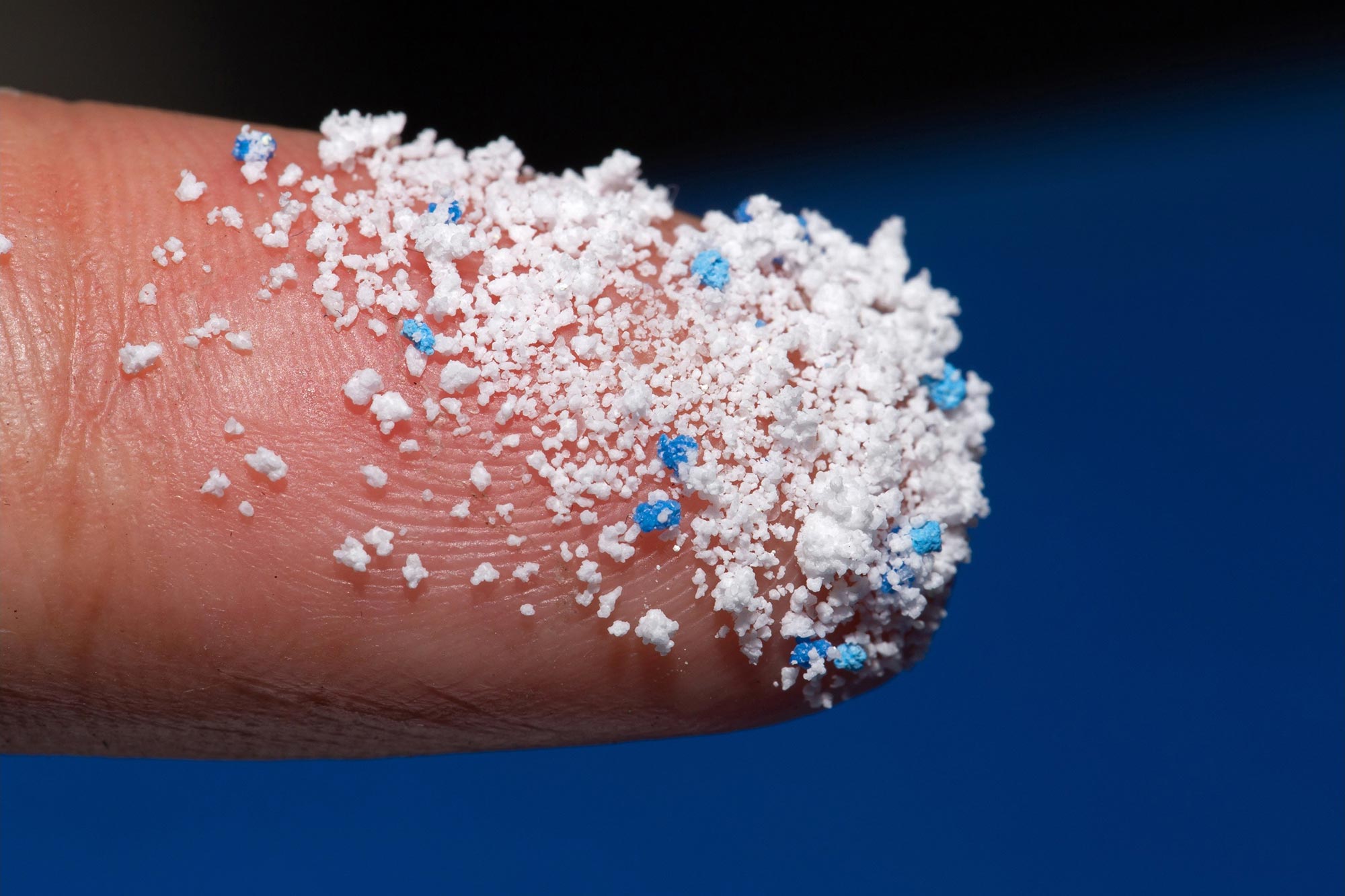
A UTA study reveals high levels of microplastics in bird lungs, highlighting concerns about the pollution humans breathe every day.
A new study from the University of Texas at Arlington reveals that microscopic plastic pollutants in the air are accumulating in the lungs of birds. Researchers worldwide are growing increasingly concerned about the widespread presence of these harmful particles in the air people breathe and the food they consume.
Shane DuBay, an assistant professor of biology at UTA and co-author of the study published in the Journal of Hazardous Materials, explained that birds were selected for the research because they inhabit nearly every region of the world and frequently share environments with humans.
“Birds serve as important indicators of environmental conditions,” said DuBay, who collaborated with researchers from Sichuan University and Chengdu Tianfu International Airport, both in Chengdu, China. “They help us understand the state of the environment and make informed decisions about conservation and pollution control.”

Study Methodology and Findings
DuBay’s team studied 56 different wild birds from 51 distinct species, all sampled from the Tianfu airport in western China. They collected lung samples from each bird and performed two types of chemical analyses.
They used laser direct infrared technology to detect and count microplastics in the birds’ lungs. Pyrolysis gas chromatography-mass-spectrometry helped identify even smaller nanoplastics, which can enter the lungs through the bloodstream. Together, the tests allowed scientists to measure the amount of plastic in the birds’ lungs and determine the specific types of plastics present.
The study found high concentrations of microplastics in bird lungs, with an average of 221 particles per species and 416 particles per gram of lung tissue. The most common types identified were chlorinated polyethylene, used for insulating pipes and wires, and butadiene rubber, a synthetic material in tires.
While no official “safe” level of plastic particles in lung tissue exists, high levels of microplastics have been linked to serious health conditions, including heart disease, cancer, respiratory problems, and fertility issues.
“Our research highlights an urgent need to address plastic pollution in our environments, as these contaminants can have far-reaching impacts on ecosystem health, as well as human health,” DuBay said. “Our findings call for further research, funding, and action to mitigate the harmful effects of plastic pollution and ensure a healthier environment.”
Reference: “Assessing microplastic and nanoplastic contamination in bird lungs: evidence of ecological risks and bioindicator potential” by Mengzhu Wang, Pinxi Zhou, Shane DuBay, Shangmingyu Zhang, Zhixiong Yang, Yibo Wang, Jiayu Zhang, Yiwei Cao, Zhengrui Hu, Xingcheng He, Shirui Wang, Man Li, Chen Fan, Boyan Zou, Chuang Zhou and Yongjie Wu, 17 January 2025, Journal of Hazardous Materials.
DOI: 10.1016/j.jhazmat.2025.137274
Funding: National Natural Science Foundation of China, Second Tibetan Plateau Scientific Expedition and Research Program, Survey of Wildlife Resources in Key Areas of Tibet, Fundamental Research Funds for the Central Universities
Never miss a breakthrough: Join the SciTechDaily newsletter.
Follow us on Google and Google News.
4 Comments
We have polluted our beautiful planet to the point where we are no longer going to be able to survive on it.
Don’t worry. We are incapble politically of doing anything about it, depsite our ability to replace plastic containers with glass ones and reduce our reliance on cars. And we laugh at the stupidity of the Dinosaurs.
well the alternative is to not breathe
We can’t do a thing about this for decades so stop whining about it and let’s try to deal with it NOW!