
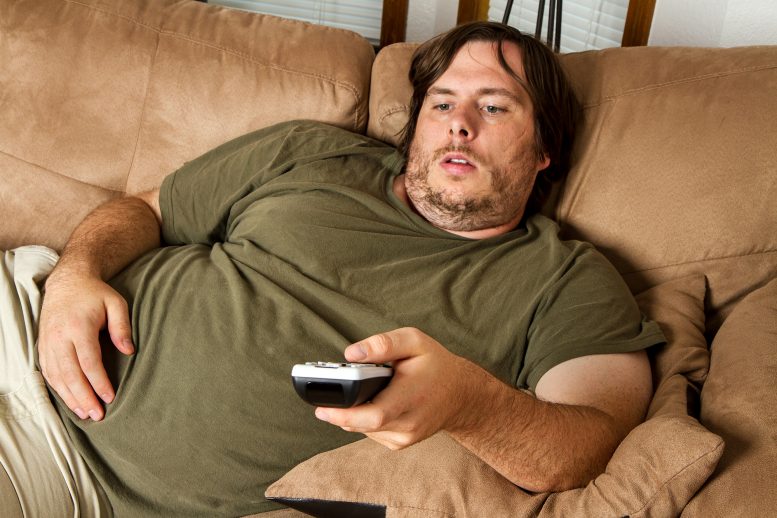
Two decades of a sedentary lifestyle is associated with a two times risk of premature death compared to being physically active, according to results from the HUNT study presented today at ESC Congress 2019 together with the World Congress of Cardiology.
Study author Dr. Trine Moholdt of the Norwegian University of Science and Technology, Trondheim, Norway said: “Our findings imply that to get the maximum health benefits of physical activity in terms of protection against premature all-cause and cardiovascular death, you need to continue being physically active. You can also reduce your risk by taking up physical activity later in life, even if you have not been active before.”
The aim of this study was to assess how changes in physical activity over 22 years were related to subsequent death from all causes and from cardiovascular disease. Most studies investigating the relationship between physical activity and longevity have asked participants about their level of physical activity only once, and then followed them for several years. But physical activity is a behavior that changes in many people, so it is important to investigate how such changes over time relate to the risk of death in the future.
The HUNT study invited all residents of Norway aged 20 and older to participate in 1984–1986, 1995–1997, and 2006–2008. At all three time points, individuals were asked about their frequency and duration of leisure-time physical activity. The current study used the data from the first and third surveys.
A total of 23,146 men and women were included in the analysis. Physical activity was categorized as inactive, moderate (less than two hours a week), and high (two or more hours per week). Participants were divided into groups according to their activity levels at each survey.
Physical activity data were linked to information on deaths until the end of 2013 using the Norwegian Cause of Death Registry. The risk of death in each physical activity group was compared to the reference group (those who reported a high level of exercise during both surveys). The analyses were adjusted for factors known to influence prognoses such as body mass index, age, sex, smoking, education level, and blood pressure.
Compared to the reference group, people who were inactive in both 1984–1986 and 2006–2008 had a 2-fold higher likelihood of all-cause death and a 2.7-fold greater risk of dying from cardiovascular disease. Those with moderate activity at both time points had 60% and 90% raised risks of all-cause and cardiovascular deaths, respectively, compared to the reference group.
Dr. Moholdt noted that there are clear recommendations about the amount of exercise adults should do to optimize their health, which is 150 minutes a week of moderate intensity or 75 minutes a week of vigorous intensity aerobic physical activity.
But she added: “An important point to make here is that physical activity levels even below the advised levels will give health benefits. Physical fitness is more important than the amount of exercise. Clinicians should individualize their advice and help people do even smaller amounts of activity that will improve fitness – this includes all types of exercise that make you breathe heavily.”
“Do activities you like and get more movement into your everyday life,” she continued. “For example, walk to the shops instead of driving, get off the metro a stop early, and use stairs instead of the lift. I recommend everyone to get out of breath at least a couple of times each week.”
As for those who changed categories between surveys, people who went from inactive to highly active had a mortality risk that was between those who were continually active or continually sedentary. In contrast, those who went from highly active to inactive had a similar risk of dying as those who were inactive in both surveys.
“Our data indicate that you can compensate for a previously inactive lifestyle and the sooner you get active, the sooner you will see positive results,” said Dr. Moholdt. “My advice is to establish good exercise habits as early in life as possible. The health benefits extend beyond protection against premature death to effects on the body’s organs and cognitive function. Physical activity helps us live longer and better lives.”
Never miss a breakthrough: Join the SciTechDaily newsletter.
Follow us on Google and Google News.