
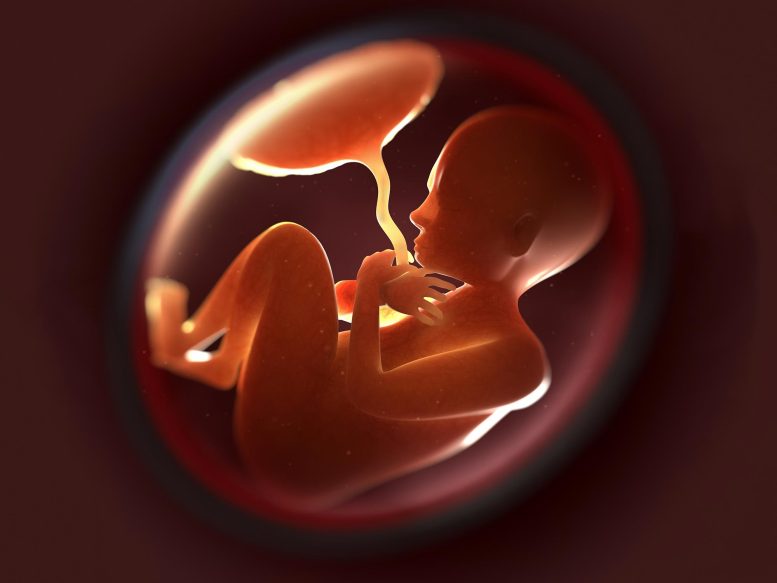
Scientists have discovered the first direct evidence that babies respond differently to various tastes and smells while still in the womb.
100 pregnant women participated in a 4D ultrasound research run by Durham University’s Fetal and Neonatal Research Lab, UK, to examine how the unborn children reacted to flavors from foods eaten by their mothers.
Researchers observed the babies’ responses to carrot or kale flavors shortly after the mothers had consumed such flavors.
Fetuses exposed to carrot flavors had more “laughter-face” reactions, but those exposed to kale had more “crying-face” responses.
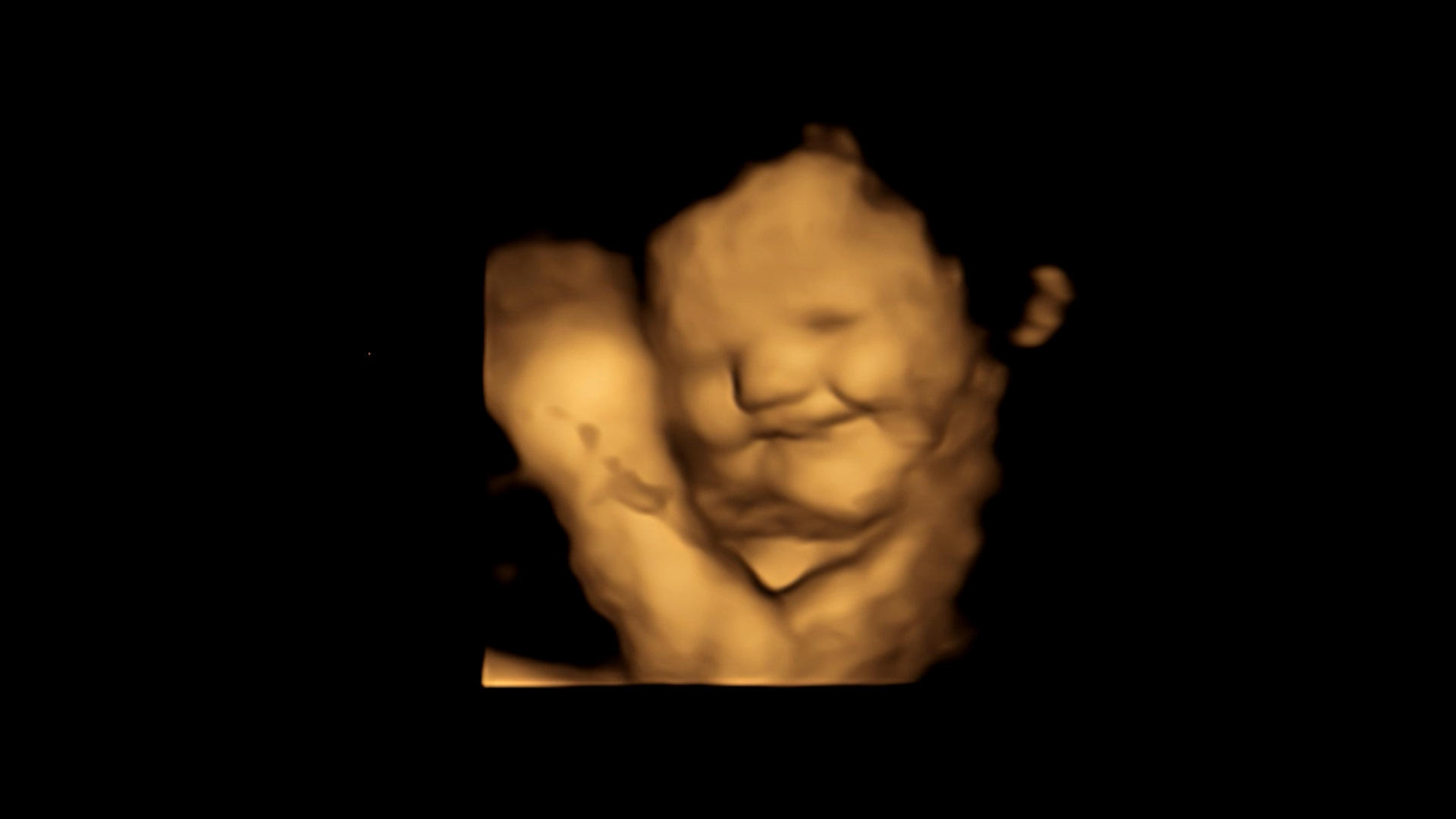
Their research may help us learn more about how human taste and smell receptors are developed. The researchers also think that what pregnant women eat may impact their newborns’ taste preferences after birth, which might have ramifications for developing healthy eating habits.
The research was recently published in the journal Psychological Science.
How Humans Perceive Flavor in Utero
Humans perceive flavor via a combination of taste and smell. This is believed to occur in fetuses by inhaling and swallowing the amniotic fluid in the womb.
Lead researcher Beyza Ustun, a postgraduate researcher in the Fetal and Neonatal Research Lab, Department of Psychology, Durham University, said: “A number of studies have suggested that babies can taste and smell in the womb, but they are based on post-birth outcomes while our study is the first to see these reactions prior to birth.”
She continues, “As a result, we think that this repeated exposure to flavors before birth could help to establish food preferences post-birth, which could be important when thinking about messaging around healthy eating and the potential for avoiding ‘food-fussiness’ when weaning. It was really amazing to see unborn babies’ reaction to kale or carrot flavors during the scans and share those moments with their parents.”
The research team, which included experts from Aston University in Birmingham, UK, and the National Centre for Scientific Research-University of Burgundy in France, scanned the women, who ranged in age from 18 to 40, at 32 and 36 weeks of pregnancy to detect fetal facial reactions to the kale and carrot flavors.
Mothers were given a single capsule containing approximately 400mg of carrot or 400mg of kale powder around 20 minutes before each scan. They were asked not to consume any food or flavored drinks one hour before their scans.
The mothers also did not eat or drink anything containing carrots or kale on the day of their scans to control for factors that could affect fetal reactions.
Facial reactions seen in both flavor groups, compared with fetuses in a control group who were not exposed to either flavor, showed that exposure to just a small amount of carrot or kale flavor was enough to stimulate a reaction.
The Role of Maternal Diet in Taste Development
Co-author Professor Nadja Reissland, head of the Fetal and Neonatal Research Lab, Department of Psychology, Durham University, supervised Beyza Ustun’s research. She said: “Previous research conducted in my lab has suggested that 4D ultrasound scans are a way of monitoring fetal reactions to understand how they respond to maternal health behaviors such as smoking, and their mental health including stress, depression, and anxiety.”
She concludes, “This latest study could have important implications for understanding the earliest evidence for fetal abilities to sense and discriminate different flavors and smells from the foods ingested by their mothers.”
Co-author Professor Benoist Schaal, of the National Centre for Scientific Research-University of Burgundy, France, said: “Looking at fetuses’ facial reactions we can assume that a range of chemical stimuli pass through maternal diet into the fetal environment. This could have important implications for our understanding of the development of our taste and smell receptors, and related perception and memory.”
The researchers say their findings might also help with information given to mothers about the importance of taste and healthy diets during pregnancy.
They have now begun a follow-up study with the same babies post-birth to see if the influence of flavors they experienced in the womb affects their acceptance of different foods.
Research co-author Professor Jackie Blissett, of Aston University, said: “It could be argued that repeated prenatal flavor exposures may lead to preferences for those flavors experienced postnatally. In other words, exposing the fetus to less ‘liked’ flavors, such as kale, might mean they get used to those flavors in utero. The next step is to examine whether fetuses show less ‘negative’ responses to these flavors over time, resulting in greater acceptance of those flavors when babies first taste them outside of the womb.”
Reference: “Flavor Sensing in Utero and Emerging Discriminative Behaviors in the Human Fetus” by Beyza Ustun, Nadja Reissland, Judith Covey, Benoist Schaal and Jacqueline Blissett, 21 September 2022, Psychological Science.
DOI: 10.1177/09567976221105460
The study was funded by the Turkish Ministry of National Education.
Never miss a breakthrough: Join the SciTechDaily newsletter.
Follow us on Google and Google News.
1 Comment
Wow, Indonesia’s mothers had discovered this for a long long time. This phenomenon is called “ngidam”. This is often used as an excuse for wives to make their husbands bring the food they want. They will say like “the baby asked for it”.