
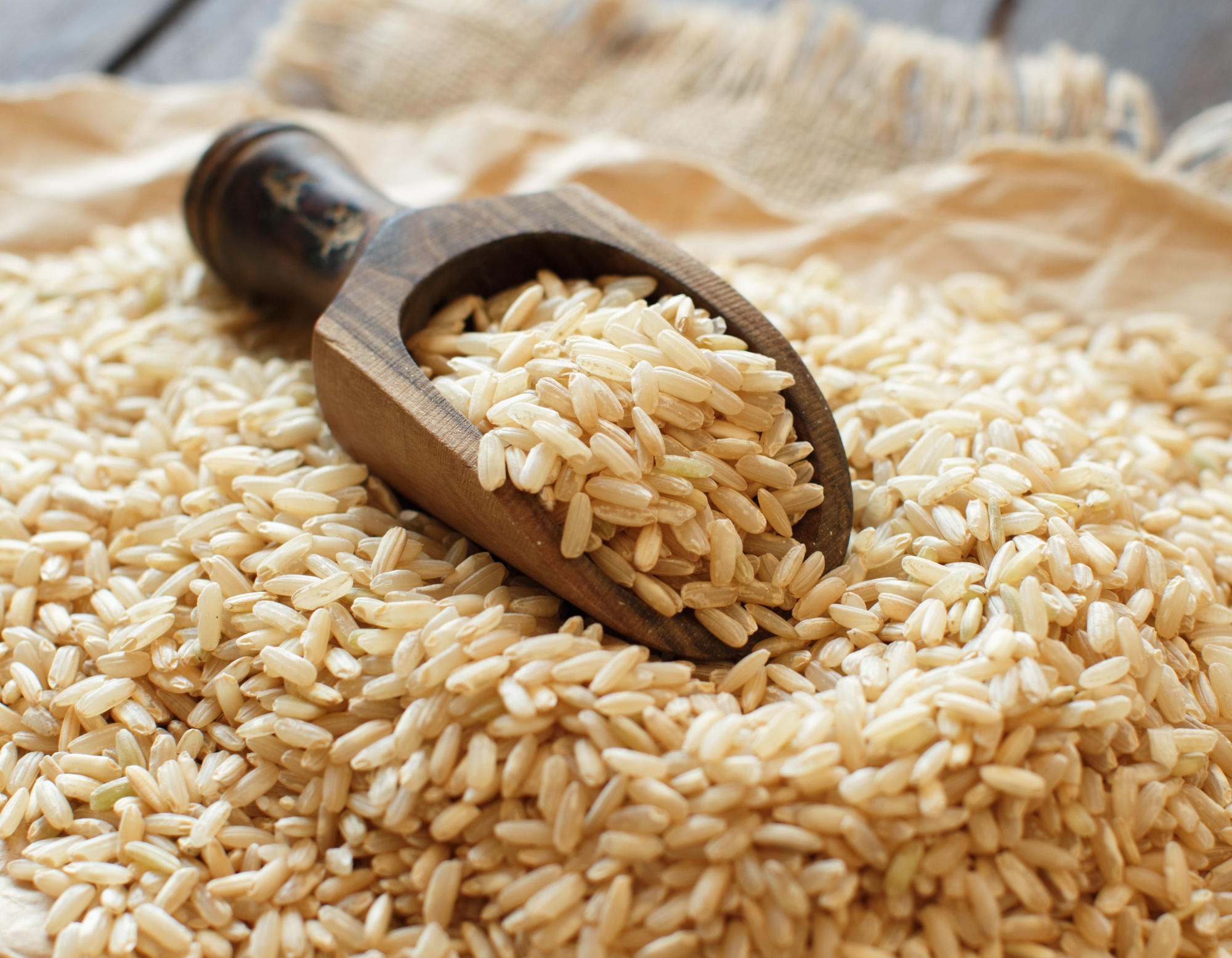
Brown rice has more nutrients but also more arsenic, which may be risky for young children. Nutrition and food safety should both factor into rice choices.
Whether you’re picking up rice at the grocery store or ordering it as a side at a restaurant, you might choose brown rice over white rice for its higher nutrient and fiber content. Many people associate brown rice with healthier eating, but the reality is more complex.
Recent research from Michigan State University, published in the journal Risk Analysis, found that brown rice contains higher levels of arsenic, including inorganic arsenic, compared to white rice in U.S. populations.
While these levels don’t pose significant health risks for most adults, there may be concerns for infants and children under five, who eat more relative to their body weight and may be more vulnerable to potential exposure.
“This research is important because it acknowledges the importance of considering food safety along with nutrition when consumers make choices about food,” said senior investigator of the study Felicia Wu, John A. Hannah Distinguished Professor and University Distinguished Professor at MSU’s College of Agriculture and Natural Resources. “While we found that choosing brown rice over white rice would result in higher arsenic exposure on average, the levels should not cause long-term health problems unless someone ate an enormous amount of brown rice every day for years.”
Research background and methodology
Arsenic is a natural component of the earth’s crust, and it is highly toxic. When compared to other cereal grains, rice has significantly higher contents of arsenic. In fact, rice takes up nearly 10 times more arsenic content than other grains.
This is because rice is often grown in continually flooded paddies, and wet soil conditions favor arsenic being taken up from the soil into the plants.
While the nutritional benefits of brown rice are well documented, white rice remains to be consumed more both in the U.S. and throughout the globe.
Therefore, Wu, along with postdoctoral research associate and lead author Christian Scott, both in the Department of Food Science and Human Nutrition, compared the arsenic exposure and associated risks between brown and white rice for U.S. populations.
Specifically, after comparing the nutritional aspects of brown and white rice, Wu and Scott used data courtesy of the “What We Eat in America” database of the U.S. Environmental Protection Agency and Joint Institute for Food Safety and Applied Nutrition to calculate average daily intake mean rice values for both brown and white rice.
The results provided insight into the difference in arsenic levels between brown and white rice as well as more complex data regarding how levels differed by region, highlighting where and what populations may be at increase health risk.
Geographic arsenic differences
The inorganic arsenic concentration of white versus brown rice was considerably different by region. For rice grown in the United States, the researchers found the proportion of the more toxic inorganic arsenic in white rice was 33%, and in brown rice was 48%; whereas in rice grown globally, 53% of total arsenic in white rice was inorganic, 65% of total arsenic in brown rice was inorganic. Organic arsenic, more commonly found in seafood as well as in other foods, is less toxic because it is readily excreted from the body.
There are also some populations who are more vulnerable due to elevated rice consumption or susceptibility to arsenic exposure. Specifically, this includes young children, Asian immigrant populations, and populations that face food insecurity.
The values researchers found did indicate a potential harmful risk of arsenic exposure from brown rice for children under age 5 and as young as 6 months.
Interpreting the results
It’s important to not interpret these findings as evidence that brown rice is unhealthy, or that you should now consume only white rice, Wu said. Brown rice does contain important ingredients such as fiber, protein, and niacin, which all benefit consumers.
“This exposure assessment is only one side of the equation when examining the potential trade-offs between brown and white rice consumption,” Wu said. “Even if arsenic levels are slightly higher in brown rice than white rice, more research is needed to demonstrate if the potential risks from this exposure are mitigated in part by the potential nutritional benefits provided by the rice bran.”
The researchers suggest completing an empirical analysis of the cost and benefits to societal public health by consuming brown rice compared to white rice. In their manuscript, they document additional key differences between brown and white rice, including prices, overall nutritional benefit, and environmental burden.
Potential policy changes
Chronic exposure to arsenic over a lifetime may increase cancer risk. Therefore, this research raises the question about consumer behavior and public health. If more consumers were aware about arsenic concerns, then they may intentionally make different dietary decisions, especially when it comes to rice consumption.
As water is already regulated, the Food and Drug Administration’s Closer to Zero initiative will soon set action levels for arsenic when it comes to food products based on risk assessment to the American population. It is important for all consumers to be aware of arsenic levels in their food and understand that brown rice is a major source.
As Americans try to eat healthily and look to incorporate higher-nutrition content choices in their diets, this study challenges the notion that these choices are simply black and white — or in this case, brown and white.
Reference: “Arsenic content and exposure in brown rice compared to white rice in the United States” by Christian Kelly Scott and Felicia Wu, 28 February 2025, Risk Analysis.
DOI: 10.1111/risa.70008
Never miss a breakthrough: Join the SciTechDaily newsletter.
Follow us on Google and Google News.
12 Comments
To minimise arsenic in all kinds of rice, soak in water for 10 minutes and wash well. Then dip in hot water and strain out.
Not the rice from India is arsenic
What this article fails to mention is that rice grown in the southeastern U.S.A. , whether brown or white, has high arsenic content because it is grown on former cotton fields which have a persistent high level of arsenic from arsenical insecticides used during the days of cotton growing.
The article is not covering anything new
It is well-documented that rice grown in some countries, where soil inspection is not rigorous, can lead to arsenic laden produce and especially in the husks of rice grain.
It is equally well-documented that infants and young children are hypersensitive to toxicity.
What about organic brown rice?
“Organic” rice makes no difference. The arsenic is all natural, and is present in all soils at different levels depending on the local geology. Rice naturally concentrates the arsenic. Your organic rice is well suited at reducing your weight by sucking excess money out of your wallet.
It has been shown that boiling the brown rice for ten-minutes, discarding the water and rinsing in hot water, and then continuing the cooking in fresh water *significantly* reduces heavy metals, including arsenic in the rice.
Thank goodness I’m not in the US!
NIH: These foods are the foundation of a heart-healthy eating plan.
Vegetables such as leafy greens (spinach, collard greens, kale, cabbage), broccoli, and carrots
Fruits such as apples, bananas, oranges, pears, grapes, and prunes
Whole grains such as plain oatmeal, brown rice, and whole-grain bread or tortillas
Fat-free or low-fat dairy foods such as milk, cheese, or yogurt
Protein-rich foods
These foods are the foundation of a heart-healthy eating plan.
https://www.nhlbi.nih.gov/health/heart-healthy-living/healthy-foods
“That which does not kill you makes you stronger”!
The Arsenic in American soil is more. Not the ones from India or China.
This is scare mongering article without valid data
I have no desire to eat brown rice as it’s pretty awful, on a par with wholemeal pasta.