
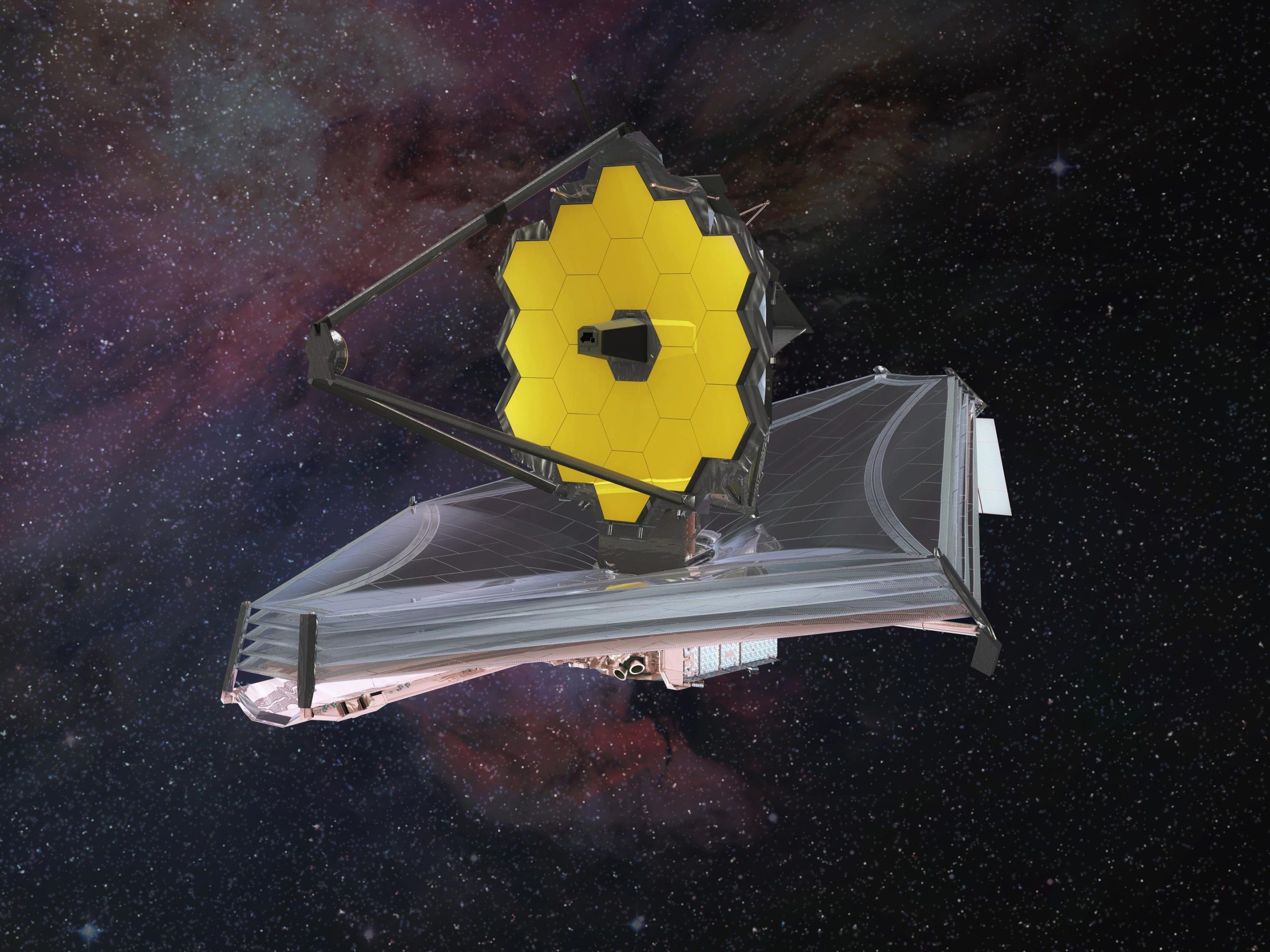
Through the lens of the Hubble and James Webb Space Telescopes, scientists are zeroing in on the Hubble Constant, a vital measure that indicates the universe’s expansion rate.
Recent studies, especially those involving the JWST, have provided more precise measurements, crucial for understanding the universe’s broader properties.
Understanding the Hubble Constant
In recent years, we’ve witnessed incredible advancements in our understanding of the universe, thanks to the Hubble Space Telescope (HST) and its successor, the James Webb Space Telescope (JWST). Both telescopes have revolutionized astronomy, uncovering stunning discoveries. Among their shared focus has been refining the Hubble Constant, a key measurement that links the speed at which distant galaxies are moving away with their distances. A recent study confirms that JWST has validated earlier findings from HST, providing more precision in this critical measurement.
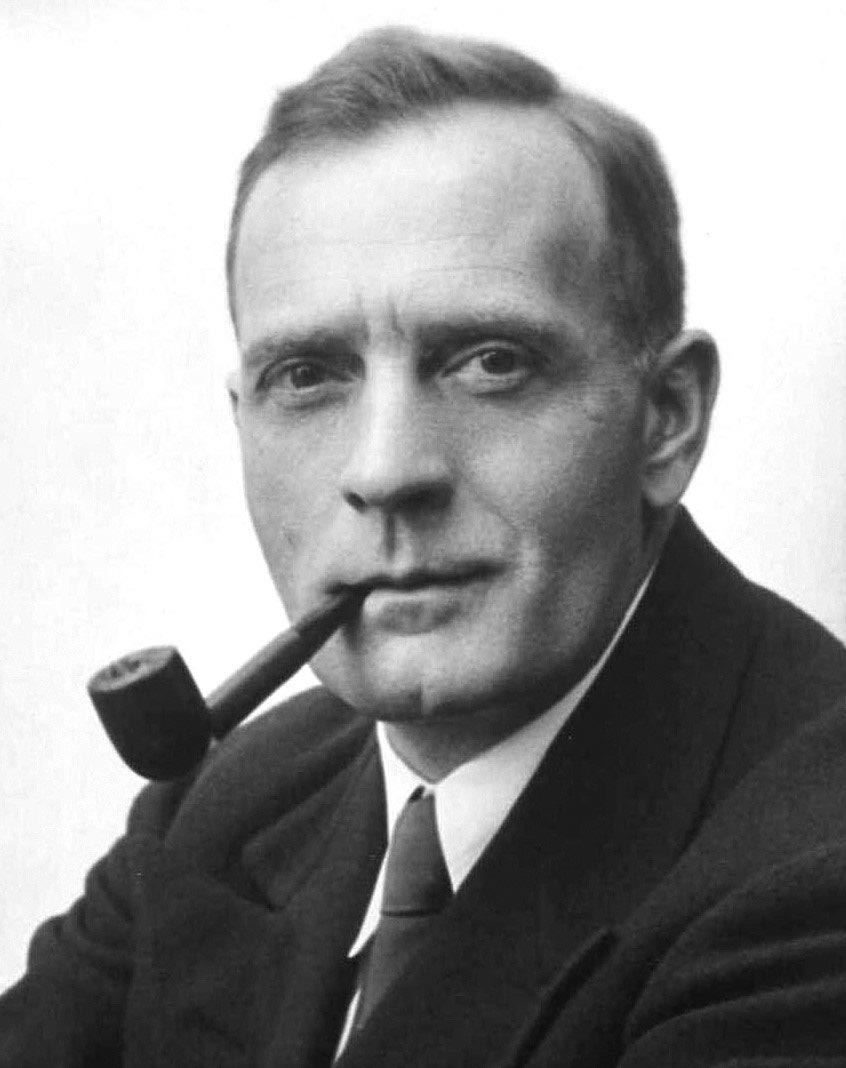
The Hubble Constant (H0) is a cornerstone of cosmology, describing the rate at which the universe is expanding. It establishes the relationship between Earth and distant galaxies based on their recession speed. First introduced by Edwin Hubble in 1929, this constant is expressed in kilometers per second per megaparsec (km/s/Mpc), indicating how fast galaxies move away for every megaparsec of distance. Over the decades, determining its exact value has sparked intense scientific debate. Both HST and JWST have been instrumental in efforts to refine H0, as its accurate measurement is essential for understanding the universe’s age, size, and ultimate fate.
Advances in Measuring the Universe’s Expansion
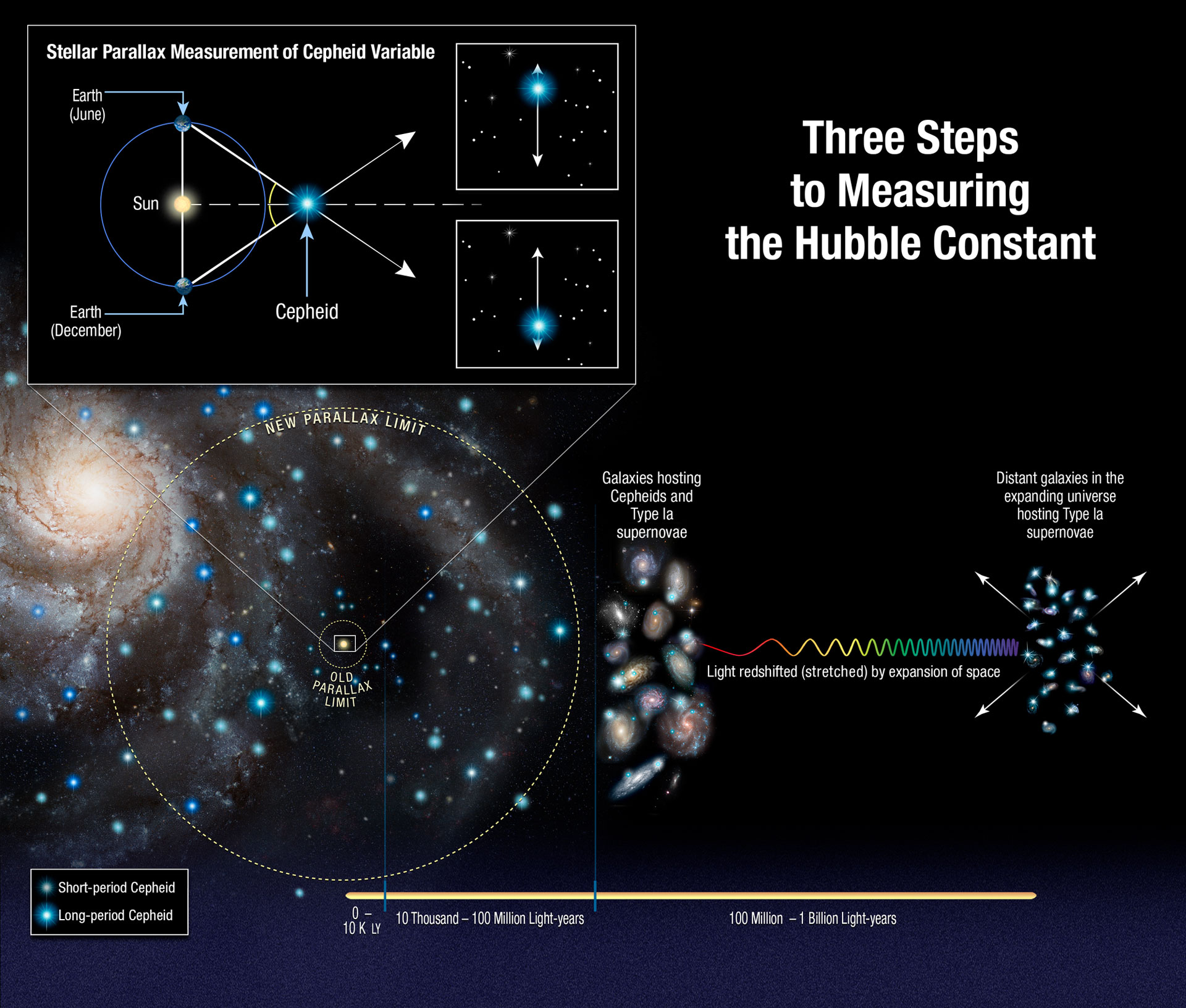
A paper recently published by a team of researchers led by Adam G. Riess from Johns Hopkins University validated the results from a previous HST study. They use JWST to explore its earlier results of the cepheid/supernova distance ladder. This has been used to establish distances across the cosmos using Cepheid variable stars and Type 1a supernovae. Both objects can be likened to ‘standard candles’ whose actual brightness is very well understood. By measuring their apparent brightness from Earth, their distances can be calculated by comparing it to their actual brightness, their intrinsic luminosity.

Resolving the Hubble Tension
Over recent decades, a number of attempts have been made to accurately determine H0 using a multitude of different instruments and observations. The cosmic microwave background has been used along with the aforementioned studies using cepheid variables and supernovae events. The results provide a range of results which has become known as ‘Hubble tension.’ The recent study using JWST hopes that it may be able to fine-tune and validate previous work.
Techniques and Challenges in Determining H0
To be able to determine H0 with a level of accuracy using the cepheid/supernova ladder, a sufficiently high sample of cepheids and supernovae must be observed. This has been challenging, in particular of the sample size of supernovae within the range of Cepheid variable stars. The team also explored other techniques for determining H0 for example studying data from HST of the study of the luminosity of the brightest red giant branch stars in a galaxy – which can also work as a standard candle. Or the luminosity of certain carbon-rich stars which is another technique.
Conclusion and Future Directions
The team concludes that, when all JWST measurements are combined, including a correction for the low sample of supernovae data, that H0 comes out at 72.6 ± 2.0 km/s/Mpc This compares to the combined HST data which determines H0 as 72.8 km/s/Mpc It will take more years and more studies for the sample size of supernova from JWST to equal that from HST but the cross-check has so far revealed we are finally honing in on an accurate value for Hubble’s Constant.
Adapted from an article originally published on Universe Today.
Reference: “JWST Validates HST Distance Measurements: Selection of Supernova Subsample Explains Differences in JWST Estimates of Local H0” by Adam G. Riess, Dan Scolnic, Gagandeep S. Anand, Louise Breuval, Stefano Casertano, Lucas M. Macri, Siyang Li, Wenlong Yuan, Caroline D. Huang, Saurabh Jha, Yukei S. Murakami, Rachael Beaton, Dillon Brout, Tianrui Wu, Graeme E. Addison, Charles Bennett, Richard I. Anderson, Alexei V. Filippenko and Anthony Carr, 9 December 2024, The Astrophysical Journal.
DOI: 10.3847/1538-4357/ad8c21
Never miss a breakthrough: Join the SciTechDaily newsletter.
Follow us on Google and Google News.
4 Comments
So …are galaxies with a greater ” empty space” between other masses expanding faster than those with less?
Stop publishing lies on behalf to of corporate relativists. The Hubble Constant is garbage and only morons believe the whole universe came from a singularity.
Y’all sound like religious nutbags.
Riiiiiight.
That’s all good and well IF ΛCDM is correct.
And if it is correct – there where is the dark matter?
But if, as people like myself suspect, CCC+TL is correct, then the universe is considerably different in both age and size to what is commonly believed. And we don’t require any dark matter to make our equations work.