
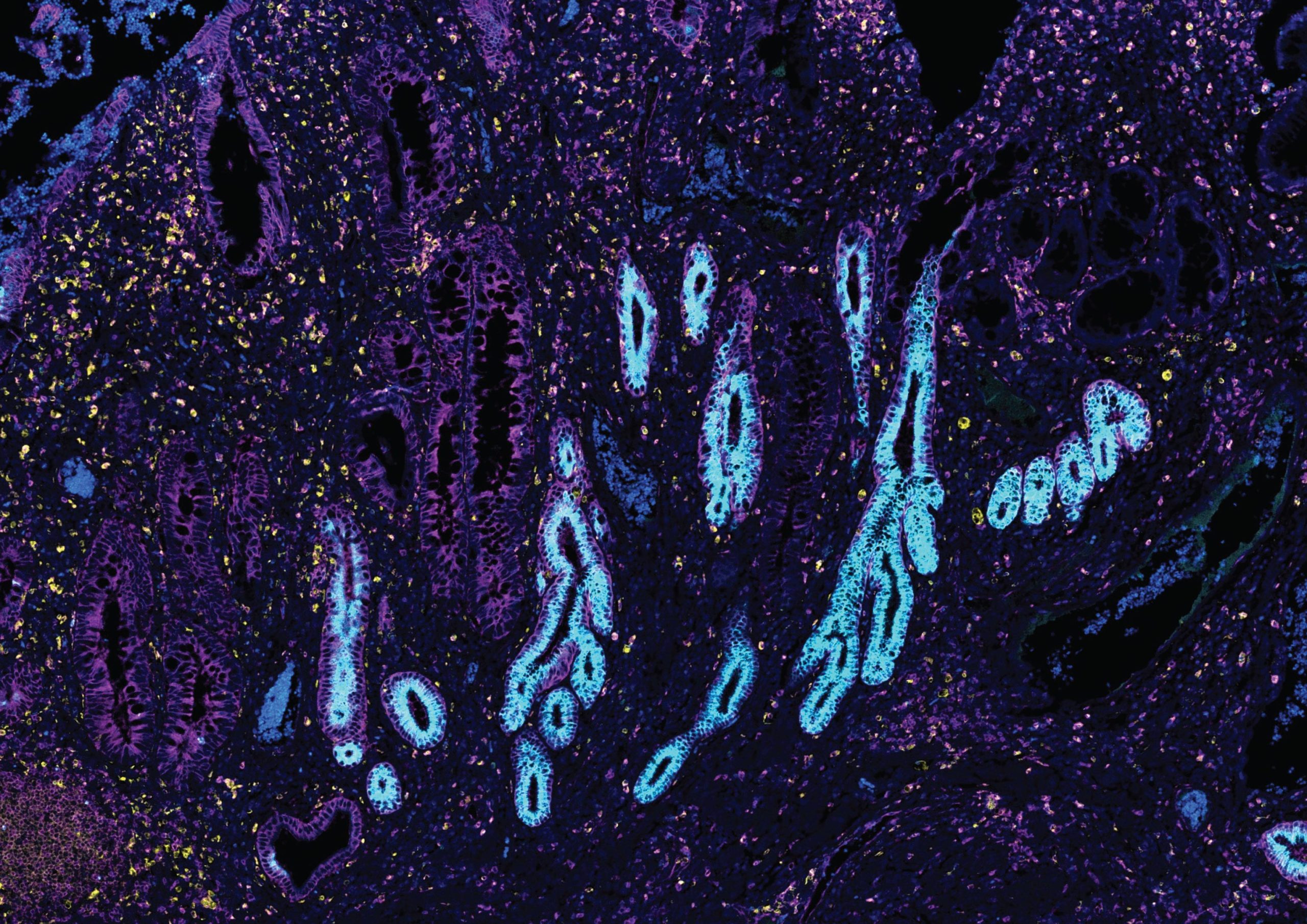
A new gut cell atlas, comprising data from 1.6 million cells, offers unprecedented insights into gastrointestinal health and disease.
A research team led by the Wellcome Sanger Institute has created the most comprehensive cell map of the human gut to date by combining spatial and single-cell data from 1.6 million cells.
This atlas provides unprecedented insights into conditions such as bowel cancer and Inflammatory Bowel Disease (IBD). Using this resource, the team uncovered a new role of a specific gut cell, highlighting its contributions to a cycle of inflammation that may cause pain and distress in some individuals.
A new study published in Nature details how the team harmonized over 25 single-cell datasets of the human gastrointestinal (GI) tract to create the world’s largest freely available resource on the human gut to date. This includes samples from both those with and without health conditions.
Impact on Health and Disease Research
By gaining a more comprehensive understanding of the human gut in both health and disease, researchers can identify key changes or differences linked to conditions such as ulcerative colitis and Crohn’s disease. This insight may lead to new potential targets for drug development.
This paper is part of a collection of over 40 HCA publications in Nature Portfolio journals that represent a milestone leap in our understanding of the human body. These complementary studies have shed light on central aspects of human development and health and disease biology and led to the development of vital analytical tools and technologies, all of which will contribute to the creation of the Human Cell Atlas.[1]
Global Incidence and Impact of GI Conditions
The GI tract is the general name for a group of organs involved in the digestive system that work together to absorb nutrients from our food and act as a barrier against pathogens. It starts at the mouth and includes the throat, esophagus, stomach, small intestine, large intestine, rectum, and anus.
GI tract conditions impact millions of lives around the world. For example, ulcerative colitis and Crohn’s disease, which are both types of IBD, affect over seven million people worldwide,[2] with one in every 123 people in the UK living with IBD.[3] IBD symptoms can vary between people and have a huge impact on a person’s life. These include abdominal pain, diarrhea, rectal bleeding, extreme fatigue, and joint problems.[4]
Bowel cancer, also known as colorectal cancer, starts in the large intestine and is the fourth most common cancer in the UK, with almost 43,000 people diagnosed every year.[5] Globally, there are around two million cases,[6] and it is estimated that one in 17 men and one in 20 women will be diagnosed with bowel cancer during their lifetime.[5]
Advances in Cellular Research Tools
Due to the impact of these conditions, there have been multiple single-cell studies investigating the cellular structure of the GI tract in health and disease. These studies have separate processes and labeling systems, which can create difficulties when external researchers attempt to use them.
In this latest study, researchers from the Wellcome Sanger Institute and collaborators developed a new tool to harmonize these data, creating a standardized resource of gut cells that is available to researchers worldwide. This tool could also be applied to other organs and help facilitate further studies.
The team merged 25 datasets, resulting in an atlas of 1.6 million cells containing both single-cell and spatial data, allowing researchers to see what cells were present, where they were located, and how they communicated with the environment around them. The atlas was created with data from tissue samples from those without GI issues, as well as those with gastric and colorectal cancers, celiac disease, ulcerative colitis, and Crohn’s disease.
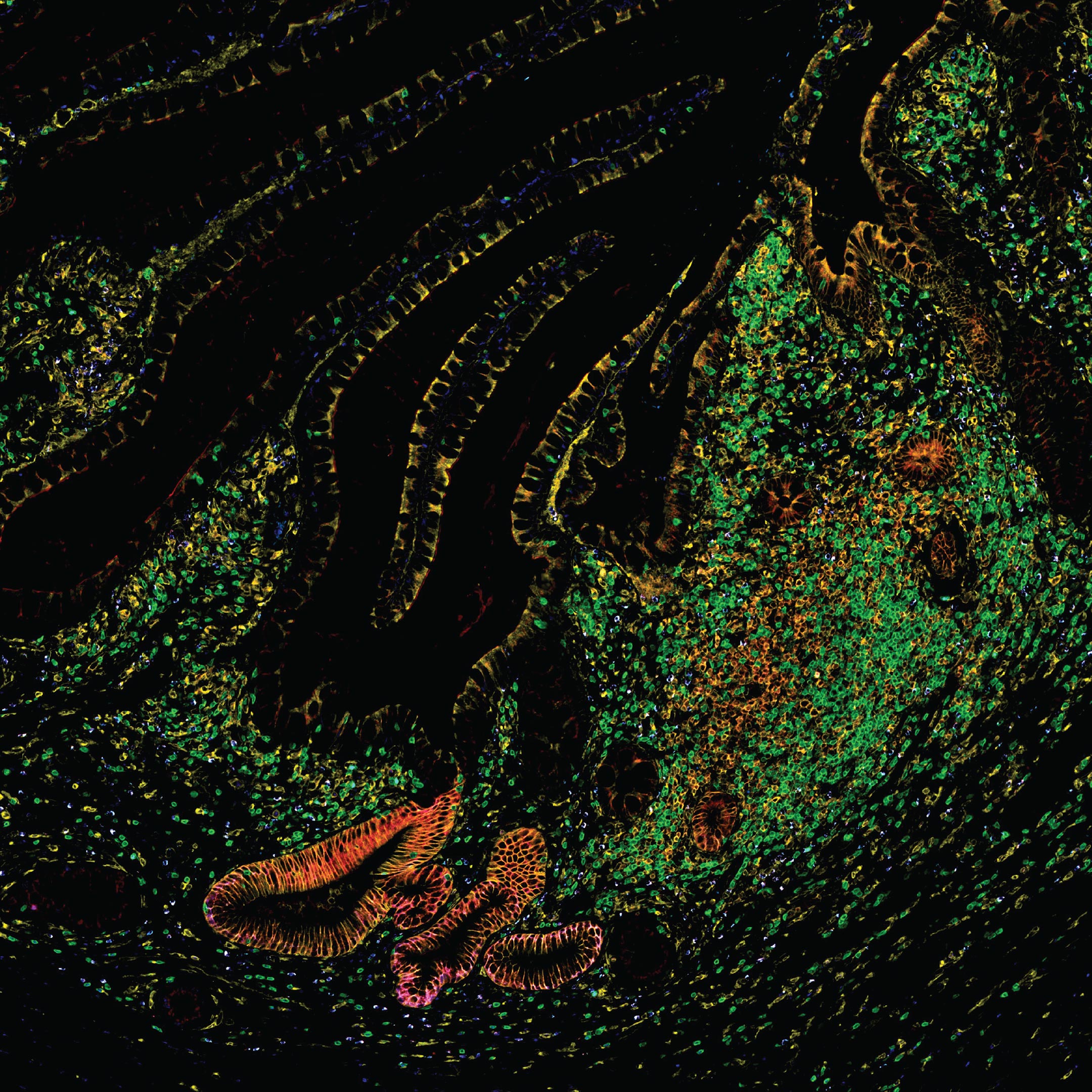
Role of Gut Metaplastic Cells in Inflammation
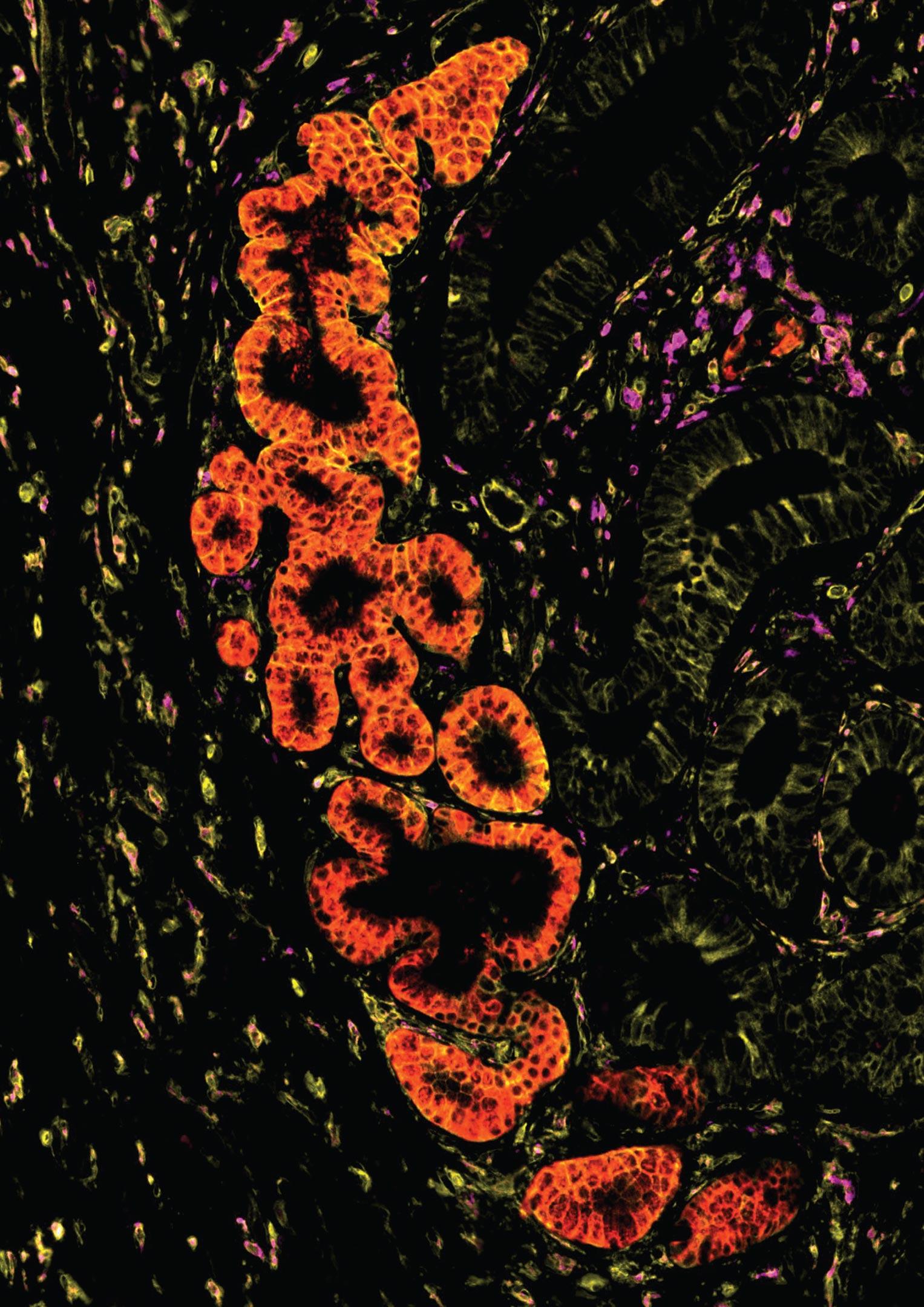
The team also identified a type of gut cell that may have a role in inflammation. The cells, known as gut metaplastic cells, are known to be involved in healing the stomach lining. However, the team discovered that these cells contained genetic similarities to other GI cells involved in inflammation. They suggest that inflammation in IBD leads to changes in these metaplastic cells, which actively contributes to further inflammatory responses.
By understanding more about this cycle of inflammation, it might be possible to find new ways to prevent or treat this in IBD and possibly apply this knowledge to other tissues and conditions.
Conclusion and Future Prospects
The Gut Cell Atlas is freely available, and the team has developed new processes to allow future studies to be added, creating an evolving, accessible resource for scientists.
Dr. Amanda Oliver, first author from the Wellcome Sanger Institute, said: “Spatial and single-cell data provide unique information about how gut cells interact, that can be used to continue piecing together an in-depth understanding of how the human body works. Combining existing single-cell datasets allows us to create a more complete picture of the human gut and ensures that researchers can work together to continue to benefit human health. Our Gut Cell Atlas is also harmonized and freely available, and we hope that people will continue to build on this, adding in data for scientists worldwide to use.”
Dr. Rasa Elmentaite, co-senior author previously at the Wellcome Sanger Institute and currently at Ensocell Therapeutics, said: “As the integrated atlas contains such a large amount of data, from people with and without gut conditions, we were able to uncover a pathogenic cell type that may play a role in some chronic conditions and could be a target for intervention in the future. This demonstrates the power of using integrated single-cell atlases in research, and I am confident that applying this approach to other tissues and organs will drive new therapeutic discoveries for a range of conditions.”
Professor Sarah Teichmann, co-senior author and co-founder of the Human Cell Atlas, previously at the Wellcome Sanger Institute and now at the Cambridge Stem Cell Institute at the University of Cambridge, said: “A detailed understanding of cells through the Human Cell Atlas will help explain many aspects of human health and disease and possibly illuminate new avenues for treatment. This harmonized Gut Cell Atlas shows what can be achieved through open collaboration with scientists worldwide, and has led to an accessible combined resource that can be used by everyone to find new ways to understand and treat disease.”
Notes
- The HCA is an international collaborative consortium whose mission is to create comprehensive reference maps of all human cells—the fundamental units of life—as a basis for understanding human health and for diagnosing, monitoring, and treating disease. The HCA community is producing high-quality Atlases of tissues, organs, and systems, to create a milestone Atlas of the human body. More than 3,500 HCA members from over 100 countries are working together to achieve a diverse and accessible Atlas to benefit humanity across the world. Discoveries are already informing medical applications from diagnoses to drug discovery, and the Human Cell Atlas will impact every aspect of biology and healthcare, ultimately leading to a new era of precision medicine. https://www.humancellatlas.org
- “Global burden of inflammatory bowel disease” by Vipul Jairath and Brian G Feagan, 21 October 2019, The Lancet Gastroenterology & Hepatology.
DOI: 10.1016/S2468-1253(19)30358-9 - New research shows over 1 in 123 people in UK living with Crohn’s or Colitis. (2022) Crohn’s & Colitis UK, available at: https://crohnsandcolitis.org.uk/news-stories/news-items/new-research-shows-over-1-in-123-people-in-uk-living-with-crohn-s-or-colitis [Accessed July 2024]
- Symptoms, Crohn’s & Colitis UK, available at: https://crohnsandcolitis.org.uk/info-support/information-about-crohns-and-colitis/all-information-about-crohns-and-colitis/symptoms?parent=23151&page=1&tags=&category=23151&sort=newest
- Bowel cancer. (reviewed June 2024) Bowel Cancer UK, available at: https://www.bowelcanceruk.org.uk/about-bowel-cancer/bowel-cancer/ [Accessed November 2024]
- Reference: “Global burden of colorectal cancer in 2020 and 2040: incidence and mortality estimates from GLOBOCAN” by Eileen Morgan, Melina Arnold, A Gini, V Lorenzoni, C J Cabasag, Mathieu Laversanne, Jerome Vignat, Jacques Ferlay, Neil Murphy and Freddie Bray, 1 February 2023, Gut.
DOI: 10.1136/gutjnl-2022-327736
Reference: “Single-cell integration reveals metaplasia in inflammatory gut diseases” by Amanda J. Oliver, Ni Huang, Raquel Bartolome-Casado, Ruoyan Li, Simon Koplev, Hogne R. Nilsen, Madelyn Moy, Batuhan Cakir, Krzysztof Polanski, Victoria Gudiño, Elisa Melón-Ardanaz, Dinithi Sumanaweera, Daniel Dimitrov, Lisa Marie Milchsack, Michael E. B. FitzPatrick, Nicholas M. Provine, Jacqueline M. Boccacino, Emma Dann, Alexander V. Predeus, Ken To, Martin Prete, Jonathan A. Chapman, Andrea C. Masi, Emily Stephenson, Justin Engelbert, Sebastian Lobentanzer, Shani Perera, Laura Richardson, Rakeshlal Kapuge, Anna Wilbrey-Clark, Claudia I. Semprich, Sophie Ellams, Catherine Tudor, Philomeena Joseph, Alba Garrido-Trigo, Ana M. Corraliza, Thomas R. W. Oliver, C. Elizabeth Hook, Kylie R. James, Krishnaa T. Mahbubani, Kourosh Saeb-Parsy, Matthias Zilbauer, Julio Saez-Rodriguez, Marte Lie Høivik, Espen S. Bækkevold, Christopher J. Stewart, Janet E. Berrington, Kerstin B. Meyer, Paul Klenerman, Azucena Salas, Muzlifah Haniffa, Frode L. Jahnsen, Rasa Elmentaite and Sarah A. Teichmann, 20 November 2024, Nature.
DOI: 10.1038/s41586-024-07571-1
This research was part-funded by Wellcome; a full acknowledgment list can be found in the publication.
Never miss a breakthrough: Join the SciTechDaily newsletter.
Follow us on Google and Google News.