
Close Menu
    Facebook X (Twitter) Instagram
    SciTechDaily
    • Biology
    • Chemistry
    • Earth
    • Health
    • Physics
    • Science
    • Space
    • Technology
    Facebook X (Twitter) Pinterest YouTube RSS
    SciTechDaily
    Home»Science»Manipulated and Utilized: The Tale of Ancient Human Remains in Spanish Caves
    Science

    Manipulated and Utilized: The Tale of Ancient Human Remains in Spanish Caves

    By PLOSOctober 5, 2023No Comments3 Mins Read
    Facebook Twitter Pinterest Telegram LinkedIn WhatsApp Email Reddit
    Share
    Facebook Twitter LinkedIn Pinterest Telegram Email Reddit
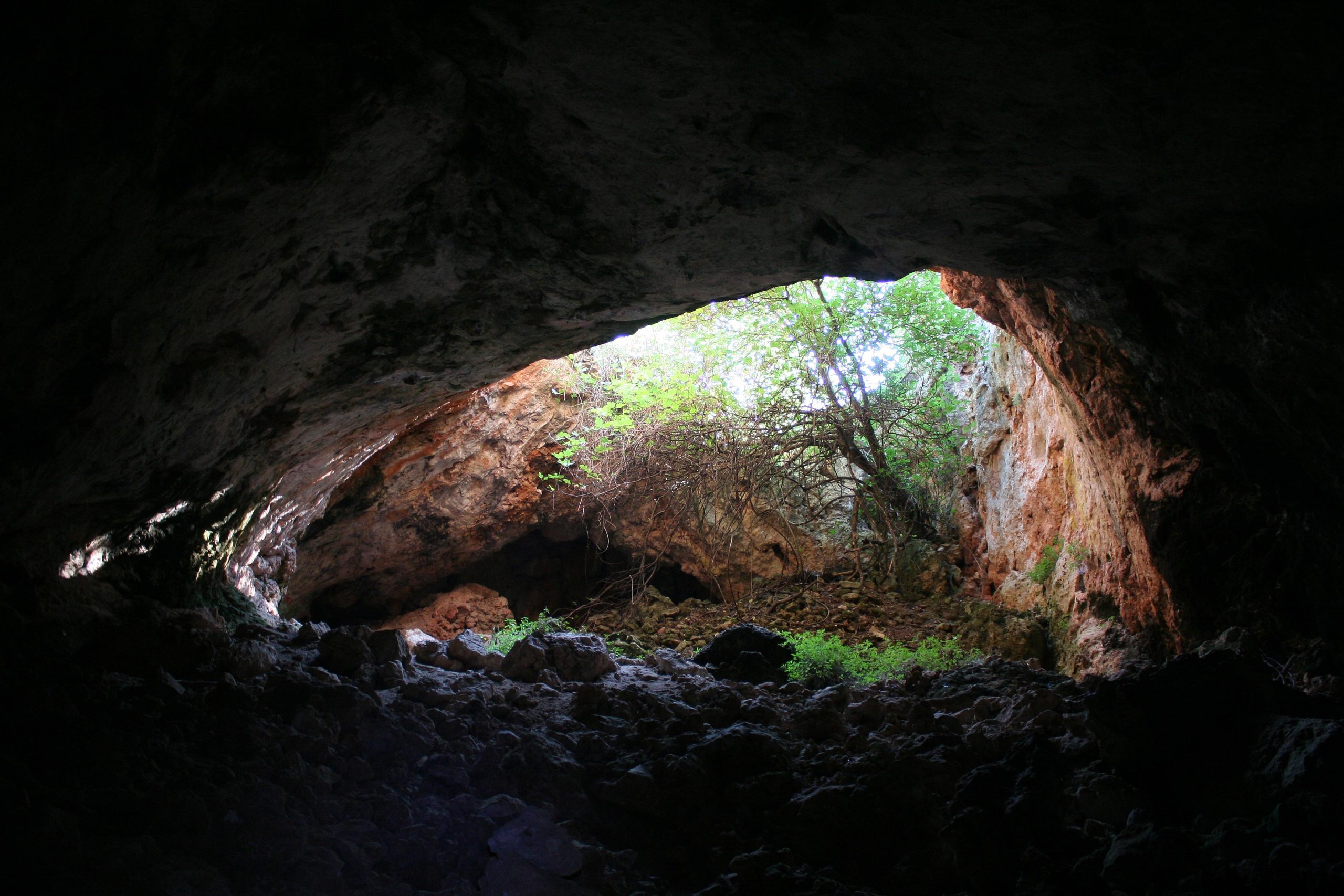
    Marmoles Cave Entrance
    View of the Marmoles cave entrance from inside. New research from the University of Bern and Universidad de Córdoba reveals that historical caves on the Iberian Peninsula were burial sites where human remains were intentionally modified for practical and possibly symbolic purposes. Credit: J.C. Vera Rodríguez, CC-BY 4.0

    Findings add to a pattern of human burial and modification in the Iberian Peninsula.

    Caves served as sites for burial and later modification of human remains for thousands of years in the Iberian Peninsula, according to a study published on September 20, 2023, in the open-access journal PLOS ONE by Zita Laffranchi and Marco Milella of the University of Bern, Switzerland, and Rafael Martinez Sanchez, Universidad de Córdoba, Spain, and colleagues.

    Burial Practices and Bone Alterations

    The use of caves as burial sites is a cultural phenomenon with a broad distribution in both space and time. In the southern Iberian Peninsula, this practice became particularly common starting around the 4th millennium BCE. Also common in the archaeological sites of this region is evidence of manipulation of buried human remains, although the cultural meaning behind this is largely unclear. In this study, researchers examine altered human remains from a cave, Cueva de los Marmoles, in southern Spain.
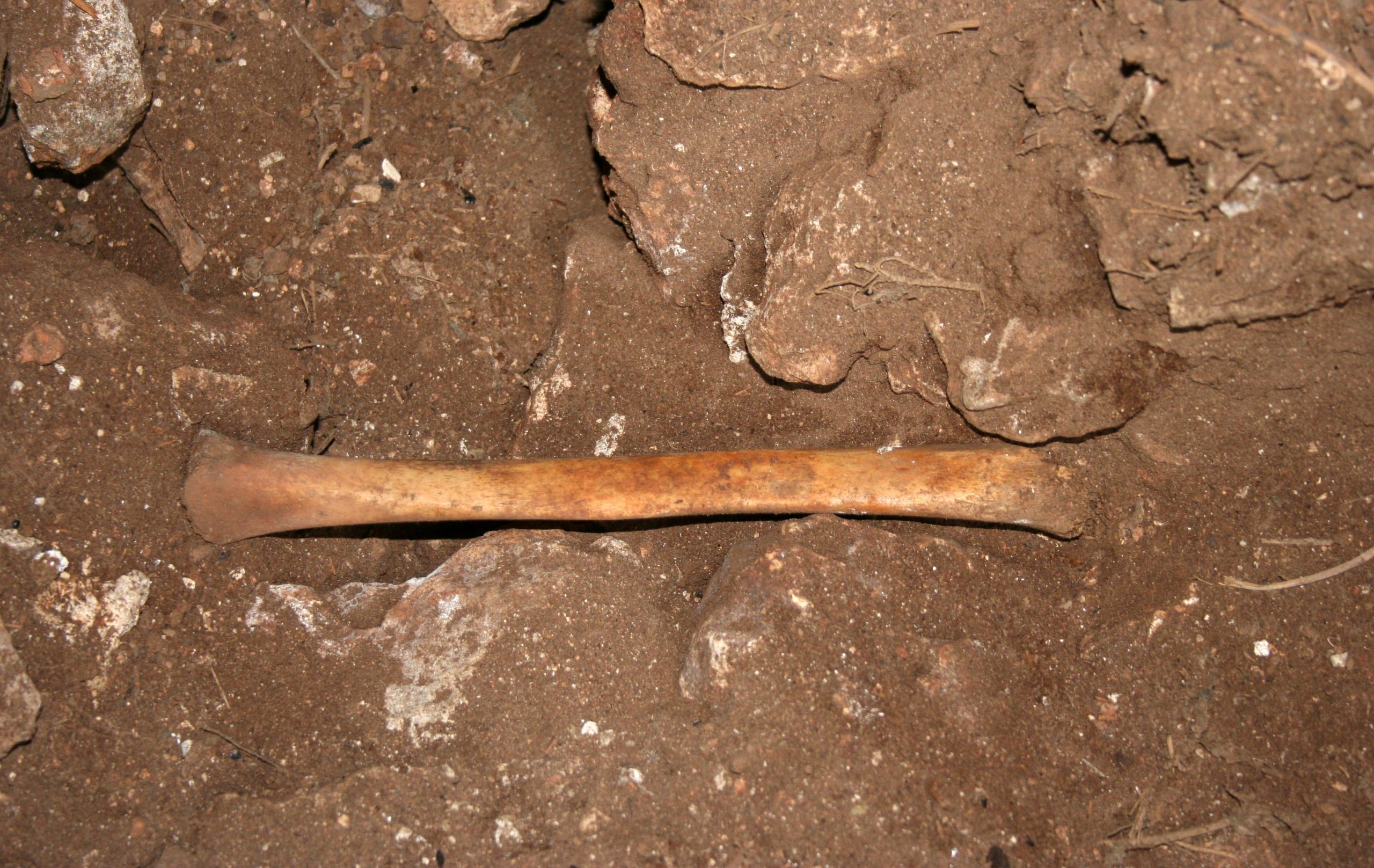
    Reutilization of Human Remains at Marmoles Cave
    Human bone on surface, inside the cave. Credit: J.C. Vera Rodríguez, CC-BY 4.0

    The researchers assessed numerous skeletal remains belonging to at least 12 individuals. Radiocarbon dating identified burials dating from the 5th to the 2nd millennium BCE. The team also documented intentional post-mortem modifications to the bones, including fractures and scrapes that might have resulted from efforts to extract marrow and other tissues. Included among these remains were one tibia that appears to have been modified for use as a tool, and one cranium “skull cup” that might have similarly been modified for some dietary or practical use.

    Interpretations and Future Insights

    These results are consistent with other cave sites in the southern Iberian Peninsula, representing a widespread practice of buried human remains being later modified and utilized for food and tools. The authors suggest there could also be further symbolic purposes of these modifications which might become more clear with further study.

    The authors add: “Neolithic human remains from Marmoles Cave suggest complex funerary behaviors in Andalusia during Prehistory.”

    For more on this research, see Neolithic Bone Modifications Indicate the Ritual Use of Human Remains.

    Reference: “As above, so below: Deposition, modification, and reutilization of human remains at Marmoles cave (Cueva de los Marmoles: Southern Spain, 4000–1000 cal. BCE)” by Zita Laffranchi, Marco Milella, Juan Carlos Vera Rodríguez, María José Martínez Fernández, María Dolores Bretones García, Sylvia Alejandra Jiménez Brobeil, Julia Brünig, Inmaculada López Flores, Juan Antonio Cámara Serrano and Rafael M. Martínez Sánchez, 20 September 2023, PLOS ONE.
    DOI: 10.1371/journal.pone.0291152

    Funding: RMMS and JACS received the financial support of the Consejería de Universidad, Investigación e Innovación de la Junta de Andalucía en el marco del Programa Operativo FEDER Andalucía 2014-2020. Grant number: A-HUM-460-UGR18. Title of the project: Arqueobiología del Neolítico del Sur de la Península Ibérica – NeArqBioSI. The funders had no role in study design, data collection and analysis, decision to publish, or preparation of the manuscript. JACS received the financial support of the Consejería de Universidad, Investigación e Innovación de la Junta de Andalucía. Grant number: Proy_Exc00002. Title of the project: Dinámicas de continuidad y transformación entre el Neolítico y el Calcolítico en el Alto Guadalquivir (DINAGUA). The funders had no role in study design, data collection and analysis, decision to publish, or preparation of the manuscript.

    Never miss a breakthrough: Join the SciTechDaily newsletter.
    Follow us on Google and Google News.

    Anthropology Archaeology Bones PLOS
    Share. Facebook Twitter Pinterest LinkedIn Email Reddit

    Related Articles

    Over 57,000 Years Old – Scientists Discover Oldest Known Neanderthal Cave Engravings

    Uncovering the Past of Ancient Puerto Rico: New Study Challenges Simplistic Assumptions

    Uncovering the Secrets of an Ancient Stone Monument: New Findings From an Archaeological Site in Saudi Arabia

    Ancient Roman Gold Coins – Long Thought To Be Fakes – Now Authenticated

    Before Stonehenge Monuments, Hunter-Gatherers Made Use of Open Woodland Habitats

    Archaeologists Discover That Ancient Islamic Tombs Cluster Like Galaxies

    Indiscriminate Killing Revealed in Genetic Analysis of Ancient Massacre

    Deformed Skulls Discovered in an Ancient Cemetery Reveal a Remarkably Diverse Community

    Neandertals Dove Underwater to Collect Clam Shells to Use as Tools

    Leave A Reply Cancel Reply

    • Facebook
    • Twitter
    • Pinterest
    • YouTube

    Don't Miss a Discovery

    Subscribe for the Latest in Science & Tech!

    Trending News

    Collapsing Plasma May Hold the Key to Cosmic Magnetism

    This Breakthrough Solar Panel Generates Power From Both Sunlight and Raindrops

    Scientists Uncover New Metabolic Effects Beyond Weight Loss of Mounjaro

    Scientists Discover Cancer Tumors Are “Addicted” to This Common Antioxidant

    1,800 Miles Down: Scientists Uncover Mysterious Movements at the Edge of Earth’s Core

    Scientists Discover Hidden “Good Fats” in Green Rice That Could Transform Nutrition

    Your Child’s Clothes Could Contain Toxic Lead, Study Finds

    Researchers Break a 150-Year-Old Math Law With a Surprising Donut Discovery

    Follow SciTechDaily
    • Facebook
    • Twitter
    • YouTube
    • Pinterest
    • Newsletter
    • RSS
    SciTech News
    • Biology News
    • Chemistry News
    • Earth News
    • Health News
    • Physics News
    • Science News
    • Space News
    • Technology News
    Recent Posts
    • Natural Oils vs. Antibiotics: The Swine Study That Could Change Farming
    • The Biggest Volcanic Event in Earth’s History Transformed an Entire Oceanic Plate
    • Scientists Warn: Humanity Has Pushed the Planet Past Its Limits
    • Stronger Flu Shot Linked to Nearly 55% Lower Alzheimer’s Risk, Study Finds
    • Researchers Say That Eating Mango With Avocado Offers Surprising Heart Benefits
    Copyright © 1998 - 2026 SciTechDaily. All Rights Reserved.
    • Science News
    • About
    • Contact
    • Editorial Board
    • Privacy Policy
    • Terms of Use

    Type above and press Enter to search. Press Esc to cancel.