
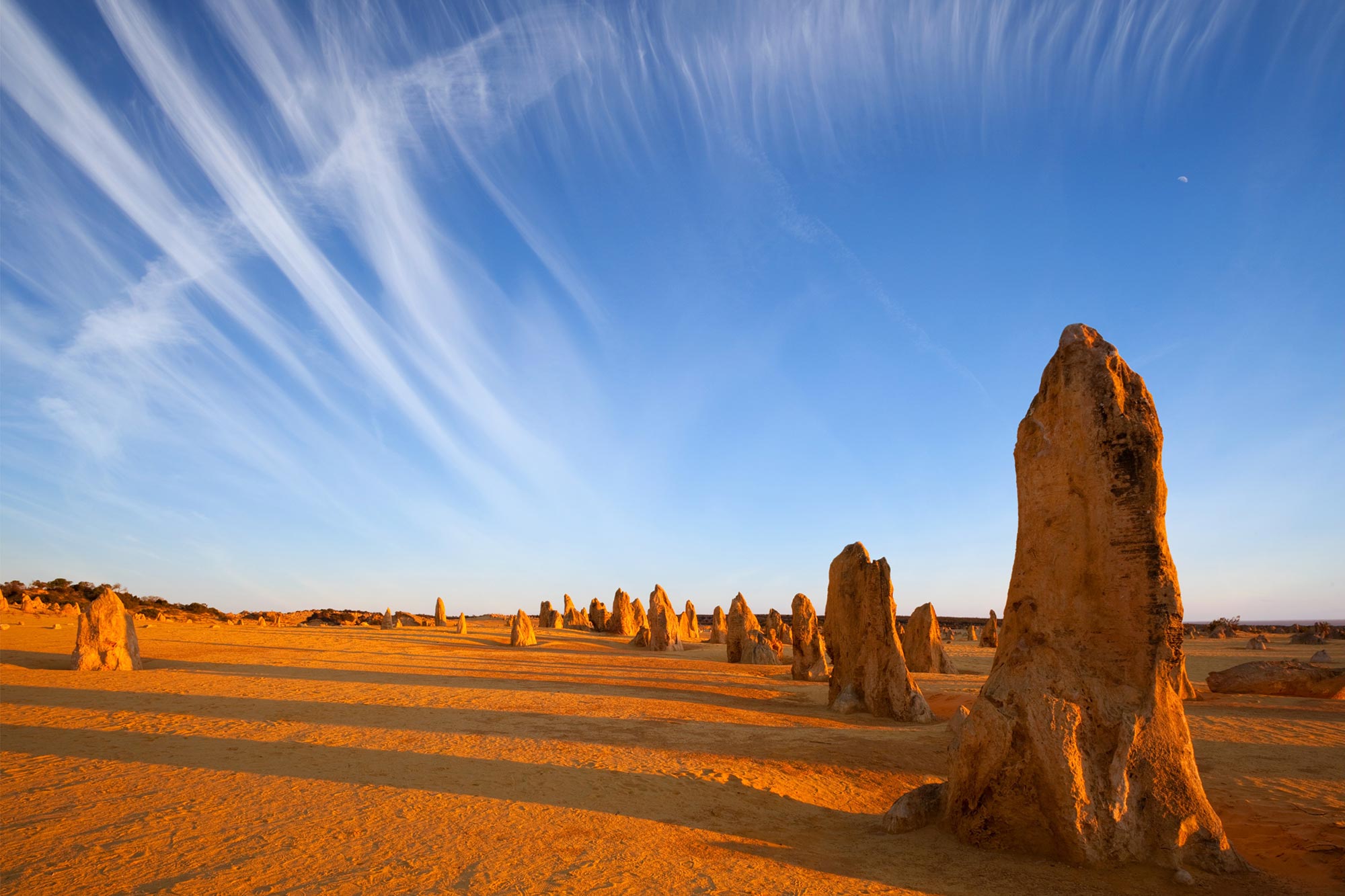
A study on Western Australia’s Pinnacles has uncovered formations dating back 100,000 years, offering new perspectives on Earth’s climate history.
By analyzing iron-rich nodules, scientists have documented the wettest period in the region, contrasting sharply with its current dry conditions, which aids in broader climatic predictions.
Small iron-rich formations found within the Pinnacles of Western Australia, which are part of the world’s largest wind-blown limestone belt spanning more than 1000 km (~600 miles), have provided fresh insights into Earth’s ancient climate and changing landscape.
The new research found that the Pinnacles formed about 100,000 years ago during what was the area’s wettest period in the past half-million years. This is a stark contrast to the Mediterranean climate currently seen in Western Australia.
Insights From the Nambung National Park
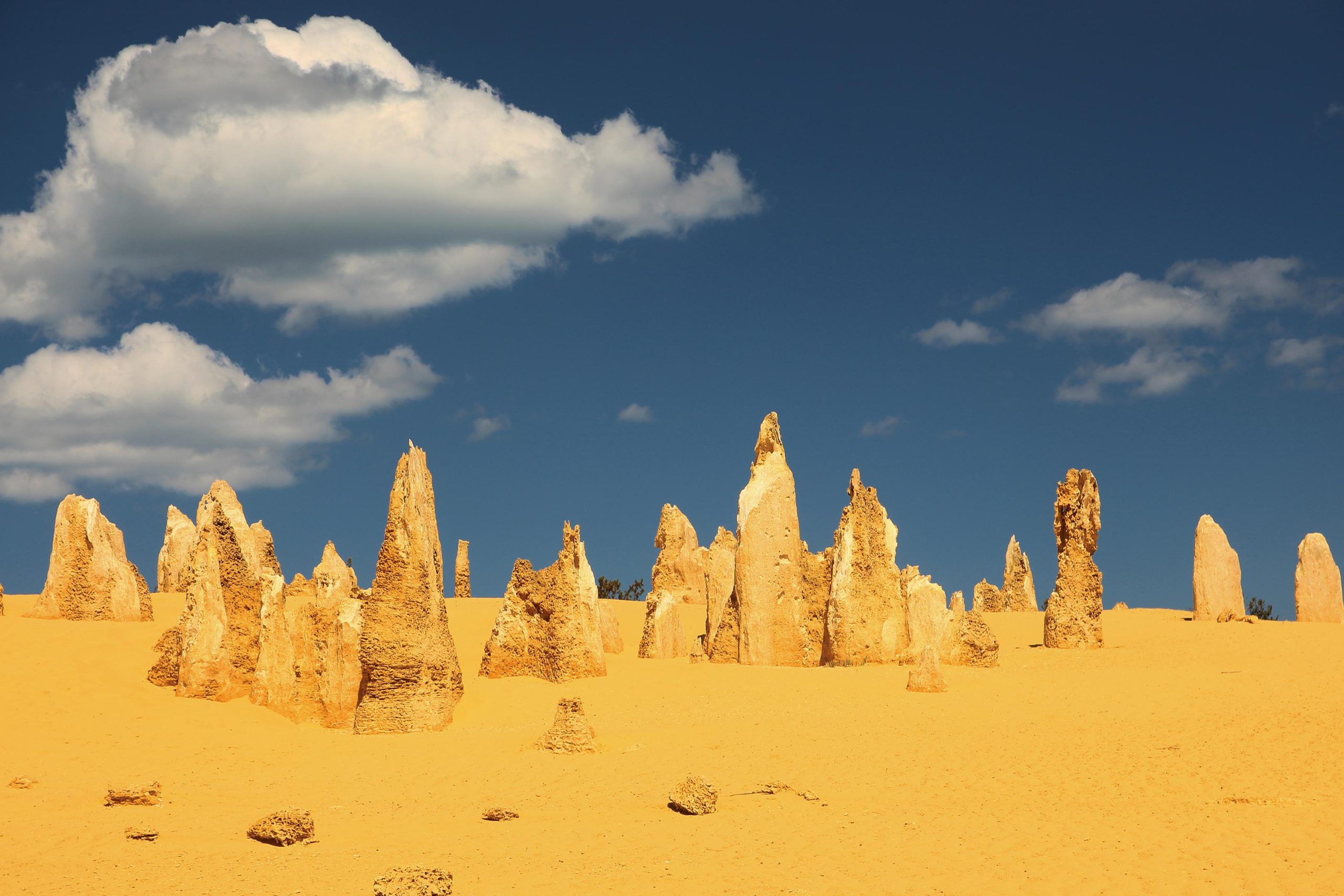
Lead author Dr. Matej Lipar, Adjunct Research Fellow in Curtin’s School of Earth and Planetary Sciences, now at the Research Centre of the Slovenian Academy of Sciences and Arts (ZRC SAZU), said the spectacular finger-like stone pinnacles at Nambung National Park are a type of karst created by water dissolving rocks.
“These formations offer crucial insights into ancient climates and environments, but accurately dating them has been extremely challenging until now,” Dr. Lipar said.
“Karst landscapes, like those in Nambung National Park, are found globally and serve as sensitive indicators of environmental change. Studying them within an accurate timeline helps us understand how Earth’s geological systems respond to climate shifts.
Advanced Dating Techniques Unveil Climate History
“We found this period was locally the wettest in the past half-million years, distinct from other regions in Australia and far removed from Western Australia’s current Mediterranean climate.
“An abundance of water during this time caused the limestone to dissolve, forming the distinctive pillars of the Pinnacles and creating the ideal environment for the iron nodules to develop.”
Curtin co-author Associate Professor Martin Danišík, from the John de Laeter Centre, said the iron-rich nodules acted as geological clocks, trapping helium from the consistent radioactive decay of tiny quantities of naturally occurring uranium and thorium.
“Measuring this helium provides a precise record of when the nodules formed,” Dr. Danišík said.
“The innovative dating techniques developed in this study reveal the nodules date back about one hundred thousand years, highlighting an exceptionally wet climate period.”
Implications for Understanding Past and Future Climates
Study co-author Associate Professor Milo Barham, from Curtin’s Timescales of Mineral Systems Group in the School of Earth and Planetary Sciences, said being able to reconstruct past climate changes was important given the context it provides to understanding human evolution and ecosystems more broadly amid dramatic climate fluctuations over the past three million years.
“This new knowledge will enhance our understanding of global environments and ecosystems, helping us prepare for, and mitigate the impacts of, a warming planet,” Dr. Barham said.
“This research not only advances scientific knowledge but also offers practical insights into climate history and environmental change, relevant to anyone concerned about our planet’s present and future.”
Reference: “Ironing out complexities in karst chronology: (U-Th)/He ferricrete ages reveal wet MIS 5c” by Matej Lipar, Milo Barham, Martin Danišík, Andrej Šmuc, John A. Webb, Kenneth J. McNamara, Aleš Šoster and Mateja Ferk, 2 October 2024, Science Advances.
DOI: 10.1126/sciadv.adp0414
An international collaboration with ZRC SAZU, the research project was supported by the Slovenian Research and Innovation Agency.
Never miss a breakthrough: Join the SciTechDaily newsletter.
Follow us on Google and Google News.