
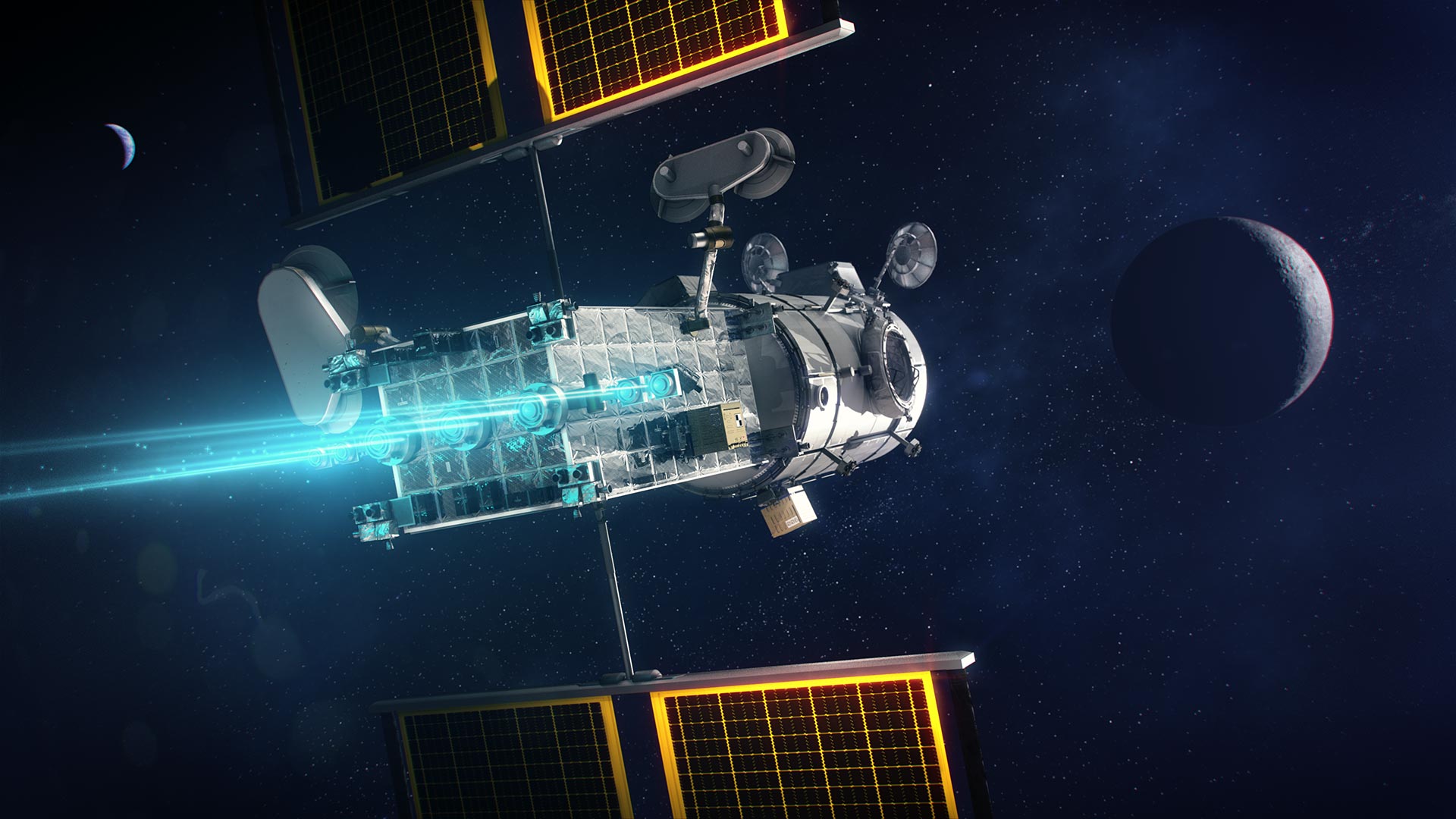
NASA’s Artemis campaign is taking shape as the Power and Propulsion Element for the Gateway lunar space station is assembled.
This groundbreaking module will power human presence in lunar orbit, paving the way for deep-space exploration. With Artemis IV astronauts set to be the first to call Gateway home, the mission will unlock unprecedented opportunities for science, lunar exploration, and future journeys to Mars.
Powering the Lunar Space Station
Work is underway to assemble Gateway’s Power and Propulsion Element, the module that will provide energy and propulsion for NASA’s lunar space station as it travels to and around the Moon as part of the Artemis program.
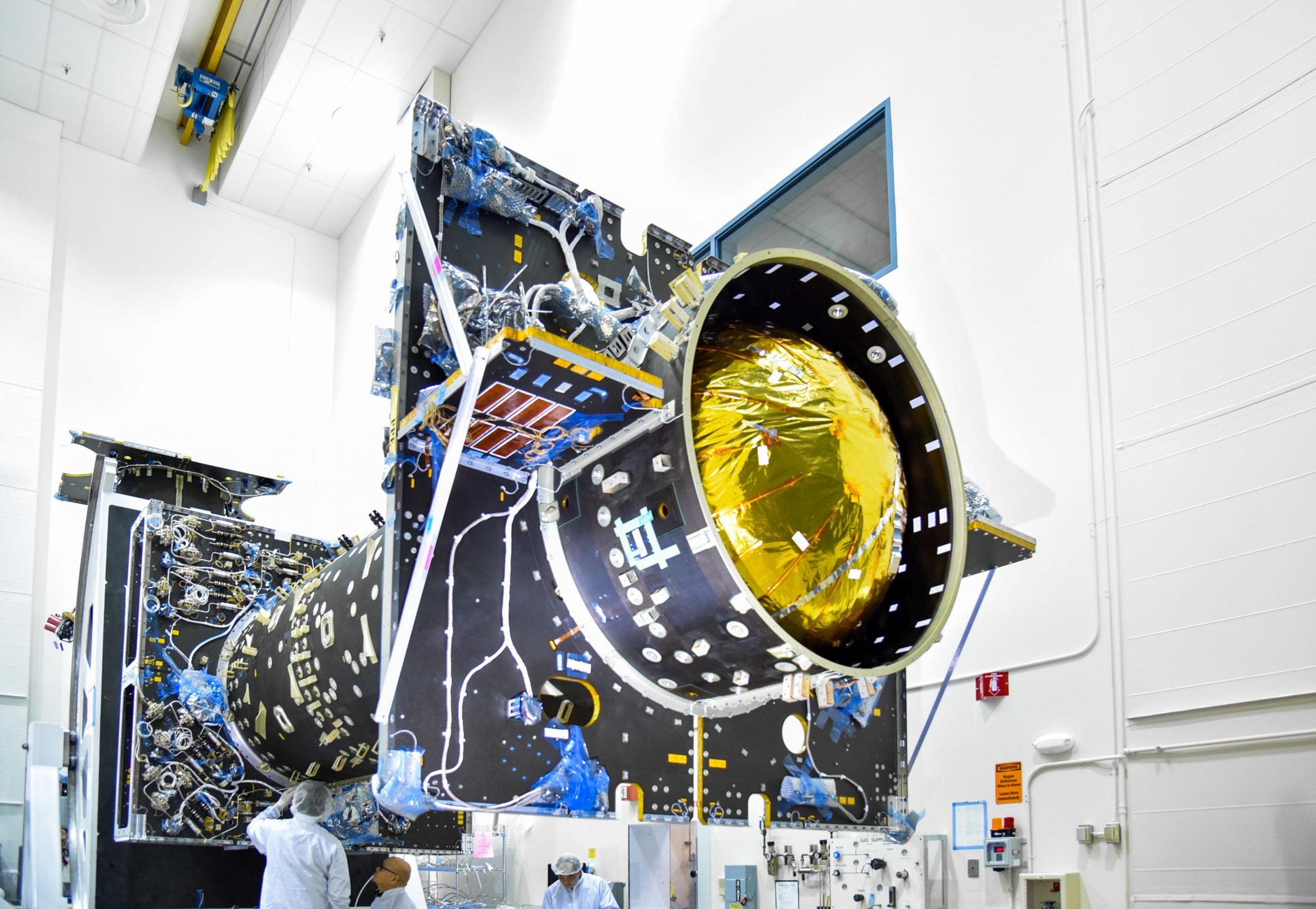
The first astronauts to live aboard the Gateway lunar space station will arrive during NASA’s Artemis IV mission, marking a major step toward long-term lunar exploration and future missions to Mars. Built by Maxar Space Systems, the Power and Propulsion Element will make Gateway the most advanced solar electric spacecraft ever flown. Once in lunar orbit, Gateway will support scientific research, enable new exploration opportunities, and help prepare astronauts for deep-space travel, including missions to the Red Planet.
Key Hardware Installations Underway
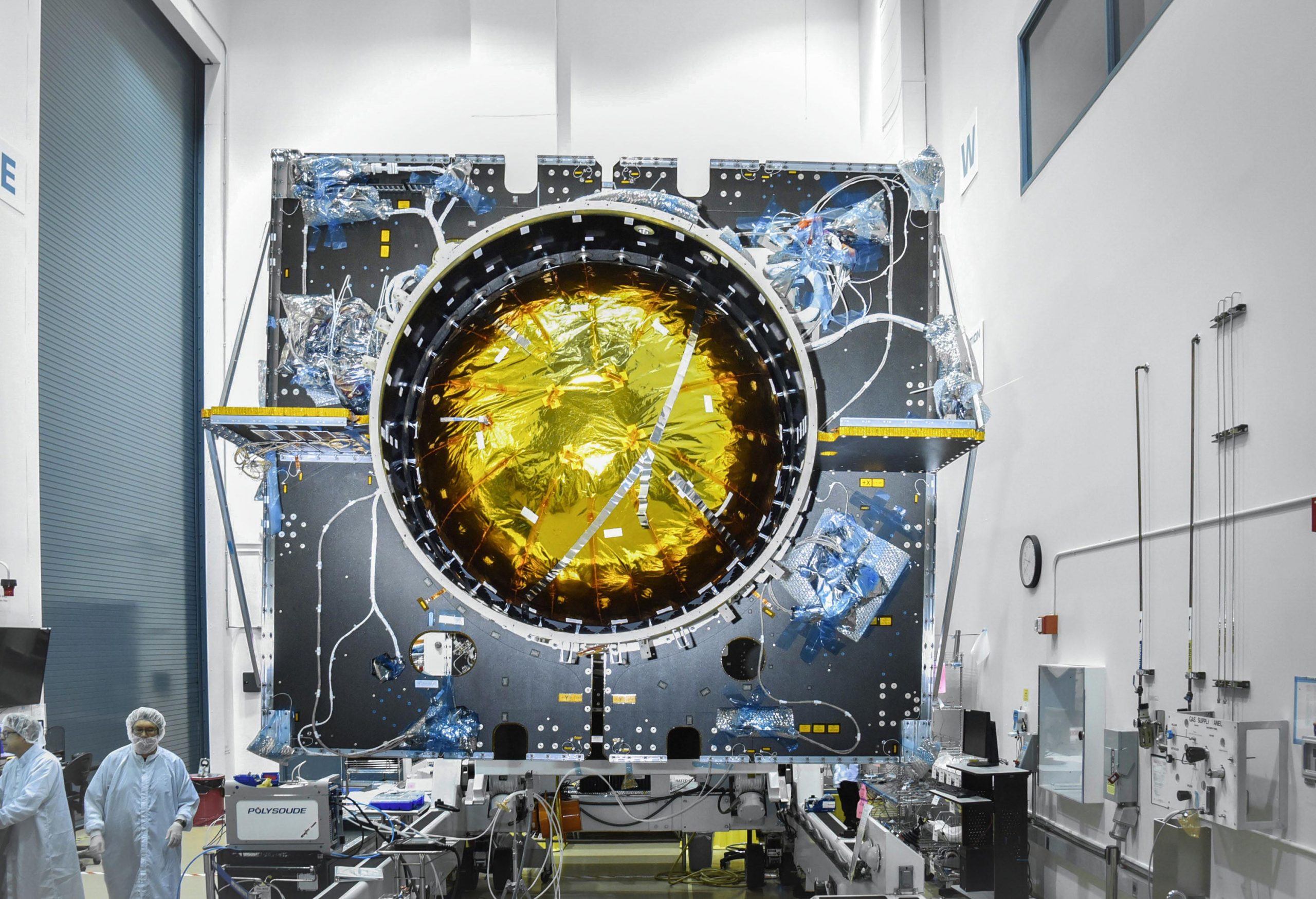
Technicians install key hardware on the element’s Propulsion Bus Module following installation of both electric propulsion and chemical propulsion control modules. The image highlights a propellant tank exposed on the right, positioned within the central cylinder of the element.
The Power and Propulsion Element will launch with Gateway’s HALO (Habitation and Logistics Outpost) ahead of NASA’s Artemis IV mission. During Artemis IV, V, and VI, international crews of astronauts will assemble the lunar space station around the Moon and embark on expeditions to the Moon’s South Pole region.
The Power and Propulsion Element is managed out of NASA’s Glenn Research Center in Cleveland and built by Maxar Space Systems in Palo Alto, California.
Gateway: Humanity’s First Lunar Space Station
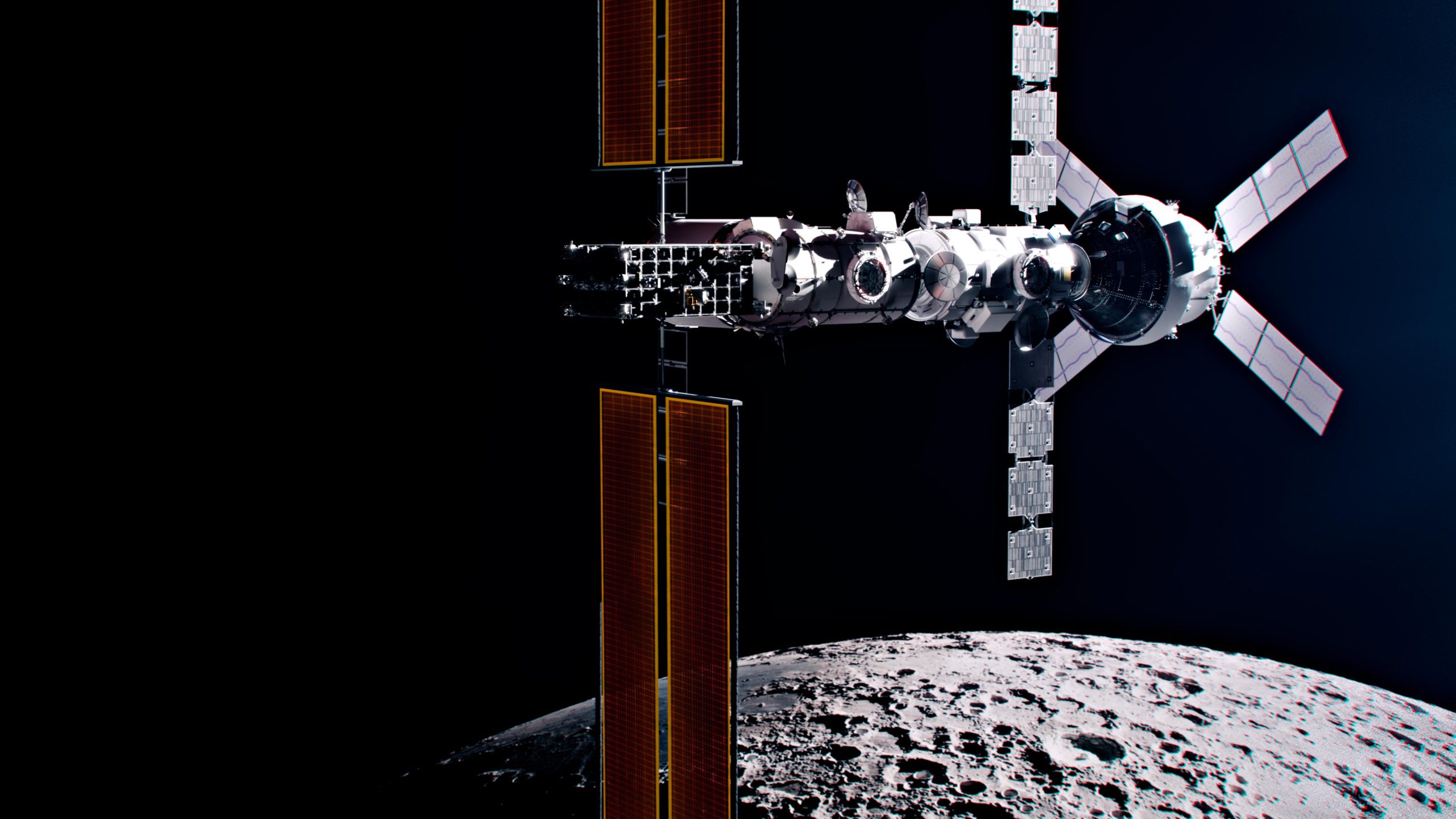
Gateway is an international collaboration to establish humanity’s first lunar space station as a central component of the Artemis architecture designed to return humans to the Moon for scientific discovery and chart a path for the first human missions to Mars.
Never miss a breakthrough: Join the SciTechDaily newsletter.
Follow us on Google and Google News.