
Close Menu
    Facebook X (Twitter) Instagram
    SciTechDaily
    • Biology
    • Chemistry
    • Earth
    • Health
    • Physics
    • Science
    • Space
    • Technology
    Facebook X (Twitter) Pinterest YouTube RSS
    SciTechDaily
    Home»Space»NASA’s Curiosity Mars Rover Faces a Particularly Prickly Power Puzzle
    Space

    NASA’s Curiosity Mars Rover Faces a Particularly Prickly Power Puzzle

    By Alex Innanen, York UniversityJune 27, 2024No Comments4 Mins Read
    Facebook Twitter Pinterest Telegram LinkedIn WhatsApp Email Reddit
    Share
    Facebook Twitter LinkedIn Pinterest Telegram Email Reddit
    Mars Rover Curiosity Sol 4219
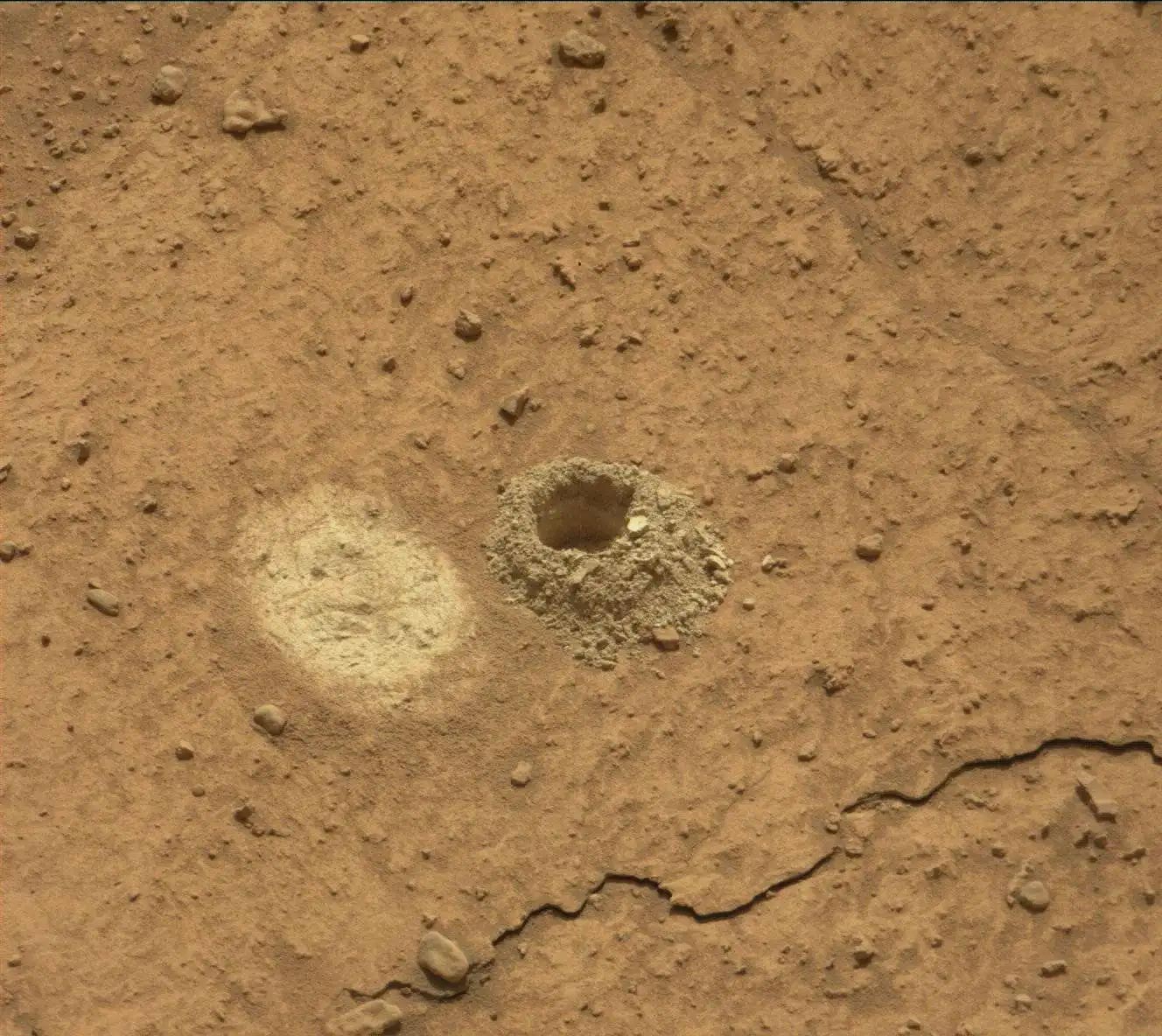
    This image was taken by Mast Camera (Mastcam) onboard NASA’s Mars rover Curiosity on Sol 4219 (2024-06-19 02:22:26 UTC). Credit: NASA/JPL-Caltech/MSSS

    After successfully drilling at “Mammoth Lakes 2,” the Curiosity mission team strategized power use for Mars research, integrating environmental observations and remote sensing into the weekend’s activities.

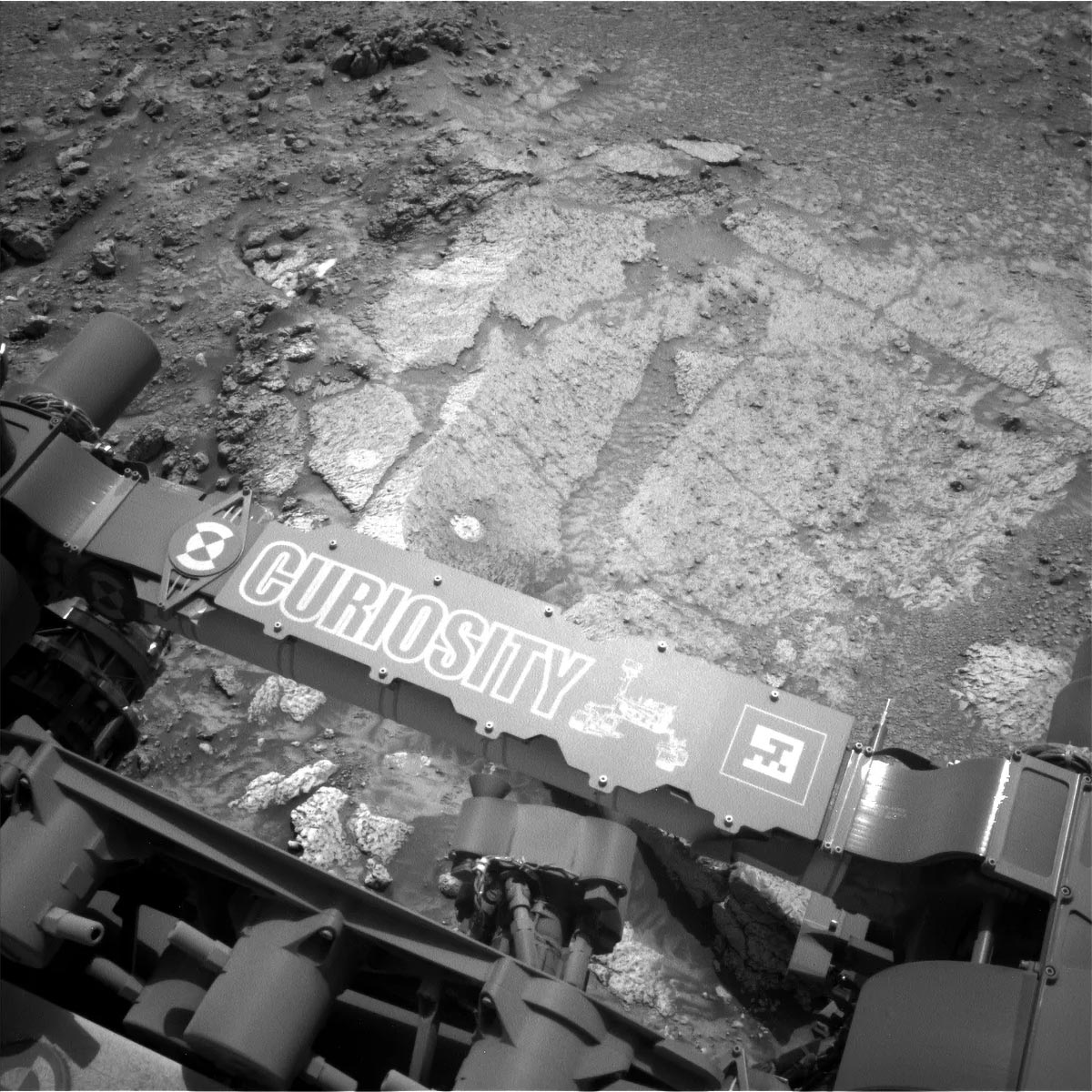
    All our patient waiting has been rewarded, as the NASA Curiosity Mars rover team was greeted with the news that our drill attempt of “Mammoth Lakes 2” was successful! You can see the drill hole in the image above, as well as the first place we attempted just to the left (see image below). The actual drilling is only the beginning – we want to see what it is we’ve drilled. We’re starting that process this weekend by using our laser spectrometer (LIBS) to check out the drill hole before delivering some of the drilled material to CheMin (the Chemistry & Mineralogy X-Ray Diffraction instrument) to do its own investigations.
    Mars Rover Curiosity Sol 4210
    This image was taken by Left Navigation Camera onboard NASA’s Mars rover Curiosity on Sol 4210 and captures the block that hosts our potential drill target, “Mammoth Lakes.” Credit: NASA/JPL-Caltech

    The next step in a drill campaign is usually to continue the analysis with SAM (the Sample Analysis at Mars instrument suite), which tends to be quite power-hungry. As a result, we want to make sure we’re going into the next plan with enough power for that. That meant that even though we’ve got a lot of free time this weekend, with three sols and CheMin taking up only the first overnight, we needed to think carefully about how we used that free time. Sometimes, when the science teams deliver our plans, we’re overly optimistic. At times this optimism is rewarded, and we’re allowed to keep the extra science in the plan. Today we needed to strategize a bit more, and the midday science operations working group meeting (or SOWG, as it’s known) turned into a puzzle session, as we figured out what could move around and what we had to put aside for the time being.

    An unusual feature of this weekend’s plan was a series of short change-detection observations on “Walker Lake” and “Finch Lake,” targets we’ve looked at in past plans to see wind-driven movement of the Martian sand. These were peppered through the three sols of the plan, to see any changes during the course of a single sol. While these are relatively short observations – only a few minutes – we do have to wake the rover to take them, which eats into our power. Luckily, the science team had considered this, and classified the observations as high, middle, or low priority. This made it easy to take out the ones that were less important, to save a bit of power.
    Curiosity Finds Ancient Organic Material
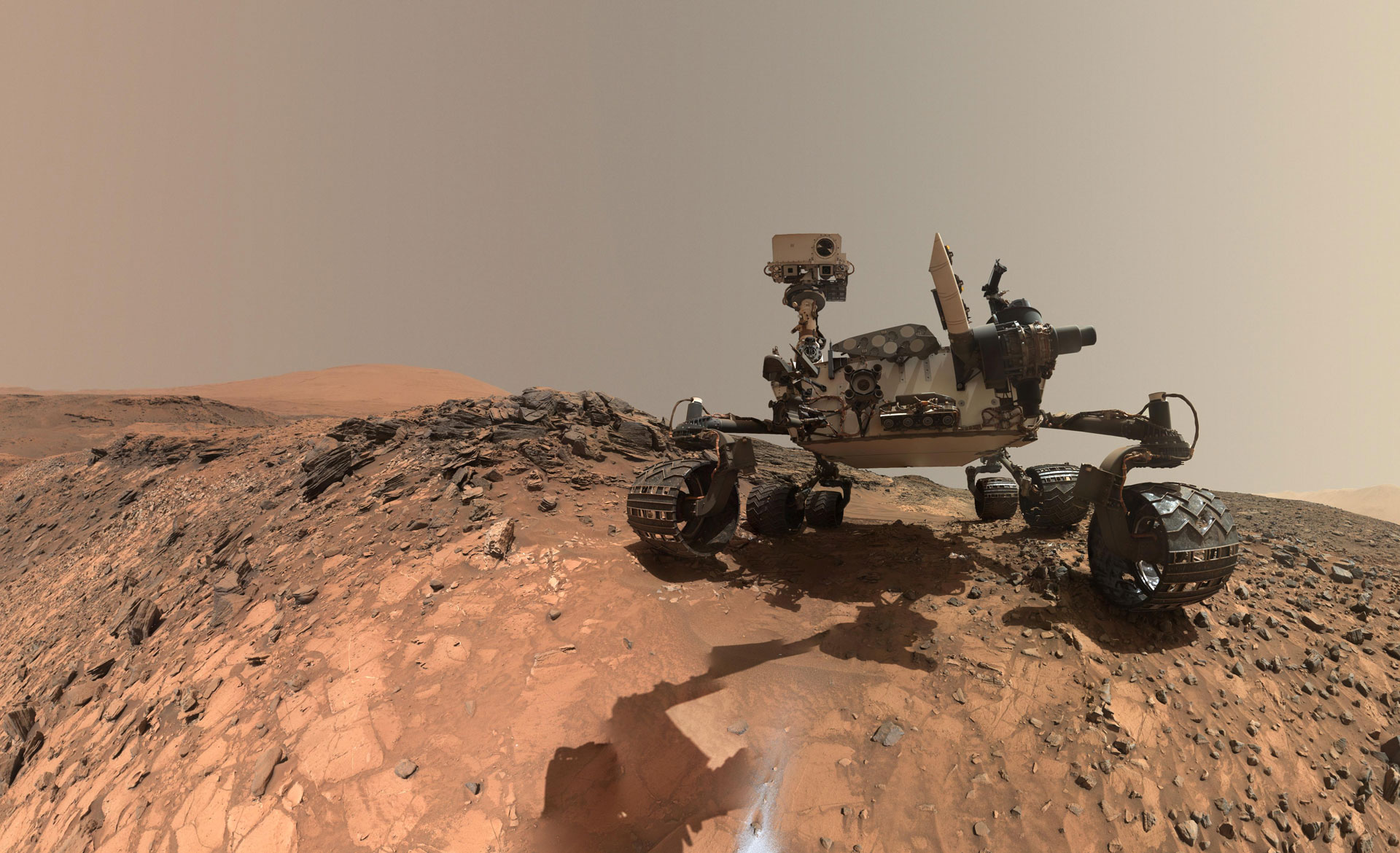
    This low-angle self-portrait of NASA’s Curiosity Mars rover shows the vehicle at the site from which it reached down to drill into a rock target called “Buckskin” on lower Mount Sharp. Credits: NASA/JPL-Caltech/MSSS

    Another power-saving strategy is considering carefully where observations go. A weekend plan almost always includes an “AM ENV Science Block” – dedicated time for morning observations of the environment and atmosphere. Usually, this block goes on the final sol of the plan, but we already had to wake up the morning of the first sol for CheMin to finish up its analysis. This meant we could move the morning ENV block to the first sol, and Curiosity got a bit more time to sleep in, at the end of the plan.

    Making changes like these meant not only that we were able to finish up the plan with enough power for Monday’s activities, but we were still able to fit in plenty of remote science. This included a number of mosaics from both Mastcam and ChemCam on past targets such as “Whitebark Pass” and “Quarry Peak.” We also had two new LIBS targets: “Broken Finger Peak” and “Shout of Relief Pass.” Aside from our morning block, ENV was able to sneak in a few more observations: a dust-devil movie, and a line-of-sight and tau to keep an eye on the changing dust levels in the atmosphere.

    Written by Alex Innanen, Atmospheric Scientist at York University

    Never miss a breakthrough: Join the SciTechDaily newsletter.
    Follow us on Google and Google News.

    Curiosity Rover JPL Mars NASA York University
    Share. Facebook Twitter Pinterest LinkedIn Email Reddit

    Related Articles

    NASA Curiosity Rover’s Scientific Stopover in Mars’ Jau Crater Cluster

    Curiosity’s First Color Image of Mars

    Image of NASA’s Curiosity and its Parachute Heading Towards the Surface of Mars

    First Images From NASA’s Curiosity on Mars

    NASA’s Mars Odyssey Spacecraft Repositioned to Confirm Curiosity’s Landing

    Mission Engineers Prepare for Curiosity’s Landing on Mars

    NASA Prepares for Mars with Desert Rover Tests

    Curiosity to Investigate Mount Sharp for Clues of Past Life

    NASA’s Mars Science Laboratory Spacecraft Adjusts Trajectory, Tests Instruments

    Leave A Reply Cancel Reply

    • Facebook
    • Twitter
    • Pinterest
    • YouTube

    Don't Miss a Discovery

    Subscribe for the Latest in Science & Tech!

    Trending News

    Mezcal “Worm” in a Bottle Mystery: DNA Testing Reveals a Surprise

    New Research Reveals That Your Morning Coffee Activates an Ancient Longevity Switch

    This Is What Makes You Irresistible to Mosquitoes

    Shockingly Powerful Giant Octopuses Ruled the Seas 100 Million Years Ago

    Scientists Stunned by New Organic Molecules Found on Mars

    Rewriting Dinosaur Evolution: Scientists Unearth Remarkable 150-Million-Year-Old Stegosaur Skull

    Omega-3 Supplements Linked to Cognitive Decline in Surprising New Study

    First-of-Its-Kind Discovery: Homer’s Iliad Found Embedded in a 1,600-Year-Old Egyptian Mummy

    Follow SciTechDaily
    • Facebook
    • Twitter
    • YouTube
    • Pinterest
    • Newsletter
    • RSS
    SciTech News
    • Biology News
    • Chemistry News
    • Earth News
    • Health News
    • Physics News
    • Science News
    • Space News
    • Technology News
    Recent Posts
    • A Common Vitamin Could Hold the Key to Treating Fatty Liver Disease
    • New Research Shows Vitamin B12 May Hold the Key to Healthy Aging
    • Scientists Map Thousands of Brain Connections With RNA Barcodes
    • This Gene Tweak Turns Strawberries Into Healthier, Tastier Superfruit
    • This New Chip Could Make GPUs Far More Efficient
    Copyright © 1998 - 2026 SciTechDaily. All Rights Reserved.
    • Science News
    • About
    • Contact
    • Editorial Board
    • Privacy Policy
    • Terms of Use

    Type above and press Enter to search. Press Esc to cancel.