
Close Menu
    Facebook X (Twitter) Instagram
    SciTechDaily
    • Biology
    • Chemistry
    • Earth
    • Health
    • Physics
    • Science
    • Space
    • Technology
    Facebook X (Twitter) Pinterest YouTube RSS
    SciTechDaily
    Home»Space»NASA’s Mars Reconnaissance Orbiter Is Offline for Maintenance – Here’s Why
    Space

    NASA’s Mars Reconnaissance Orbiter Is Offline for Maintenance – Here’s Why

    By Jet Propulsion LaboratoryFebruary 20, 2020No Comments3 Mins Read
    Facebook Twitter Pinterest Telegram LinkedIn WhatsApp Email Reddit
    Share
    Facebook Twitter LinkedIn Pinterest Telegram Email Reddit
    Mars Reconnaissance Orbiter
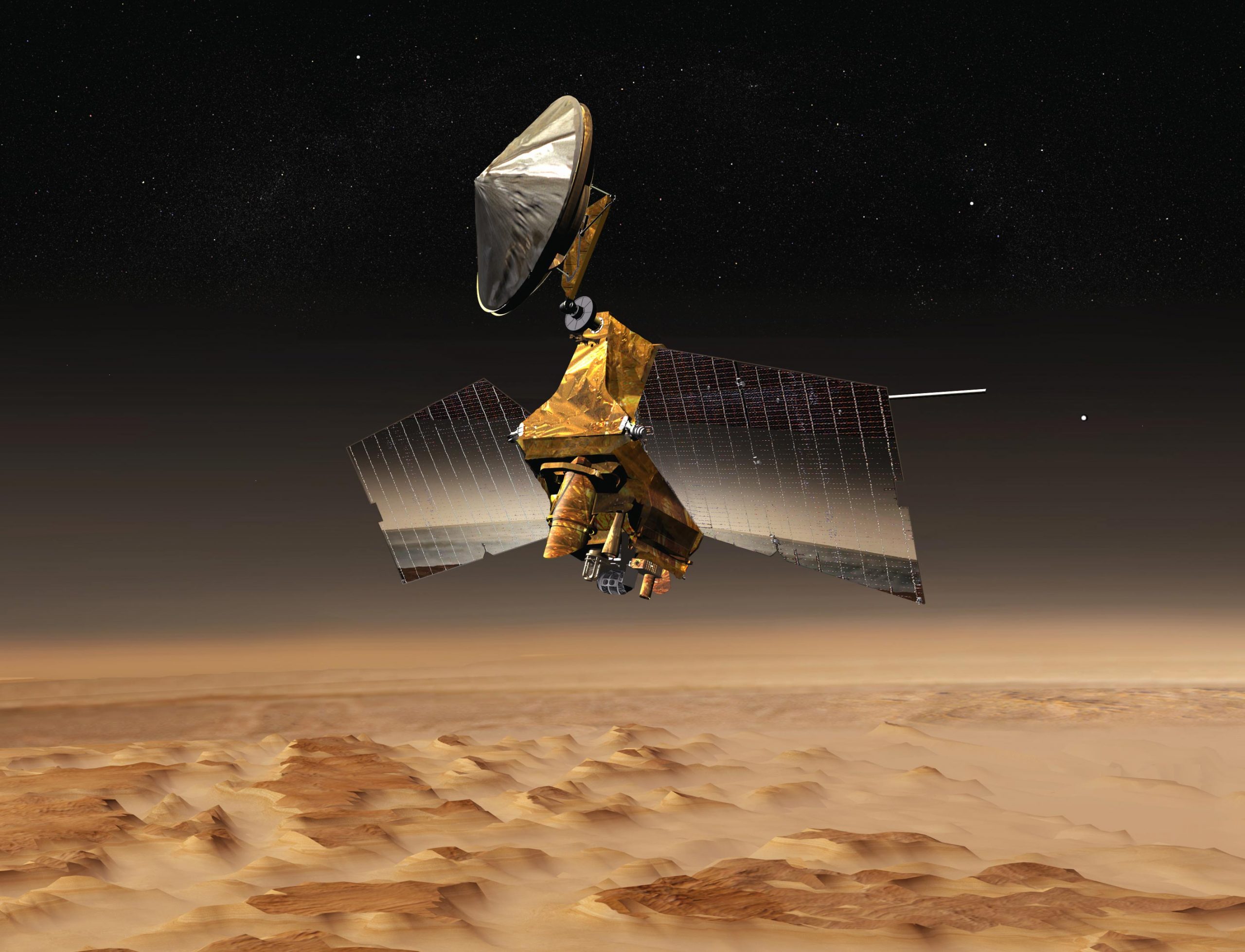
    This artist’s concept shows NASA’s Mars Reconnaissance Orbiter over the red planet. Credit: NASA/JPL-Caltech

    Other orbiters will continue relaying data from Mars surface missions for a two-week period.

    From February 17 to February 29, 2020, NASA’s Mars Reconnaissance Orbiter (MRO) will go on hiatus from its science mission and its relay operations while engineers on Earth conduct long-distance maintenance. During the hiatus, other orbiters will relay data from the Mars Curiosity rover and Mars InSight lander to Earth.

    The maintenance work involves updating battery parameters in the spacecraft’s flash memory — a rare step that’s been done only twice before in the orbiter’s 15 years of flight. This special update is necessary because it was recently determined that the battery parameters in flash were out of date and if used, would not charge MRO’s batteries to the desired levels.

    In addition to the battery parameters, engineers will use this opportunity to update planetary position tables that also reside in flash. The spacecraft will go into a precautionary standby mode, called safe mode, three times over the course of the update. It will also swap from its primary computer, called its Side-A computer, to its redundant one, called Side-B.

    Mars Reconnaisance Orbiter launched in 2005 and arrived at the Red Planet on March 10, 2006. Since then, the spacecraft has returned 371 terabits of data. Long-lived spacecraft need to guard against failures of aging hardware and the effects of the harsh space environment, such as damage from cosmic rays.

    Whenever a spacecraft detects a technical issue, there’s a series of actions it can take, including swapping to a redundant side of its electronics or rebooting its computer. Success in those cases depends upon restoring an uncorrupted, up-to-date version of an operating system with its parameter files from flash memory. To guard against corruption of the flash memory itself, multiple copies of essential parameters are stored onboard.

    To keep both of the redundant computers up to date, engineers will update the flash on the Side-A computer first and then command a Side-A reboot to ensure that the flash memory was properly updated. Once they confirm the changes have taken effect, they’ll swap to Side-B and repeat the process. 

    After validation of the memory updates, MRO will return to its science and relay-support activities. With this update, the mission will be poised to continue operations well into the next decade.

    Never miss a breakthrough: Join the SciTechDaily newsletter.
    Follow us on Google and Google News.

    JPL Mars Mars Reconnaissance Orbiter NASA
    Share. Facebook Twitter Pinterest LinkedIn Email Reddit

    Related Articles

    NASA Flips a Mars Orbiter Upside Down – And Discovers a Hidden World

    What Left This Long, Winding Trail Across Mars? NASA’s Orbiter Has the Answer

    A Meteor Strike Just Revealed a Hidden Seismic Highway on Mars

    NASA’s InSight Lander Fades Into Mars Dust: Final Images Unveiled

    Mars Awakens for the New Year: Explosive Springs and Wandering Dunes

    Data Indicates Temperatures Rise and Fall Twice a Day on Mars

    Mars Orbiter Shows McLaughlin Crater May Have Once Held a Groundwater-Fed Lake

    Image of Twister in Action on the Surface of Mars

    HiRISE Images Show Old NASA Mars Lander

    Leave A Reply Cancel Reply

    • Facebook
    • Twitter
    • Pinterest
    • YouTube

    Don't Miss a Discovery

    Subscribe for the Latest in Science & Tech!

    Trending News

    Could Low Vitamin D Be Making Your Pain Worse?

    Scientists Discover Once-Weekly Workout That Melts Belly Fat Surprisingly Effectively

    Scientists Just Tested a Thruster Powerful Enough for Human Missions to Mars

    Doctors Say Your Ice Pack Might Be Making Injuries Worse

    Scientists Discover 43-Foot Sea Reptile Twice the Size of a Great White Shark

    Bees and Birds Are Drinking Alcohol From Flowers

    Scientists Discover How Obesity May Trigger Alzheimer’s Disease

    Scientists Confirm Alcohol Causes Widespread Health Damage

    Follow SciTechDaily
    • Facebook
    • Twitter
    • YouTube
    • Pinterest
    • Newsletter
    • RSS
    SciTech News
    • Biology News
    • Chemistry News
    • Earth News
    • Health News
    • Physics News
    • Science News
    • Space News
    • Technology News
    Recent Posts
    • Scientists Stop Pancreatic Cancer Before It Starts in Landmark Preclinical Study
    • Scientists Discover Surprising Anti-Aging Power Hidden in Aged Garlic
    • Just Minutes of Intense Exercise Could Slash Disease Risk by 50%
    • People Who Stop Ozempic Often Don’t Gain the Weight Back
    • Why More People in Their 30s Are Suddenly Getting Colon Cancer
    Copyright © 1998 - 2026 SciTechDaily. All Rights Reserved.
    • Science News
    • About
    • Contact
    • Editorial Board
    • Privacy Policy
    • Terms of Use

    Type above and press Enter to search. Press Esc to cancel.