
Scientists have discovered that Earth’s “Boring Billion” wasn’t boring at all.
When the supercontinent Nuna broke apart 1.5 billion years ago, volcanic carbon emissions dropped, oxygen levels rose, and shallow seas spread across the planet. These stable, nutrient-rich environments allowed the first complex cells to emerge. The research shows how plate tectonics quietly prepared Earth for life’s next great leap.
Breakup of a Supercontinent Sparks Life’s Evolution
Researchers from the University of Sydney and the University of Adelaide have uncovered how the breakup of an ancient supercontinent about 1.5 billion years ago reshaped Earth’s surface and helped create conditions that allowed complex life to emerge.
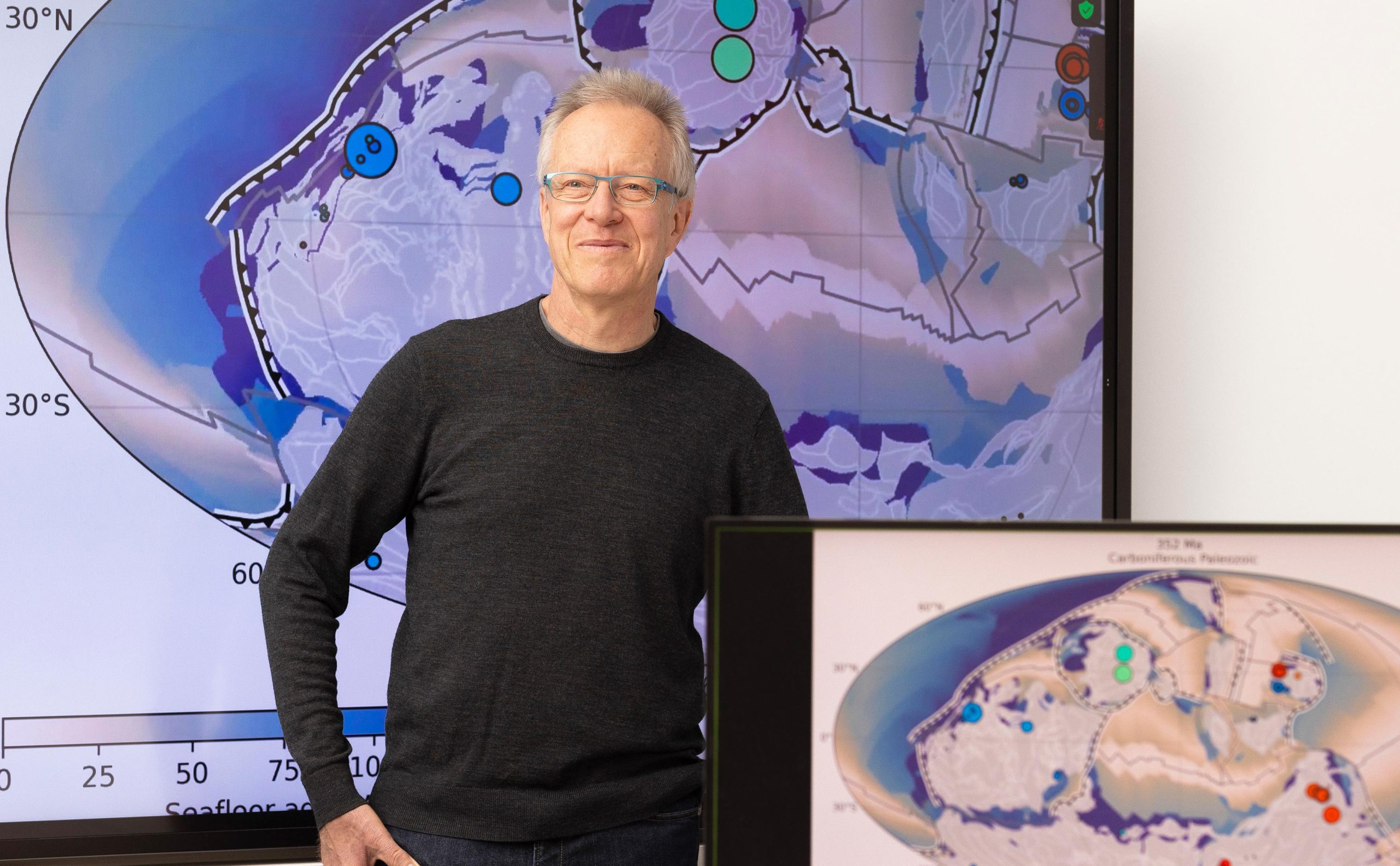
“Our approach shows how plate tectonics has helped shape the habitability of the Earth,” lead author Professor Dietmar Müller said. “It provides a new way to think about how tectonics, climate and life co-evolved through deep time.”
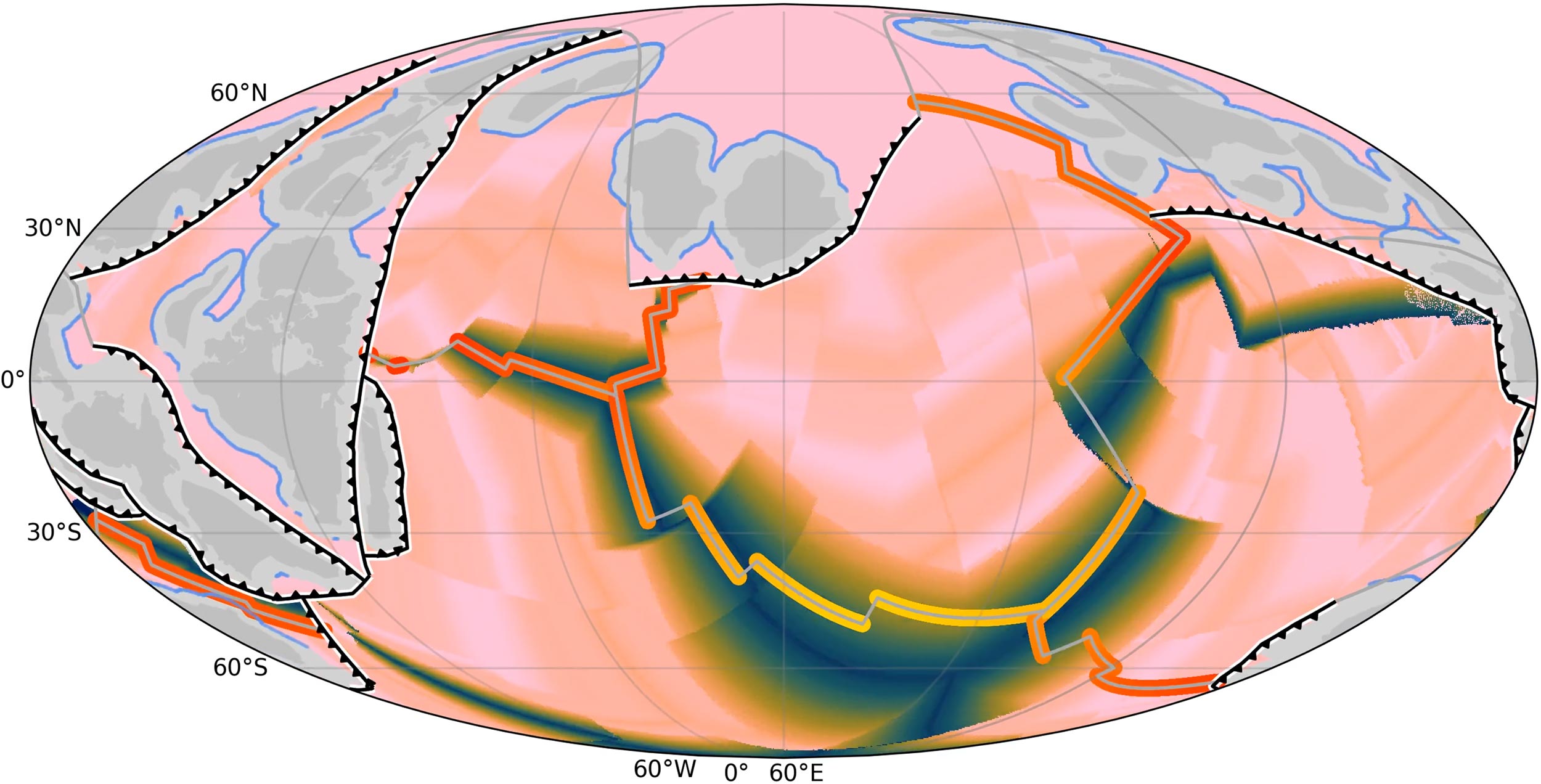
Oceanic crustal carbon storage and carbon outgassing along mid-ocean ridges. From 1.8 billion years ago to the present day. Credit: Dietmar Müller/EarthByte Group/The University of Sydney
Challenging the “Boring Billion”
Published in Earth and Planetary Science Letters, the study overturns the long-held view of Earth’s “Boring Billion” – a period often considered geologically and biologically inactive. The researchers found that during this time, plate tectonics was actively reorganizing the planet, fostering oxygen-rich seas and paving the way for the first eukaryotes, the microscopic ancestors of all complex life.
Eukaryotes are organisms whose cells include a nucleus and other specialized internal structures known as organelles. Every plant, animal, and fungus belongs to this group.
“Our work reveals that deep Earth processes, specifically the breakup of the ancient supercontinent Nuna, set off a chain of events that reduced volcanic carbon dioxide (CO₂) emissions and expanded the shallow marine habitats where early eukaryotes evolved,” said Professor Dietmar Müller, from the EarthByte Group at the University of Sydney.
A Dynamic Earth Beneath a ‘Boring’ Surface
Between 1.8 and 0.8 billion years ago, Earth’s landmasses came together and broke apart twice, forming the supercontinents Nuna and later Rodinia. To understand this dynamic period, the team created a detailed plate tectonic model spanning 1.8 billion years, reconstructing how shifting plate boundaries, continental margins, and carbon exchanges among the mantle, oceans, and atmosphere evolved over time.
Their analysis showed that when Nuna began to fragment about 1.46 billion years ago, the total length of shallow continental shelves more than doubled, reaching roughly 130,000 kilometres. These newly expanded shallow seas likely supported extensive oxygenated waters and stable, temperate conditions — ideal for nurturing the early evolution of complex organisms.
During the same period, volcanic emissions of CO2 declined while more carbon became locked within the ocean crust. This occurred as seawater penetrated cracks in mid-ocean ridges, was heated, and lost its CO2, which then formed limestone deposits.
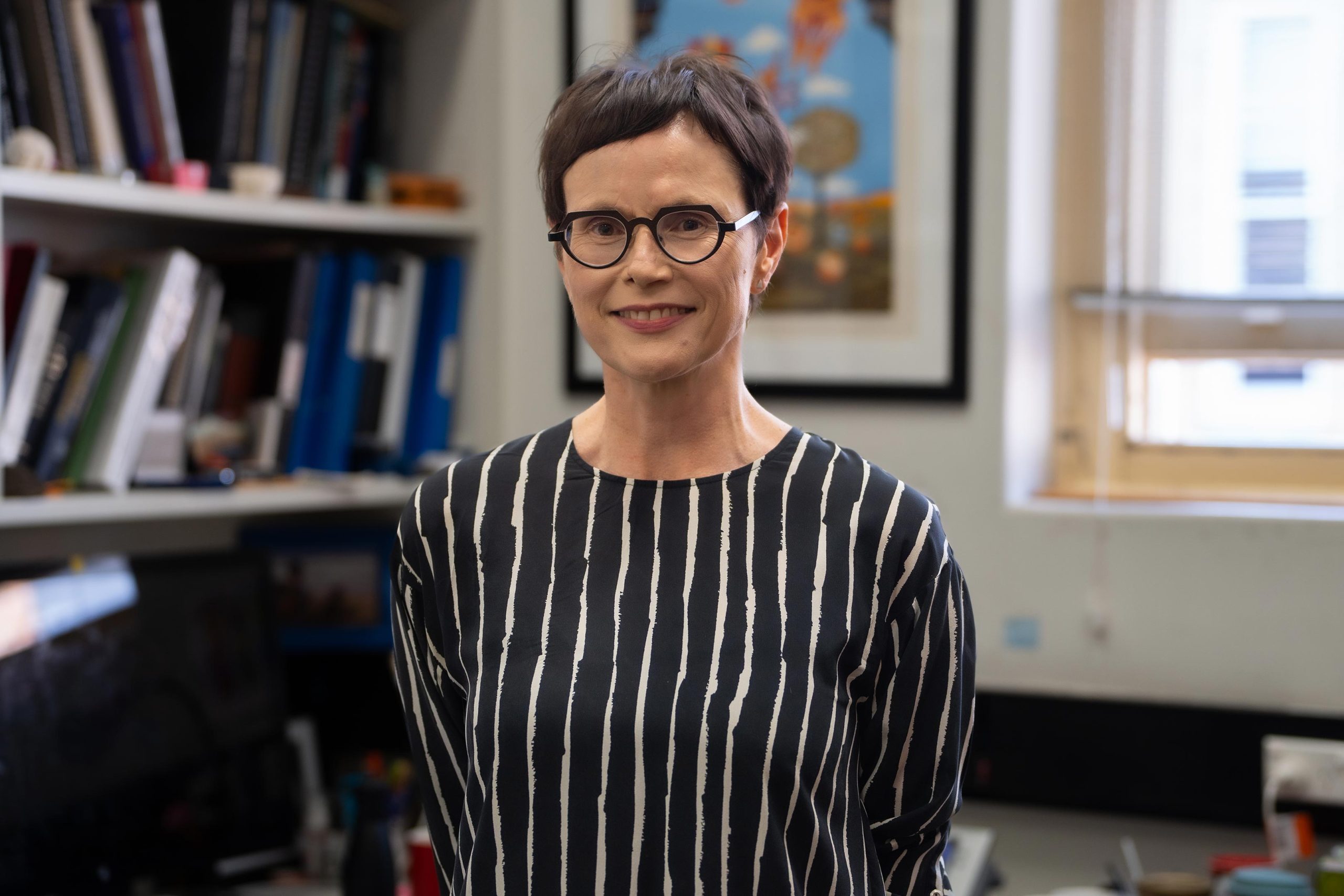
“This dual effect – reduced volcanic carbon release and enhanced geological carbon storage – cooled Earth’s climate and altered ocean chemistry, creating conditions suitable for the evolution of more complex life,” said co-author Associate Professor Adriana Dutkiewicz, also from the School of Geosciences at the University of Sydney.
From Tectonics to Life
The study’s results indicate that the appearance of the first fossil eukaryotes about 1.05 billion years ago coincided with continental dispersal and expanded shallow seas.
“We think these vast continental shelves and shallow seas were crucial ecological incubators,” said Associate Professor Juraj Farkaš from the University of Adelaide. “They provided tectonically and geochemically stable marine environments with presumably elevated levels of nutrients and oxygen, which in turn were critical for more complex lifeforms to evolve and diversify on our planet.”
The findings link deep-Earth dynamics with near-surface geochemical and biological evolution, offering a unifying framework that connects plate tectonics, the global carbon cycle, ocean chemistry, and the emergence of complex life.
A New Framework for Earth’s Evolution
This research represents the first time that deep-time plate tectonic reconstructions have been quantitatively linked to long-term carbon outgassing and biological milestones over nearly two billion years. The authors used computational models combining tectonic reconstructions with thermodynamic simulations of carbon storage and degassing through subduction, where one tectonic plate slides under another, and volcanism, which releases magma, ash, and gases into the atmosphere and Earth’s surface.
Reference: “Mid-Proterozoic expansion of passive margins and reduction in volcanic outgassing supported marine oxygenation and eukaryogenesis” by R. Dietmar Müller, Adriana Dutkiewicz, Juraj Farkaš, Stefan Loehr and Andrew S. Merdith, 27 October 2025, Earth and Planetary Science Letters.
DOI: 10.1016/j.epsl.2025.119683
Never miss a breakthrough: Join the SciTechDaily newsletter.
Follow us on Google and Google News.
2 Comments
1.8 billion years ago happened 2.8 billion years after the Earth had formed. I suppose it took a while to get a decent partial pressure of oxygen for eukaryotes to want to come about and to consider going multicellular as an option, even though plate tectonics could well have going on well before then.
Still boring! =:-D
You can’t match origin of life, the Cambrian explosion of multicellular diversity, the dinosaur saga, and human origins with “shallow seas doubled in size.” Nuh-uh. The big story is still boring. Smaller stories during the Borin Billion, generally lost to time, were surely interesting, but the big story is still relatively boring. Will the next story be telling me Mondays are as great as Fridays? 😀