
Close Menu
    Facebook X (Twitter) Instagram
    SciTechDaily
    • Biology
    • Chemistry
    • Earth
    • Health
    • Physics
    • Science
    • Space
    • Technology
    Facebook X (Twitter) Pinterest YouTube RSS
    SciTechDaily
    Home»Space»New Experiments Headed to the Space Station: Radishes, Advanced Imaging, and Liquid Metal
    Space

    New Experiments Headed to the Space Station: Radishes, Advanced Imaging, and Liquid Metal

    By NASAOctober 4, 2020No Comments4 Mins Read
    Facebook Twitter Pinterest Telegram LinkedIn WhatsApp Email Reddit
    Share
    Facebook Twitter LinkedIn Pinterest Telegram Email Reddit
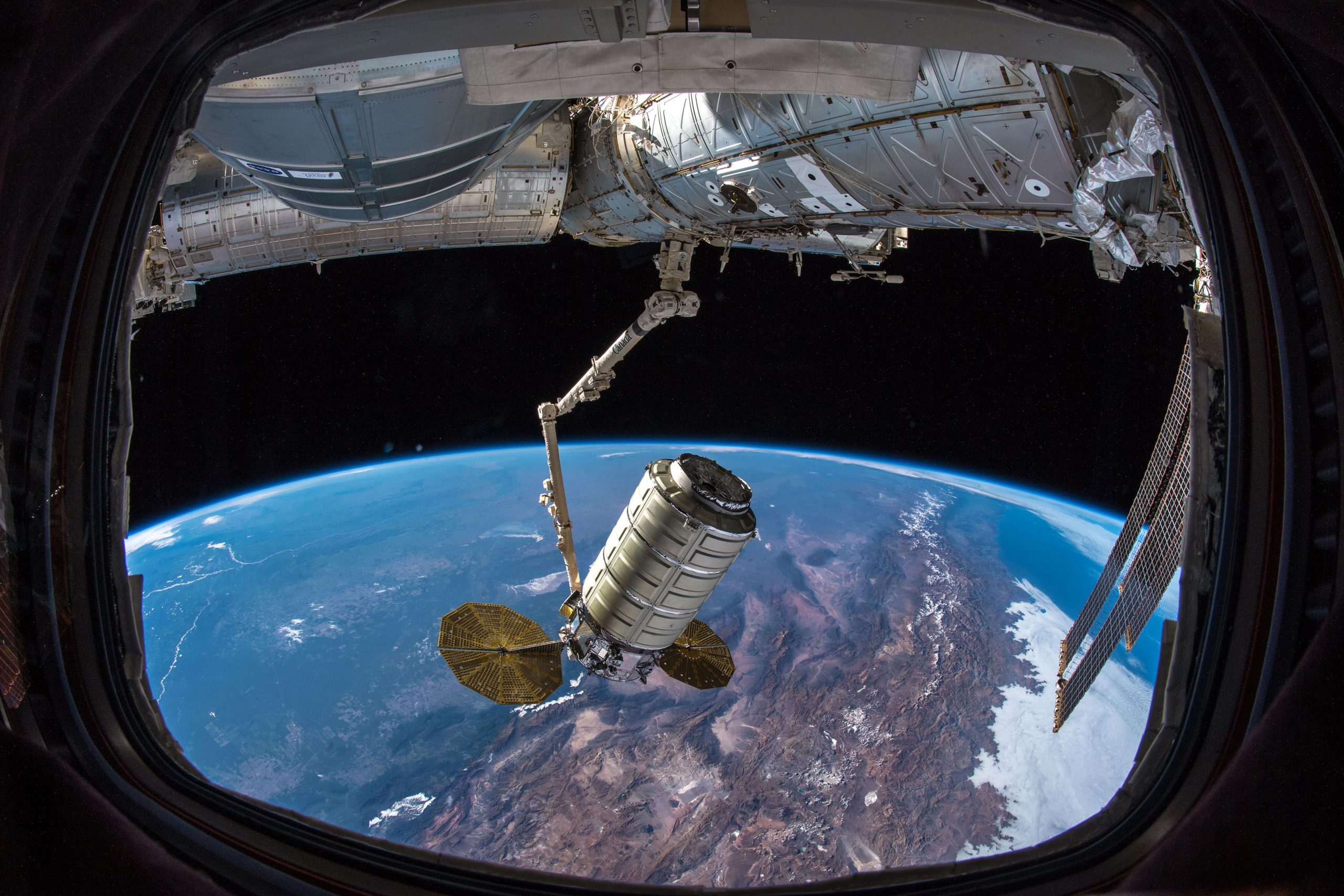
    Northrop Grumman Cygnus Cargo Craft Docks to Space Station
    Northrop Grumman Cygnus Cargo Craft Docks to Space Station

    Science typically begins with a question. It may be: “How will astronauts maintain a nutritious diet on long-duration missions?” Or “How can the way metals are made be improved by studying them in space?” These are just two of the questions researchers seek to answer with the upcoming launch of new research, technology demonstrations, and commercial products headed to our unique microgravity laboratory orbiting Earth.

    NASA uses the spaceflight environment to further our understanding of how to successfully live and work in space.  These space experiments help us understand the effects of radiation, microgravity, and other factors on life and physical systems. It is also an important aspect in understanding how to sustain life on the Moon and eventually Mars.

    On Friday, October 2, 2020, at 9:16 p.m. EDT, new space experiments and a new space toilet launched on Northrop Grumman’s 14th commercial resupply mission for the agency to the International Space Station.

    Highlights of the payloads this mission will be delivering to advance our understanding of Biological and Physical Sciences (BPS) include:
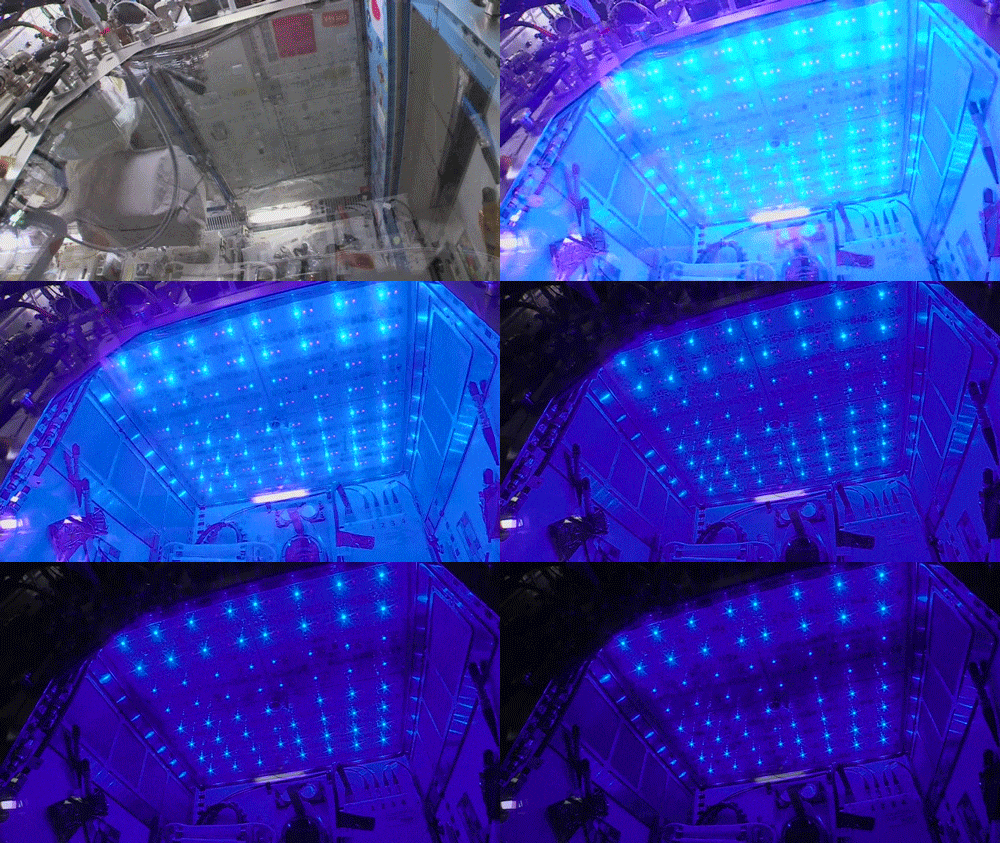
    Advanced Plant Habitat
    Crew members tested the lighting setup in the Advanced Plant Habitat in preparation for the arrival of the Plant Habitat-02. The Advanced Plant Habitat is equipped with white, red, blue, green, and far red LEDs, which allows researchers to vary lighting conditions. Credit: NASA

    Introducing a new crop to the space station. Researchers have conducted a number of studies on developing ways to produce food in space and help sustain crews on long-duration missions, including those to the Moon and Mars. Previous experiments have grown different types of lettuces and greens aboard the space station. The Assessment of Nutritional Value and Growth Parameters of Space-grown Plants (Plant Habitat-02) investigation adds radishes to the mix, germinating seeds to see how different light and soil conditions affect growth. This model plant is nutritious, grows quickly (roughly four weeks from sowing to harvest), and is genetically similar to Arabidopsis, a plant frequently studied in microgravity. Findings could help optimize the growth of the plants in space as well as provide an assessment of their nutrition and taste. Astronauts will cultivate two crops of radishes with a goal of growing 20 plants each time.
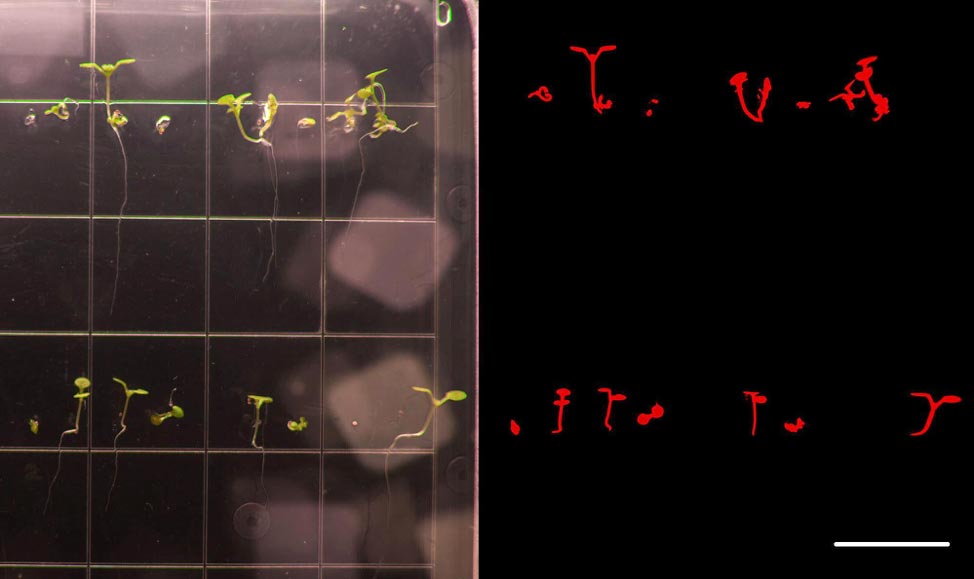
    Arabidopsis Plants Growing on Petri Plate
    Spectrum images of Arabidopsis plants growing on a Petri plate: left, brightfield RGB (Red, Green, and Blue) image; right, chlorophyll autofluorescence. Scale bar = 1.3 cm. Image courtesy of Sarah Swanson and Simon Gilroy. Credit: NASA

    Advancing imaging technology. When conducting experiments in space that use organisms grown in Petri plates, collecting images of the progress is a vital capability for microgravity life science. The data from the Spectrum-001 investigation aims to improve that imaging capability and contribute to a better understanding of biological responses to the stresses of spaceflight. The capability to obtain more detailed observations using this technology could lead to more discoveries of cell and tissue functions, supporting innovations for biomedical and agricultural applications on Earth.
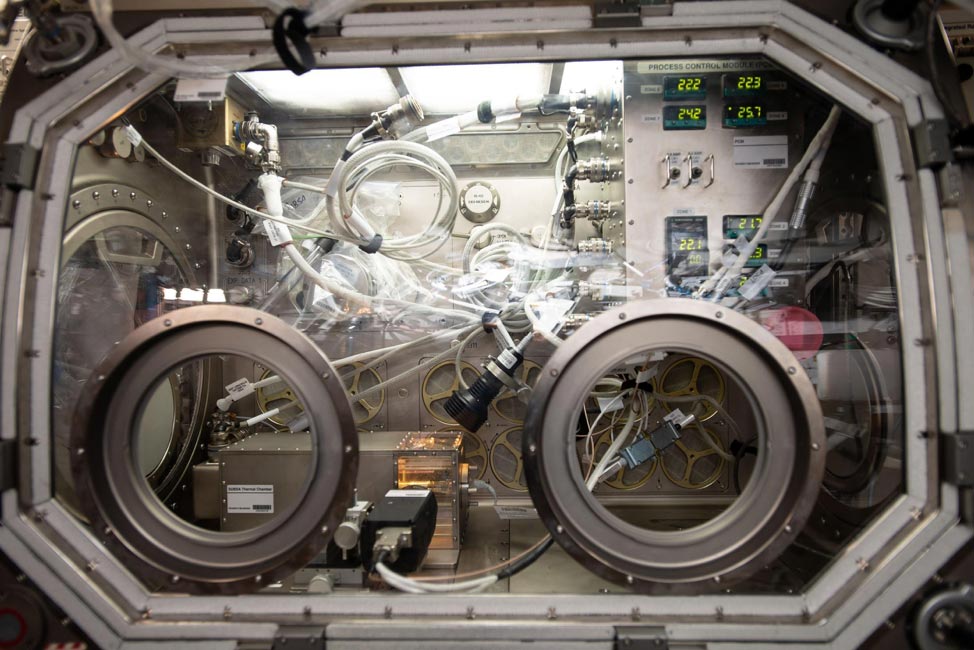
    Microgravity Sciences Glovebox
    The Microgravity Sciences Glovebox (MSG) during configuration of the Solidification Using Baffles in Sealed Ampoules (SUBSA) hardware in the MSG Work Volume in the Destiny Laboratory aboard the International Space Station (ISS). Credit: NASA

    Studying metals in space. The Solidification Using a Baffle in Sealed Ampoules (SUBSA) is a furnace that can heat samples up to 850°C (1562°F) for a variety of materials science experiments, and will provide researchers with a powerful tool to better understand and visualize the melting and solidification of semiconductor crystals. SUBSA is operated inside the Microgravity Science Glovebox (MSG), and 3 NASA-funded investigators have upcoming SUBSA experiments. Metal castings are made by pouring liquid metal into a mold and then cooling both the mold and liquid metal until the liquid becomes a solid part. When the metal becomes solid, a transition called solidification, the atoms arrange themselves into millions of crystals. This is a complex process that often involves changing shape from an elongated shaped crystal, called columnar, to a rounder shaped crystal, called equiaxed. This is called a columnar-to-equiaxed transition. The shape of these crystals impacts the strength and lifetime of cast parts. The goal of the Effect of Convection on the Columnar-to-Equiaxed Transition in Alloy Solidification (SUBSA-CETSOL) investigation is to improve the understanding of the columnar-to-equiaxed transition during solidification of metal alloys.

    Never miss a breakthrough: Join the SciTechDaily newsletter.
    Follow us on Google and Google News.

    International Space Station NASA
    Share. Facebook Twitter Pinterest LinkedIn Email Reddit

    Related Articles

    SpaceX Just Launched Robots, Atomic Clocks, and Mars Tech Into Orbit

    Watch Live: NASA Astronaut Don Pettit Returns to Earth on His 70th Birthday After 220 Days in Space

    Space Station Commander Swap, SpaceX Dragon Launch, and Birthday Earth Return All in One Weekend

    Dawn Docking, New Discoveries: NASA and Russian Crew Begin Space Station Mission

    Meet NASA’s SpaceX Crew-11: The Astronauts Launching to Shape Humanity’s Future in Space

    New Beginnings in Space As Astronauts Step Into Their Zero-Gravity Home

    NASA’s Crew-9 Returns After 286-Day Mission With a Spectacular Splashdown in the Gulf of America

    NASA’s SpaceX Crew-9 Splashes Down Off Coast of Florida

    SpaceX Dragon Undocks With NASA Crew-9 Members for Return to Earth

    Leave A Reply Cancel Reply

    • Facebook
    • Twitter
    • Pinterest
    • YouTube

    Don't Miss a Discovery

    Subscribe for the Latest in Science & Tech!

    Trending News

    Scientists Discover How Coffee Impacts Memory, Mood, and Gut Health

    Why Did the Neanderthals Disappear? Scientists Reveal Humans Had a Hidden Advantage

    Physicists Propose Strange Experiment Where Time Goes Quantum

    Magnesium Magic: New Drug Melts Fat Even on a High-Fat, High-Sugar Diet

    Weight-Loss Drugs Like Ozempic May Come With an Unexpected Cost

    Mezcal “Worm” in a Bottle Mystery: DNA Testing Reveals a Surprise

    New Research Reveals That Your Morning Coffee Activates an Ancient Longevity Switch

    This Is What Makes You Irresistible to Mosquitoes

    Follow SciTechDaily
    • Facebook
    • Twitter
    • YouTube
    • Pinterest
    • Newsletter
    • RSS
    SciTech News
    • Biology News
    • Chemistry News
    • Earth News
    • Health News
    • Physics News
    • Science News
    • Space News
    • Technology News
    Recent Posts
    • Harvard Scientists Reveal Secret Structure Behind How You Smell
    • Scientists Just Discovered the Hidden Trick That Keeps Your Cells Alive
    • This Simple Movement Could Be Secretly Cleaning Your Brain
    • Male Birth Control Breakthrough: Scientists Find Way To Turn Sperm Production Off and Back On
    • A Common Vitamin Could Hold the Key to Treating Fatty Liver Disease
    Copyright © 1998 - 2026 SciTechDaily. All Rights Reserved.
    • Science News
    • About
    • Contact
    • Editorial Board
    • Privacy Policy
    • Terms of Use

    Type above and press Enter to search. Press Esc to cancel.