
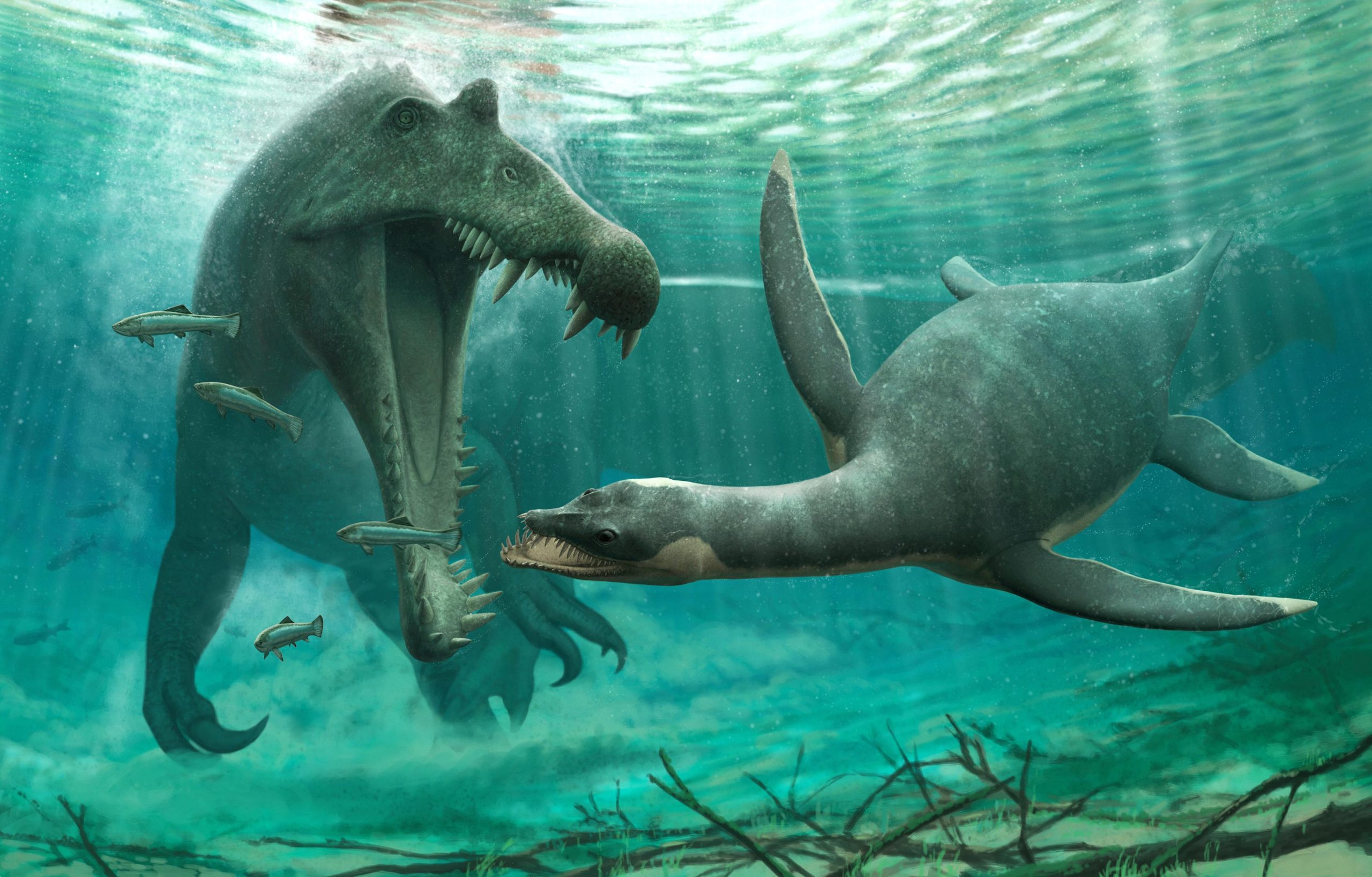
Plesiosaur fossils discovered in an ancient riverbed suggests some species, traditionally thought to be sea creatures, may have lived in freshwater.
Fossils of small plesiosaurs, long-necked marine reptiles from the age of dinosaurs, have been discovered in a 100-million-year-old river system that is now in Morocco’s Sahara Desert. This discovery suggests some species of plesiosaur, previously thought to be sea creatures, may have lived in freshwater.
Plesiosaurs were prehistoric reptiles with small heads, long necks, and four long flippers. They were first found in 1823 by fossil hunter Mary Anning. They inspired reconstructions of the Loch Ness Monster. However, unlike the monster of Lake Loch Ness, plesiosaurs were marine animals — or were widely thought to be.
Now, scientists have reported small plesiosaurs from a Cretaceous-aged river in Africa. The researchers were from the University of Bath and University of Portsmouth in the UK, and Université Hassan II in Morocco.
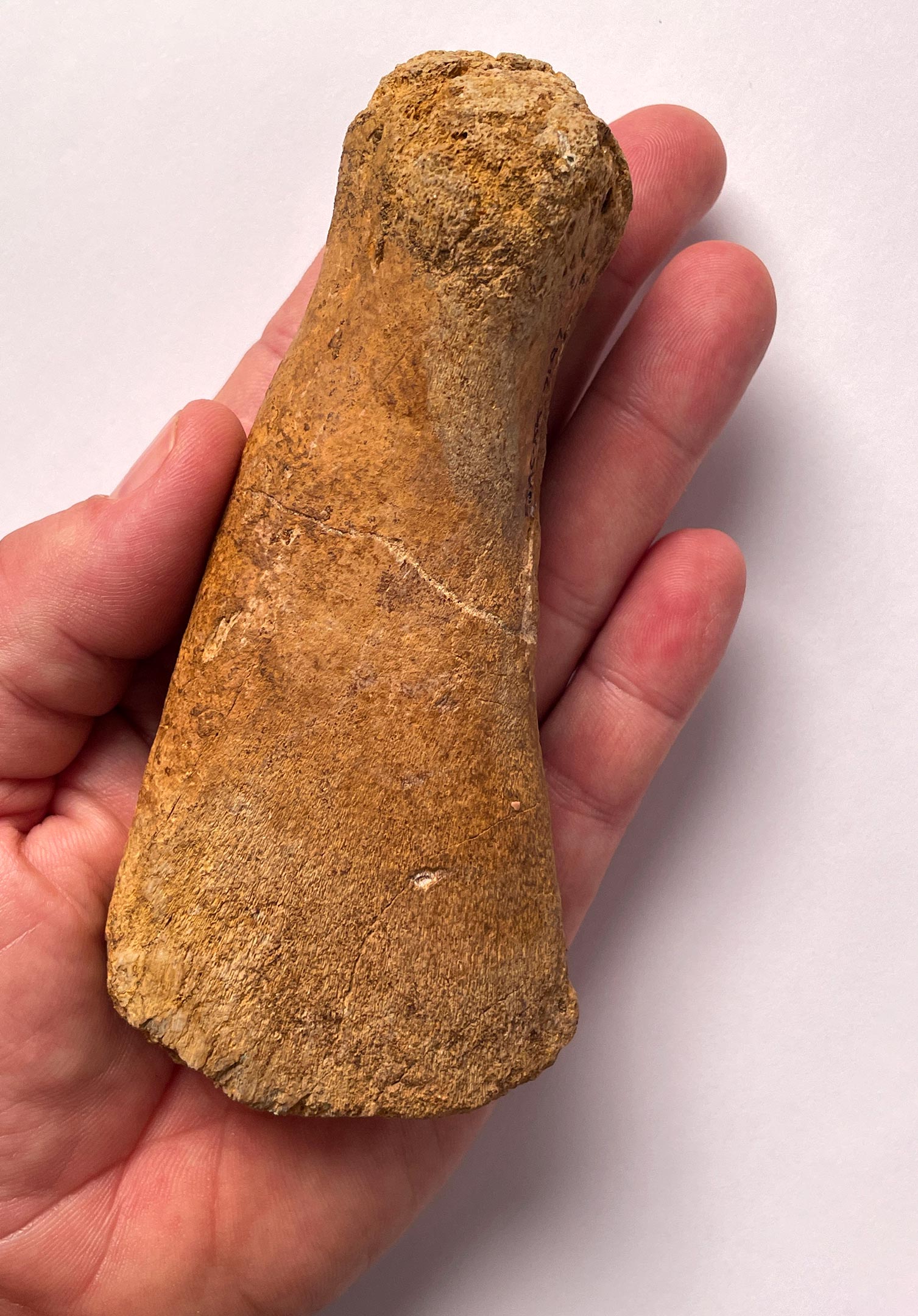
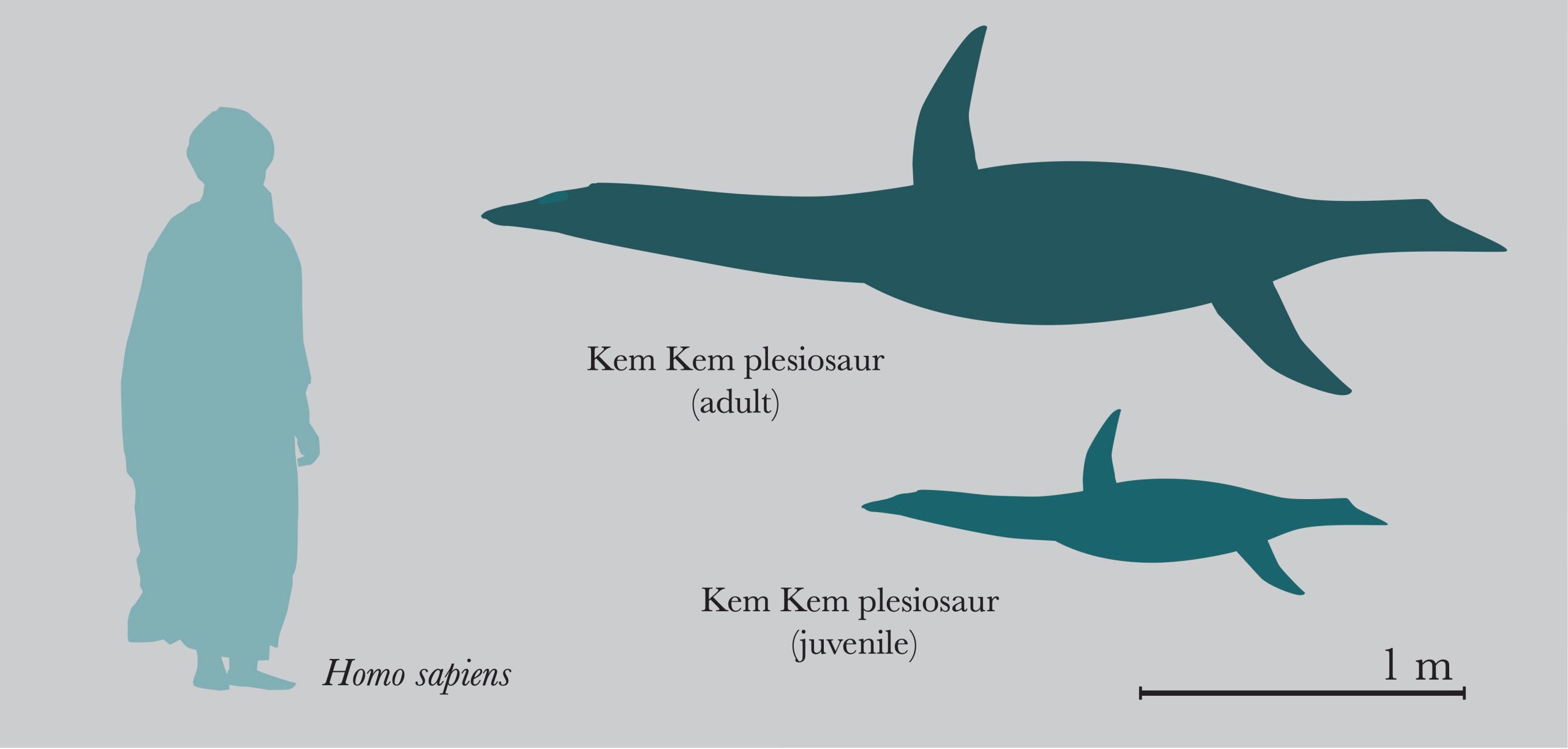
The fossils that were found include bones and teeth from three-meter-long (10-foot-long) adults and an arm bone from a 1.5-meter-long (5-foot-long) baby. They indicate that these creatures routinely lived and fed in freshwater, alongside frogs, crocodiles, turtles, fish, and the huge aquatic dinosaur Spinosaurus.
Evidence of Freshwater Adaptation: Similar to River Dolphins
These fossils suggest the plesiosaurs were adapted to tolerate freshwater, possibly even spending their lives there, similar to today’s river dolphins.
The new paper was headed by University of Bath Student Georgina Bunker, along with Nick Longrich from the University of Bath’s Milner Centre for Evolution, David Martill and Roy Smith from the University of Portsmouth, and Samir Zouhri from the Universite Hassan II.
The fossils that were discovered include vertebrae from the neck, back, and tail, shed teeth, and an arm bone from a young juvenile.
“It’s scrappy stuff, but isolated bones actually tell us a lot about ancient ecosystems and animals in them. They’re so much more common than skeletons, they give you more information to work with” said Dr. Nick Longrich, corresponding author on the paper.
Fossil Evidence Suggests Plesiosaurs Lived and Fed in Freshwater
“The bones and teeth were found scattered and in different localities, not as a skeleton. So each bone and each tooth is a different animal. We have over a dozen animals in this collection.”
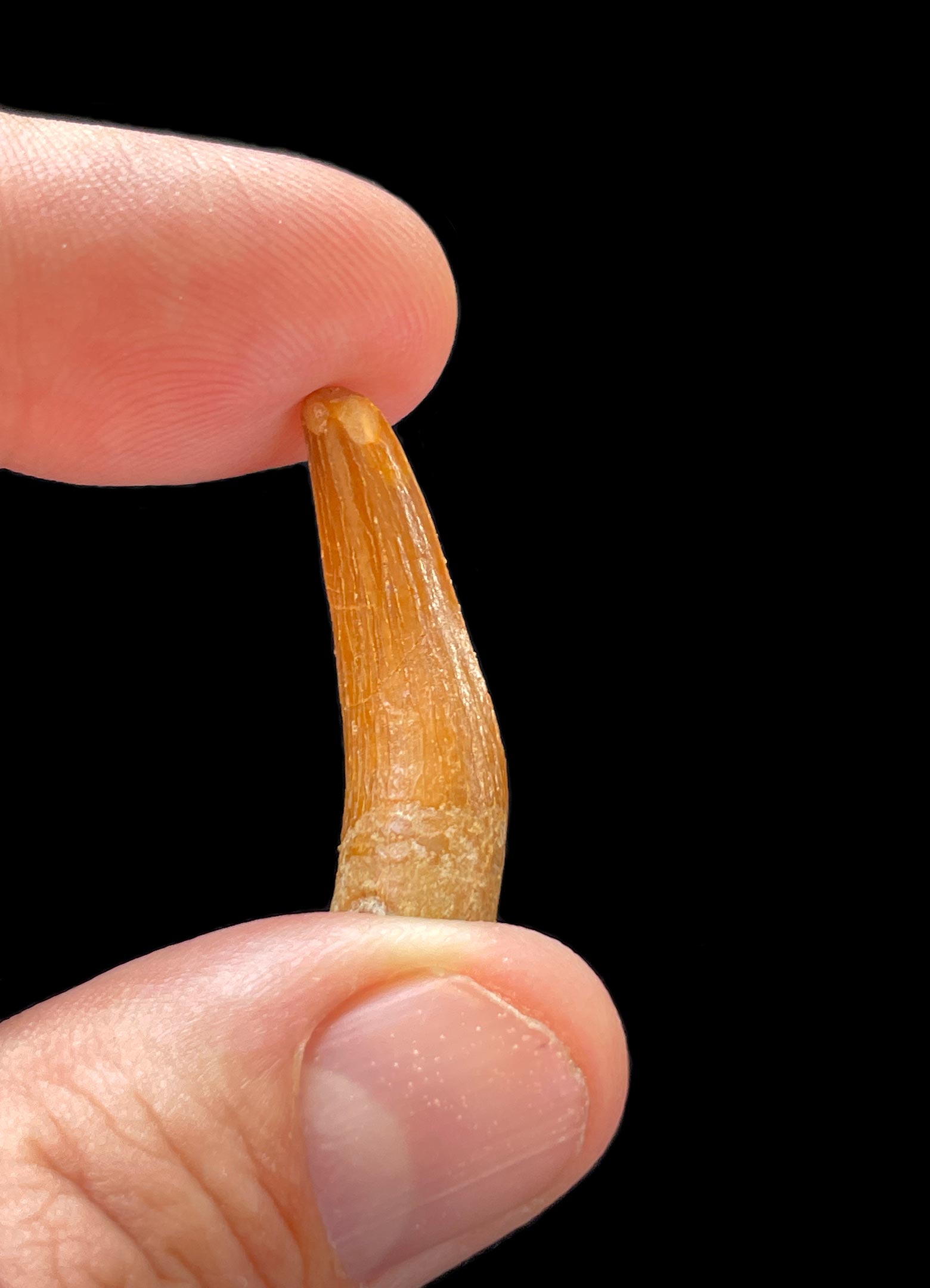
While bones provide information on where animals died, the teeth are more interesting because they were lost while the animal was alive — so they show where the animals lived.
What’s more, the teeth show heavy wear, like those fish-eating dinosaur Spinosaurus found in the same beds.
According to the researchers, this suggests that the plesiosaurs were eating the same food — chipping their teeth on the armored fish that lived in the river. This hints they spent a lot of time in the river, rather than just being occasional visitors.
While marine animals like whales and dolphins wander up rivers, either to feed or because they’re lost, the number of plesiosaur fossils in the river suggests that’s unlikely.
A more likely possibility is that the plesiosaurs were able to tolerate fresh and salt water, like some whales, such as the beluga whale.
It’s even possible that the plesiosaurs were permanent residents of the river, like modern river dolphins. The plesiosaurs’ small size would have let them hunt in shallow rivers, and the fossils show an incredibly rich fish fauna.
Dr. Longrich said: “We don’t really know why the plesiosaurs are in freshwater.
“It’s a bit controversial, but who’s to say that because we paleontologists have always called them ‘marine reptiles’, they had to live in the sea? Lots of marine lineages invaded freshwater.”
Freshwater Adaptations in Other Species and Plesiosaur Family Leptocleididae
Freshwater dolphins evolved at least four times — in the Ganges River, the Yangtze River, and twice in the Amazon. A species of freshwater seal inhabits Lake Baikal, in Siberia, so it’s possible plesiosaurs adapted to freshwater as well.
The plesiosaurs belong to the family Leptocleididae — a family of small plesiosaurs often found in brackish or freshwater elsewhere in England, Africa, and Australia. And other plesiosaurs, including the long-necked elasmosaurs, turn up in brackish or fresh waters in North America and China.
Plesiosaurs were a diverse and adaptable group and were around for more than 100 million years. Based on what they’ve found in Africa — and what other scientists have found elsewhere – the authors suggest they might have repeatedly invaded freshwater to different degrees.
“We don’t really know, honestly. That’s how paleontology works. People ask, how can paleontologists know anything for certain about the lives of animals that went extinct millions of years ago? The reality is, we can’t always. All we can do is make educated guesses based on the information we have. We’ll find more fossils. Maybe they’ll confirm those guesses. Maybe not.”
“It’s been really interesting to see the direction this project has gone in,” said lead author Georgina Bunker. The study initially began as an undergraduate project involving a single bone, but over time, more plesiosaur fossils started turning up, slowly providing a clearer picture of the animal.
Expanding Morocco’s Cretaceous Diversity
The new discovery also expands the diversity of Morocco’s Cretaceous. Said Dr. Samir Zouhri, “This is another sensational discovery that adds to the many discoveries we have made in the Kem Kem over the past fifteen years of work in this region of Morocco. Kem Kem was truly an incredible biodiversity hotspot in the Cretaceous.”
“What amazes me,” said coauthor Dave Martill, “is that the ancient Moroccan river contained so many carnivores all living alongside each other. This was no place to go for a swim.”
But what does this all mean for the Loch Ness Monster? On one level, it’s plausible. Plesiosaurs weren’t confined to the seas, they did inhabit freshwater. But the fossil record also suggests that after almost a hundred and fifty million years, the last plesiosaurs finally died out at the same time as the dinosaurs, 66 million years ago.
Reference: “Plesiosaurs from the fluvial Kem Kem Group (mid-Cretaceous) of eastern Morocco and a review of non-marine plesiosaurs” by Georgina Bunker, David M. Martill, Roy Smith, Samir Zourhi and Nick Longrich, 21 July 2022, Cretaceous Research.
DOI: 10.1016/j.cretres.2022.105310
Never miss a breakthrough: Join the SciTechDaily newsletter.
Follow us on Google and Google News.