
Close Menu
    Facebook X (Twitter) Instagram
    SciTechDaily
    • Biology
    • Chemistry
    • Earth
    • Health
    • Physics
    • Science
    • Space
    • Technology
    Facebook X (Twitter) Pinterest YouTube RSS
    SciTechDaily
    Home»Science»New Species of Spiny Mouse Discovered in Ecuador
    Science

    New Species of Spiny Mouse Discovered in Ecuador

    By Pensoft PublishersOctober 29, 2023No Comments3 Mins Read
    Facebook Twitter Pinterest Telegram LinkedIn WhatsApp Email Reddit
    Share
    Facebook Twitter LinkedIn Pinterest Telegram Email Reddit
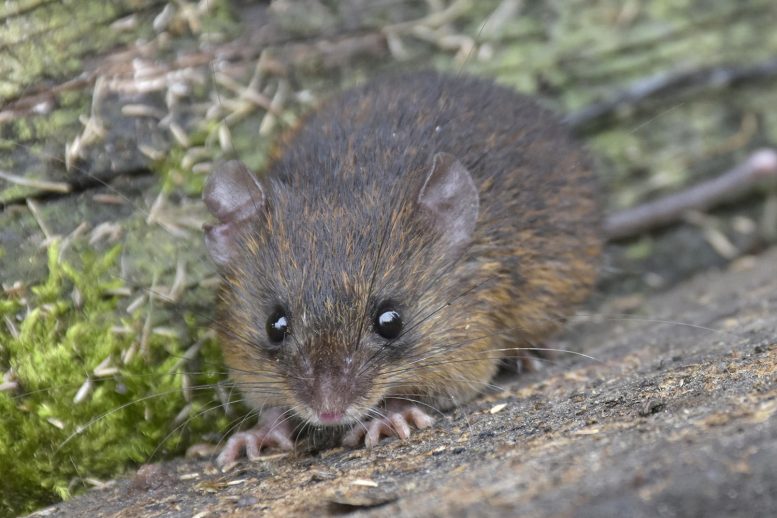
    Neacomys marci
    Neacomys marci, a new spiny mouse species, was discovered in Ecuador and named in honor of conservationist Marc Hoogeslag. Live specimen of new species Neacomys marci in its natural habitat. Credit: Jorge Brito

    A new species of spiny mouse has been discovered in Ecuador, making it the 14th of its genus to be identified in the past five years. Neacomys marci, which was previously confused with another species, is around the length of a tennis ball, with a long tail, pale suede belly fur and a white throat.

    Location and Significance

    Discovered in the Chocó biogeographic region in northwestern Ecuador, it is the 24th formally recognized species in its genus, which has seen significant upheaval in recent years.

    Researchers Nicolás Tinoco, Pontificia Universidad Católica del Ecuador (Quito), Claudia Koch, Leibniz Institute for the Analysis of Biodiversity Change (Germany), Javier E. Colmenares-Pinzón, Universidad Industrial de Santander (Colombia) and Jorge Brito, Instituto Nacional de Biodiversidad (Quito, Ecuador) published their description of the rodent in the open access journal Zookeys.
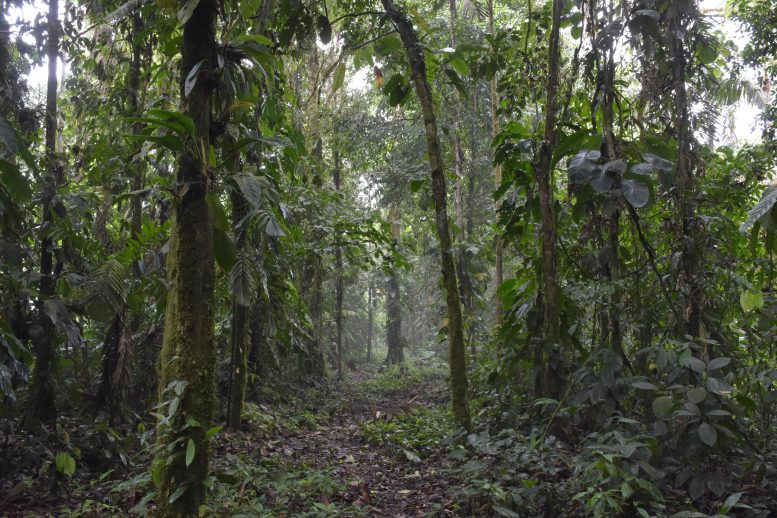
    Neacomys marci Habitat
    Habitat where specimens of Neacomys marci were collected in the study. Credit: Jorge Brito

    Neacomys is a widely distributed genus of small spiny or bristly rodents that occupy habitats in eastern Panama and the northern half of South America. Since 2017, studies of the genus have been remarkably dynamic, resulting in the description of several new species.

    However, as there are still many unexplored areas in South America and adjacent Central America (Panama), some of the currently recognized species have not been studied thoroughly, and the true diversity of the genus may be underestimated.

    The Chocó biogeographic region is considered one of the most diverse biodiversity hotspots in South America, but one of the least studied despite its great size (along the Pacific coasts of Panama, Colombia, and Ecuador). The rainforests of northwestern Ecuador have high biodiversity and endemism due to the influence of the Chocó and the Andes Mountains.
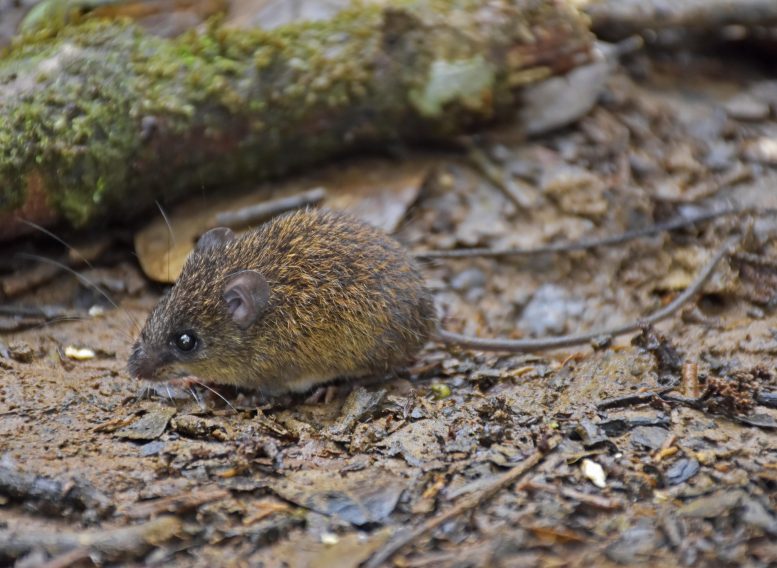
    Live Specimen Neacomys marci
    Live specimen of Neacomys marci in its natural habitat. Credit: Jorge Brito

    Methodologies and Acknowledgments

    Major reviews of museum collections and increased field collection efforts have helped scientists understand Neacomys marci and other species. Molecular analysis is also being used to assist with more accurate animal group identification.

    The new species was named after Marc Hoogeslag of Amsterdam, the Netherlands, who was co-founder and leader of the International Union for Conservation of Nature – Netherlands Land Acquisition Fund, which helps local groups around the world establish new ecological reserves and conserve endangered species. The EcoMinga Foundation’s Manduriacu Reserve, home to this new species, is one of many reserves that have benefited from Hoogeslag’s program.

    Reference: “New species of the Spiny Mouse genus Neacomys (Cricetidae, Sigmodontinae) from northwestern Ecuador” by Nicolás Tinoco, Claudia Koch, Javier E. Colmenares-Pinzón, Francisco X. Castellanos and Jorge Brito, 17 August 2023, ZooKeys.
    DOI: 10.3897/zookeys.1175.106113

    Never miss a breakthrough: Join the SciTechDaily newsletter.
    Follow us on Google and Google News.

    New Species Pensoft Publishers Rainforest
    Share. Facebook Twitter Pinterest LinkedIn Email Reddit

    Related Articles

    Stunning New Moth Species Discovered After a Century of Confusion

    Scientists Discover Unusual New Species of Sea Slug That Looks Like an Egg

    Scientists Discover Mysterious New Species of Crustacean in Underground Cave

    This Tiny New Species of Snail Looks Like It Was Designed by Picasso

    Named After an Anime Character: Researchers Discover New Deep-Sea Fish Species

    The Tallest Begonia Species in All of Asia Discovered in Tibet

    “Mystery of Manu” – A Strange Tree in the Amazon Rainforest Left Scientists Scratching Their Heads for 50 Years

    Humans Implicated in Africa’s Deforestation 3,000 Years Ago

    Endangered Orangutans Digest Their Own Muscles for Survival

    Leave A Reply Cancel Reply

    • Facebook
    • Twitter
    • Pinterest
    • YouTube

    Don't Miss a Discovery

    Subscribe for the Latest in Science & Tech!

    Trending News

    Monster Storms on Jupiter Unleash Lightning Beyond Anything on Earth

    Scientists Create “Liquid Gears” That Spin Without Touching

    The Simple Habit That Could Help Prevent Cancer

    Millions Take These IBS Drugs, But a New Study Finds Serious Risks

    Scientists Unlock Hidden Secrets of 2,300-Year-Old Mummies Using Cutting-Edge CT Scanner

    Bread Might Be Making You Gain Weight Even Without Eating More Calories

    Scientists Discover Massive Magma Reservoir Beneath Tuscany

    Europe’s Most Active Volcano Just Got Stranger – Here’s Why Scientists Are Rethinking It

    Follow SciTechDaily
    • Facebook
    • Twitter
    • YouTube
    • Pinterest
    • Newsletter
    • RSS
    SciTech News
    • Biology News
    • Chemistry News
    • Earth News
    • Health News
    • Physics News
    • Science News
    • Space News
    • Technology News
    Recent Posts
    • Scientists Were Wrong About This Strange “Rule-Breaking” Particle
    • Webb Space Telescope Uncovers Unexpected Ice Clouds on a Jupiter-Like World
    • 289-Million-Year-Old Reptile Mummy Reveals Origin of Human Breathing System
    • New Brain Discovery Challenges Long-Held Theory of Teenage Brain Development
    • Sharks Are Overheating as Warming Oceans Push Them to the Edge
    Copyright © 1998 - 2026 SciTechDaily. All Rights Reserved.
    • Science News
    • About
    • Contact
    • Editorial Board
    • Privacy Policy
    • Terms of Use

    Type above and press Enter to search. Press Esc to cancel.