
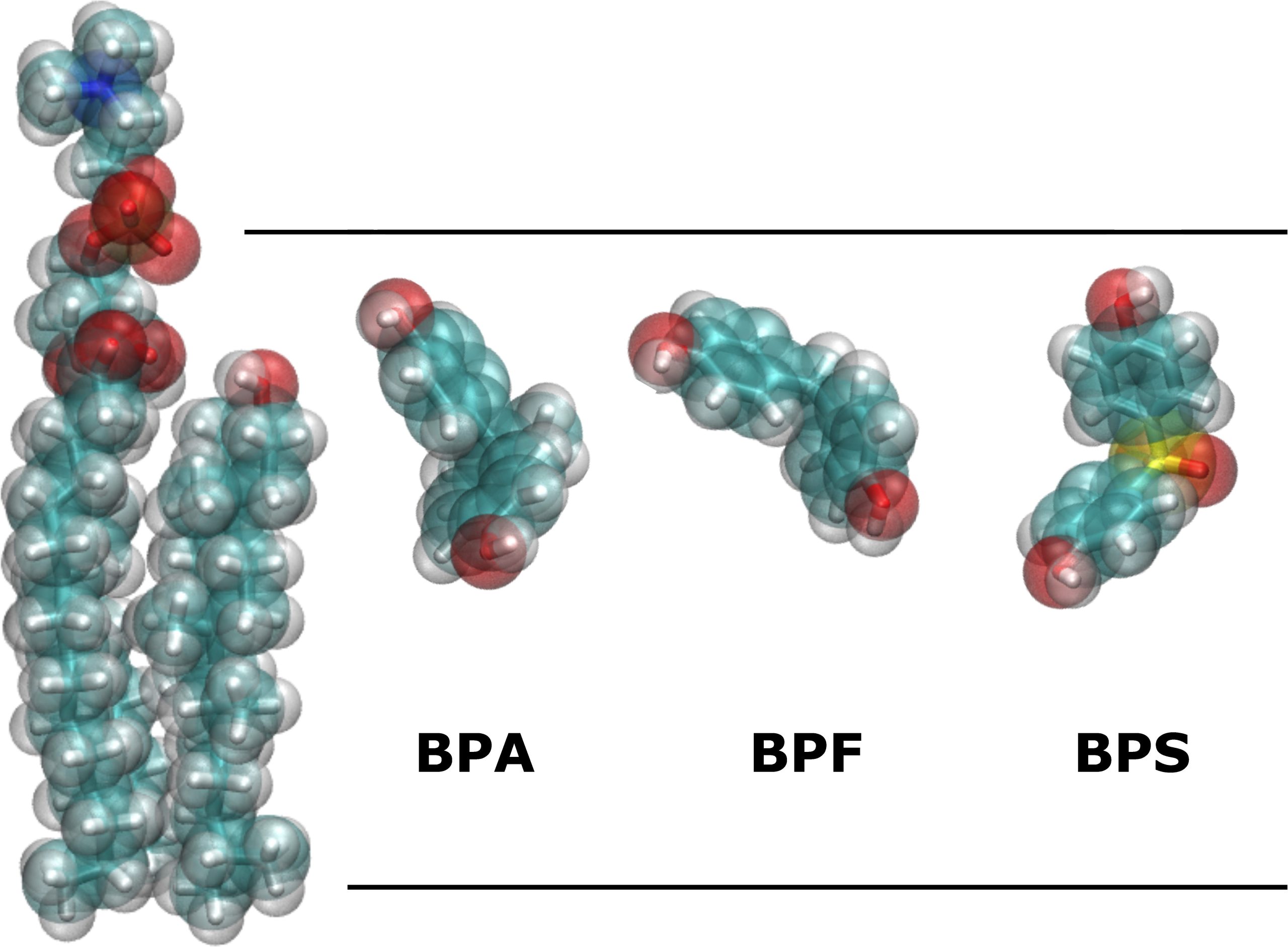
A virtual simulation of interactions between complex biological membranes and alternative bisphenols indicates that BPF and BPS similarly accumulate within biological membranes.
A study conducted by Professor José Villalaín from Miguel Hernández University of Elche (UMH) in Spain, published in the Journal of Xenobiotics, suggests that bisphenol analogs BPF and BPS, marketed as safer substitutes for BPA, may still present health risks. Through high-resolution computer simulations, the research demonstrates that these compounds accumulate in intricate biological membranes, potentially interfering with endocrine function and contributing to conditions such as obesity and diabetes.
While European health authorities have warned about the adverse effects of bisphenol A in plastic production and have imposed legal restrictions on its use, similar compounds used in the plastics industry are suspected of causing the same health issues. This new study adds to the growing body of scientific evidence pointing to the dangers of these compounds.
Methodology: Computer Simulations to Analyze Bisphenols
Using computer simulations, the expert from the UMH’s Institute of Research, Development, and Innovation in Healthcare Biotechnology analyzed the interactions between human cell membranes and the molecules of bisphenol A (BPA), bisphenol F (BPF), and bisphenol S (BPS). BPF and BPS are being marketed as safer alternatives. The results show that these compounds are so similar to bisphenol A that they accumulate in cells and affect membrane lipids, making them potentially harmful and capable of causing diseases.
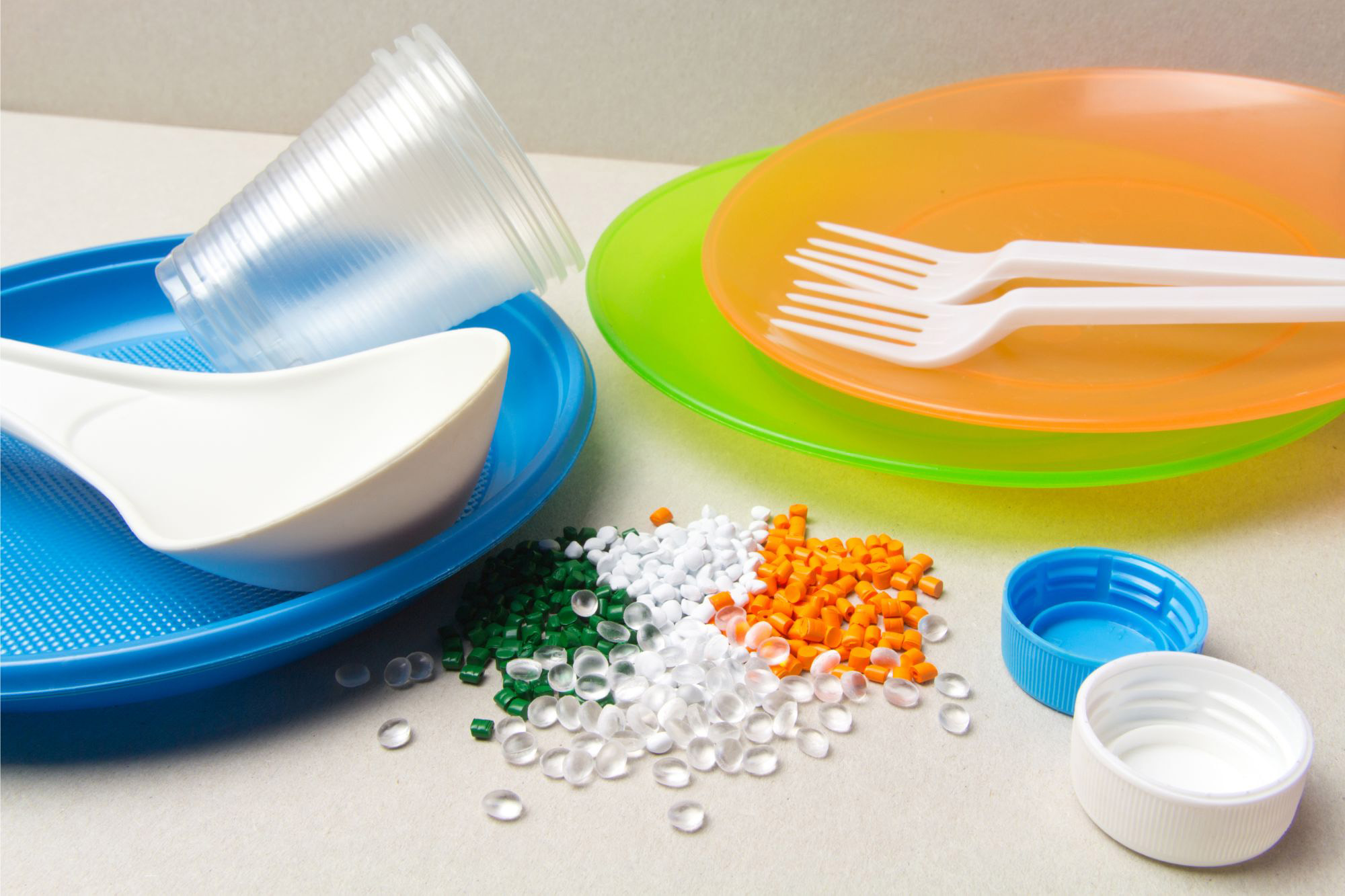
Some synthetic and natural chemical compounds can interfere with the normal functioning of the endocrine system, which regulates many vital functions. These substances are known as “endocrine disruptors.” These chemicals are present in everyday items, including plastic bottles, food containers, metal coatings, detergents, flame retardants, foods, toys, cosmetics, and pesticides. Some, such as DDT, have already been banned. Others are under ongoing review, with increasing regulation, as is the case with bisphenol A, which has been identified by the European Food Safety Authority (EFSA) as a “health concern for consumers across all age groups.”
Bisphenols are endocrine disruptors used globally in the production of plastics and resins. Bisphenol A, the most common bisphenol, has been linked to numerous adverse health effects in both humans and animals. As a result, BPA is being replaced with Bisphenol F (BPF) and Bisphenol S (BPS) in the hope that these compounds will have less of an impact on metabolism.
Findings on BPF and BPS in Human Health
However, studies conducted over the past decade have found elevated concentrations of these BPA analogs in urine samples from European adults. At the same time, BPS and BPF have been associated with an increased risk of cardiovascular disease, cancer, and other health problems. The scientific community is still investigating the full extent of the risks posed by these supposedly ‘safe’ bisphenols.
To better understand these compounds, Professor Villalaín conducted virtual simulations to compare how BPA, BPF, and BPS interact with cell membranes — the layers that separate cells from their surrounding environment. The technique, known as molecular dynamics, allows the creation of complex biomembranes that closely resemble those found in human cells.
The UMH study shows that bisphenols tend to accumulate at the membrane’s interface without a preferred orientation and may exist in either monomeric or aggregated states. They also affect the biophysical properties of the membrane’s lipid components. The properties of bisphenols can be partially attributed to their membrane-affecting behavior and their ability to alter the membrane’s physical characteristics.
These findings suggest that BPF and BPS, which behave similarly to BPA in the membrane and share its ability to accumulate in biological membranes, are not safer alternatives to BPA. “Given the environmental and health importance of these molecules, the use of these bisphenols should be discontinued due to the risks they may pose to human and animal health,” concludes the expert.
The study, published in one of the leading journals in this field, supports the growing scientific evidence that BPF and BPS also act as endocrine disruptors in the human body. “Since bisphenols tend to accumulate in the lipid phase [the part of the cell membrane where molecules responsible for transporting substances and chemical signals into and out of cells are located], the concentration of bisphenols found in biological membranes can be significant,” says Professor Villalaín. Bisphenols interfere with the chemical messages within the cell by adhering to it, which leads to negative health effects, including diabetes, obesity, and infertility.
Reference: “Bisphenol F and Bisphenol S in a Complex Biomembrane: Comparison with Bisphenol A” by José Villalaín, 3 September 2024, Journal of Xenobiotics.
DOI: 10.3390/jox14030068
Funding: Centro Internacional para la Investigación del Envejecimiento de la Comunidad Valenciana, ICAR
Never miss a breakthrough: Join the SciTechDaily newsletter.
Follow us on Google and Google News.