
Close Menu
    Facebook X (Twitter) Instagram
    SciTechDaily
    • Biology
    • Chemistry
    • Earth
    • Health
    • Physics
    • Science
    • Space
    • Technology
    Facebook X (Twitter) Pinterest YouTube RSS
    SciTechDaily
    Home»Earth»New Study: The Ocean Is Emitting Millions of Pounds of Plastic Into the Atmosphere
    Earth

    New Study: The Ocean Is Emitting Millions of Pounds of Plastic Into the Atmosphere

    By PNAS NexusNovember 30, 20232 Comments2 Mins Read
    Facebook Twitter Pinterest Telegram LinkedIn WhatsApp Email Reddit
    Share
    Facebook Twitter LinkedIn Pinterest Telegram Email Reddit
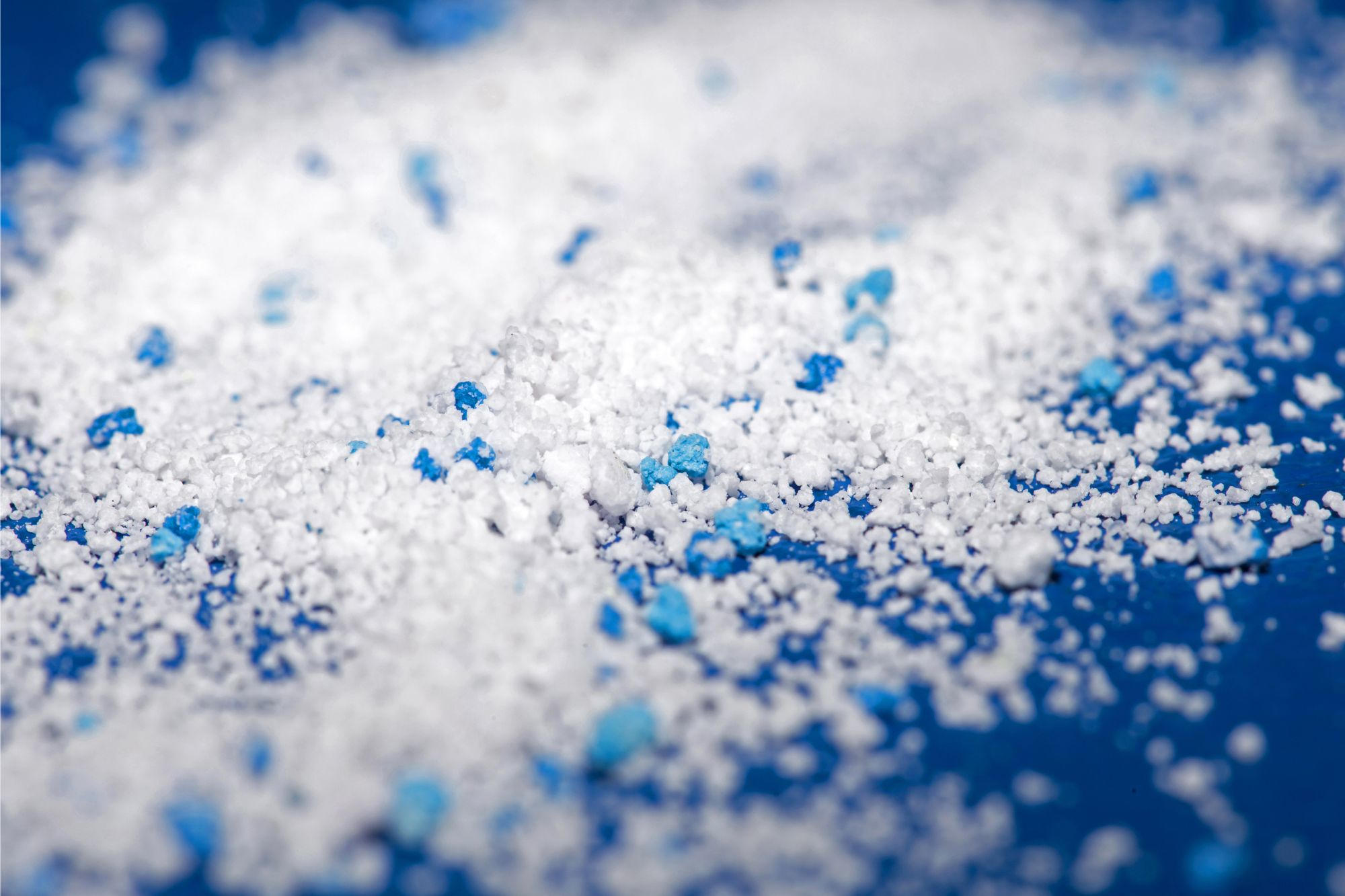
    Pile of Microplastic
    A study quantifies the atmospheric emission of microplastics from sea spray, revealing that oceans release between 0.02 to 7.4 million tons of microplastics annually, necessitating detailed ocean microplastics inventories for accurate assessment.

    A new study quantifies how much microplastic is sent into the air from ocean spray. When sea bubbles pop, they launch tiny particles, like salt or organic fragments, into the atmosphere. This activity transfers a considerable amount of material, which can impact the world’s climate by altering the atmosphere’s radiative balance and acting as nuclei for cloud formation.

    But can sea spray also toss microplastics, which are now ubiquitous in the ocean, into the atmosphere?

    Investigating Bubble-Bursting Ejection Mechanics

    Luc Deike and colleagues explored the physical processes behind the bubble-bursting ejection of microplastic in laboratory experiments using high-speed photography.

    The authors demonstrate that microplastic particles with diameters from 10 μm–280 μm are transported out of seawater and into the air by small droplets known as “jet drops” that are ejected by a bursting bubble of sea froth. These small drops become airborne with their plastic cargo. Once airborne, the water may evaporate, leaving the plastic aloft in wind currents.

    Bubble Bursting Microplastic
    A 1.9 mm bubble bursting to produce a jet drop, which can transport 100 μm diameter polyethylene microplastic pieces. Credit: Shaw et al.

    Using estimations of the concentration of microplastics in the sea, the total amount of microplastics emitted by the world’s seas can then be estimated. The authors calculate that between 0.02 (44,000 lbs) and 7.4 Mt (16,000,000 lbs) of plastic—with a best guess of .1 Mt (220,000 lbs) of plastic— is emitted by the ocean each year. Inventories of ocean microplastic concentrations are now needed to reduce uncertainties in quantifying oceanic emissions of microplastics, according to the authors. 

    Reference: “Ocean emission of microplastic” by Daniel B Shaw, Qi Li, Janine K Nunes and Luc Deike, 3 October 2023, PNAS Nexus.
    DOI: 10.1093/pnasnexus/pgad296

    Never miss a breakthrough: Join the SciTechDaily newsletter.
    Follow us on Google and Google News.

    Microplastics Oceanography Pollution
    Share. Facebook Twitter Pinterest LinkedIn Email Reddit

    Related Articles

    Oceans Are Struggling To Absorb Carbon As Microplastics Flood Their Waters

    “Shocking” – 27 Million Tons of Nanoplastics Discovered in the North Atlantic

    “Ubiquitous” – Scientists Discover That the Oceans Release Microplastics Into the Atmosphere

    NASA Satellite Lets Scientists Track Ocean Microplastics From Space

    Tracking Ocean Microplastics From Space – See the Great Pacific Garbage Patch Like Never Before

    Science and Social Media Show How Ship’s Plastic Cargo Dispersed From Florida to Norway

    Microplastics Found in Europe’s Largest Ice Cap – In a Remote and Pristine Area of Vatnajökull Glacier

    The Missing 99%? Highest Ever Level of Microplastics Found on Seafloor

    Four Billion Microplastic Particles Discovered in the Waters of Tampa Bay

    2 Comments

    1. Clyde Spencer on November 30, 2023 10:19 am

      Can these plastic nano-particles act as nuclei for water-vapor condensation? If so, are they having an effect on cloudiness?

      Reply
    2. Cjmacintosh on December 11, 2023 7:59 am

      If the oceans wasn’t admitting plastics, it would be admittance oil which plastic is a derivative from it. This earth has been doing this for eons before Man and will do it after Man.

      Reply
    Leave A Reply Cancel Reply

    • Facebook
    • Twitter
    • Pinterest
    • YouTube

    Don't Miss a Discovery

    Subscribe for the Latest in Science & Tech!

    Trending News

    Researchers Have Found a Dietary Compound That Increases Longevity

    Scientists Baffled by Bizarre “Living Fossil” From 275 Million Years Ago

    Your IQ at 23 Could Predict Your Wealth at 27, Study Finds

    320 Light-Years Away, a Planet Confirms a Fundamental Cosmic Assumption

    The Crown Jewel of Dentistry? Breakthrough Tech Could Transform Tooth Repair

    Python Blood Could Hold the Secret to Weight Loss Without Side Effects

    Naturally Occurring Bacteria Completely Eradicate Tumors in Mice With a Single Dose

    New “Nanozyme Hypothesis” Could Rewrite the Story of Life’s Origins

    Follow SciTechDaily
    • Facebook
    • Twitter
    • YouTube
    • Pinterest
    • Newsletter
    • RSS
    SciTech News
    • Biology News
    • Chemistry News
    • Earth News
    • Health News
    • Physics News
    • Science News
    • Space News
    • Technology News
    Recent Posts
    • Scientists Discover Bizarre Crocodile Relative That Walked on Two Legs
    • How Quantum Mechanics Went From Baffling Theory to Revolutionizing Modern Technology
    • Scientists May Have Found the Key to Jupiter and Saturn’s Moon Mystery
    • Scientists Uncover Hidden Clues to the Origin of the Genetic Code
    • Scientists Discover Unexpected Role of Alzheimer’s Protein in Cell Division
    Copyright © 1998 - 2026 SciTechDaily. All Rights Reserved.
    • Science News
    • About
    • Contact
    • Editorial Board
    • Privacy Policy
    • Terms of Use

    Type above and press Enter to search. Press Esc to cancel.