
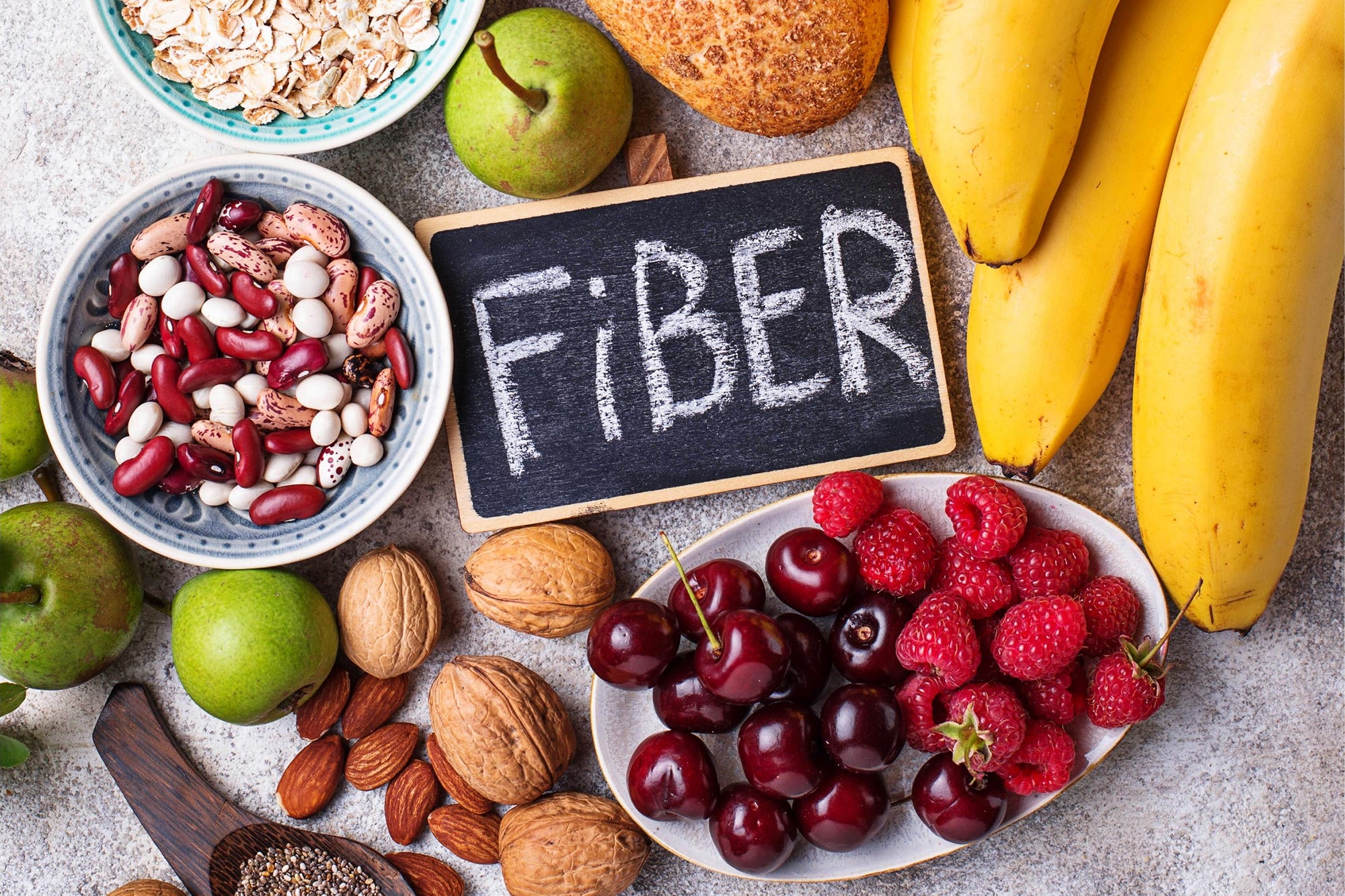
As the fibermaxxing trend gains attention, a Tufts expert explains why fiber matters for health and offers practical advice on meeting daily fiber intake goals
How much fiber a person eats can strongly influence overall health. Adequate fiber supports digestion and is linked to a lower risk of certain cancers, benefits that may help explain the growing attention around the fibermaxxing trend.
Fibermaxxing refers to intentionally meeting or exceeding the recommended daily fiber intake based on body weight. This approach has gained wide visibility this year across both social media and traditional news outlets.
Jennifer Lee, a scientist at the Jean Mayer USDA Human Nutrition Research Center on Aging at Tufts University, studies how gut health and sex related differences shape metabolism throughout the lifespan.
Lee says the popularity of fibermaxxing is not surprising. She welcomes the shift because it reflects a broader understanding that living longer does not always mean living healthier, and that people are increasingly looking for practical ways to preserve good health over time.
“There is a nine-year gap between living to a certain age in good health and then living in poor quality of health at the end of your life,” Lee added. “Behavioral or nutritional strategies that can keep someone healthy are very on trend right now.”
Fiber intake shapes long-term health
Studies have shown that chronic fiber insufficiency can lead to metabolic or cardiovascular impairments, such as diabetes and obesity.
“If you’re not consuming a lot of fiber, you’re possibly consuming calories from other macronutrient groups, and they may be high in carbohydrates or fats, which can lead to weight gain,” Lee said. “Then, depending on a number of factors that may impact one’s cancer risk, a fiber deficiency may increase your risk for certain cancers, such as colorectal, breast, and prostate cancer.”
Broadly speaking, Lee said that the more fiber you can integrate into your daily food profile, the more beneficial effects there will be on your overall health.
Reaching Your Fiber Goals
The Dietary Guidelines for Americans, 2020-2025, published by the United States Department of Agriculture (USDA) and United States Department of Health and Human Services, recommends adults consume between 22 and 34 grams of fiber per day, depending on age and sex.
A more general rule of thumb, Lee said, is that for every 1,000 calories you consume, you should aim to eat 14 grams of fiber. As you age, the amount of fiber required reduces to reflect a lower number of calories consumed each day.
“For someone between 19 and 30 years old, a female’s average recommended daily fiber intake would be 28 grams, based on a 2,000-calorie diet,” Lee said. “But for a male in that same age range, the recommended amount of fiber increases to 34 grams because they’re eating a little bit more.”
Different fibers play different roles
An important thing to note, Lee shared, is that there are two types of general dietary fiber: soluble, which dissolves in water and slows digestion, and insoluble, which helps with passing waste through the gut.
“Soluble fiber attracts water into your gut and forms a gel-like substance,” Lee said. “It keeps you full, helps you feel satiated, and once it makes it into the colon, can provide or serve as a substrate for microbiota, meaning your microbiota can metabolize the food that you digest as well. So, this type of fiber serves as a beneficial food source for the microbes.”
Other benefits of soluble fiber include helping to manage glucose levels and prevent glucose spikes by slowing digestion and reducing cholesterol levels so that it can be excreted rather than absorbed.
Examples of soluble fiber-rich foods include whole foods and fresh produce, such as apples, avocados, bananas, cabbage, broccoli, and cauliflower, as well as legumes, beans, and oatmeal. Sources of insoluble fiber include whole grains, nuts, and seeds.
“Insoluble fiber, on the other hand, cannot be dissolved and will not contribute to the calories you consume,” Lee said. “The body can’t take up energy from insoluble fiber, but it is critical to consume because it’s the bulk of substrate that helps you have a bowel movement. Because insoluble fiber bulks up your stool, it helps to prevent constipation.”
To get the right balance of soluble vs. insoluble fiber each day, you should aim for a two-to-one ratio of insoluble to soluble fiber. For example, if you aim to eat 30 grams of dietary fiber each day, you should eat 20 grams of insoluble fiber and 10 grams of soluble fiber.
Getting more fiber safely
If you’re finding it hard to consume enough fiber in food form, Lee said supplements are a good option. “The majority of adults are not meeting their dietary fiber intake levels, so generally supplementation is a good strategy to meet recommended levels.”
Fiber supplements include products that can be swallowed in pill form or dissolved into water in drink form, but Lee warned that adjusting to increased levels of fiber in your body can take some time.
“You could run into the extremes of eating too much, where if you’re not drinking enough water to hydrate and exceed the amount of soluble and insoluble fiber, you can get constipated,” Lee said. “The other extreme is that some people respond differently to fiber, and they run the risk of getting diarrhea. You really should check in with your body, since you know how your body is responding to what you’re challenging it with daily.”
Never miss a breakthrough: Join the SciTechDaily newsletter.
Follow us on Google and Google News.
1 Comment
Porridge (oatmeal) with some prunes added for breakfast will give you a good start to the day.